Jun 2, 2020 at 5:11 PM
Engine stalls while driving?
1995 FORD RANGER
Advertisement
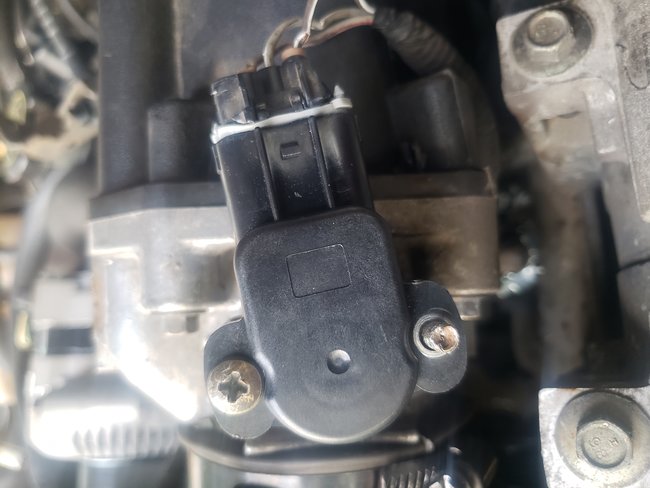
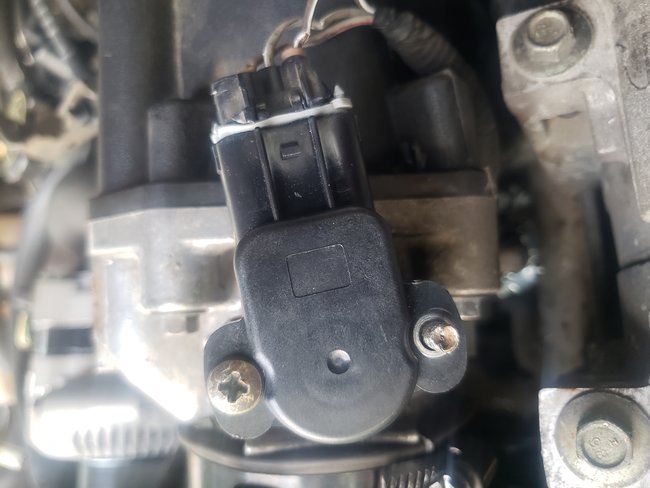
None of the ones that I have bought or the original have any type of adjustment.
Jun 2, 2020 at 5:12 PM
Advertisement
Okay, what is the engine idle speed?
Roy
Roy
Jun 2, 2020 at 5:14 PM
In the 1,500's for awhile, but sometimes after it runs awhile it will drop in the 900's and act like it's trying to shut off.
Jun 2, 2020 at 5:16 PM
Can you back off the base idle screw until the idle drops down? It sounds like the throttle plat is open too much which is raising the voltage and when the voltage is high, the ECM is changing the fuel mapping.
Roy
Roy
Jun 2, 2020 at 5:19 PM
Will see.
Jun 2, 2020 at 5:22 PM
Rpm bobbing back and forth between 900 -1200. voltage now is 1.06. 4.54-4.74.
Jun 2, 2020 at 5:34 PM
Is that with the IAC connected or disconnected?
Roy
Roy
Jun 2, 2020 at 5:36 PM
Connected.
Jun 2, 2020 at 5:38 PM
What happens when it is disconnected? The idle should drop to 500-600 RPM.
Jun 2, 2020 at 5:48 PM
Rough idle. Started off between 266-472. after about a minute going between 474-587. trying to shut off.
Jun 2, 2020 at 5:53 PM
Can you give me the long term trim readings while it is idling like that?
Roy
Roy
Jun 2, 2020 at 6:04 PM
How is it listed on a cheap obd2?
Jun 2, 2020 at 6:09 PM
Long term trim bank 1 and bank 2. It could be in percentage or it could be in voltage.
It will tell me if the engine is rich or lean.
Roy
It will tell me if the engine is rich or lean.
Roy
Jun 2, 2020 at 6:27 PM
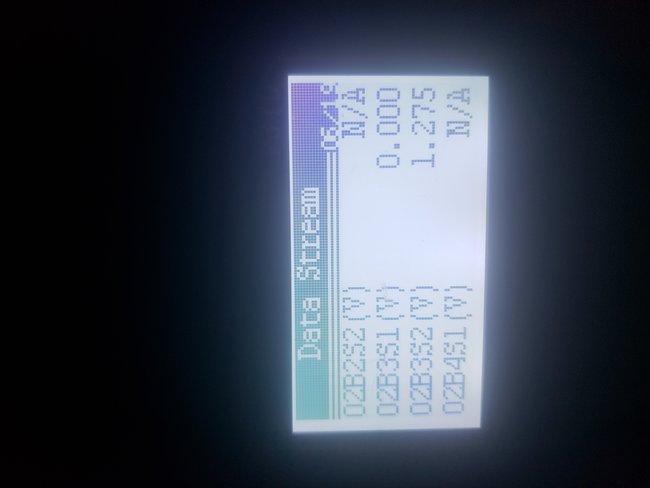
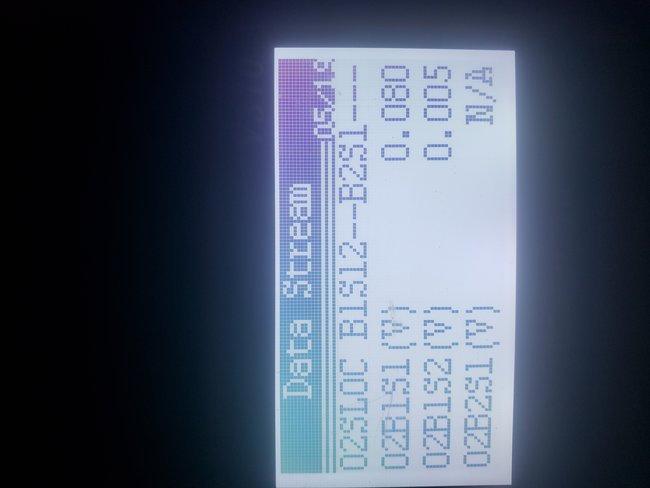
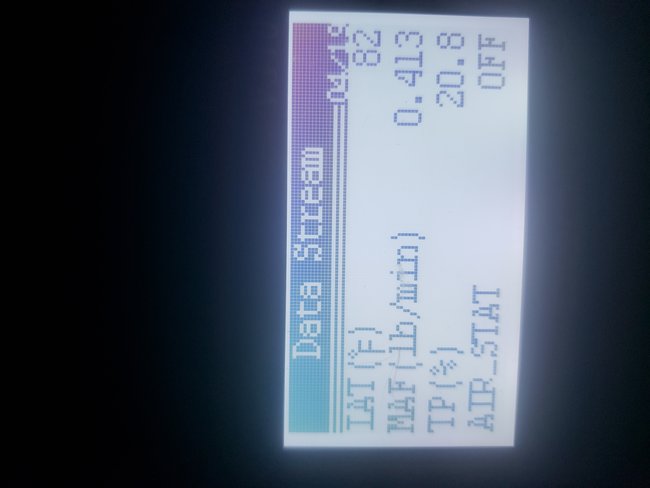
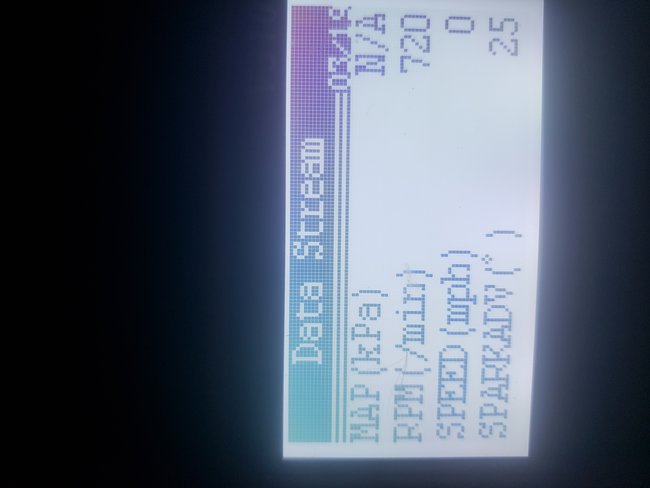
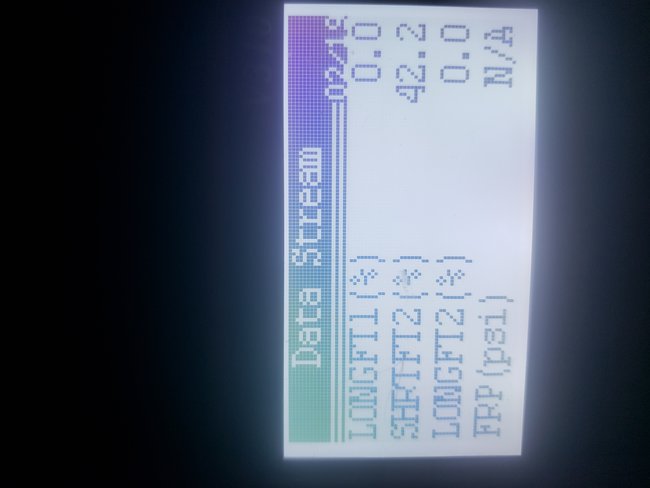
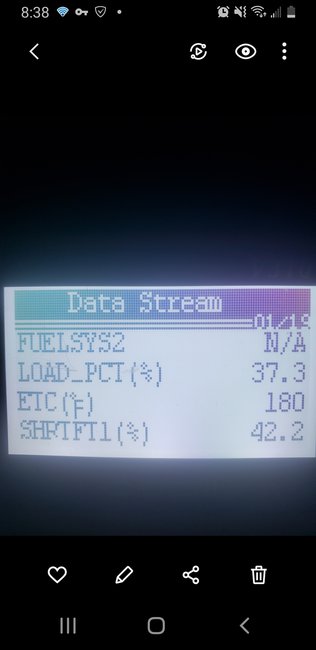
Nuts. It does not give the trims and the mass air flow sensor readings.
The O2 sensor readings are full lean.
That tells me there is a lack of fuel.
Roy
The O2 sensor readings are full lean.
That tells me there is a lack of fuel.
Roy
Jun 2, 2020 at 6:44 PM
New fuel pump, filter, relay, regulator, fuses and MAF sensor. inertia switch checks out. no bad fuses.
Jun 2, 2020 at 6:59 PM
I know you replaced all that. We have been over that many times. No to the fuses. If it was, you would not have any voltage to the sensors and a ton of codes.
With the engine running, remove the PCV valve and then remove the oil fill cap. Can you feel vacuum or pressure?
This is with the engine running.
Roy
With the engine running, remove the PCV valve and then remove the oil fill cap. Can you feel vacuum or pressure?
This is with the engine running.
Roy
Jun 3, 2020 at 3:57 AM
Will try after work.
Jun 3, 2020 at 6:03 AM
Okay, I will be here.
Roy
Roy
Jun 3, 2020 at 6:15 AM
Feel vacuum from PCV valve, but not the hole it slides into..and a very light suction at the oil cap spout..
Jun 3, 2020 at 5:20 PM
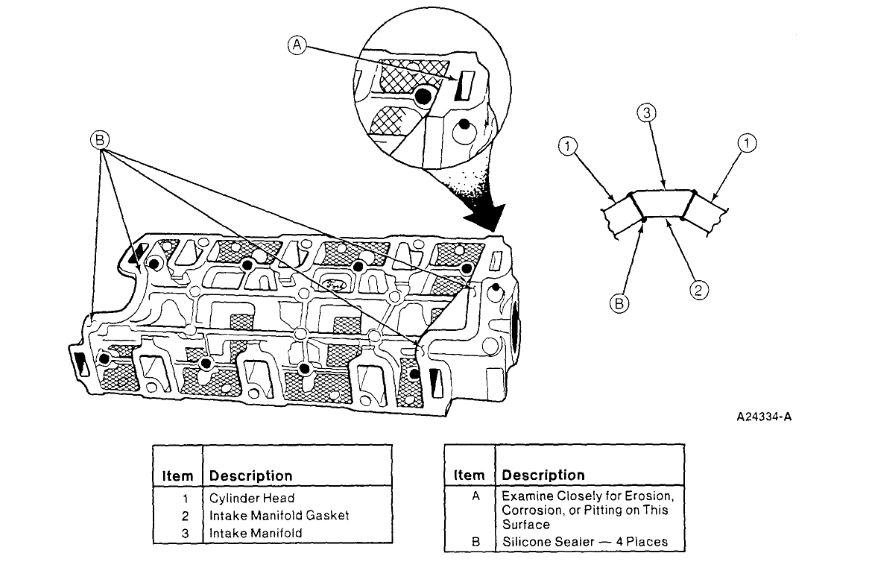
That tells me the intake manifold gasket is leaking and drawing from the valley.
That would also explain why it is running rough.
There should be positive pressure from the oil fill cap, not vacuum.
Roy
REMOVAL
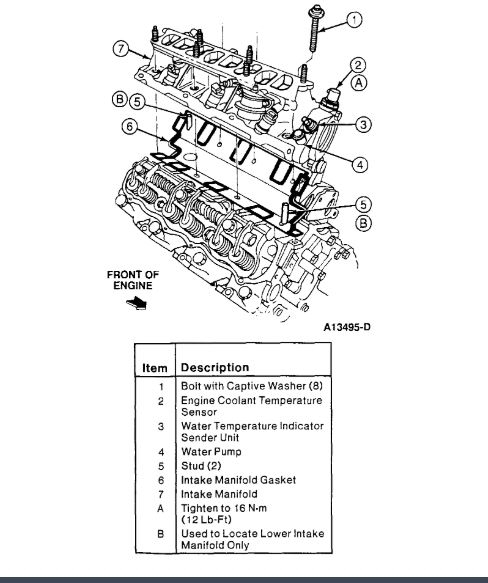
NOTE: The intake manifold is a four-piece assembly consisting of the upper intake manifold, the throttle body, the fuel injection supply manifold and the lower intake manifold.
WARNING: Residual pressure remains in fuel system after engine is shut off. This could result in injury or fire when fuel lines are disconnected. Disconnect inertia fuel shutoff switch and crank engine until fuel in lines is used up.
1. Disconnect the battery ground cable at the battery.
2. Remove the air cleaner outlet tube from the throttle body.
3. Remove the accelerator control splash shield and disconnect the throttle cable and bracket assembly.
4. Disconnect all vacuum hoses from the fittings on the upper intake manifold.
5. Disconnect the electrical connections at the throttle body, upper intake manifold, lower intake manifold and fuel injector nozzle tip.
6. Disconnect the fuel supply and return lines at the fuel supply manifold.
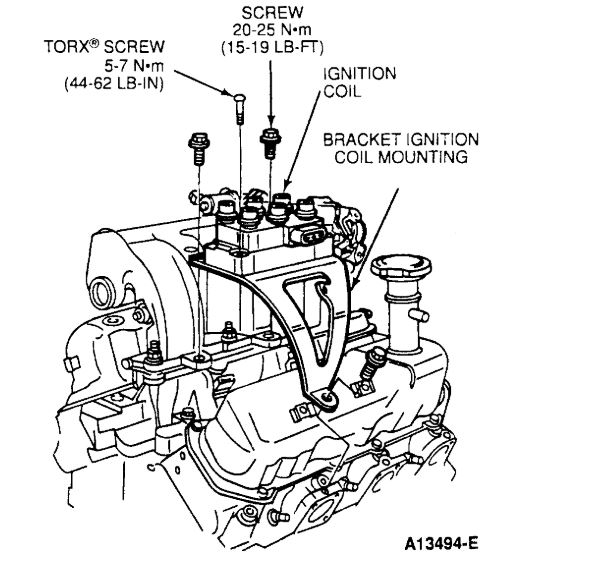
7. Remove the bolts securing the ignition coil and bracket assembly to the upper intake manifold.
8. Remove the six nuts securing the upper intake manifold and remove the upper manifold.
9. Remove the valve covers.
10. Remove the intake manifold attaching bolts. Tap the intake manifold lightly with a plastic mallet to break the gasket seal, and lift off the intake manifold assembly.
11. Remove all old gasket material, and sealing compound.
That would also explain why it is running rough.
There should be positive pressure from the oil fill cap, not vacuum.
Roy
REMOVAL
NOTE: The intake manifold is a four-piece assembly consisting of the upper intake manifold, the throttle body, the fuel injection supply manifold and the lower intake manifold.
WARNING: Residual pressure remains in fuel system after engine is shut off. This could result in injury or fire when fuel lines are disconnected. Disconnect inertia fuel shutoff switch and crank engine until fuel in lines is used up.
1. Disconnect the battery ground cable at the battery.
2. Remove the air cleaner outlet tube from the throttle body.
3. Remove the accelerator control splash shield and disconnect the throttle cable and bracket assembly.
4. Disconnect all vacuum hoses from the fittings on the upper intake manifold.
5. Disconnect the electrical connections at the throttle body, upper intake manifold, lower intake manifold and fuel injector nozzle tip.
6. Disconnect the fuel supply and return lines at the fuel supply manifold.
7. Remove the bolts securing the ignition coil and bracket assembly to the upper intake manifold.
8. Remove the six nuts securing the upper intake manifold and remove the upper manifold.
9. Remove the valve covers.
10. Remove the intake manifold attaching bolts. Tap the intake manifold lightly with a plastic mallet to break the gasket seal, and lift off the intake manifold assembly.
11. Remove all old gasket material, and sealing compound.
Jun 3, 2020 at 5:33 PM
guess this weekend if i have time i will tear it down and change. i also have the fun of getting ready for my first colonoscopy, joy. will write back after i change it. thanks
Jun 3, 2020 at 5:58 PM
You are welcome.
Roy
Roy
Jun 3, 2020 at 6:01 PM