low compression

2003 VOLKSWAGEN GOLF
102,000 MILES • 1.6L • 4 CYL • 2WD • MANUAL
Avatar
MARKRACER
  • MEMBER
  • 19 POSTS
Hello, I have a misfire on cylinder three, the spark plugs have been changed coils checked
Carried out compression test, cylinders 1, 2,and 4 are 15 bar.
Cylinder three, 9 bar.
This fault running on three cylinders is intermittent. The other thing I have noticed is when it runs right the engine light stays on constant.
When the fault occurs the engine light flashes.
Any advice would be greatly appreciated

Regards,

Mark
Oct 11, 2018 at 1:39 PM
Advertisement
Avatar
JACOBANDNICKOLAS
  • CERTIFIED EXPERT
  • 110,175 POSTS
Hi and thanks for using 2CarPros.

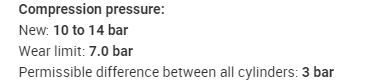
I need to confirm something. New the vehicle would have had between 10 and 14bar. 7bar is the wear limit. If you have between 3bar and 9bar, either you have a sticking valve, a bad head gasket, worn rings, or something is wrong with the compression gauge.

The maximum tolerance in compression is 3bar. Once that is exceeded, you will definitely feel a misfire. I attached a picture indicating the pressures for you to see.

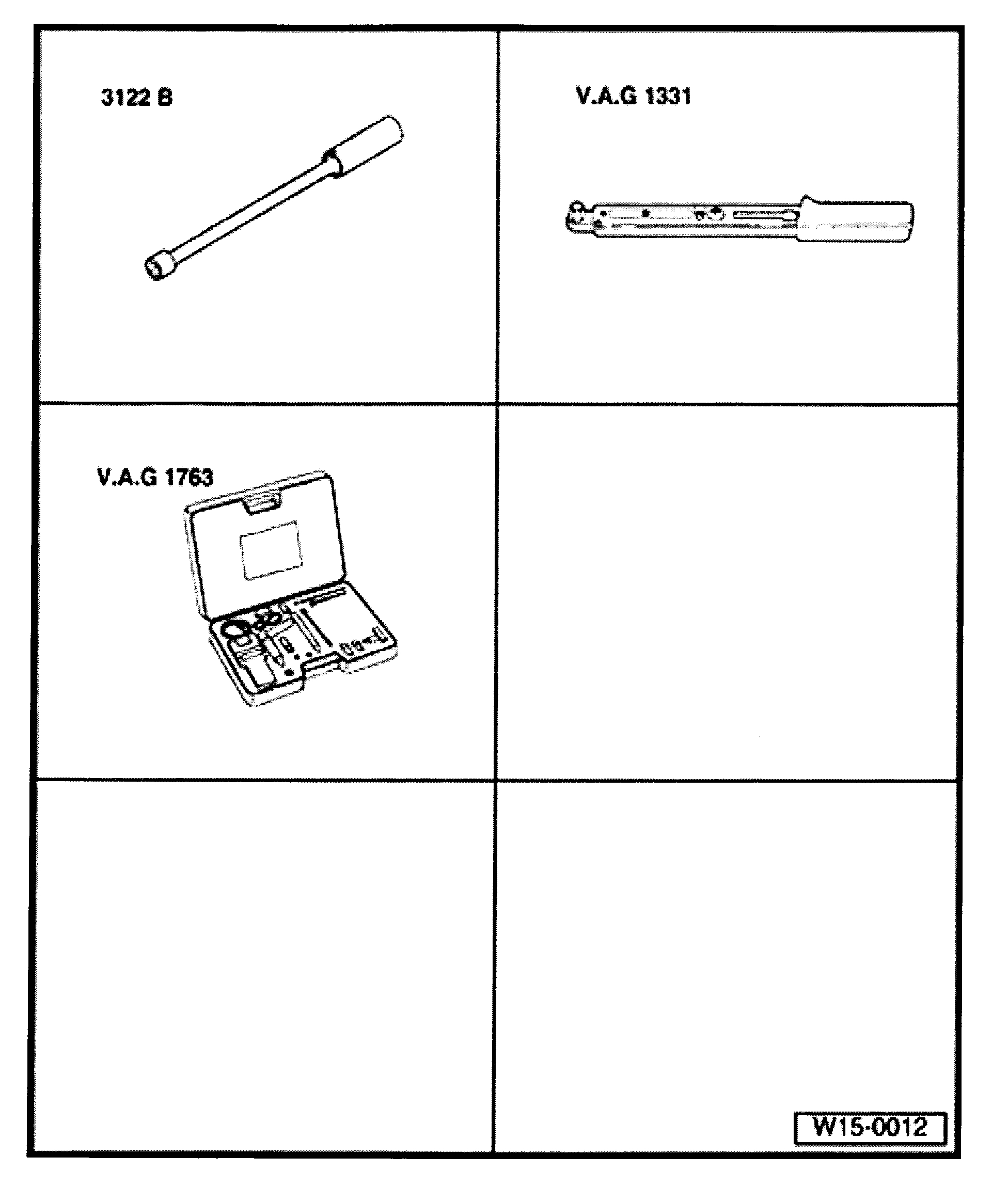
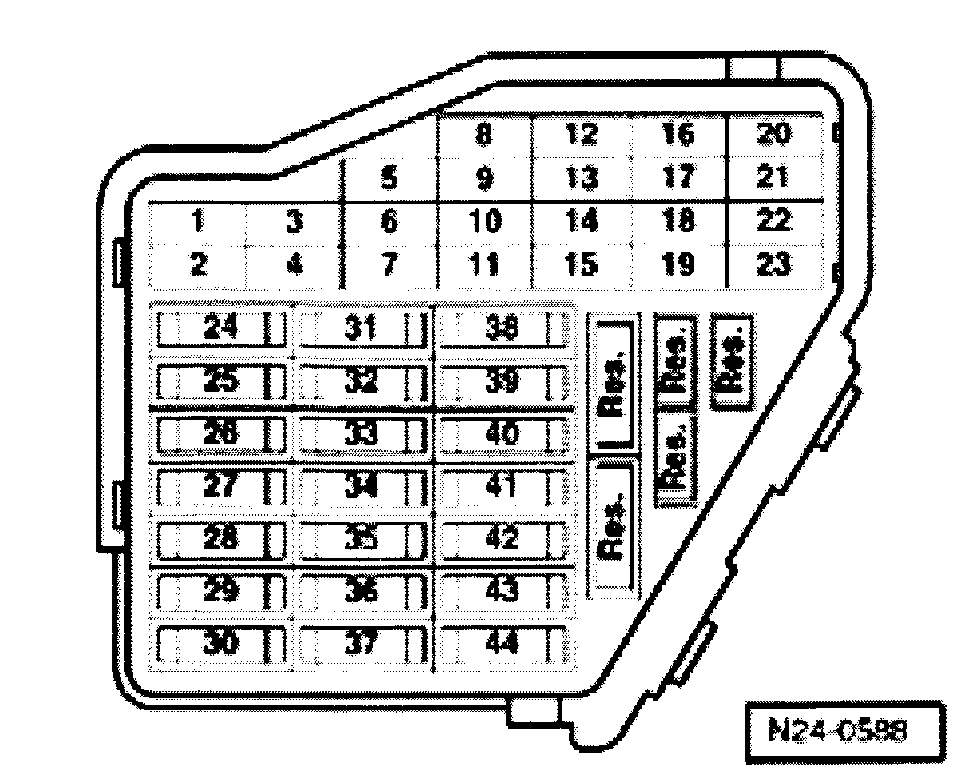
With that being said, I am going to provide the specific directions for checking compression on your vehicle. Just read through them to confirm you did it the way it is recommended. Pictures 2 and 3 correlate with these directions.
_______________________________________________
Compression Pressure, Checking
Vehicle Powertrain Management Tune-up and Engine Performance Checks Compression Check Testing and Inspection Component Tests and General Diagnostics Compression Pressure, Checking
COMPRESSION PRESSURE, CHECKING
Compression pressure, checking

Special tools, workshop equipment, test and measuring appliances and aux. items required
^ 3122 B Spark plug spanner
^ V.A.G 1331 Torque wrench (5 to 50 Nm)
^ V.A.G 1763 Compression tester
- Remove fuse 32

Note: Removing fuse 32 interrupts the voltage supply to the injectors.

Test conditions
^ Engine oil temperature must be at least 30°C.

Work sequence
- Remove engine cover.
- Pull connector(s) off ignition coils.
- Remove ignition coils.
- Remove spark plugs with spark plug spanner 3122B.
- Use a second mechanic to fully depress accelerator pedal.
- Check compressions with compression tester V.A.G 1381N.A.G 1763.

Note: Using the compression tester = Operating instructions.

- Operate starter until tester shows no further pressure increase.

Compression pressure:
New: 10 to 14 bar
Wear limit: 7.0 bar
Permissible difference between all cylinders: 3 bar
- Install spark plugs with spark plug socket and extension 3122B and tighten to 30 Nm.

Vehicles with engine code AWD
- Install ignition coils and tighten to 10 Nm.

Vehicles with engine codes AWP, AWW
- Install ignition coils. During this, make sure secure seating of the ignition coils.

Continued for all vehicles
- Check DTC memory.
- Read out readiness code.
- If the DTC memory has been erased or the engine control module separated from the permanent positive, the readiness code must be generated again.

________________________

If the compression is still low, I need you to complete a wet compression test. You will need to place about a teaspoon full of oil in the cylinder in question. If the compression increases, there is a problem with piston rings or cylinder wear. If there is no change, the problem is either a head gasket, valve issue, or even a cracked head.

If you suspect a head gasket, follow these directions.

https://www.2carpros.com/articles/head-gasket-blown-test

Also, here is a link that discusses reasons for low compression.

https://www.2carpros.com/articles/the-reasons-for-low-compression

I hope this helps. Let me know what you find or if you have other questions.

Take care,
Joe
Oct 11, 2018 at 6:53 PM
Avatar
MARKRACER
  • MEMBER
  • 19 POSTS
Hello, I have carried out another compression test and these are the results:

Cylinders 1, 2,and 4 around 15 bar
Cylinder 3 with tablespoon of oil in cylinder was around 11 bar.
Also, the engine light, when the car is running right it stays constant.
When engine is running on 3 cylinders the engine light flashes.
There is also a pooing noise from the rear of the exhaust.
Your advice will be greatly appreciated.

Regards,

Mark
Oct 18, 2018 at 5:07 AM
Advertisement
Avatar
JACOBANDNICKOLAS
  • CERTIFIED EXPERT
  • 110,175 POSTS
Hi and welcome back,

Maximum tolerance is 3 bar between cylinders, so even at its best, it exceeds that. Now, since there was a substantial increase in compression with the oil, it appears there is wear to the compression rings on that cylinder. The part which confuses me is you have more compression in 3 of the cylinders than the would have had new. The steady light is on because there is most likely a code stored in the computer. When it flashes, that indicates a misfire is occurring. Have you checked to see if there is a problem with the exhaust? A plugged catalytic converter will cause excessive back pressure which may be part of the problem. You mention there is a noise from the rear of the exhaust. It could be a catalytic converter issue.

https://www.2carpros.com/articles/how-to-test-a-catalytic-converter

Let me know.

Joe
Oct 18, 2018 at 4:51 PM
Avatar
MARKRACER
  • MEMBER
  • 19 POSTS
Hello, thanks for your reply, I will check the catalytic converter, also you say it sounds like some wear in cylinder three, do you think that my engine would have to be stripped down or could that be okay to leave that for a while? Until I have the money to do that rather daunting job.
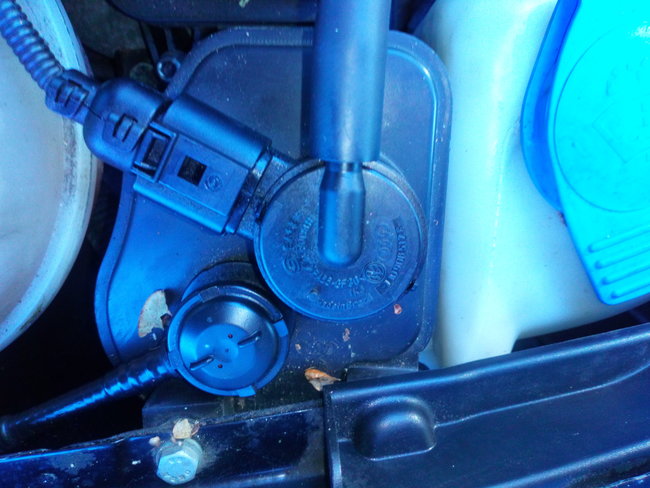
As to the interminably running three cylinders, do you think that is being caused by the lower compression in 3? Or could it be one of the sensors? I have also noticed a small device on the
OS wing, it starts clicking sometimes, I will photo it and send it.
One more thing, if the catalytic converter is faulty would that cause the misfire? I really am at a Loss here and appreciate your advice, I do not know really what to do now except check the exhaust and catalytic converter.

Regards,

Mark
Oct 18, 2018 at 5:05 PM
Avatar
JACOBANDNICKOLAS
  • CERTIFIED EXPERT
  • 110,175 POSTS
Hi Mark:

A plugged catalytic converter can cause a miss, engine damage, low power.. So yes. As far as the vehicle running, if a cylinder is not burning the fuel, raw fuel will make its way to the catalytic converter and if it is good, it will cause it to fail.

Up load the picture when you get a chance.
Oct 18, 2018 at 5:25 PM
Avatar
MARKRACER
  • MEMBER
  • 19 POSTS
Hello, I have attached the photo of the device! Could you tell me what it does, and what it is please, it intermittently clicks.

Regards,

Mark
Oct 20, 2018 at 9:16 AM
Avatar
JACOBANDNICKOLAS
  • CERTIFIED EXPERT
  • 110,175 POSTS
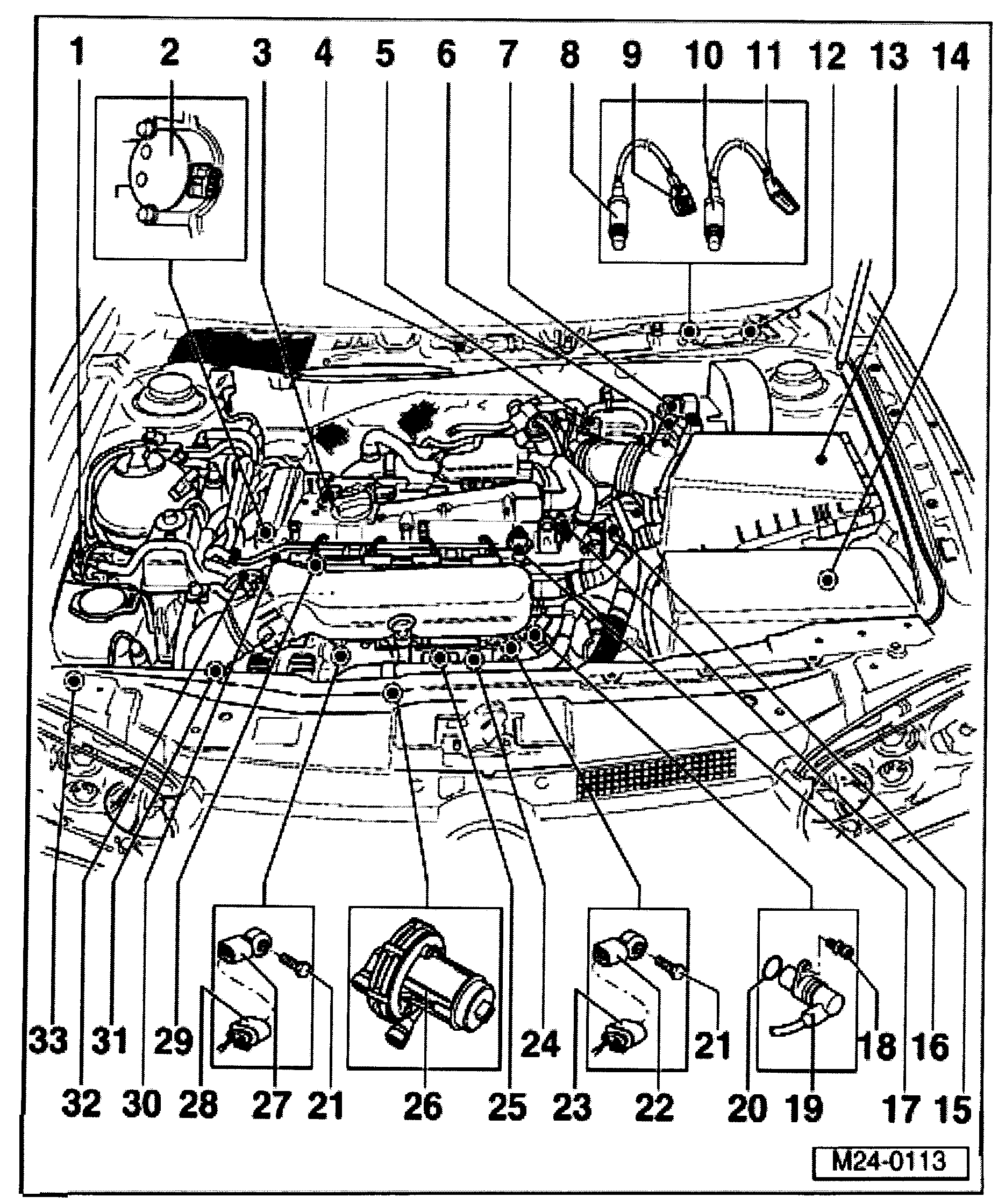
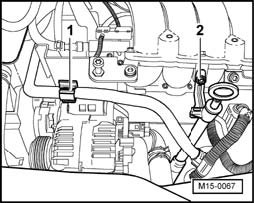
If that is located on the right side of the engine compartment, it is the EVAP canister purge valve. See attached picture of components to identify location.
Oct 20, 2018 at 8:32 PM
Avatar
MARKRACER
  • MEMBER
  • 19 POSTS
Hello, thanks for getting back to me, yes looking at the image, as you look at the engine it is on the left, it looks like number 1 on the diagram, what does it do and as I said it clicks intermittently.
Regards,
Mark
Oct 21, 2018 at 2:00 PM
Avatar
JACOBANDNICKOLAS
  • CERTIFIED EXPERT
  • 110,175 POSTS
HI Mark:

The purge valve controls the amount of fuel vapor that is purged from the charcoal canister. It is part of the evaporation emissions system. The one on your vehicle is electronically controlled, so that is why you are hearing a clicking. It is controlled by the car's computer.

Let me know if that helps.

Joe
Oct 21, 2018 at 5:55 PM
Avatar
MARKRACER
  • MEMBER
  • 19 POSTS
Hello, just an update on my misfiring vw golf, I carried out the tests that you surgested and gave you the results, I am Realy at a loss to why this intermitantly fault is occurring, as I am to the misfiring cylinder is also lower on commpresion, I am at the stage now to remove the head (something I Realy don't want to do unless it's nessasary) any advice or further thoughts to what is causing this fault would be greatly appreciated, it Realy is an annoying fault, electronics in cars these days are great when there working, I miss the old days when with traditional mechanics you could fix your car

Regaurds

Mark
Oct 28, 2018 at 3:55 PM
Avatar
JACOBANDNICKOLAS
  • CERTIFIED EXPERT
  • 110,175 POSTS
Hi Mark:
I wish I had a better answer, but you have done all the basic checks to remedy the issue. The only thing I can think is that the variation in compression is causing it.

I wish I had an easier answer.

_______________________________

I don't know if you need them, but here are the directions for removing and replacing the cylinder head. All attached pictures correlate with these directions.
___________________________________________

Cylinder head, removing and installing

Note:
^ When installing an exchange cylinder head with camshaft, lubricate running contact surfaces between hydraulic lifters and camshaft cam surfaces before installing cylinder head cover.
^ The plastic packing pieces for protecting the open valves must not be removed until immediately before installing the cylinder head.
^ If the cylinder head is replaced, all the coolant in the system must also be replaced.


imageOpen In New TabZoom/Print


Engine codes AEG, AVH, AZG, BEV

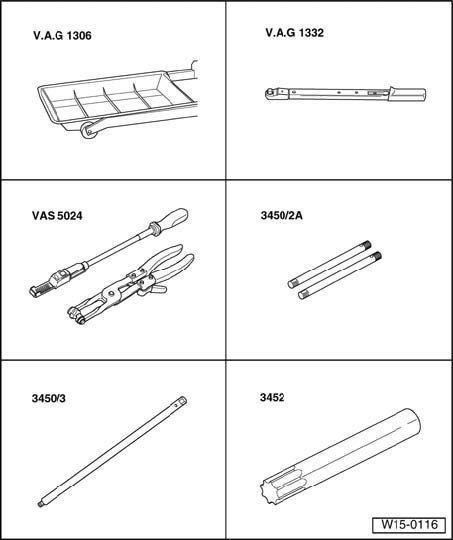
Special tools and equipment
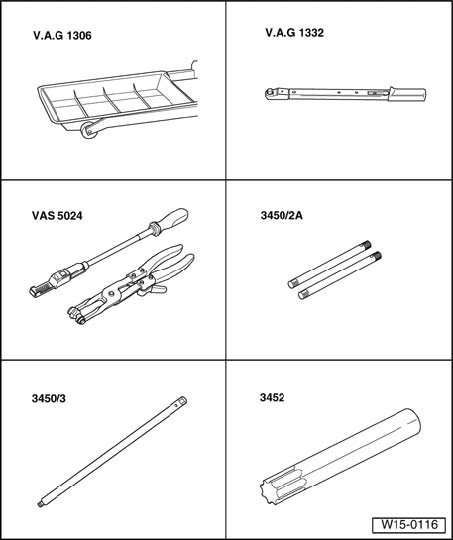
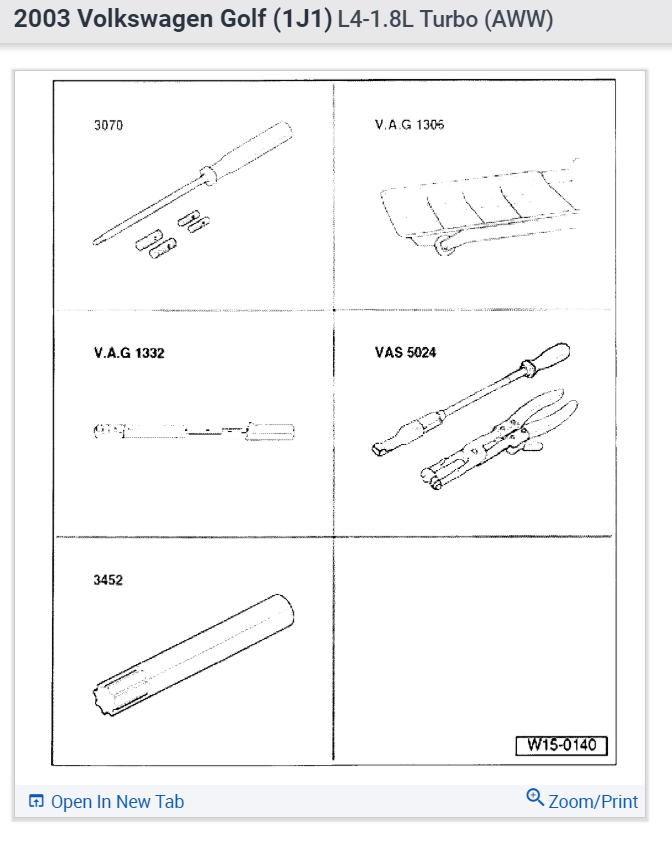
^ V.A.G 1306 Drip tray
^ V.A.G 1332 Torque wrench (40 to 200 Nm)
^ VAS 5024 Assembly tool for spring-type clips
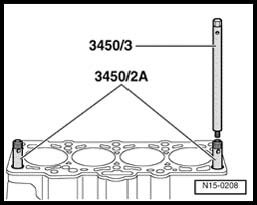
^ 3450/2A Guide pins
^ 3450/3 Removal tool
^ 3452 Key (for Polydrive cylinder head bolts)

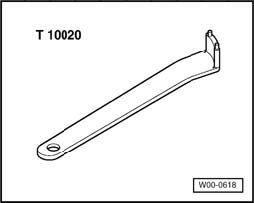
^ T10020 Two hole pin wrench

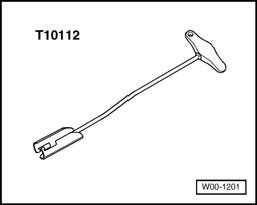
^ T10112 Fitting tool

Requirements
^ Engine must only be hand touch warm.

Removing

CAUTION! When performing repair work, especially due to the confined conditions in the engine compartment, pay attention to the following:
^ Route all types of lines (e.g. for fuel, hydraulics, EVAP system, coolant, refrigerant, brake fluid and vacuum) as well as electrical wiring so that the original positions are restored.
^ Ensure sufficient clearance to all moving or hot components.

Note: During this procedure the battery Ground strap must be disconnected. Therefore, please check first whether a coded radio is installed. Obtain the radio code first if necessary.

- With ignition switched off disconnect battery Ground (GND) strap.
- Remove engine cover.
- Drain coolant.

WARNING! The fuel system is under pressure! Before opening the system place a cloth around the connection. Then release the pressure by carefully loosening the connection.

Engine codes AEG, AVH, AZG, BEV
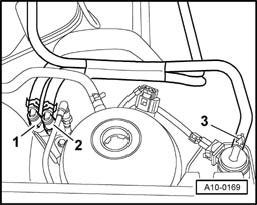
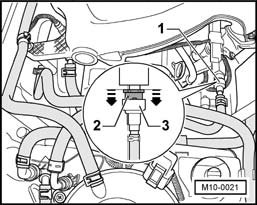
- Pull fuel supply line -1- and fuel return line -2- off connections
- Disconnect hose -3- from solenoid valve for Evaporative Emission (EVAP) Canister Purge Regulator Valve

Engine code BEV

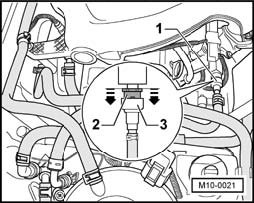
- Pull fuel supply line -1- off union by pressing locking ring -2- into union -3-.

Continued for all engines
- Seal lines to avoid contamination of fuel system.
- Remove air cleaner with intake hose and secondary air line.
- Remove intake manifold upper part.
- Disconnect all necessary coolant, vacuum and intake hoses from intake manifold upper part/cylinder head.
- Pull off/discount all electrical connections/wiring as necessary from cylinder head and lay aside.

Note: Seal the intake ports in the intake manifold lower section with clean cloths.

- Remove connections with coolant hoses.
- Remove suction and pressure lines from secondary air pump motor.
- Remove pressure line retainer.
- Unbolt secondary air pump motor bracket and remove.
- Disconnect following connections:

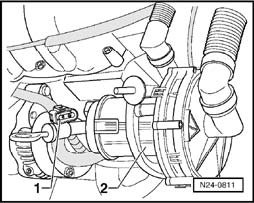
^ -1- for Secondary Air Injection (AIR) Pump Motor -V101- -2-.
^ Camshaft position (CMP) sensor -G40-
^ Knock Sensor (KS) 1 -G61-
^ For injectors -N30-, -N31-, -N32-, -N33-, (unclip cable guide).
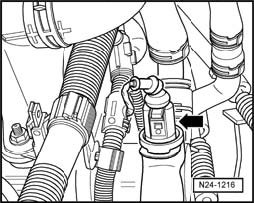
^ Engine Coolant Temperature (ECT) sensor -G62- (arrow).
- Knock Sensor (KS) 1 -G61- from clip on generator bracket.
- Remove wiring harness from fuel rail and lay to one side.
- Unclip wiring harness on left next to cylinder head.
- Disconnect wiring from spark plus using tool T10112.
- Unclip return line from clip -1-.
- Remove bolt -2- from oil dipstick retainer.
- Remove cover for Heated Oxygen Sensor (HO2S) connector.
- Disconnect Heated Oxygen Sensor (HO2S) -G39- connector and take wiring harness off heat shield.
- Disconnect front exhaust pipe with catalytic converter.
- Take off poly V-belt.
- Remove bracket from poly V-belt tensioning element.
- Remove toothed belt guard upper part.
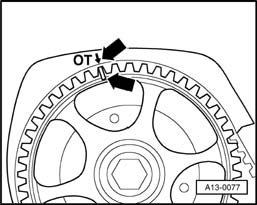
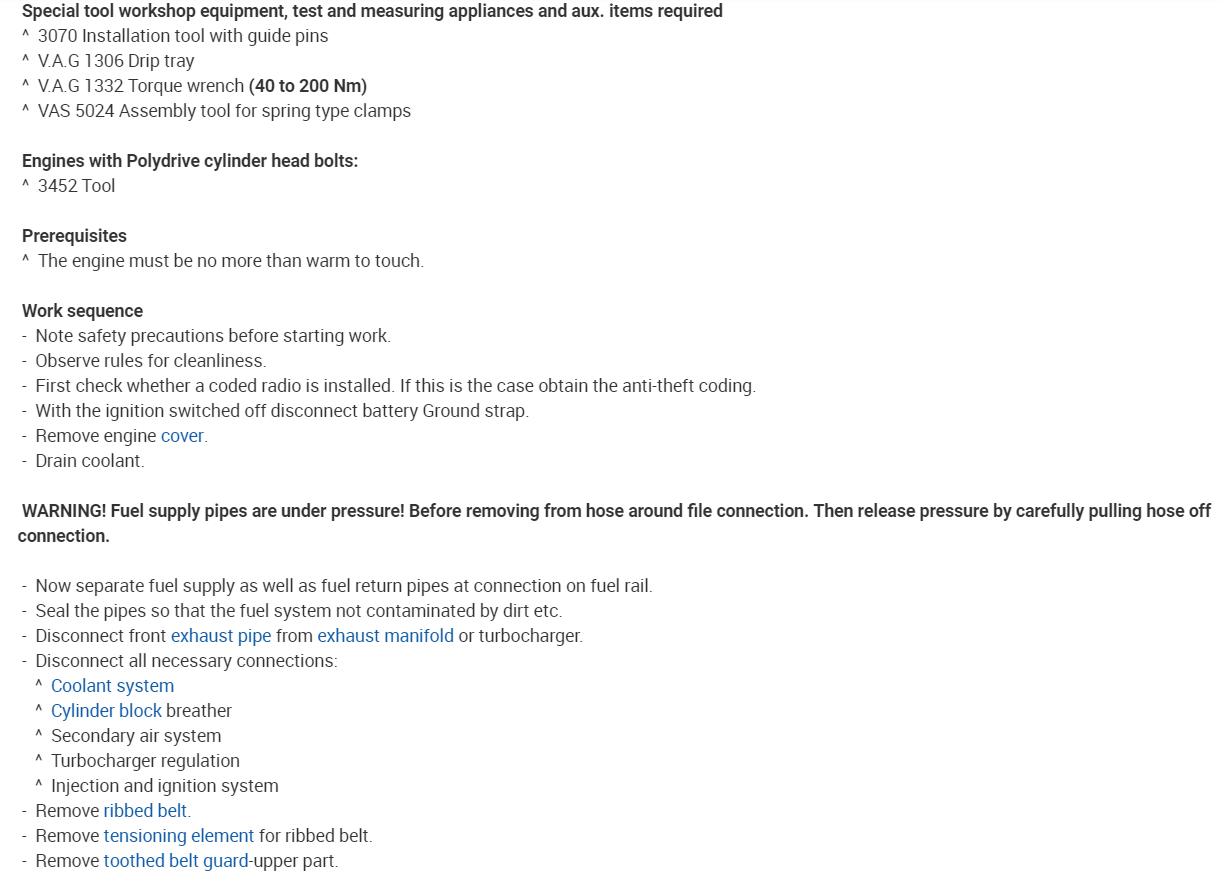
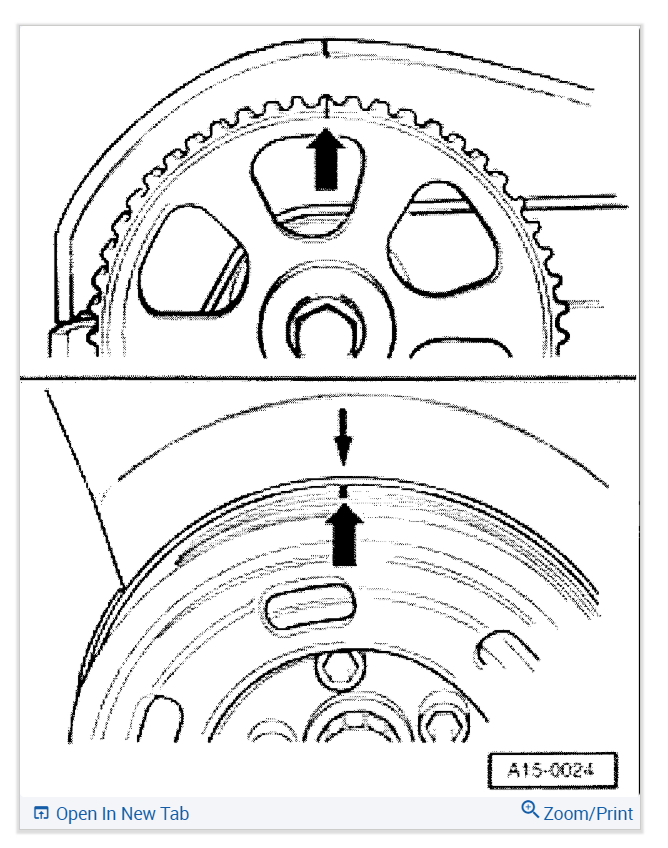
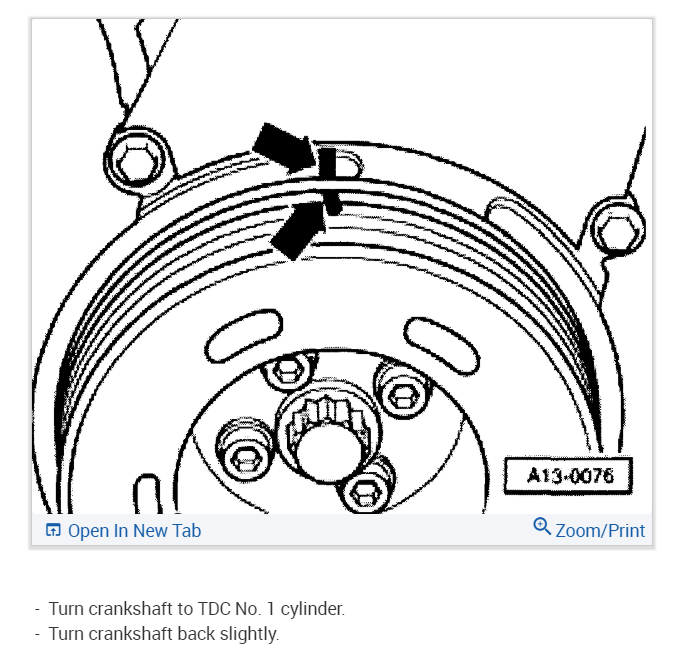
- Set camshaft pulley to TDC No. 1 cylinder by turning crankshaft 1. Mark on camshaft pulley must align with (arrow) on toothed belt guard.
- Loosen tensioning roller and remove toothed belt from camshaft pulley.
- Turn crankshaft back slightly.
- Remove cylinder head cover.
- Remove upper bolt from rear toothed belt guard.
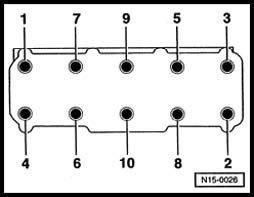
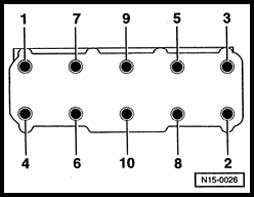
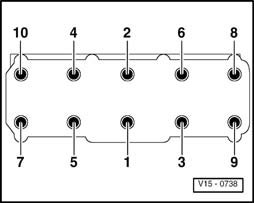
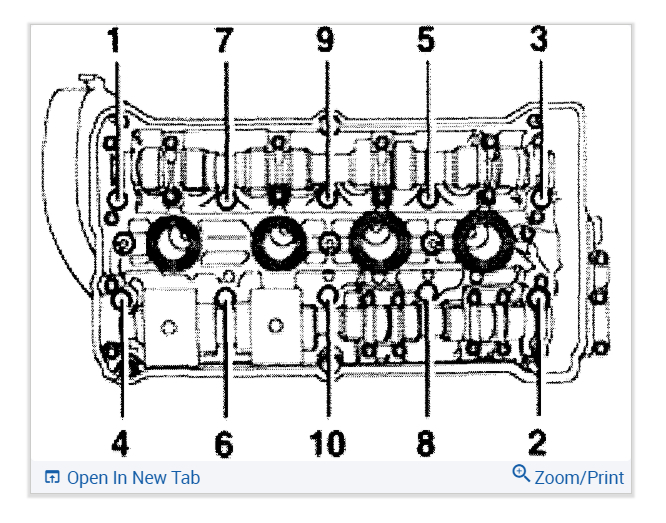
- Loosen socket head bolts in sequence given and then remove.

Note: Use key 3452 for polydrive cylinder head bolts.

- Carefully lift cylinder head off.

Note:
^ Always replace bolts.
^ There must be no oil or coolant in the cylinder head bolt pockets in the cylinder head.
^ Do not remove new cylinder head gasket from its packing until immediately before installing.
^ Handle new gasket with extreme care. Damage will cause leakage.
^ Place cleans cloths in cylinders so that no dirt or emery cloth particles can get in between cylinder wall and piston.
^ Also prevent dirt and emery cloth particles from getting into coolant.
^ Carefully clean sealing surfaces of cylinder head and cylinder block. Ensure thereby that surfaces are not scored or scratched (if abrasive paper is used, grade must not be less than 100)
^ Carefully remove metal particles, emery residue and cloths.

- If crankshaft has been turned: Set No. 1 cylinder piston to top dead center and then return crankshaft back slightly.
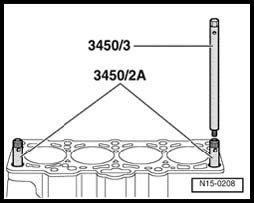
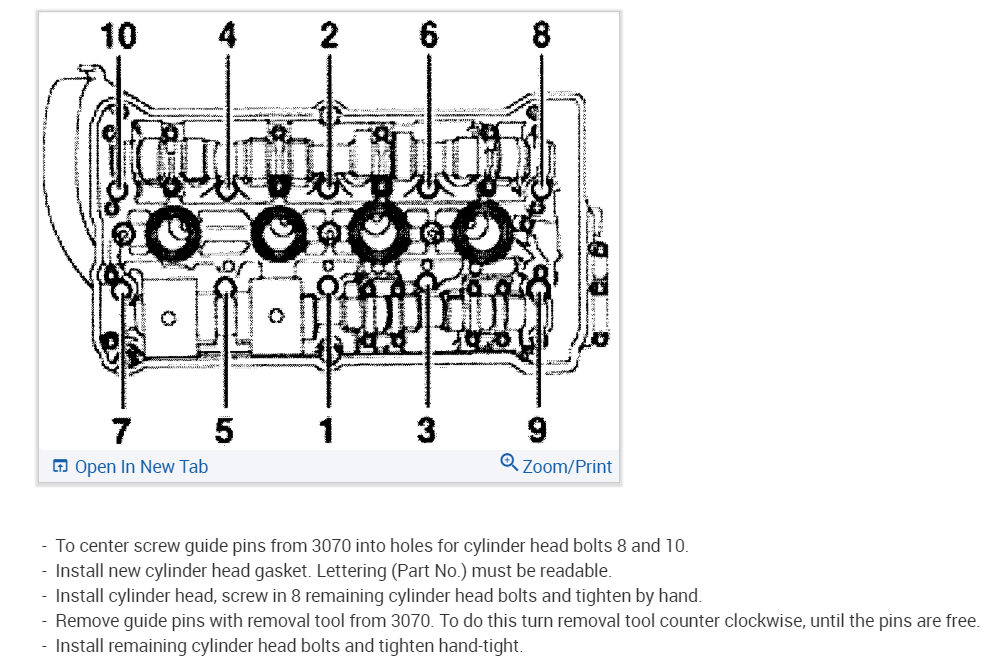
- To centralize, screw guide pins from 3450/2 A into front outer threaded holes for cylinder head bolts.

Note: Part number must be visible.

- Install new cylinder head gasket.
- Install cylinder head, screw in 8 remaining cylinder head bolts and tighten by hand.
- Remove guide pins through bolt holes with removal from 3450/3. To do this turn removal tool counter-clockwise, until pins are free.
- Install remaining cylinder head bolts and tighten hand-tight.
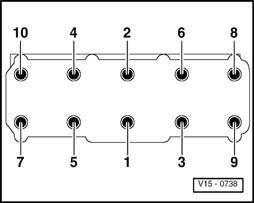
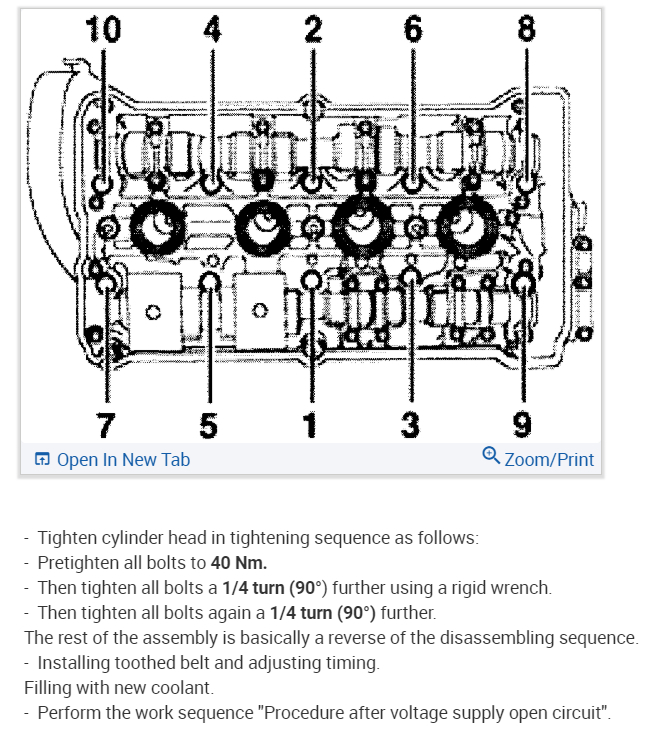
- Tighten cylinder head in tightening sequence as follow:
- Pretighten all bolts to 40 Nm.
- Then tighten all bolts 1/4 turn (90°) using a rigid wrench.
- Then tighten all bolts again another 1/4 turn (90°).
Further assembly is the reverse of the disassembling procedure.

Note: When turning the camshaft the crankshaft must not be at TDC. Danger of damage to valves/piston crown.

- Install cylinder head cover.
Tightening torque: 10 Nm
- Install toothed belt and set timing.
- Install poly V-belt tensioning element.
Tightening torque: 25 Nm
- Install poly V-belt.
- Install front exhaust pipe with catalyst to exhaust manifold.

Note: Reinstall wiring/lines to their original positions.

- Fill with new coolant.
- Connect battery Ground (GND) strap.

Vehicles with throttle (accelerator) cable
- Adjust throttle cable.

Continued for all models
- Adapt engine control module to throttle valve control module.
- Test drive vehicle and read Diagnostic Trouble Code (DTC) memory.
- If DTC memory was erased or engine control module has been disconnected from permanent positive supply, regenerate readiness code.

Engine code BBW

Special tools and equipment
^ V.A.G 1306 Drip tray
^ V.A.G 1332 Torque wrench (40 to 200 Nm)
^ VAS 5024 Spring-type clip pliers
^ 3450/2A Guide pins
^ 3450/3 Puller
^ 3452 Key (for polydrive cylinder head bolts)

Removing

CAUTION! When performing repair work, especially due to the confined conditions in the engine compartment, pay attention to the following:
^ Route all types of lines (e.g. for fuel, hydraulics, EVAP system, coolant, refrigerant, brake fluid and vacuum) as well as electrical wiring so that the original positions are restored.
^ Ensure sufficient clearance to all moving or hot components.

Note: During this procedure the battery Ground strap must be disconnected. Therefore, please check whether a coded radio is installed. Obtain the radio code first if necessary.

- With ignition switched off disconnect battery Ground (GND) strap.
- Remove engine cover.
- Drain coolant.
- Remove right side sound insulation.

WARNING! The fuel system is under pressure! Before opening the system place a cloth around the connection. Then release the pressure by carefully loosening the connection.
- Disconnect fuel supply line (at connection -1-. To do this slide securing ring -2- in union -3-.
- Seal lines to avoid contamination of fuel system.
- Remove intake manifold upper part.

Note: Seal the intake ports in the intake manifold lower part with a clean cloth.

- Remove connections with coolant hoses.
- Disconnect coolant hose from cylinder head.
- Remove intake and pressure lines for secondary air pump motor.
- Disconnect these connections:
^ Camshaft variable timing adjustment valve.
^ For Secondary Air Injection (AIR) Pump Motor -V101-.
^ For injectors -N30-, -N31-, -N32-, -N33-, (unclip cable guide).
^ Camshaft position (CMP) sensor -G40-
^ Knock Sensor (KS) 1 -G61-
^ for Spark plugs (using T10112)
- Remove bracket with secondary air pump motor.
- Disconnect all necessary electrical wiring of cylinder head and move aside.
- Disconnect front exhaust pipe with catalytic converter.
- Disconnect connector for Heated Oxygen Sensor (H2OS).
- Take off poly V-belt.
- Remove poly V-belt tensioning element.
- Remove bracket from poly V-belt tensioning element.
- Remove toothed belt guard upper part.
- Remove cylinder head cover.

- Turn crankshaft until camshaft is positioned at TDC No. 1 cylinder.
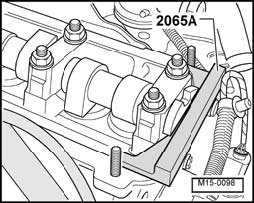
It should be possible to move setting bar 2065 A in camshaft groove.
- Remove tool.
- Loosen tensioning roller and remove toothed belt from camshaft pulley.
- Turn crankshaft back slightly.
- Remove upper bolt from rear toothed belt guard.
- Loosen socket head bolts in sequence given and then remove.

Note: Use key 3452 for polydrive cylinder head bolts.

- Carefully lift cylinder head off.

Installing

Note:
^ There must be no oil or coolant in the cylinder head bolt pockets in the cylinder head.
^ Do not remove new cylinder head gasket from its packing until immediately before installing.
^ Handle new gasket with extreme care. Damage will cause leakage.

- Place clean cloths in cylinders so that no dirt or emery cloth particles can get in between cylinder wall and piston.
- Also prevent dirt and emery cloth particles from getting into coolant.
- Carefully clean sealing surfaces of cylinder head and cylinder block. Ensure thereby that surfaces are not scored or scratched (if abrasive paper is used, grade must not be less than 100)
- Carefully remove metal particles, emery residue and cloths.
- If crankshaft has been turned: Set No. 1 cylinder piston to top dead center and then return crankshaft back slightly.
- To centralize, screw guide pins from 3450/2 A into front outer threaded holes for cylinder head bolts.
- Install new cylinder head gasket.
- Install cylinder head, screw in 8 remaining cylinder head bolts and tighten by hand.
- Remove guide pins through bolt holes with removal from 3450/3. To do this turn removal tool counter-clockwise, until pins are free.
- Install remaining cylinder head bolts and tighten hand-tight.
- Tighten cylinder head in tightening sequence as follow:
- Pretighten all bolts to 40 Nm.
- Then tighten all bolts 1/4 turn (90°) using a wrench.
- Then tighten all bolts again another 1/4 turn (90°).

Further assembly is reverse of the disassembling procedure.

Note: When turning the camshaft the crankshaft must not be at TDC. Danger of damage to valves/piston crown.

- Install toothed belt and set timing.
- Install poly V-belt tensioning element.
- Tightening torque: 25 Nm
- Install poly V-belt.
- Fill with new coolant.
- Connect battery Ground (GND) strap.
- Adapt engine control module to throttle valve control module.
- Test drive vehicle and read Diagnostic Trouble Code (DTC) memory.
- If DTC memory was erased or engine control module has been disconnected from permanent positive supply, regenerate readiness code.

__________________________________________________________________

If you don't mind, let me know the results and what you find. I wish I was able to help more.

Take care,
Joe
Oct 28, 2018 at 7:11 PM
Avatar
MARKRACER
  • MEMBER
  • 19 POSTS
Hello, and thank you for all that information regarding removal of cylinder head, my engine is BCB.
Just to add, there is no smoke of any kind or color coming from the engine or exhaust, When I get the head off what should I look for? Movement in pistons? Head gasket break between cylinders, I suppose if it is the compression difference in cylinder three I know sort of what to look for, but to be honest, I have never removed a cylinder head from an engine that has so many parts to remove, my worst hurdle is removing the timing/cam belt, and leaving it in the right position with number one cylinder at TDC
Once again thanks for all the information, it is greatly appreciated, and if you could send me instructions that are step by step removing the cam belt and auxiliary belt etc., that would be much appreciated.

Regards,

Mark
Oct 29, 2018 at 7:03 AM
Avatar
JACOBANDNICKOLAS
  • CERTIFIED EXPERT
  • 110,175 POSTS
Happy to help. As far as removal and inspection, we already know there is an issue with the compression rings because whey you put oil in the cylinder, there was a somewhat substantial change in compression. Other than that, check for indications of leaks on the cylinder head gasket. It does not have to be one into coolant. It could be leaking out the side of the head. Finally, inspect the valves. Most commonly, a burnt valve is likely to be an exhaust valve, but the intake can also be damaged. Look for burnt spots, cracks, chipping on the valve face. If you look online, you will find many pictures of what one looks like.

It is not an easy job to remove the head on one of these. The timing belt is a pain!

Let me know if you have other questions.

Joe
Oct 29, 2018 at 5:17 PM
Avatar
MARKRACER
  • MEMBER
  • 19 POSTS
Hello Joe, thanks for getting back to me, is it that difficult to set the timing belt before removing the vehicle NG the head?
I will check all what you have told me when I get head off.
We agree that cylinder three has lower compression than the other cylinders, and your right in saying it is a compression ring/s, now that throws in another problem, the only way I can think of replacing them is to remove the sump, undo the con rod bolts and push the piston up. I am now entering a engine builders domain, like will I need to change the rings? If I have to there is a right way they go on the piston, I think, any information on these issues will be greatly appreciated, and sorry to keep bothering you with all these questions.

Regards,

Mark
Oct 29, 2018 at 6:51 PM
Avatar
JACOBANDNICKOLAS
  • CERTIFIED EXPERT
  • 110,175 POSTS
Hi:
Yes, they need to be installed a specific way. I will provide all the directions for you when we get to that point. Lets make sure there is nothing major with the cylinder head first.

Once you get to that point, let me know. Relax, you will be fine.

Joe
Oct 29, 2018 at 9:02 PM
Avatar
MARKRACER
  • MEMBER
  • 19 POSTS
Hello Joe, I will let you know when I get to that. Thanks

Regards,

Mark
Oct 30, 2018 at 11:11 AM
Avatar
JACOBANDNICKOLAS
  • CERTIFIED EXPERT
  • 110,175 POSTS
No problem. Take your time and you will be fine.

I will watch for your reply as you progress.

Take care,
Joe
Oct 30, 2018 at 5:38 PM
Avatar
MARKRACER
  • MEMBER
  • 19 POSTS
Hello Joe, going to start this weekend, will keep you updated, thanks
Regards,
Mark
Oct 30, 2018 at 5:48 PM
Avatar
STRAILER
  • CERTIFIED EXPERT
  • 53,854 POSTS
Please let us know what you find. We are interested to see what it is.

Cheers, Ken
Nov 2, 2018 at 3:54 PM
Avatar
MARKRACER
  • MEMBER
  • 19 POSTS
Hello Ken, will do, it is a daunting task but got to get my baby back on the road.

Regards,

Mark
Nov 3, 2018 at 9:15 AM
Avatar
MARKRACER
  • MEMBER
  • 19 POSTS
Hello Ken, could you tell me if removing the cylinder head on BCB type engine is the same as the other types?

Regards,

Mark
Nov 17, 2018 at 12:45 PM
Avatar
STRAILER
  • CERTIFIED EXPERT
  • 53,854 POSTS
Can be much difference here are the diagrams and instructions to help you get the job done. Check out the diagrams (below). Let us know what happens and please upload pictures or videos of the problem. Cheers, Ken

Nov 19, 2018 at 11:17 AM
Avatar
MARKRACER
  • MEMBER
  • 19 POSTS
Hello Ken, thanks for getting back to me. I will upload pictures, videos as I progress. I appreciate all your advice and help.

Regards,

Mark
Nov 19, 2018 at 12:21 PM
Avatar
STRAILER
  • CERTIFIED EXPERT
  • 53,854 POSTS
Sounds good.
Nov 20, 2018 at 9:25 AM
Avatar
MARKRACER
  • MEMBER
  • 19 POSTS
Hello Ken, within the next few days i will start to remove my cylinder head, (I will keep you posted) i wanted to ask your advice on a mechanical matter.
I am a retired mechanical engineer and cars have always been my thing, I do not get on well with management systems, sensors etc, I like naturally aspirated engines, that said I love my mk4 Golf, so is it possible to ditch the fuel rail etc and replace it all with carburetors?
i have read in VW Golf magazine that a chap has done just that but does not explain how, have you any knowledge and advice regarding this?

Thanks.

Regards,

Mark
Nov 20, 2018 at 5:08 PM
Avatar
JACOBANDNICKOLAS
  • CERTIFIED EXPERT
  • 110,175 POSTS
Hi Mark,

Honestly, anything is possible. However, it is not as simple as removing the intake and replacing it with a different one and a carburetor. Everything on this vehicle relies on sensors and computers. To do something as you mentioned would require finding an old style set up and changing everything. The computer on your vehicle, to the best of my knowledge, would be unusable other than for spark. Keep in mind, coolant temperature sensors, oxygen sensors, just about anything you can think of, depend on the computer to properly operate. The fuel pump will be providing too much pressure, so that needs modified. The vacuum harness would need modified, and the wiring would need to be modified. With a carburetor, the computer cannot adjust fuel mixture or needed timing adjustments. I am not sure where you live, but this would change the entire emissions system, and the list goes on.

Basically what I am saying is this. It is possible, but to what extent are you willing to go. I have never seen actual directions for doing it, so you will need to gather your thoughts and then start until you get it to work.

Let is know if you have other questions. Also, I want to wish you and your family a Happy Thanksgiving.

Take care,
Joe
Nov 21, 2018 at 1:04 PM
Avatar
MARKRACER
  • MEMBER
  • 19 POSTS
Hello Joe, I live in the UK, and our MOT standards have changed, and are a lot stricter, they were very strict before, everyone in the UK does not look forward to the yearly MOT
So I will shelve that idea and what will be getting on with removing the cylinder head sometime this week
Will keep you posted

Regaurds

Mark
Nov 21, 2018 at 3:29 PM
Avatar
JACOBANDNICKOLAS
  • CERTIFIED EXPERT
  • 110,175 POSTS
Sounds like a plan. Let us know what you find or if you have questions.

Joe
Nov 21, 2018 at 4:31 PM
Avatar
MARKRACER
  • MEMBER
  • 19 POSTS
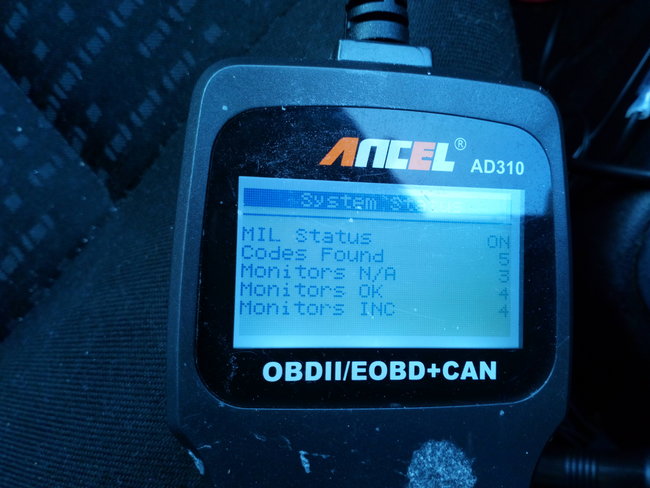
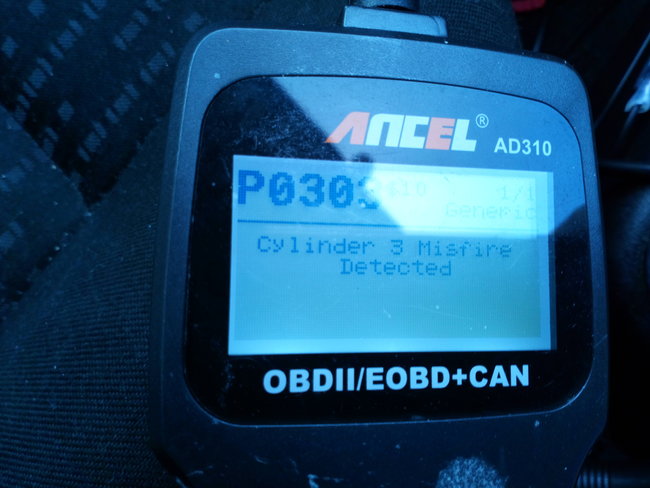
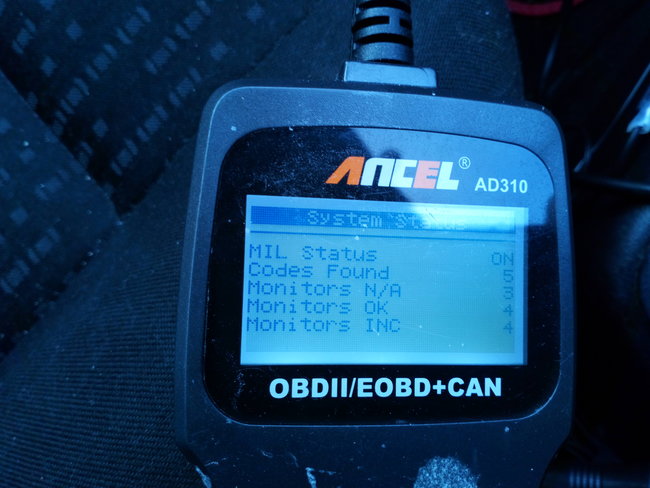
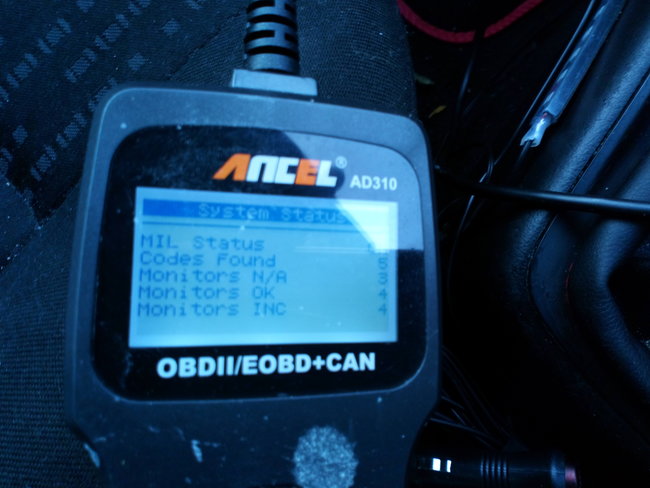
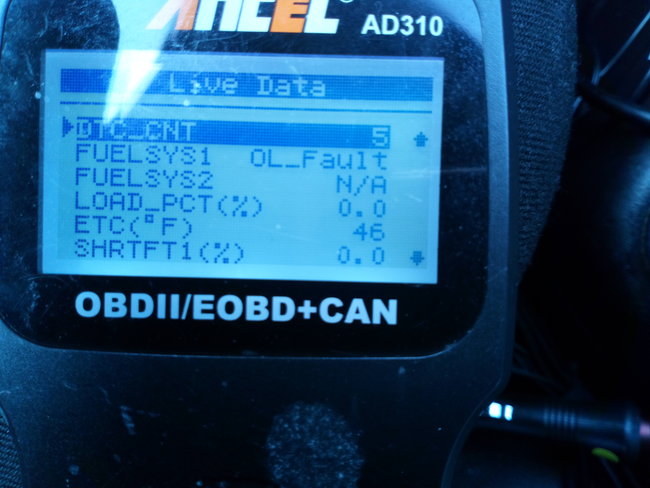
Hello Joe, just thought I would plug my OBD in and I have uploaded the pictures for you, have got more, will keep you posted as now I have carried out that test I will now get on with the cylinder head.

Regaurds

Mark
Nov 25, 2018 at 9:50 AM
Avatar
JACOBANDNICKOLAS
  • CERTIFIED EXPERT
  • 110,175 POSTS
I see there are five codes set. What are the other four? I only see the misfire.

Thanks,
Joe
Nov 25, 2018 at 5:02 PM
Avatar
MARKRACER
  • MEMBER
  • 19 POSTS
Hello Joe, I will write them.
DTC_CNT. 5
FUEL SYSTEM. OL_FAULT
LOAD_PCT (%) 0,0
ETC F%. 46
SHRTFT1 0.0

LONGFT1 0.0
MAP (IRHG). 28.9
IAT (F%). 41

MIL STATAS ON
CODES FOUND. 5
MONITORS. N/A 3
MONITORS OK 4
MONITORS INC 4

EQ_RAT11 0.999
02S11 (CMA). 0.000

TPC (%) 7.5
02S B1S12___B25
02B152 (V). 0.060

Can you make sense of these Joe?

Regards,

Mark
Nov 25, 2018 at 6:22 PM
Avatar
JACOBANDNICKOLAS
  • CERTIFIED EXPERT
  • 110,175 POSTS
Hi Mark:

Honestly, that is the live data information. If you select the codes found, it should then list one at a time.

Joe
Nov 25, 2018 at 10:29 PM
Avatar
MARKRACER
  • MEMBER
  • 19 POSTS
Hello Joe, okay, I will check the codes, I do know the previous owner had diagnostics carried out and I can only remember two of the faults found which were, Misfire cylinder three and something about the fuel actuator,
I cannot get those results now, however my car was fine when I bought it, for about a month or so, no misfire! Then it started as an intermittent fault, as you know it would misfire then you would turn it off and the misfire was gone, Really infuriating, keep you posted.

Regards,

Mark
Nov 26, 2018 at 3:07 PM
Avatar
STRAILER
  • CERTIFIED EXPERT
  • 53,854 POSTS
Please let us know.
Nov 27, 2018 at 10:45 AM
Avatar
MARKRACER
  • MEMBER
  • 19 POSTS
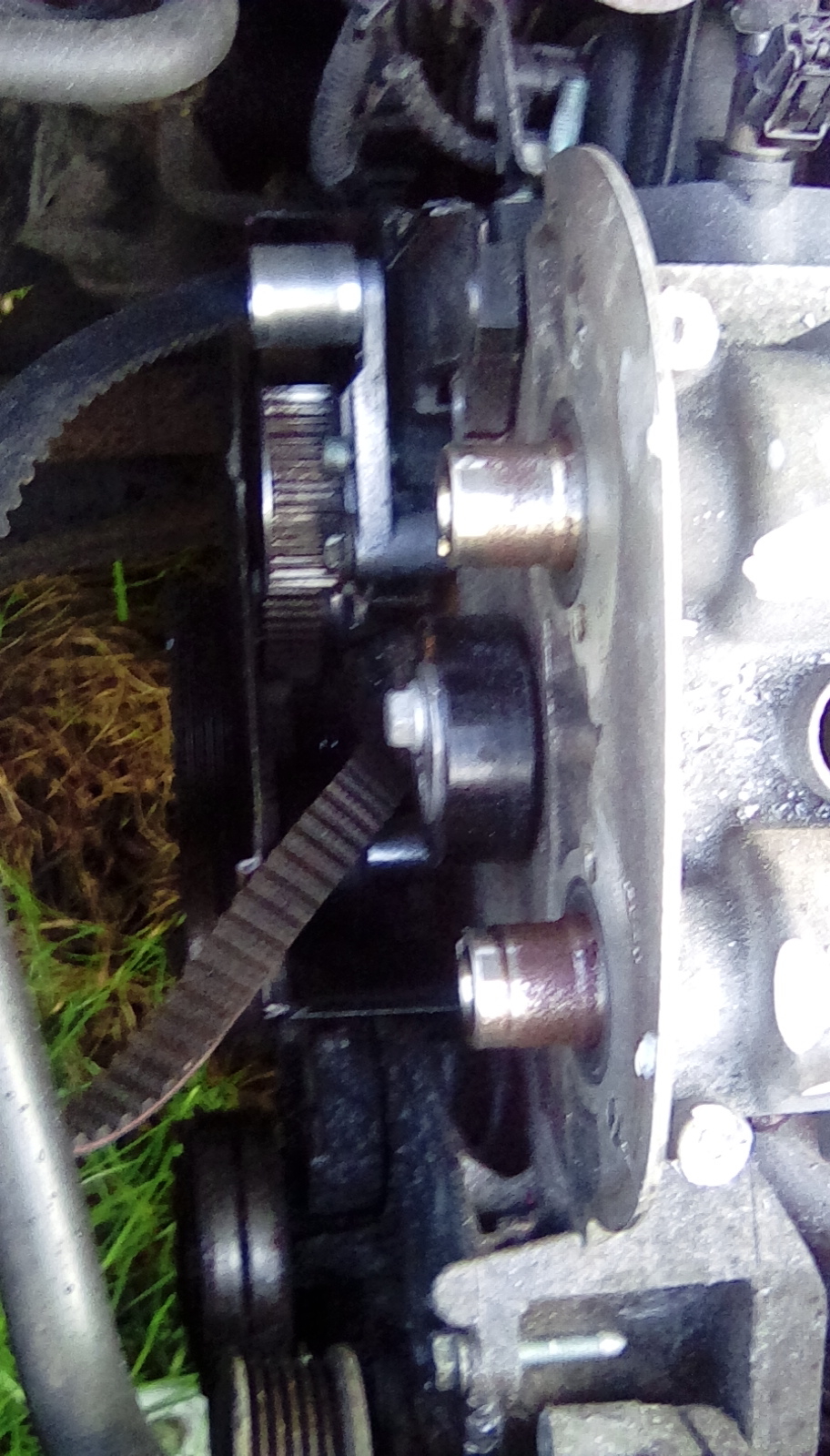
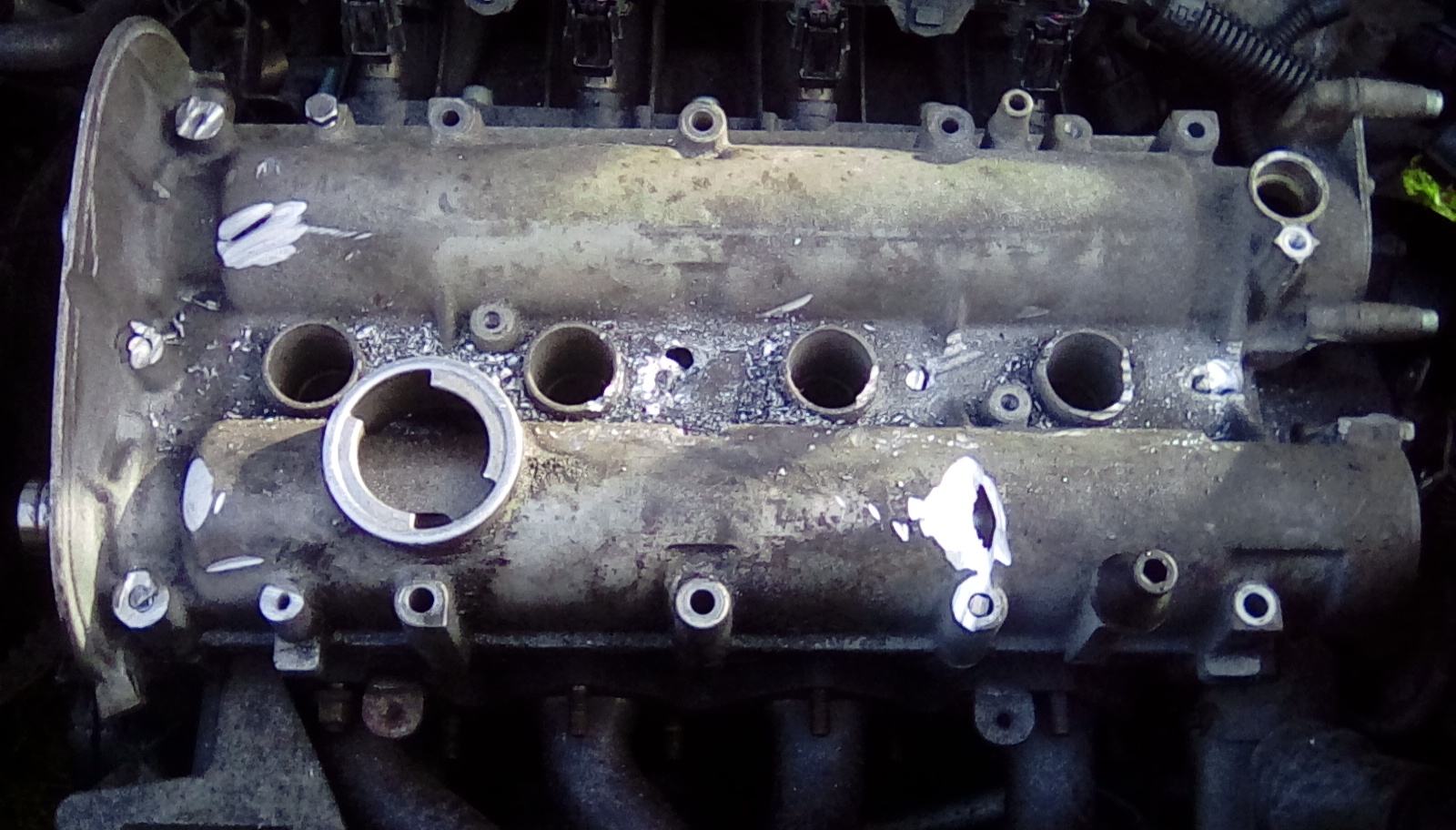
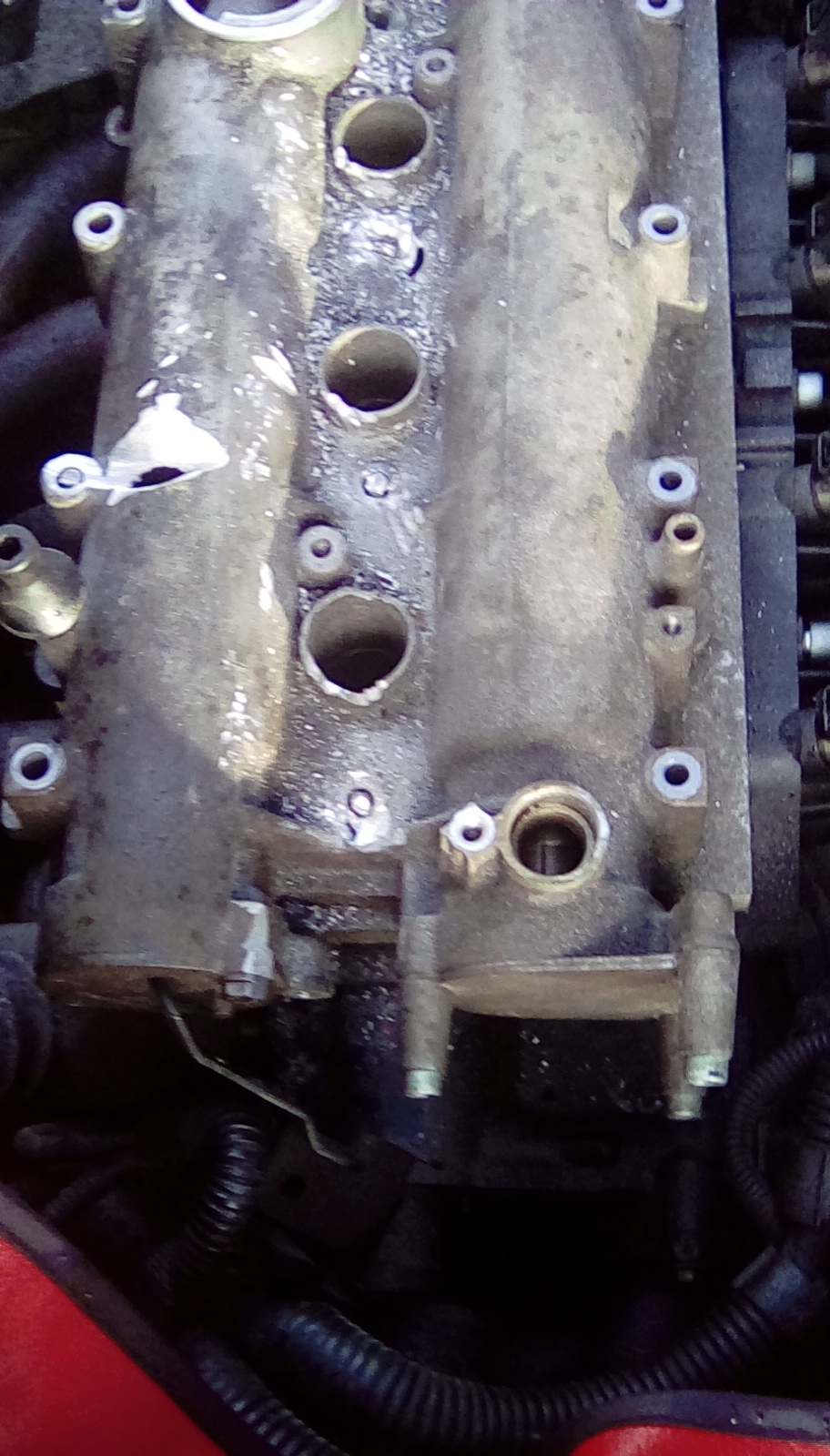
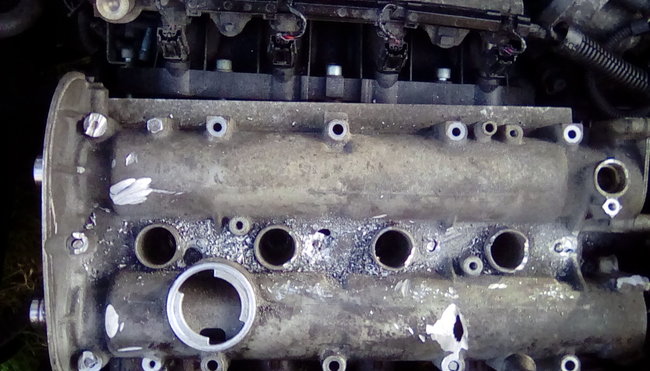
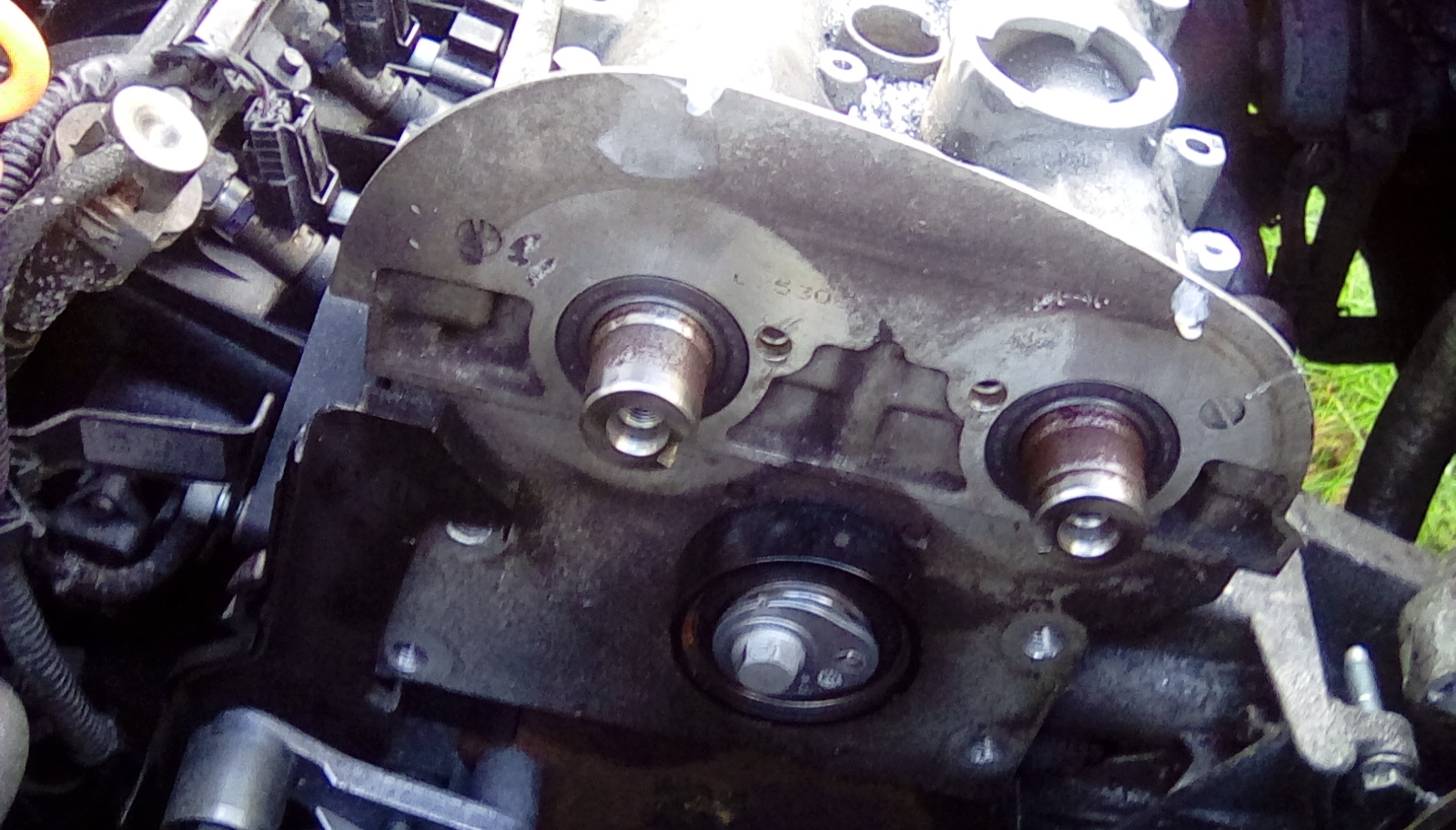
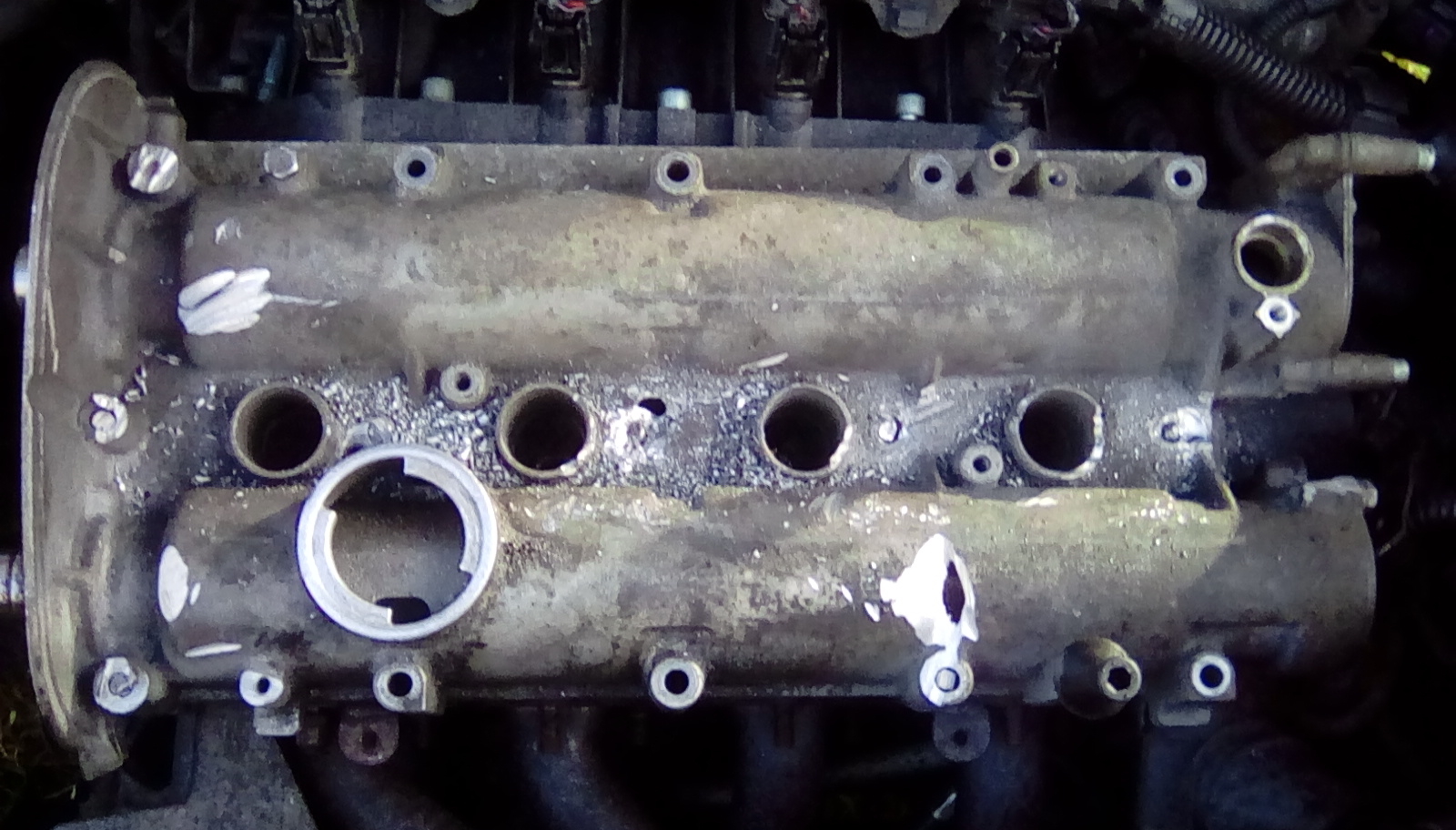
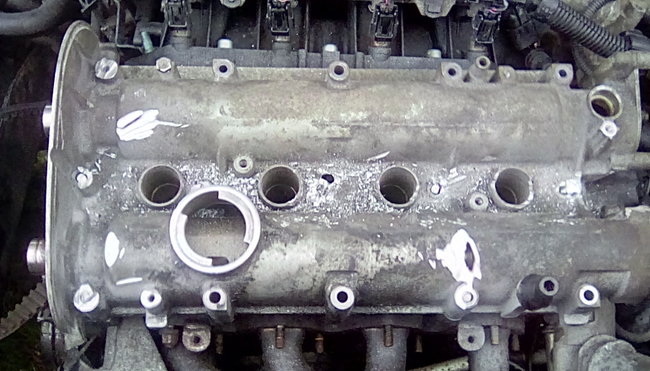
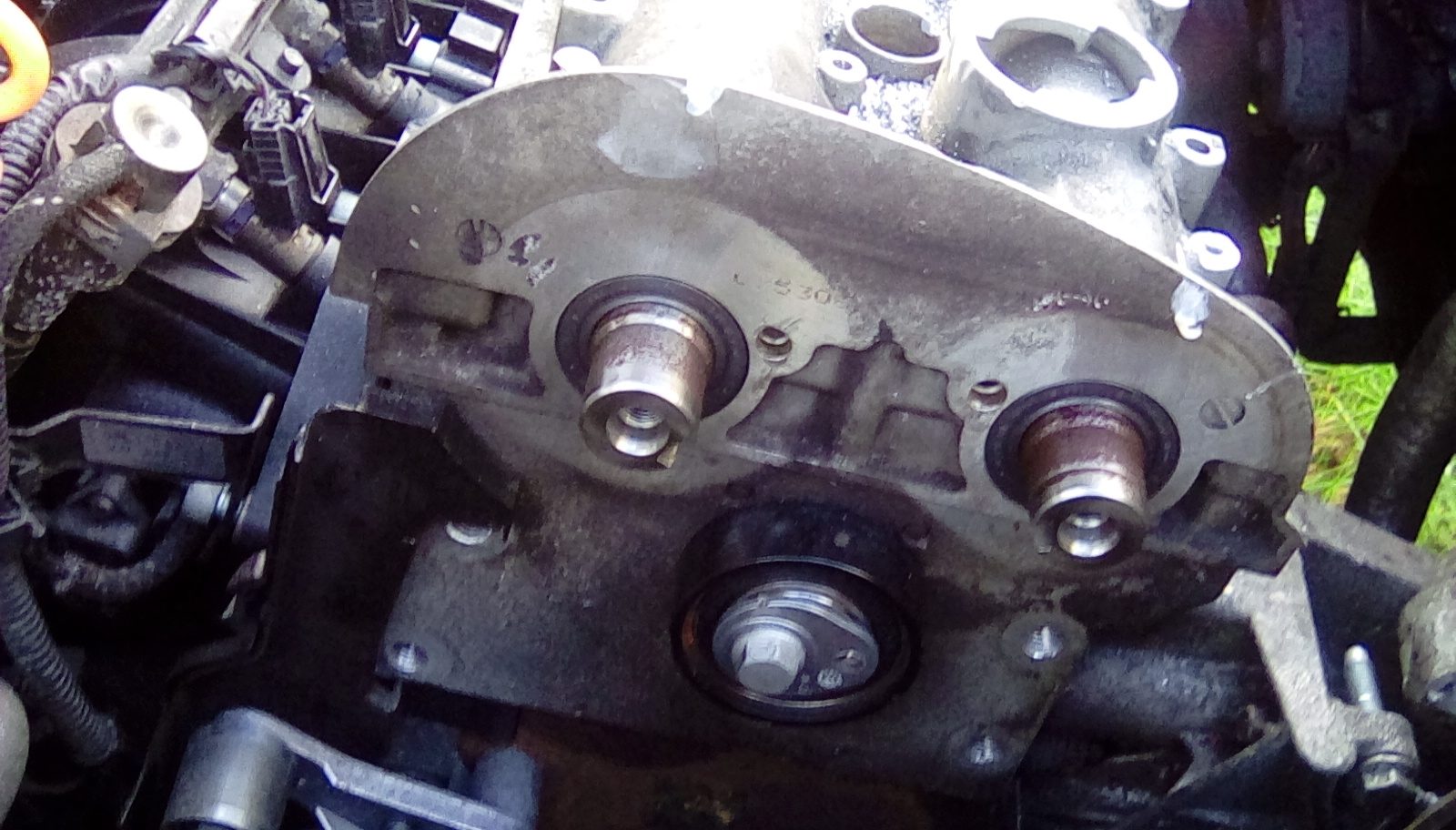
Hello ken, I've just started to disassemble my engine to remove the cylinder head. I've got to the point of removing the camshaft carrier, however, I've taken everything off, removed the Alan bolts but the carrier will not lift off, I can't see anything that's holding it on, any ideas?

Regards

Mark
Feb 9, 2019 at 6:35 PM
Avatar
STRAILER
  • CERTIFIED EXPERT
  • 53,854 POSTS
Can you take some pictures or video and upload it so I can see whats going on?
Feb 9, 2019 at 6:36 PM
Avatar
MARKGOLF
  • MEMBER
  • 3 POSTS
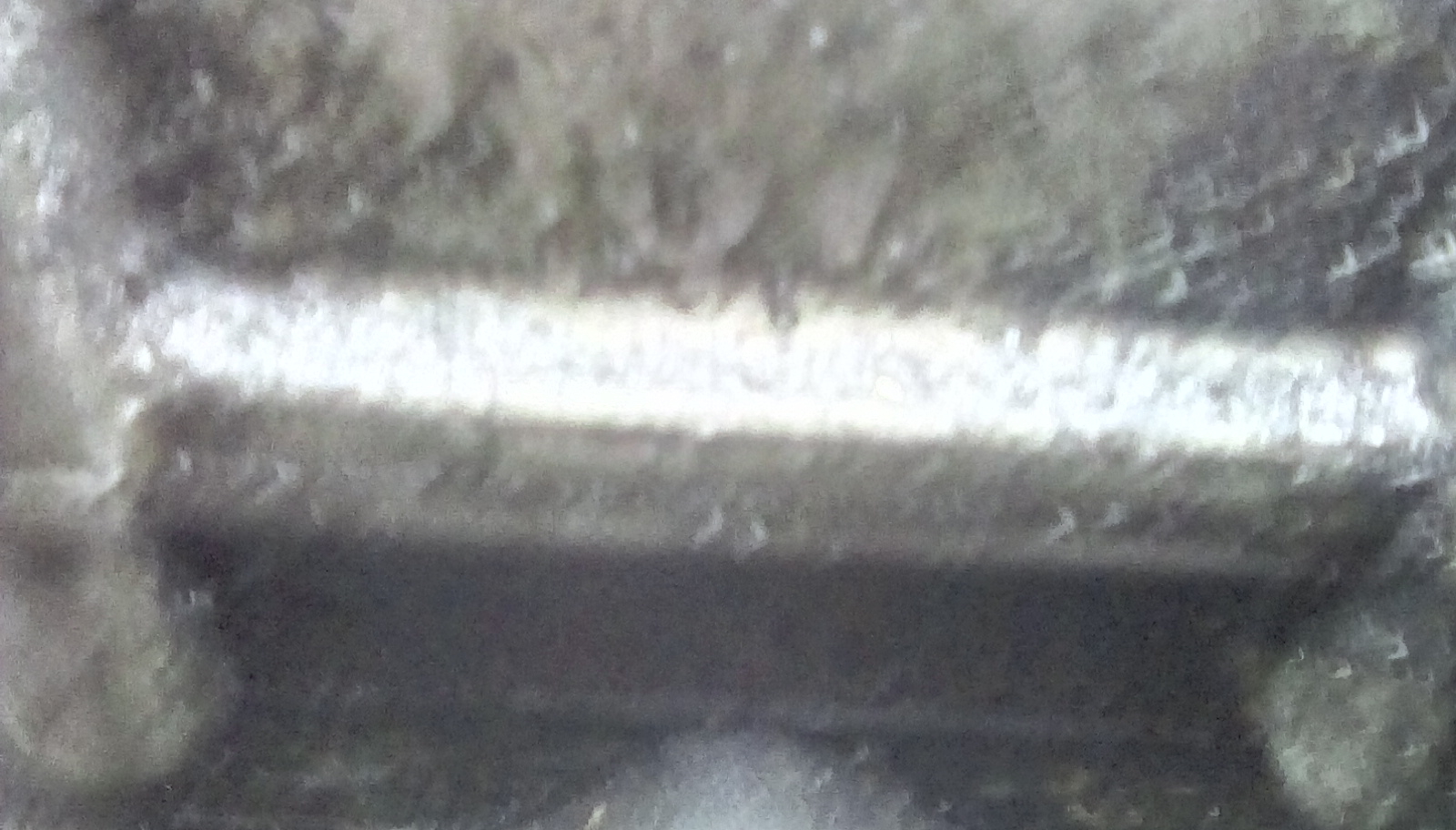
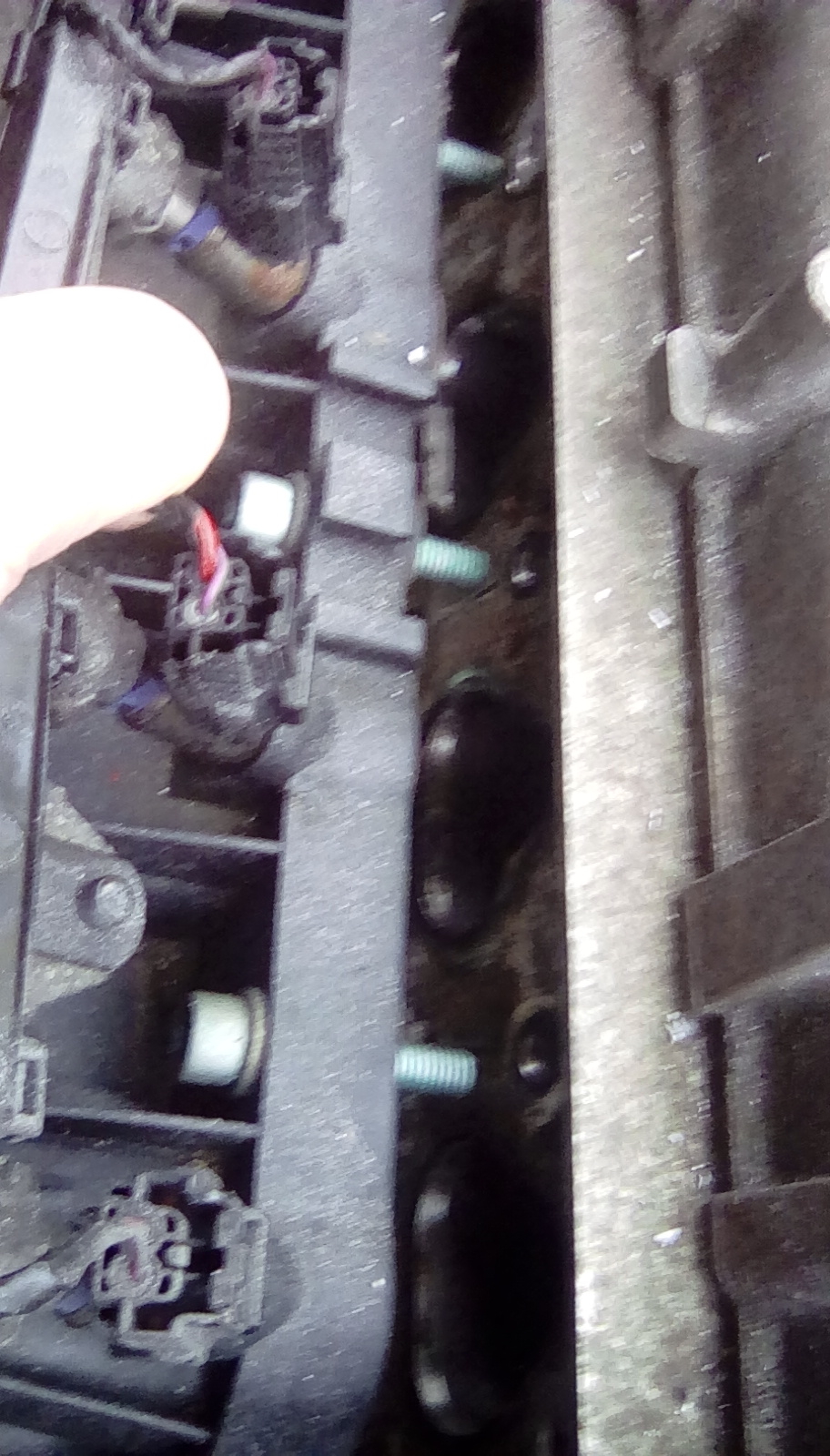
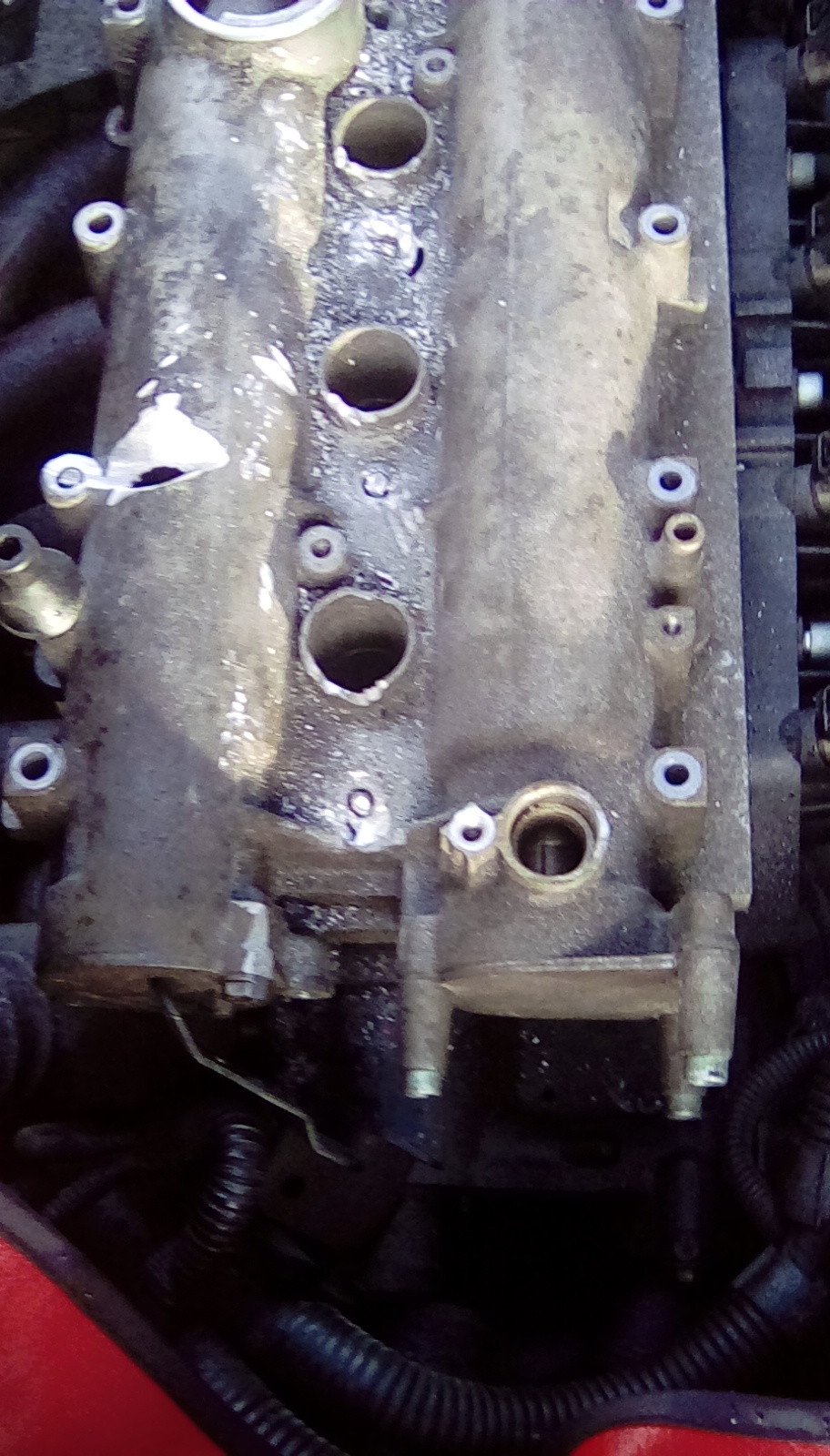
Hello Ken, attached are photos as requested. I have ruined the camshaft carrier trying to get some corroded Allan bolts. anyway as hopefully you can see that I have disconnected and income everything, but the carrier still won't budge. I hope you can help.

Regards,

Mark
Feb 10, 2019 at 10:00 AM
Avatar
STRAILER
  • CERTIFIED EXPERT
  • 53,854 POSTS
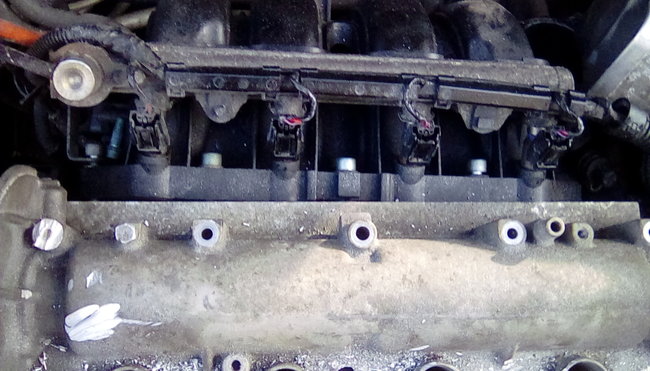
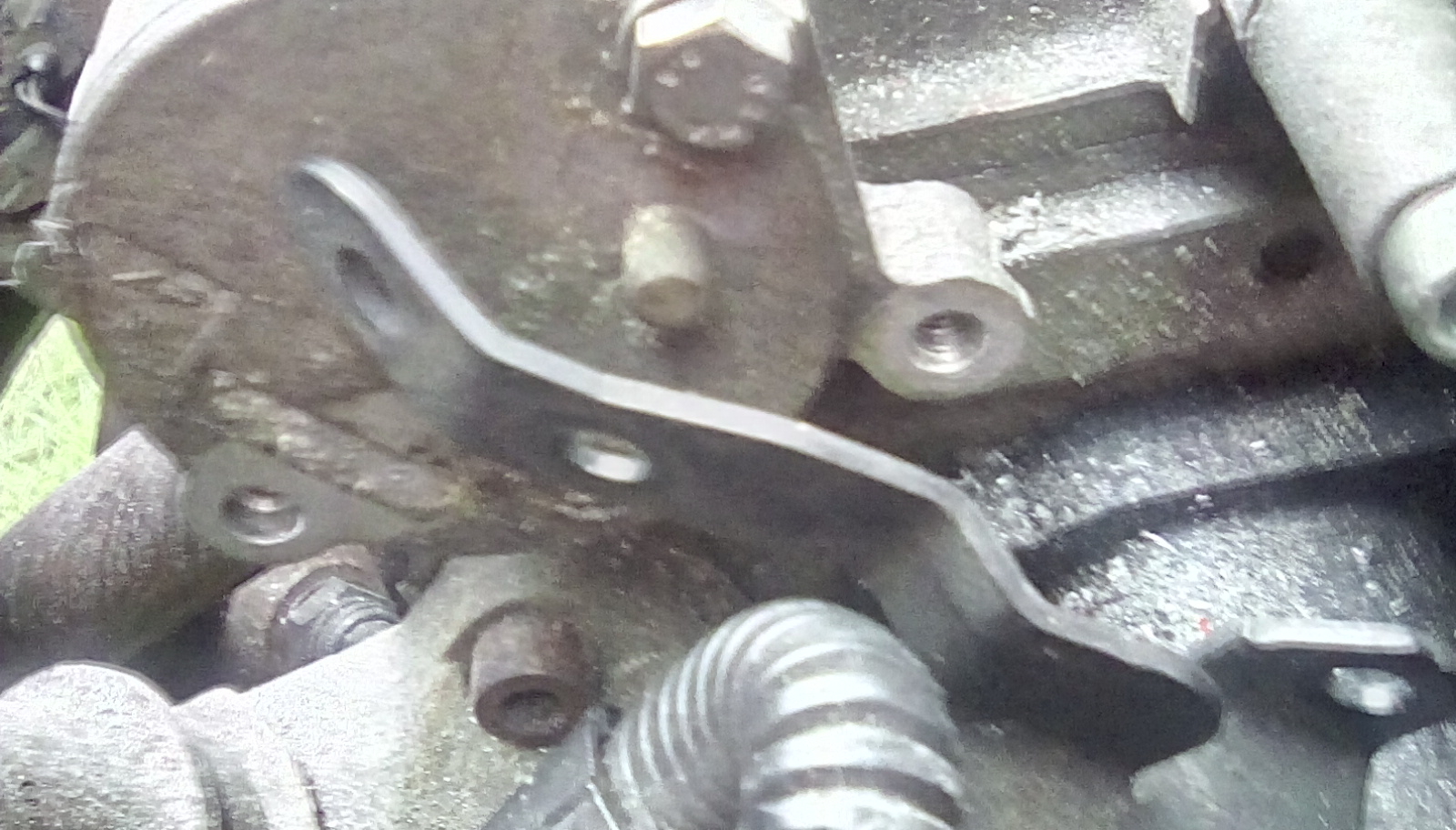
Wow, you do have some broken bolts there. It looks like you got them all, but how about at the rear of the engine can you upload pictures of that?
Feb 10, 2019 at 11:04 AM
Avatar
MARKGOLF
  • MEMBER
  • 3 POSTS
Hello Ken, attached are more photos. I have removed everything including manifolds, so can't see why the carrier won't come off.

Regards,

Mark
Feb 11, 2019 at 7:00 AM
Avatar
STRAILER
  • CERTIFIED EXPERT
  • 53,854 POSTS
Yep it looks like it should come off is lose at all or stuck? Have you tried a pry bar?
Feb 11, 2019 at 10:23 AM