P0733 - Gear 3 Incorrect ratio
P0734 - Gear 4 Incorrect ratio
These codes set when there is excessive slippage in a clutch pack. The transmission computer knows engine speed, (actually input shaft speed), and it knows which gear is activated. The gear ratio of each clutch pack is programmed in. Based on all that information, the computer knows what road speed, (output shaft speed), should be for a given input shaft speed. Those two will not agree when a clutch pack is slipping.
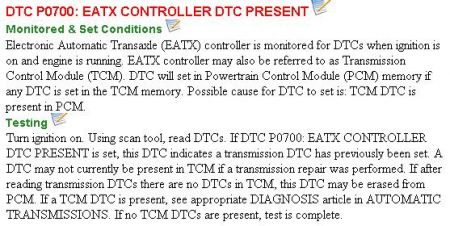
You can get an idea of the cause of the problem by observing when it goes into limp mode. If there is an electrical problem, such as a broken wire or corroded connector terminal, it will go to limp mode the instant you shift to "reverse" or "drive". The check engine light will turn right back on as soon as it completes the six-second bulb test. Code 700 in the engine computer just means there are other codes in the transmission computer.
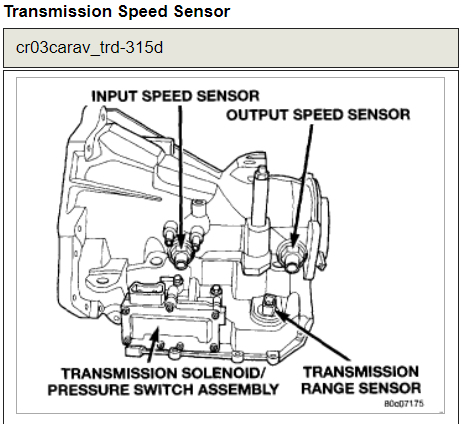
If there is a mechanical problem with a sensor, such as metal filings built up on the tip, or an air gap that's too big, those will prevent it from developing a signal voltage even though electrically, everything is okay. That will not be detected until the computer sees the vehicle is moving. The check engine light will remain off as long as the van is standing still, even if it is in "reverse" or "drive".
If the check engine light is off when you drive off, and it starts out in first gear, everything electrical is working up to this point. When it bangs to second gear, (limp mode), and the check engine light turns on, look for what is taking place at that instant. Most commonly that is an up-shift under light to moderate load. The clutch plates wear a little each time the clutch pack engages. On older vehicles we had a good two years warning that was occurring by the "engine runaway" between shifts. Engine speed jumped up higher than normal while it was waiting for the next clutch to engage. With your design, which was a Chrysler innovation for the 1989 model year, the computer learns how much fluid volume it takes to apply each clutch pack, and it constantly updates those numbers as the wear takes place. To address that engine runaway, it will apply third gear, for example, a little sooner, and wait a little longer before it releases second gear. The result of that overlap is a nice crisp, solid shift, until it cannot update any further. The drawback is you do not get that two-years of warning that a rebuild is in your future. One day it shifts perfectly; the next day it goes to limp mode.
A transmission specialist can tell if I'm right by reading the "clutch volume index", (CVI), on a scanner. That is a set of four numbers representing the volume of fluid it takes to apply each clutch pack. As more and more clutch plate material wears off, more fluid is needed to squeeze the plates together.
You may be able to bypass the problem for a little while by accelerating a little harder than normal to delay an up-shift, then let off the accelerator pedal to let it up-shift under no load. The reduced torque will reduce the chance for the clutch pack to slip. If it does go to limp mode, you must turn the ignition switch off, then restart the engine to get it out of limp mode.
Nov 17, 2017 at 4:48 PM