Code P0328 - Knock sensor?

2005 TOYOTA SIENNA
236,000 MILES • 3.3L • 6 CYL • 2WD • AUTOMATIC
Avatar
RUDYPAK
  • MEMBER
  • 42 POSTS
Engine, VSC and Trac dash lights intermittently would turn on since last year. I took it in to have to a shop to check for codes but they did not find any. The mechanic said to bring it when the dash lights stayed on. Recently the three dash lights have stayed on. When starting from a full stop it would run normal but as it shifted would feel like it went from first to third then fourth. When driving above 40 MPH overdrive does not kick in.I changed both knock sensors and the "y" connector harness to them. I also changed the coil packs and spark plugs. What else could I check out replace? FYI the knock sensors are after market. Should I have replaced with OEM sensors?
May 18, 2021 at 5:07 AM
Advertisement
Avatar
STRAILER
  • CERTIFIED EXPERT
  • 53,854 POSTS
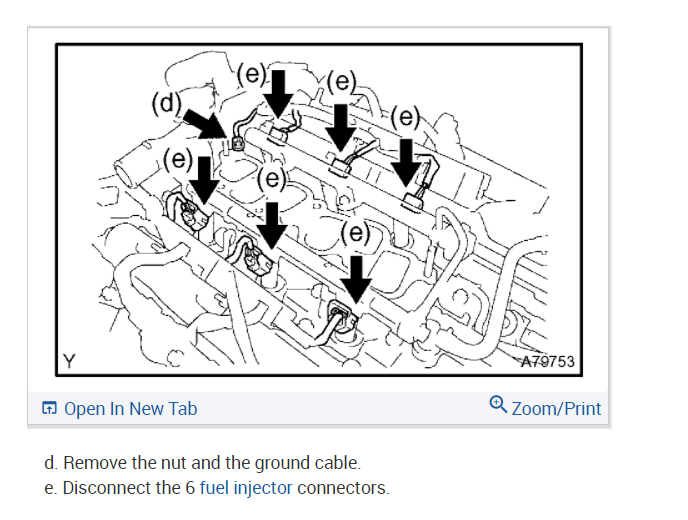
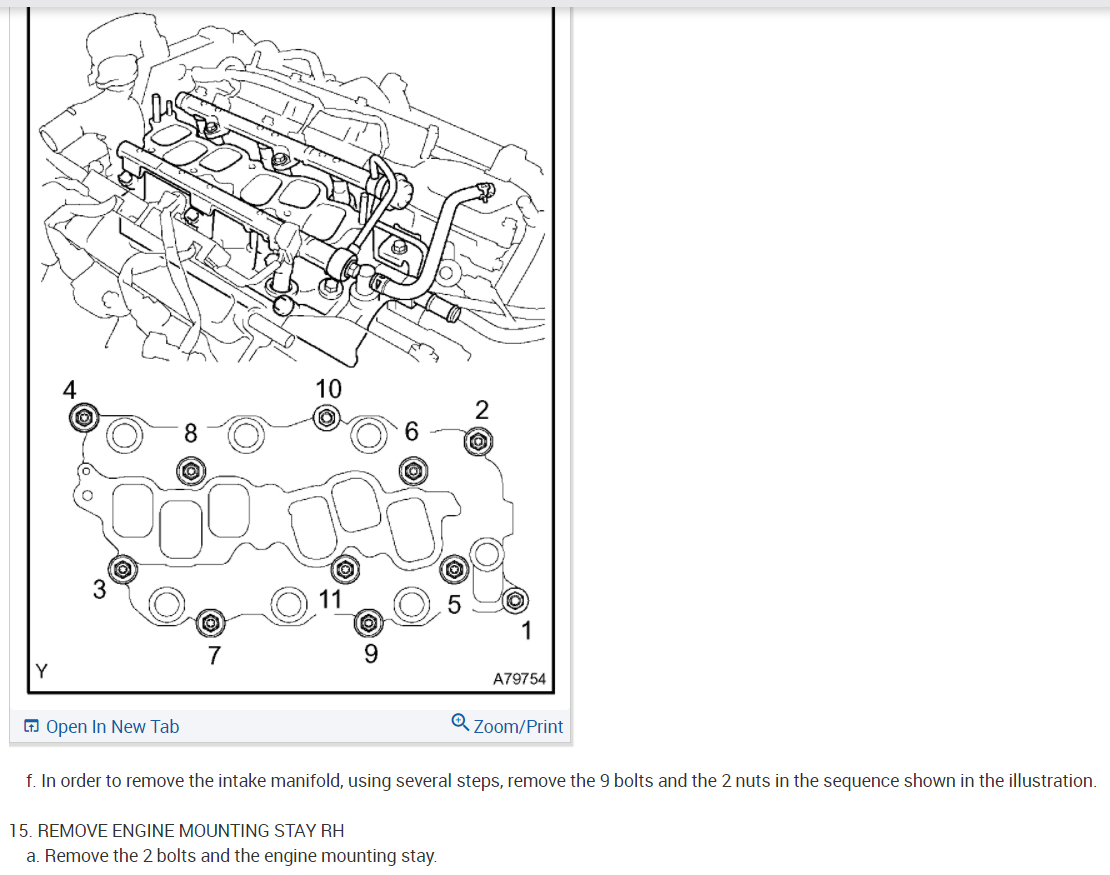
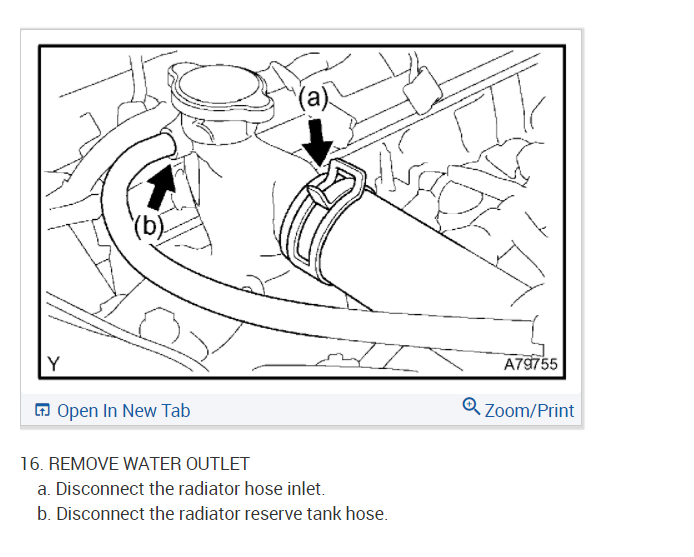
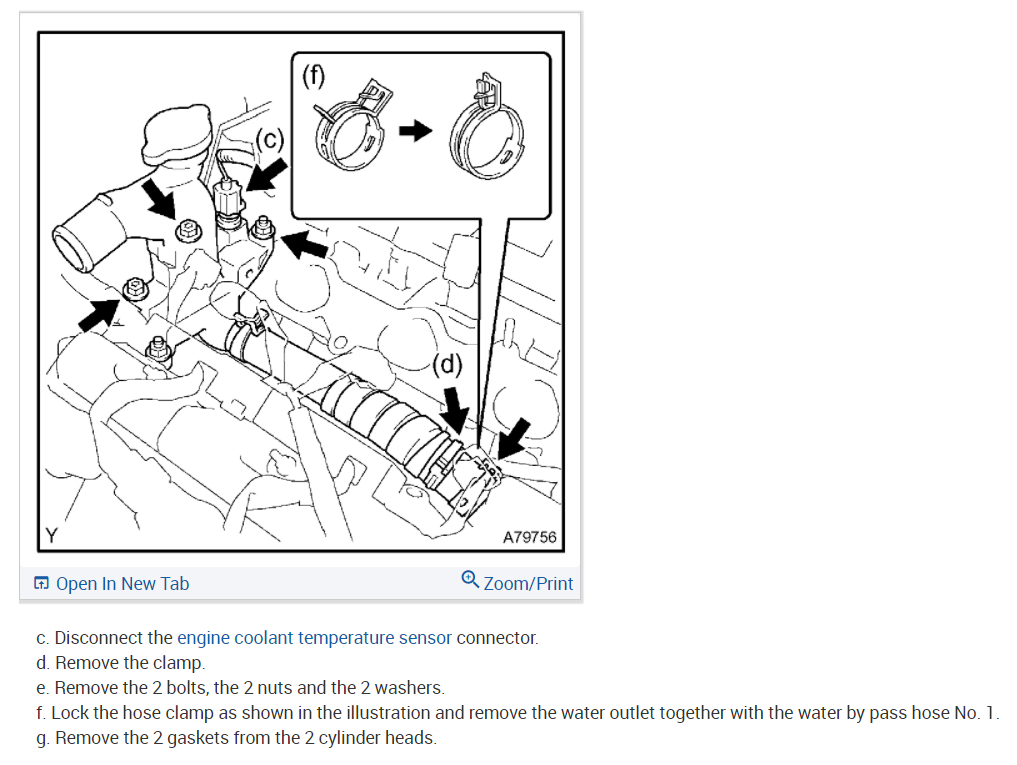
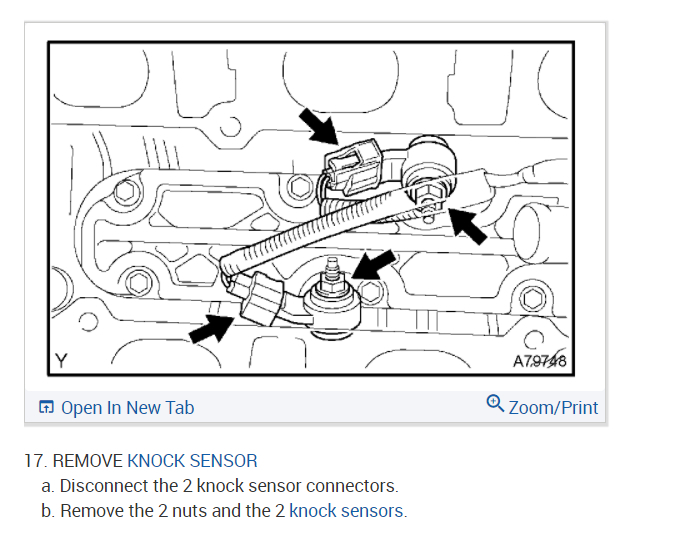
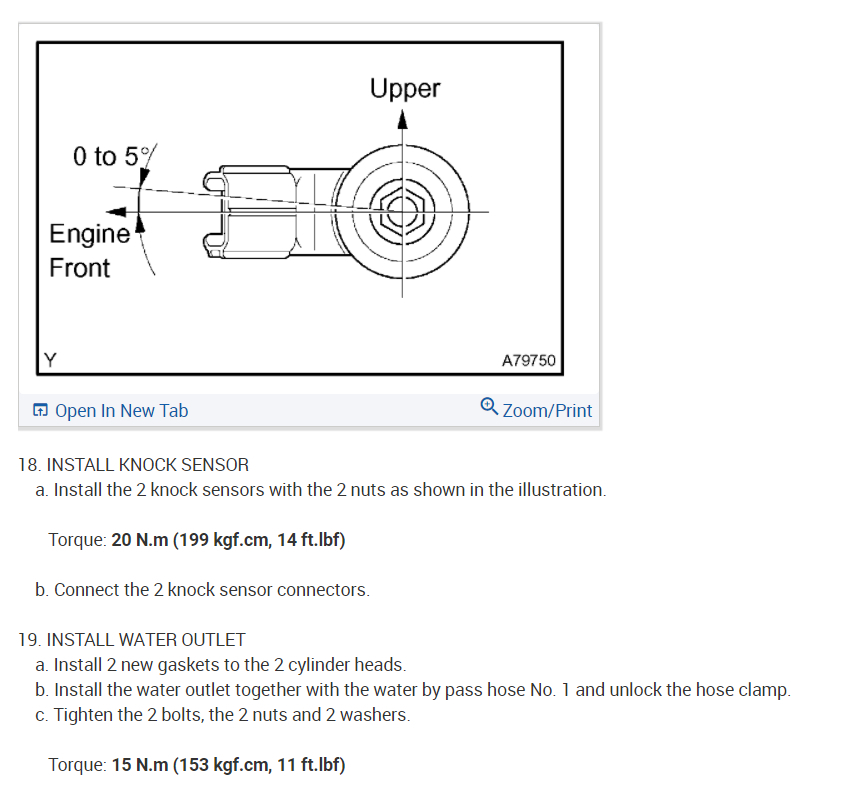
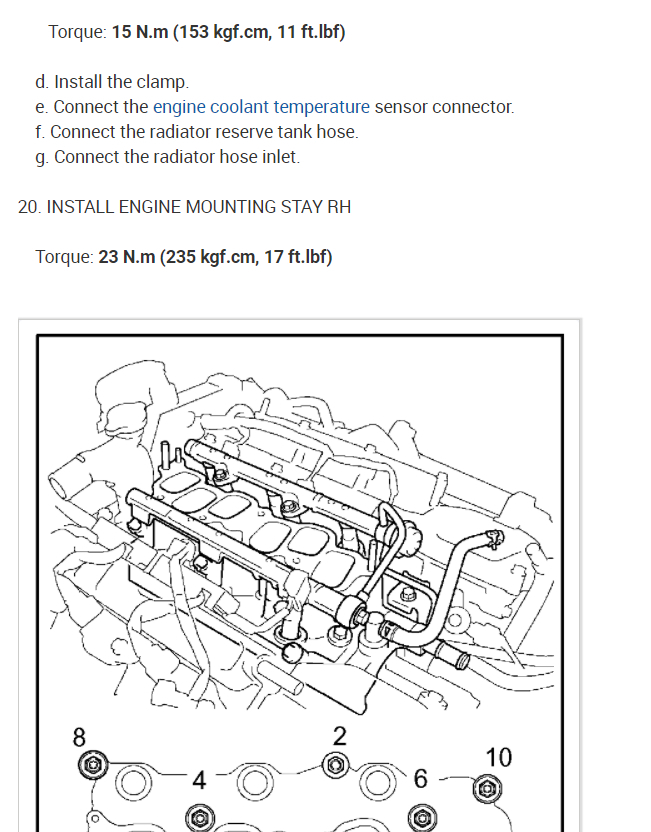
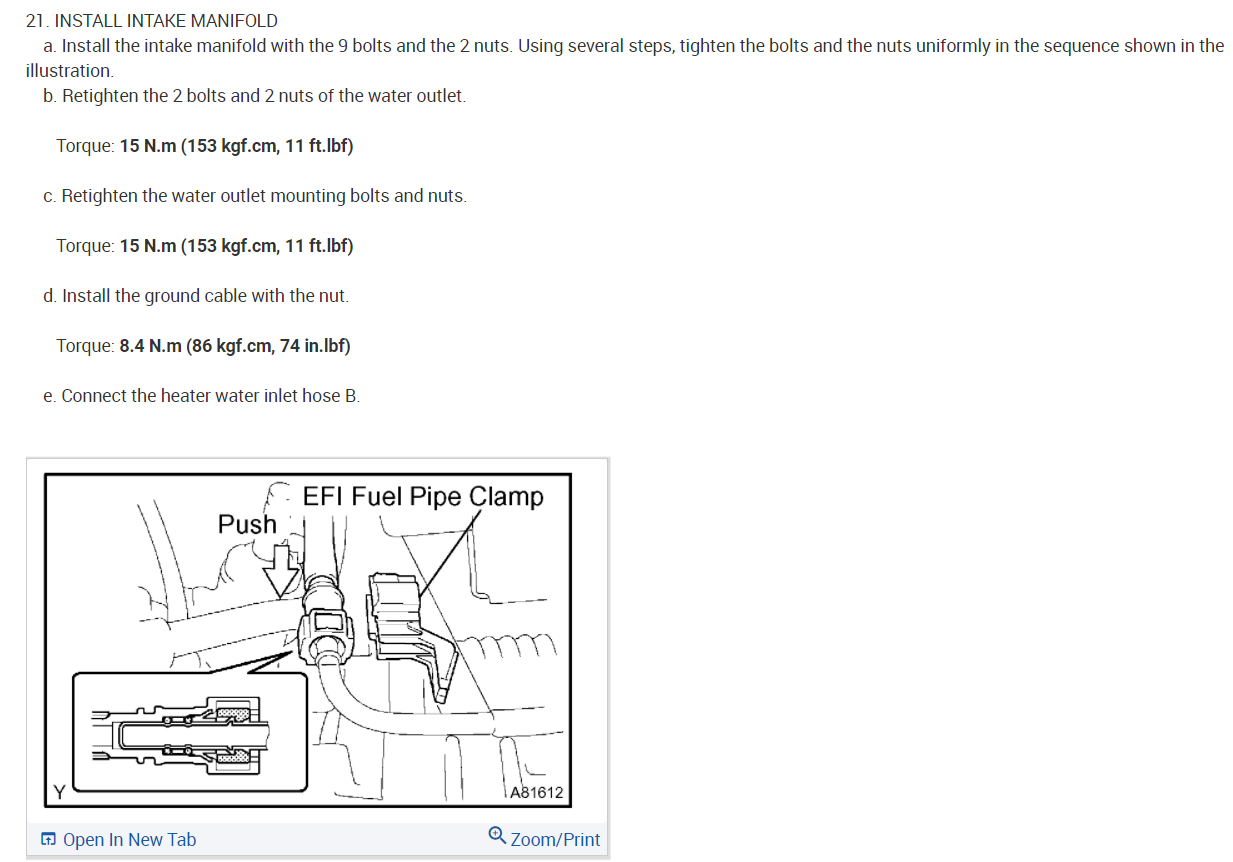
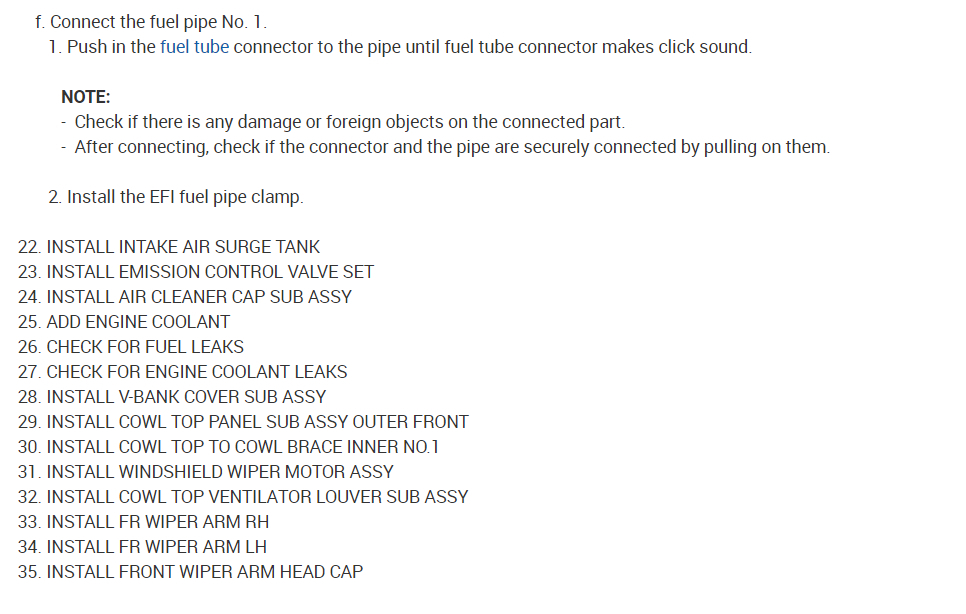
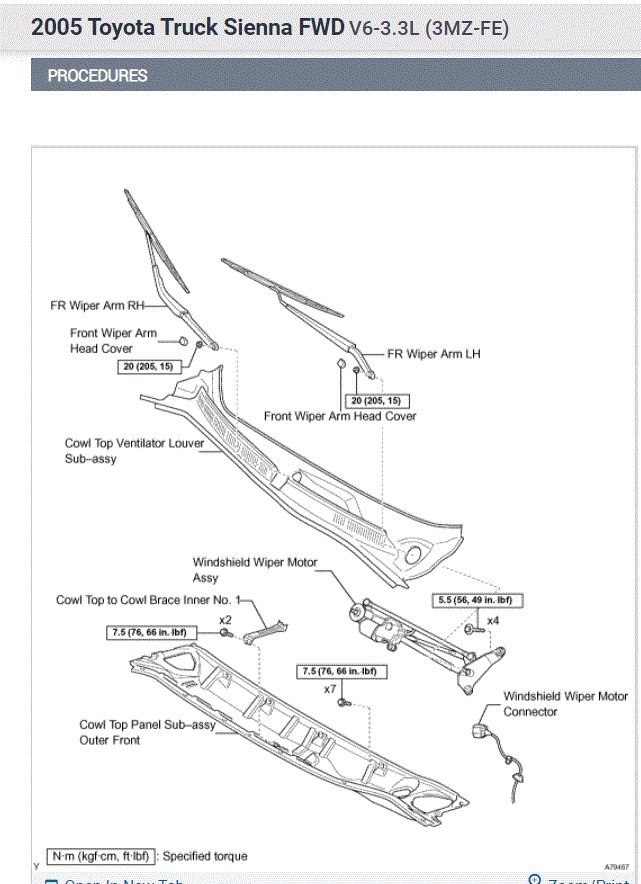
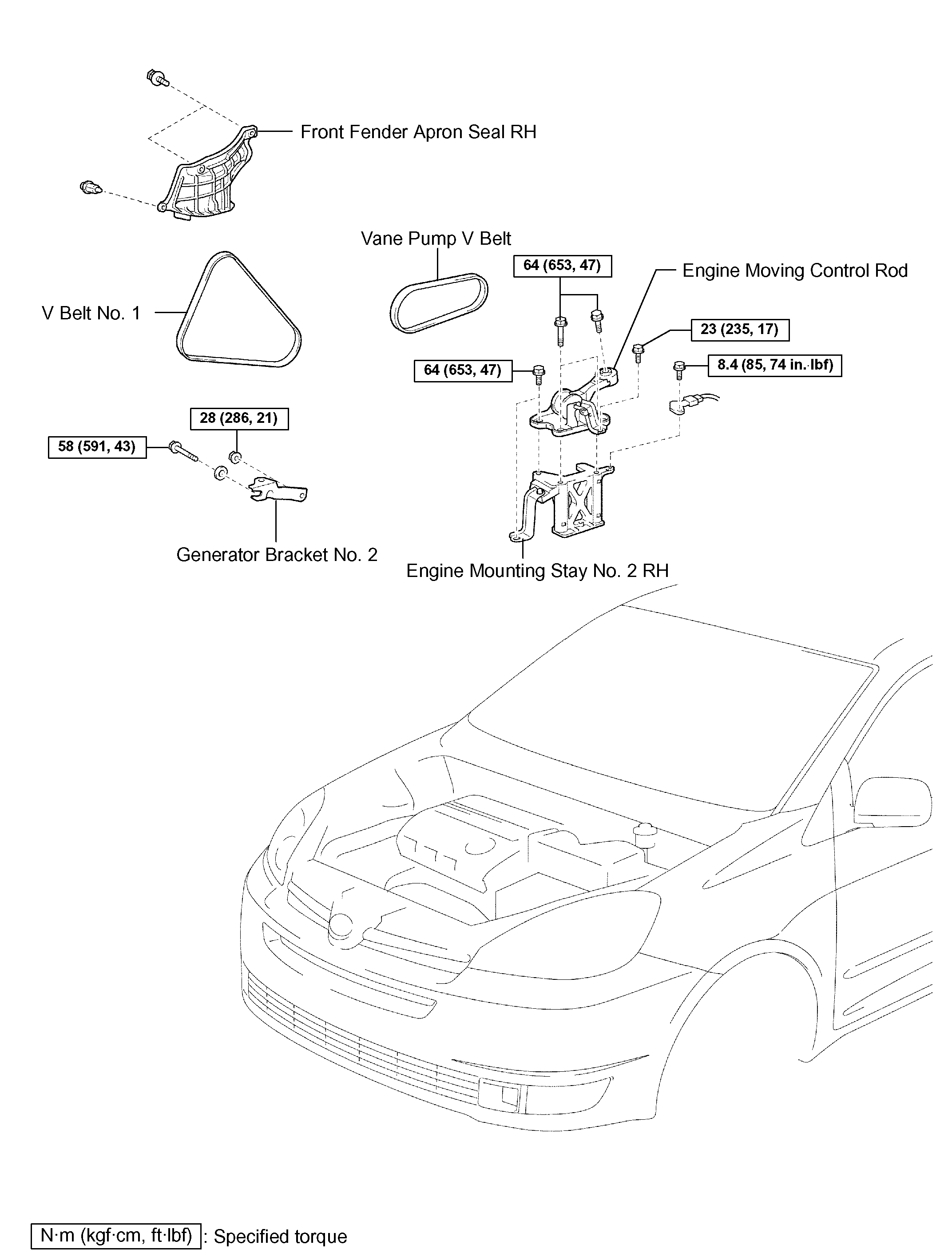
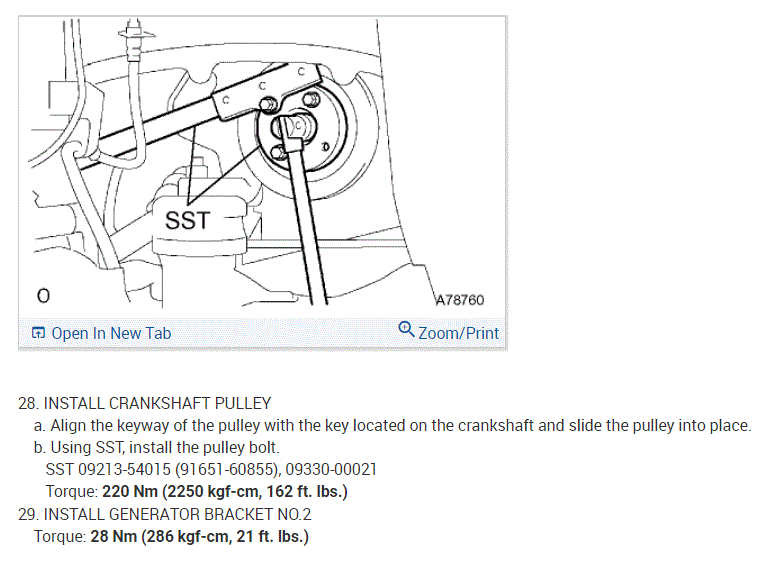
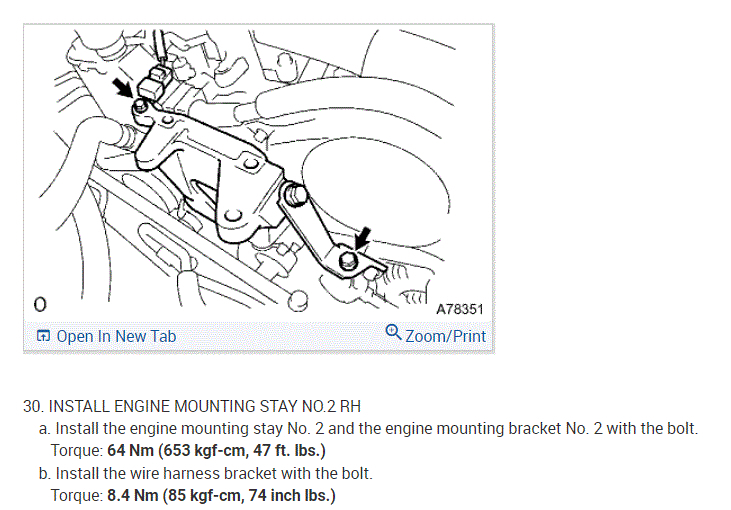
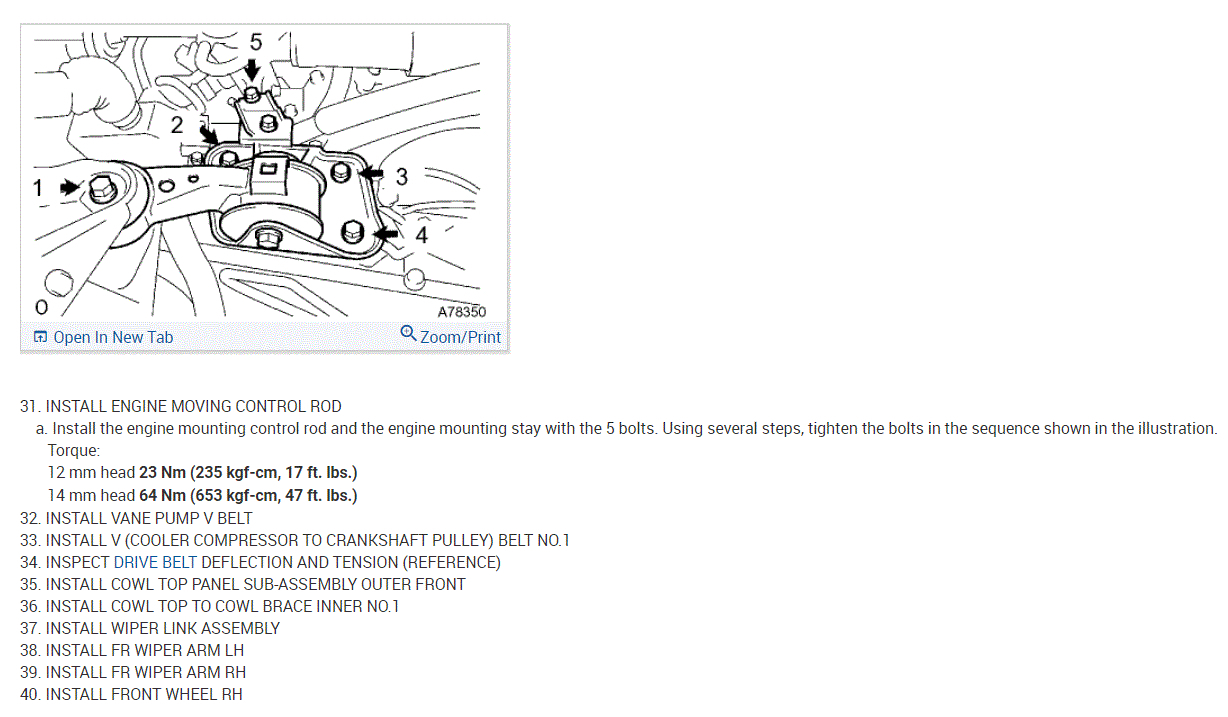
The P0328 code is telling us that there is a high input from the bank 1 knock sensor 1. The ECU detects excessively high voltage that is out of range of the knock sensor. Yes OEM sensors are best but it sounds like you over tightened which can damage the sensor. I would redo the job with OEM units. here is how to change them out in the diagrams below with torque specs. Check out the diagrams (below). Let us know what happens and please upload pictures or videos of the problem.
May 19, 2021 at 11:19 AM
Avatar
RUDYPAK
  • MEMBER
  • 42 POSTS
Okay sounds good. One question.
With these knock sensors does the connector affect it?
May 19, 2021 at 1:28 PM
Advertisement
Avatar
STRAILER
  • CERTIFIED EXPERT
  • 53,854 POSTS
yes, big time. there needs to be a good connection and the wiring needs to be in good condition.
May 21, 2021 at 10:08 AM
Avatar
RUDYPAK
  • MEMBER
  • 42 POSTS
I followed the information that was sent. Everything back together. Dash lights still on and still running the same, no second or overdrive. Running rich on fuel and mileage bad.
Do I need to use a scanner tool to reset the fault so it will run correctly or should it reset by itself?
Jun 2, 2021 at 1:26 AM
Avatar
RUDYPAK
  • MEMBER
  • 42 POSTS
The knock sensors I bought are aftermarket not OEM.
How critical is it for my 2005 sienna xle
Jun 2, 2021 at 3:25 AM
Avatar
JACOBANDNICKOLAS
  • CERTIFIED EXPERT
  • 110,175 POSTS
Hi,

The code you provided is for a knock sensor. However, the problem doesn't sound related to the knock sensor. The sensor is to fine-tune ignition timing when the engine is running. Basically, the sensor tries to keep the timing as far as advanced as possible. Once that maximum is reached, it detects spark knock and signals the powertrain control module to retard the timing.

Since the transmission is being affected, I would strongly recommend having the CAN bus system scanned. CAN stands for controller area network. Basically, all modules/computers are tied together via a few wires. When you scan the CAN, it will identify any codes present regardless of the module storing them.

Here is a quick video showing it being done:

https://youtu.be/InIlnsjOVFA

To answer one of your questions, eventually, the check engine light will clear. The time required is based on the completion of drive cycles and how many times the PCM recognizes the sensors are working properly. With that, it could take several miles. However, you mentioned it is running the same, so it doesn't sound like the problem is fixed.

Additionally, you mentioned it is running rich. Have you checked fuel pressure to see if the regulator is working? If pressure is too high, it can cause this to happen. Here is a link that shows in general how it's done:

https://www.2carpros.com/articles/how-to-check-fuel-system-pressure-and-regulator

Here is what I'm suggesting. First, I would have the CAN bus system scanned to determine if there are additional codes. Also, have the person that scans it tell you what the short-term fuel trims are. That will help us determine if the fuel mixture is out of control.

Let me know what is found. Also, please feel free to ask other questions.

Take care,

Joe
Jun 4, 2021 at 7:29 PM

Avatar
RUDYPAK
  • MEMBER
  • 42 POSTS
Originally this problem would happen intermittently. One day it would be on and later that same day it would be off.
In time the problem became more frequent to the point of now where is all the time.
My timing belt has over 120,000. Probably closer to 130,000 miles.
Would the timing belt also cause this issue?
Jun 5, 2021 at 7:41 AM
Avatar
JACOBANDNICKOLAS
  • CERTIFIED EXPERT
  • 110,175 POSTS
Hi,

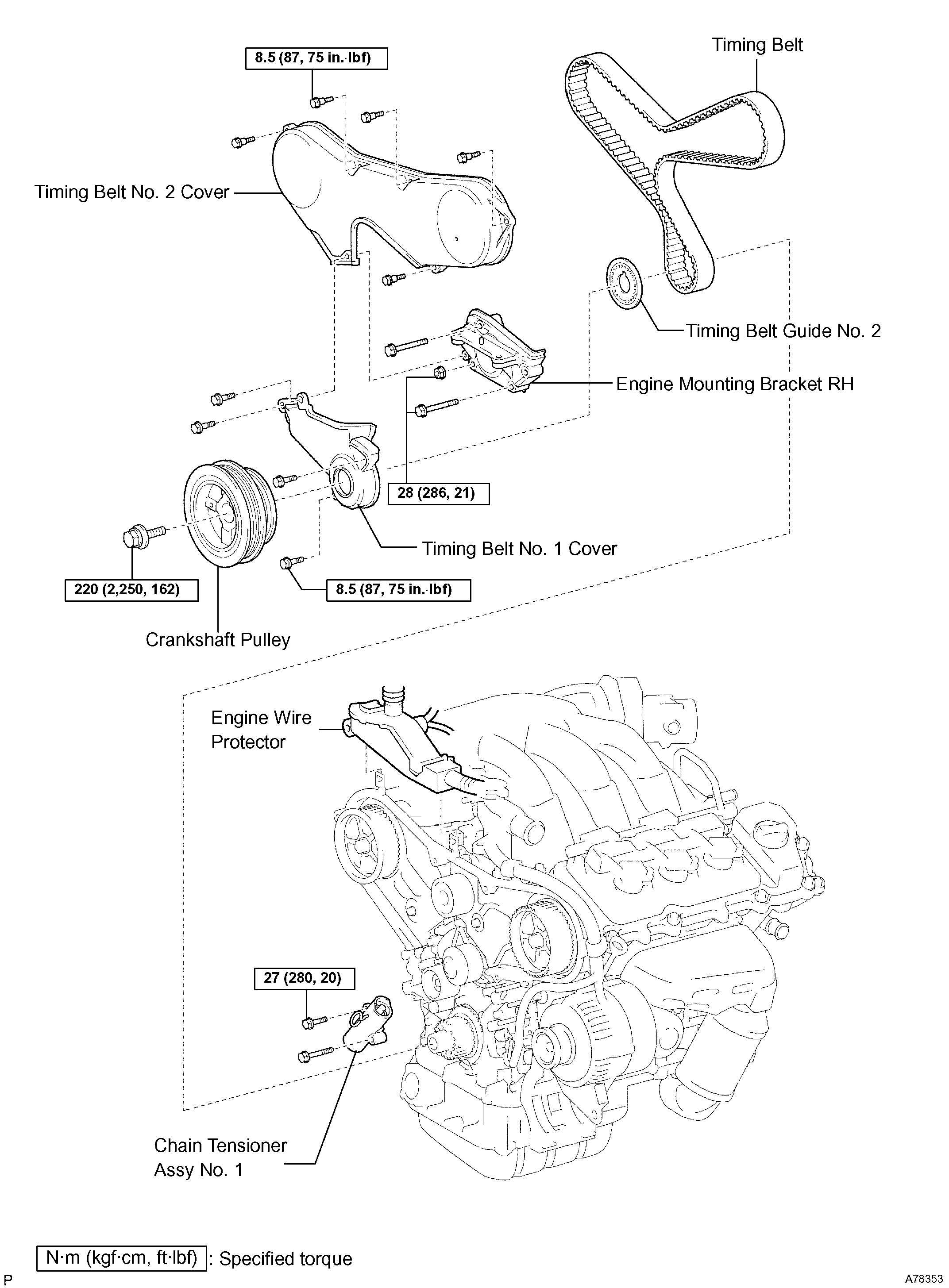
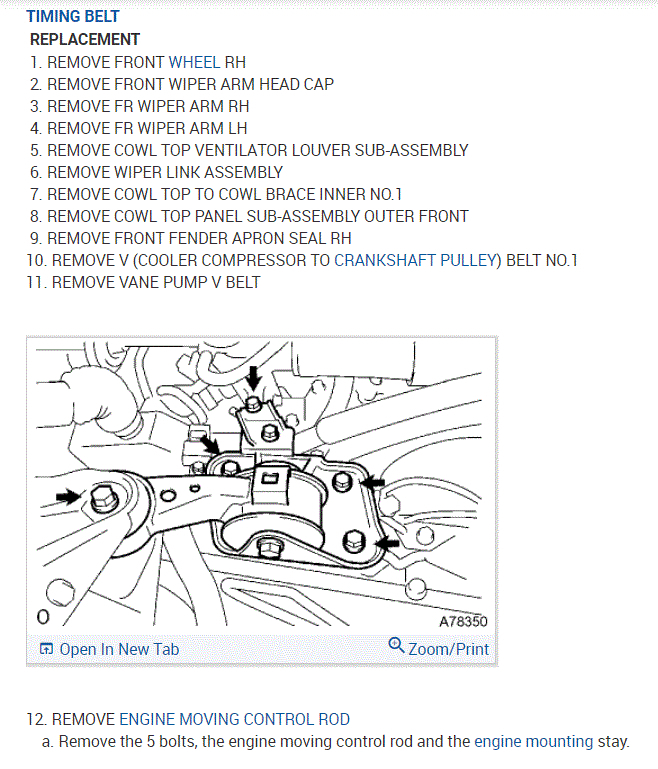
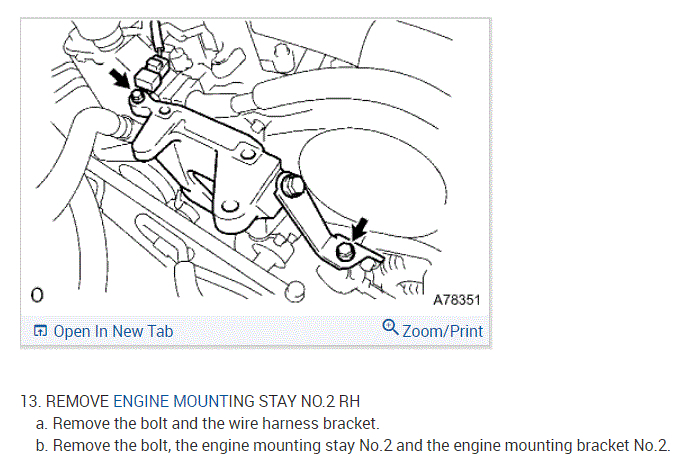
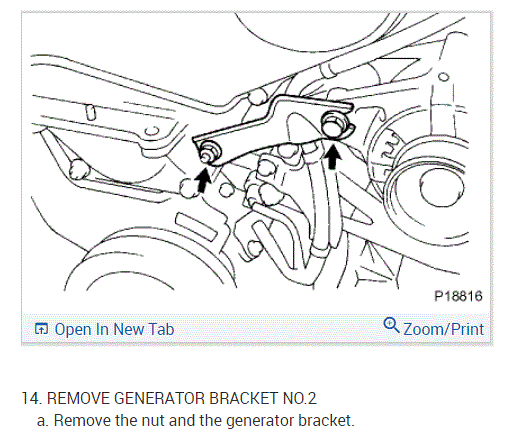
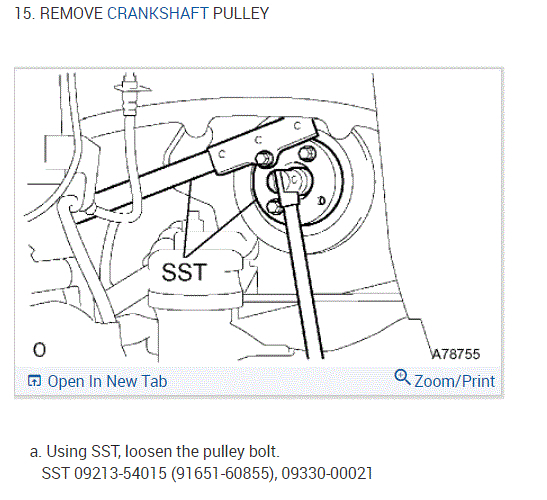
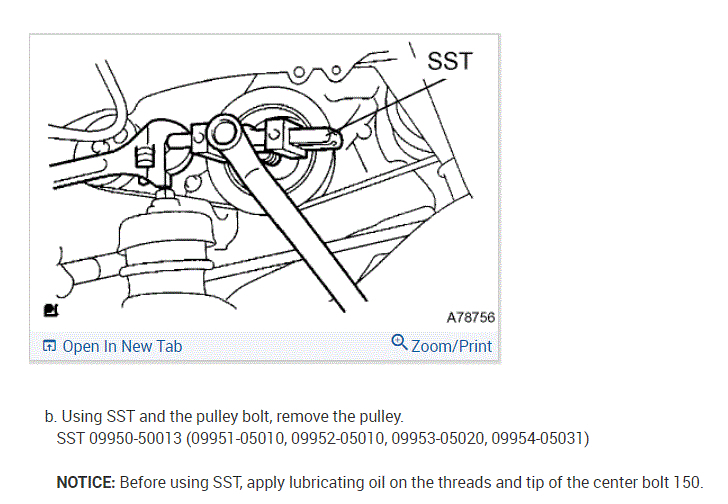
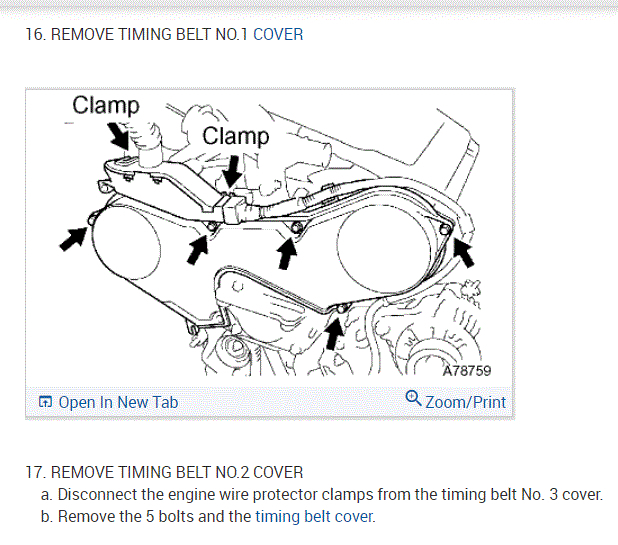
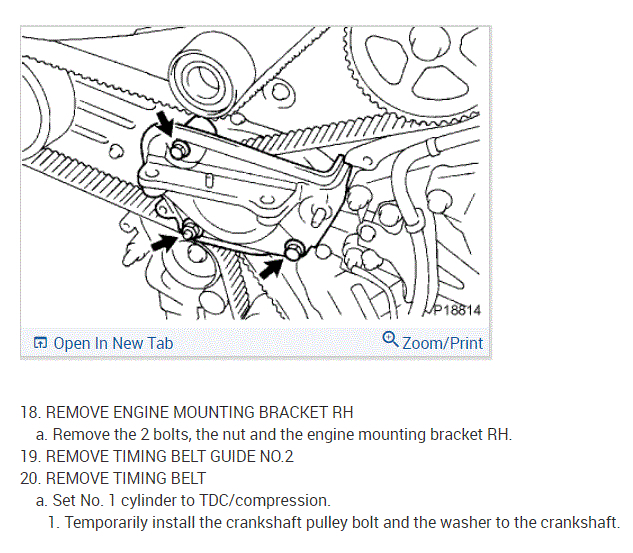
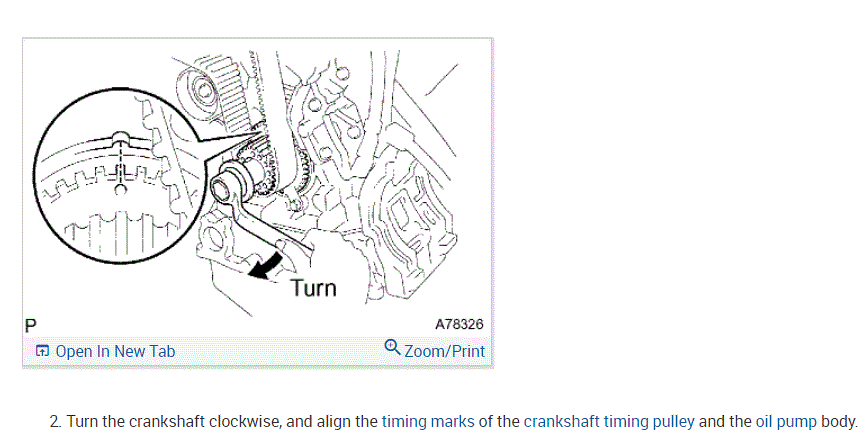
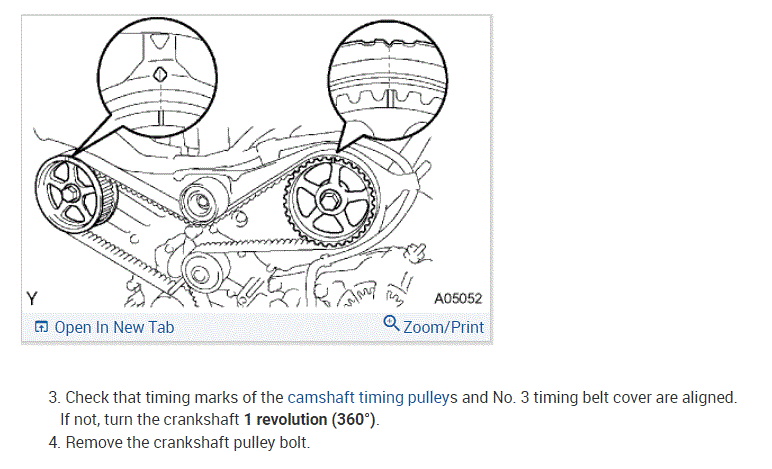
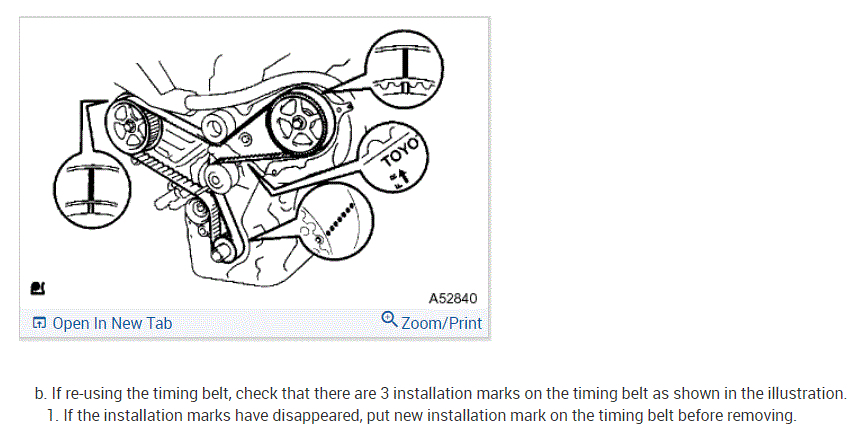
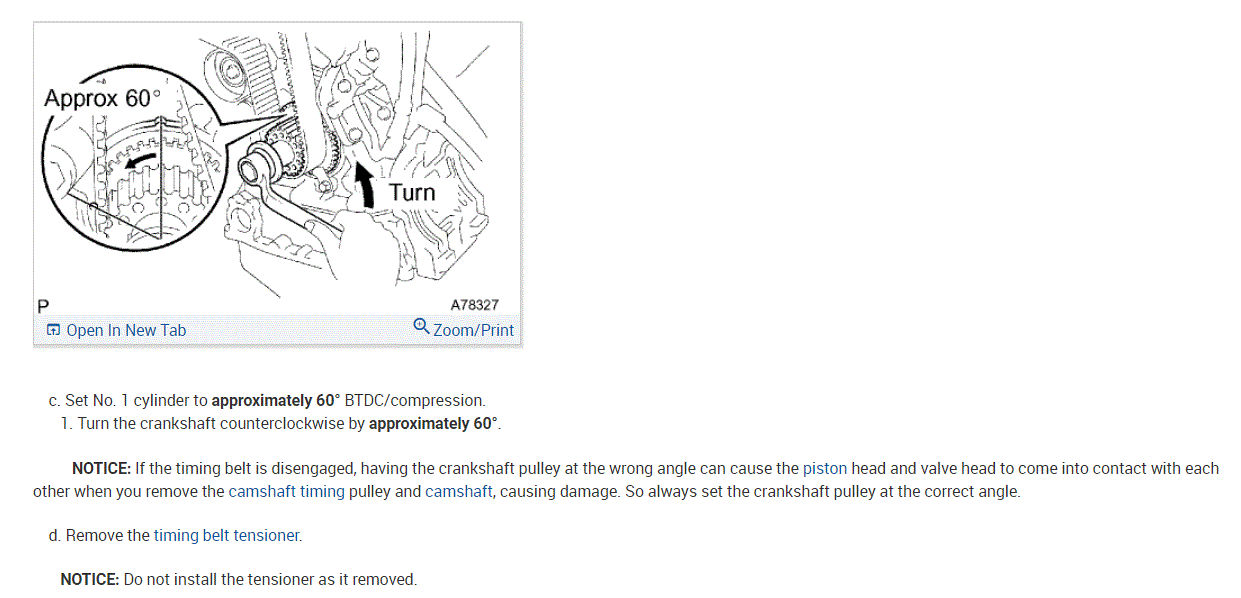
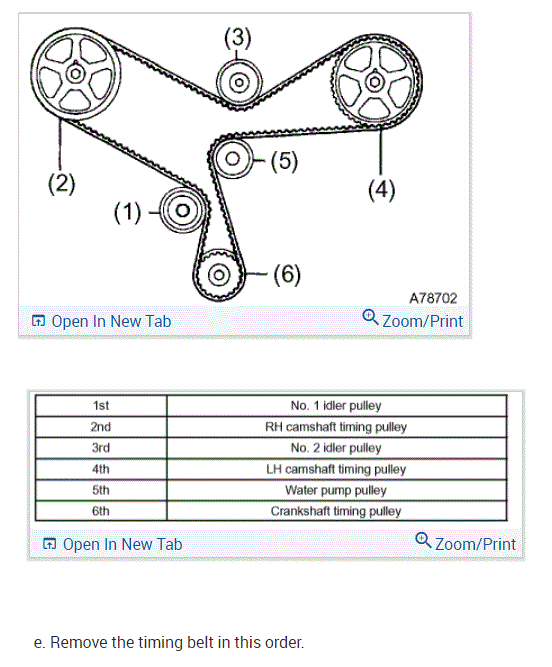
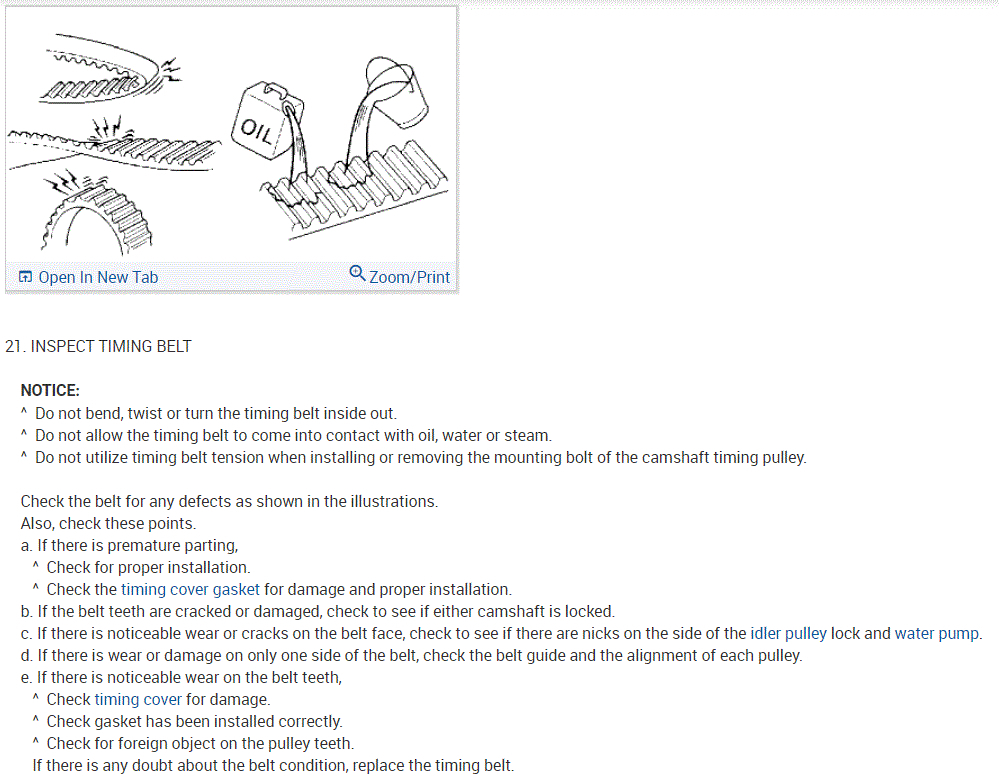
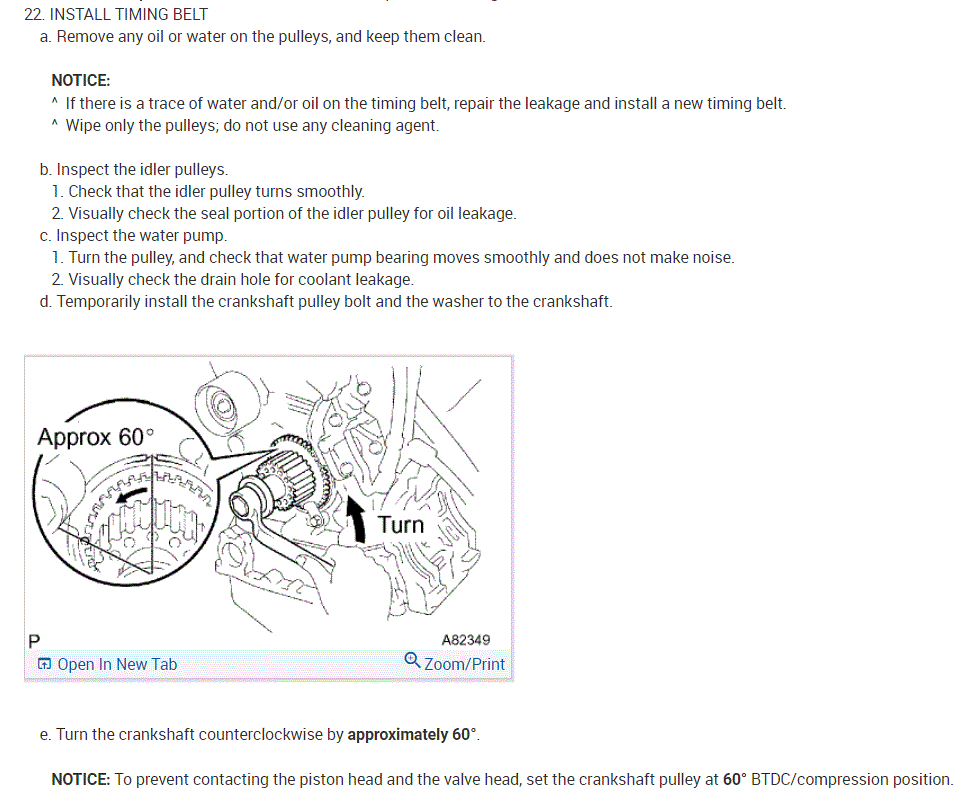
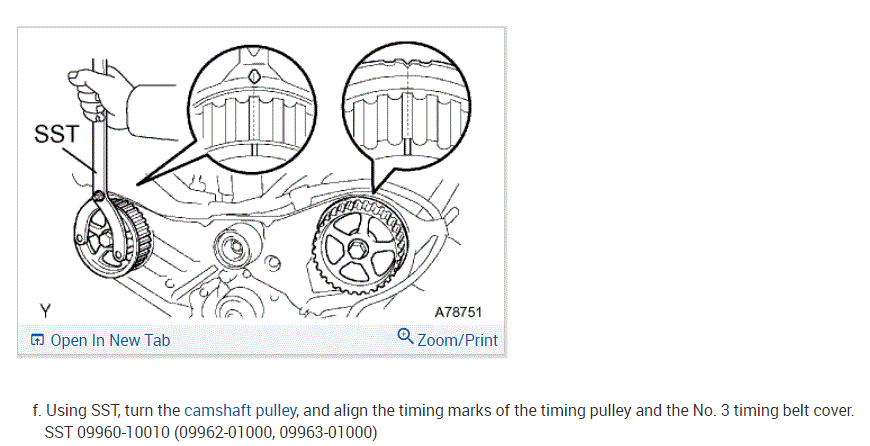
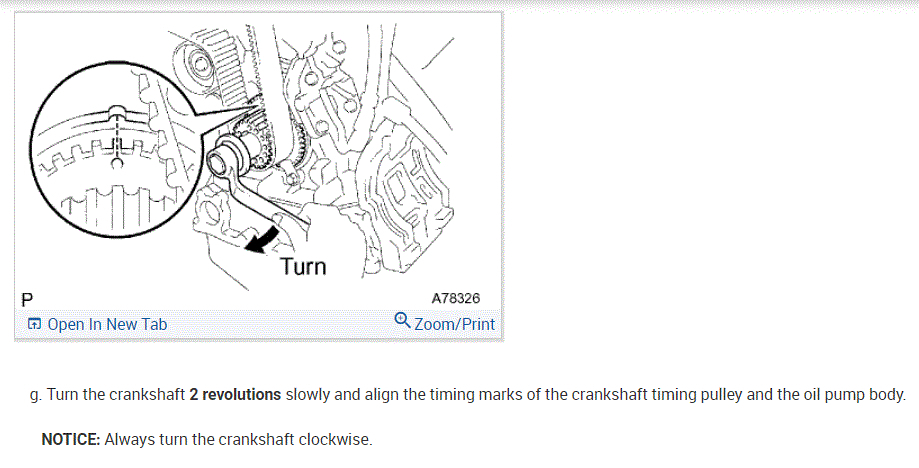
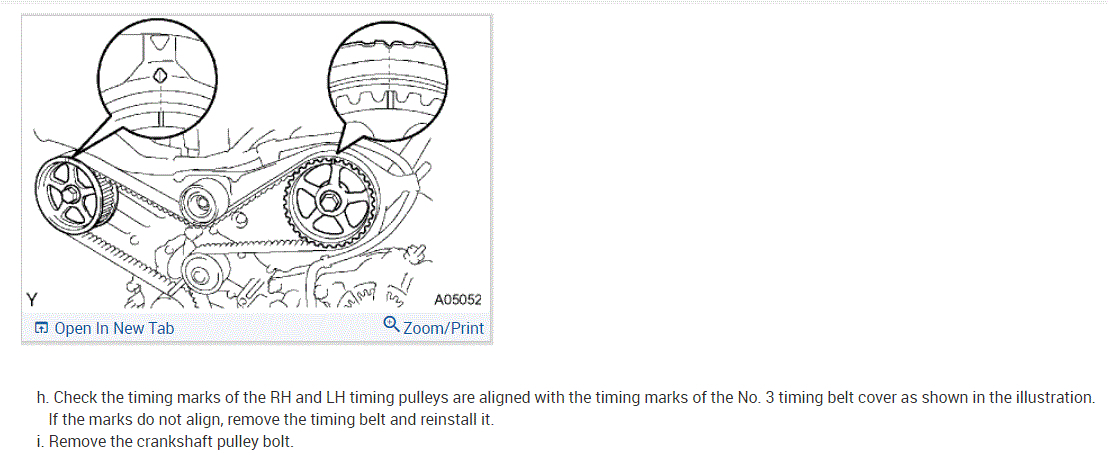
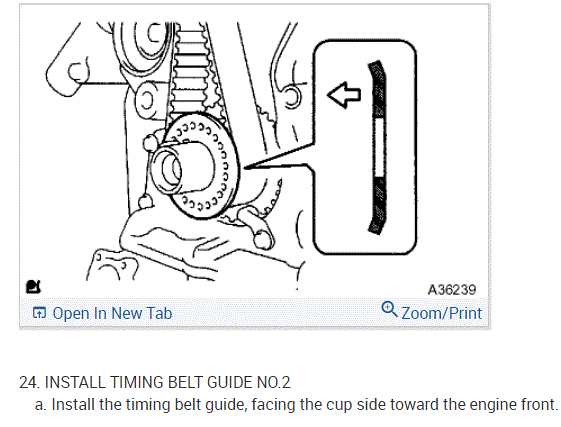
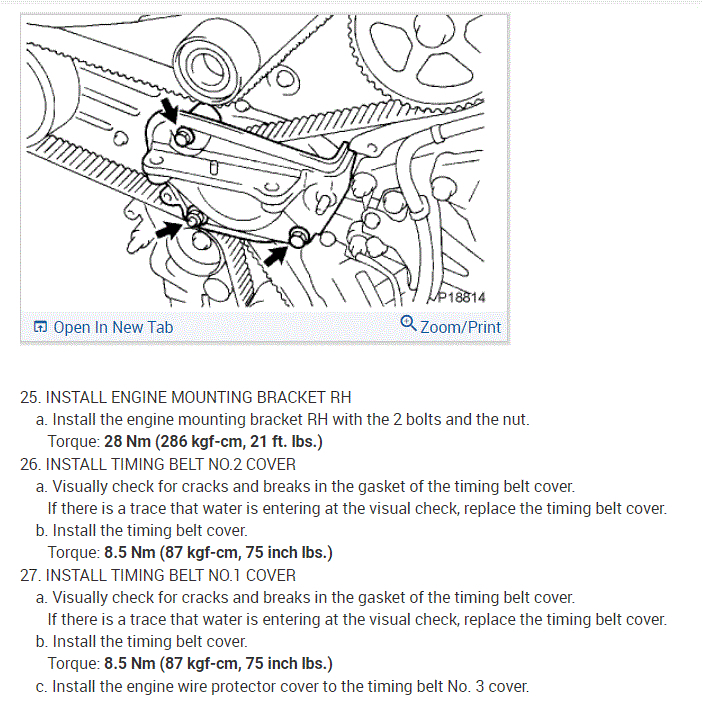
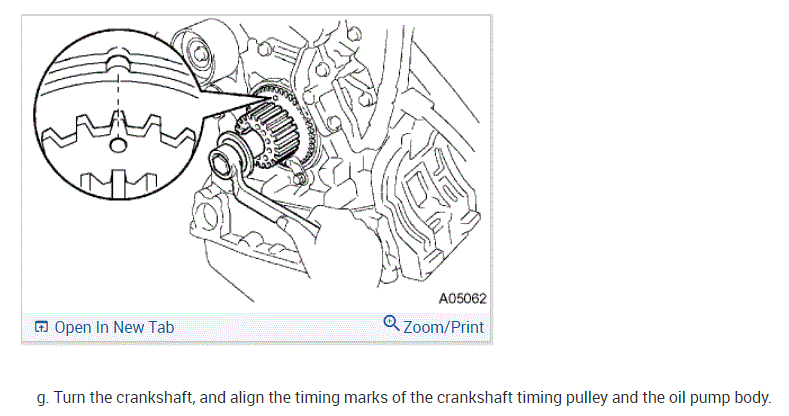
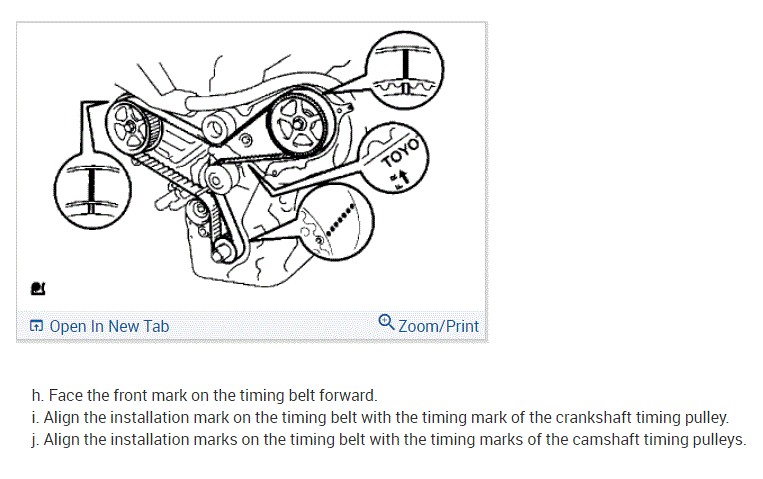
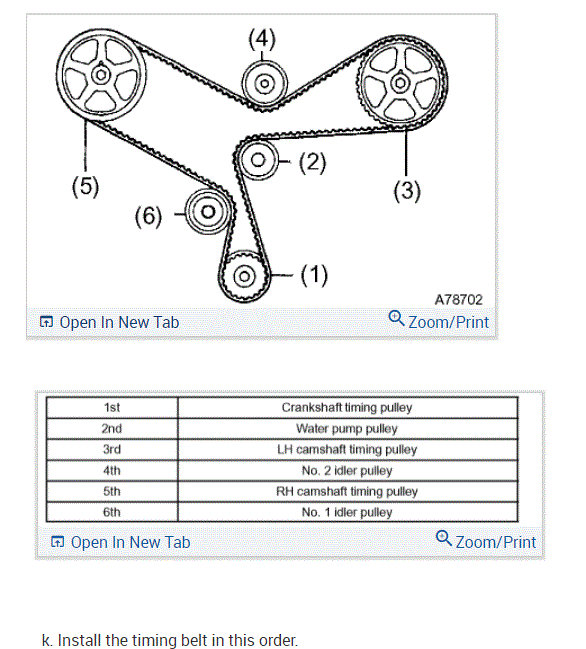
If the belt is original, it is likely stretched at this point and certainly could cause a problem with engine timing. And it could also cause a power loss to a degree. But it wouldn't cause a transmission issue. Have you had the CAN scanned to see if there are codes in other modules?

I would suggest replacing it because of mileage. This is an interference engine and if it breaks, it will likely cause internal engine damage.

Replacing it is a somewhat big job. I attached the directions below for your review. Let me know if it is something you are comfortable doing.

Take care,

Joe

See pics below.
Jun 5, 2021 at 7:58 PM
Avatar
RUDYPAK
  • MEMBER
  • 42 POSTS
First and foremost I would like to thank all the people who have so generously offered the information.
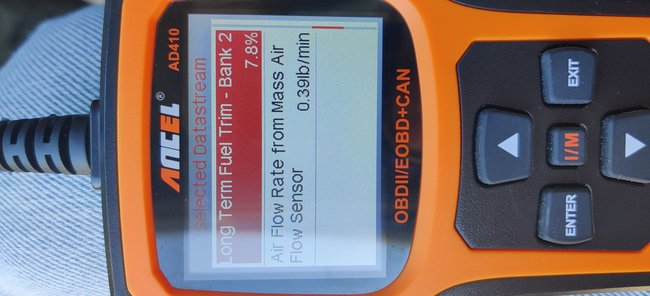
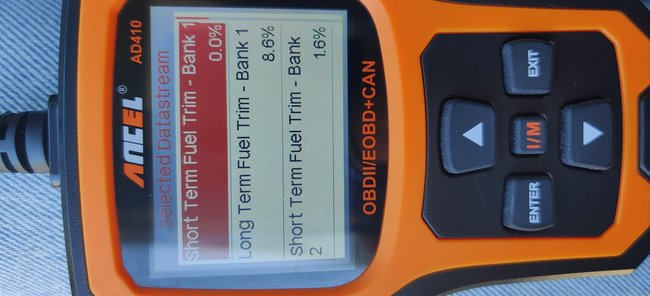
Using a basic scan tool I was able to look at my MAF, short and long fuel trim. In the attachments you can see I am running a little high on my long for both Banks 1 & 2.
From what some information I gathered on the internet my MAF is reading low.
Also the fuel injector seals that go into the intake manifold are really loose. A couple I can wiggle side to side. Does this create vacuum leak and it's my MAF going bad?
Thank you
Jun 16, 2021 at 5:42 AM
Avatar
JACOBANDNICKOLAS
  • CERTIFIED EXPERT
  • 110,175 POSTS
Hi,

If you are able to wiggle the injectors, something is wrong. They should be tight. By any chance are you getting a fuel smell when the engine runs? If the injectors are loose, they could be leaking which can be dangerous.

Also, if they are leaking, that could explain why you have high fuel trims. The computer may be trying to compensate for fuel loss or unmetered air getting into the combustion chamber.

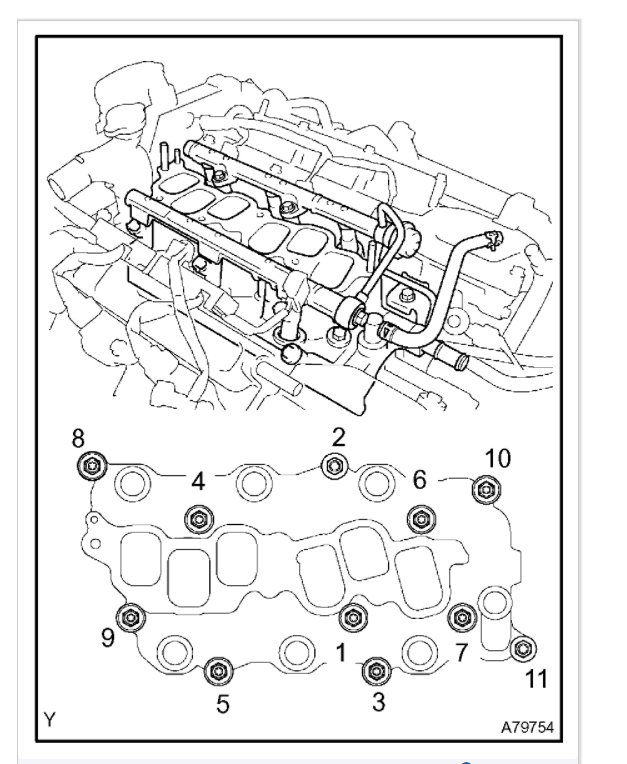
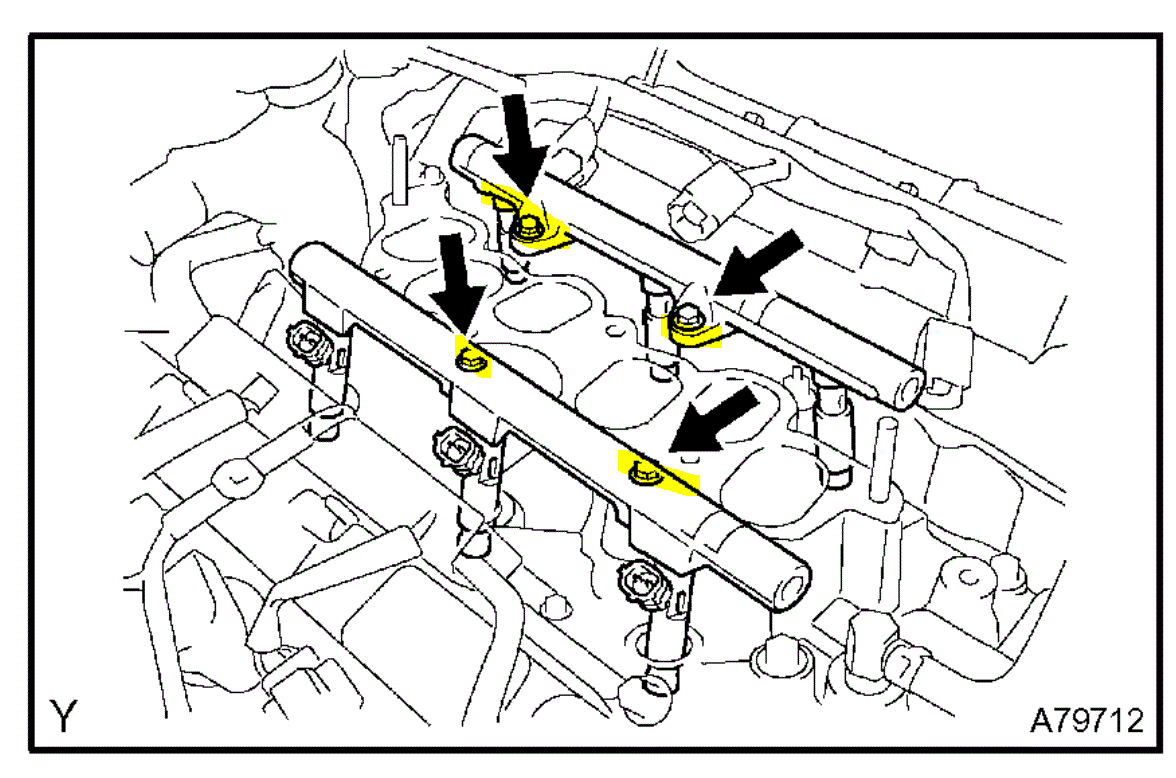
The injectors are under the intake, which I suspect you already know. There are 4 bolts that hold them in place. Are you able to see if the entire fuel rail is loose?

I attached a pic below showing the location of the mounting bolts.

Let me know.

Joe

See pic below.
Jun 16, 2021 at 6:49 PM
Avatar
RUDYPAK
  • MEMBER
  • 42 POSTS
I have changed the coil packs, spark plugs, 2 knock sensors with the short harness. All 4 bolts are tight for the fuel rail.
I have ordered fuel injectors to replace.
I did not notice a fuel smell.
Jun 16, 2021 at 7:00 PM
Avatar
RUDYPAK
  • MEMBER
  • 42 POSTS
The van has over 237,000 miles. You think there is a vacuum leak at the fuel injector intake? I can really only get to the front 3 injectors to inspect when it's all together and I can swivel all 3 with ease. The middle one especially.
When I did the spark plugs the fuel injectors pulled out as if they were just laying in the intake. Not really sealed or seated. As far as in the rail I did not notice any fuel. I read the injectors should be service every 50,000 miles. I figure just to change them.
One more thing I just noticed. In the morning the idle even after it comes to temperature it's at about 800 RPMs and comes down slightly by the time I get to work, which is about 40 minutes later. In the afternoon when I leave work after it warms up it's as low as 550-600 RPMs. That's when I can notice the rough idle more and it hiccups. Meaning the rpm drops for a split second every once in a while. It never stalls but feels like it might. If I turn the A/C on it does it more often. Like it becomes worse under load.
Jun 16, 2021 at 7:18 PM
Avatar
JACOBANDNICKOLAS
  • CERTIFIED EXPERT
  • 110,175 POSTS
Hi,

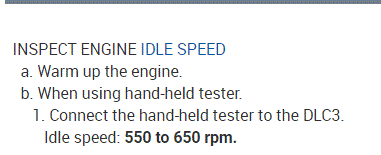
The idle is exactly where it should be. See pic below.

The idea that they are loose is odd. Now I'm starting to question if it could be a compression issue. It does have a lot of miles. If you can, you may want to check it. Here is a link showing how it's done:

https://www.2carpros.com/articles/how-to-test-engine-compression

And yes, a vacuum leak can be causing it as well. Here is a link showing how it's done:

https://www.2carpros.com/articles/how-to-use-an-engine-vacuum-gauge

I would first check for vacuum leaks and then address the fuel injectors. Actually, before replacing the injectors, I would perform a compression test. The idea that you have no fuel smell is leading me to think there is no leak.

Let me know.

Joe

Jun 16, 2021 at 8:01 PM
Avatar
RUDYPAK
  • MEMBER
  • 42 POSTS
This all started with a P0328 knock sensor code. It was intermittent then the code stayed on.
I noticed that since the code stayed on i have lost 2nd and overdrive.
Jun 16, 2021 at 8:54 PM
Avatar
JACOBANDNICKOLAS
  • CERTIFIED EXPERT
  • 110,175 POSTS
Hi,

I remember you saying something about the transmission having issues as well. By any chance, did you have the can-bus system scanned?

https://youtu.be/InIlnsjOVFA

Let me know.

Joe
Jun 16, 2021 at 10:28 PM
Avatar
RUDYPAK
  • MEMBER
  • 42 POSTS
Not yet on the can bus scan. Soon.
Jun 17, 2021 at 1:34 AM
Avatar
JACOBANDNICKOLAS
  • CERTIFIED EXPERT
  • 110,175 POSTS
No problem. Let me know when you do or if there is anything I can do to help.

Take care,

Joe
Jun 17, 2021 at 8:13 PM
Avatar
RUDYPAK
  • MEMBER
  • 42 POSTS
Thank you very much.
Jun 18, 2021 at 3:49 AM
Avatar
STRAILER
  • CERTIFIED EXPERT
  • 53,854 POSTS
JACOBANDNICKOLAS is one of our best! Use 2CarPros anytime, we are here to help. Please tell a friend.
Jun 20, 2021 at 1:23 PM
Avatar
RIDEONMANN
  • MEMBER
  • 2 POSTS
I have been getting the code for both knock sensors. I clear the ECM, and both knock sensor codes keep returning for bank1 and bank2. Is it possible for both sensors to go bad at the same time? It blew a hose a while back, and over heated, could that cause the sensors to burn out? Thank you. Leon
Jun 25, 2021 at 12:51 PM (Merged)
Avatar
DAVE H
  • CERTIFIED EXPERT
  • 13,384 POSTS
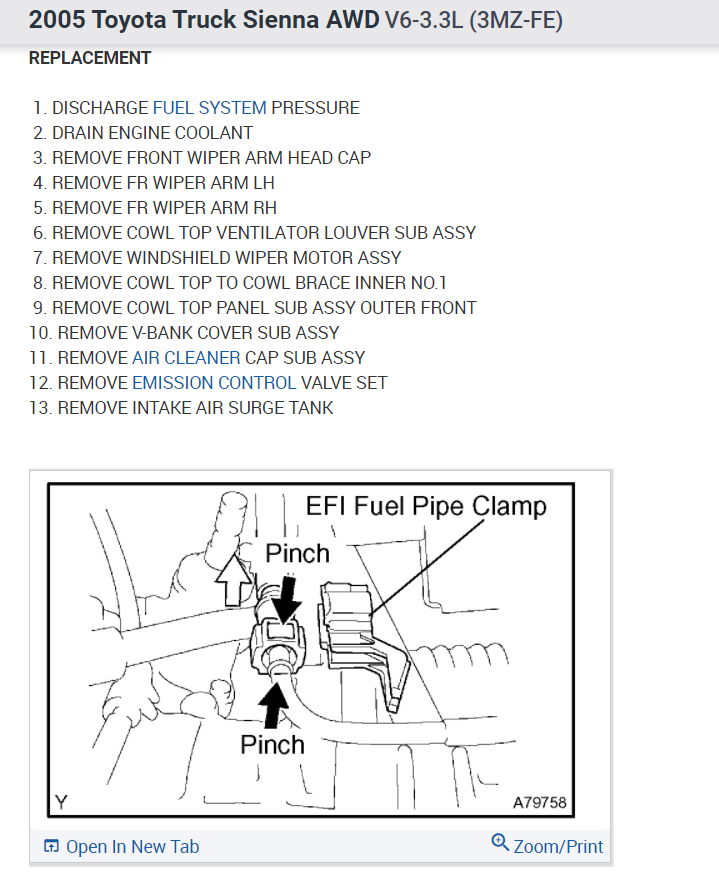
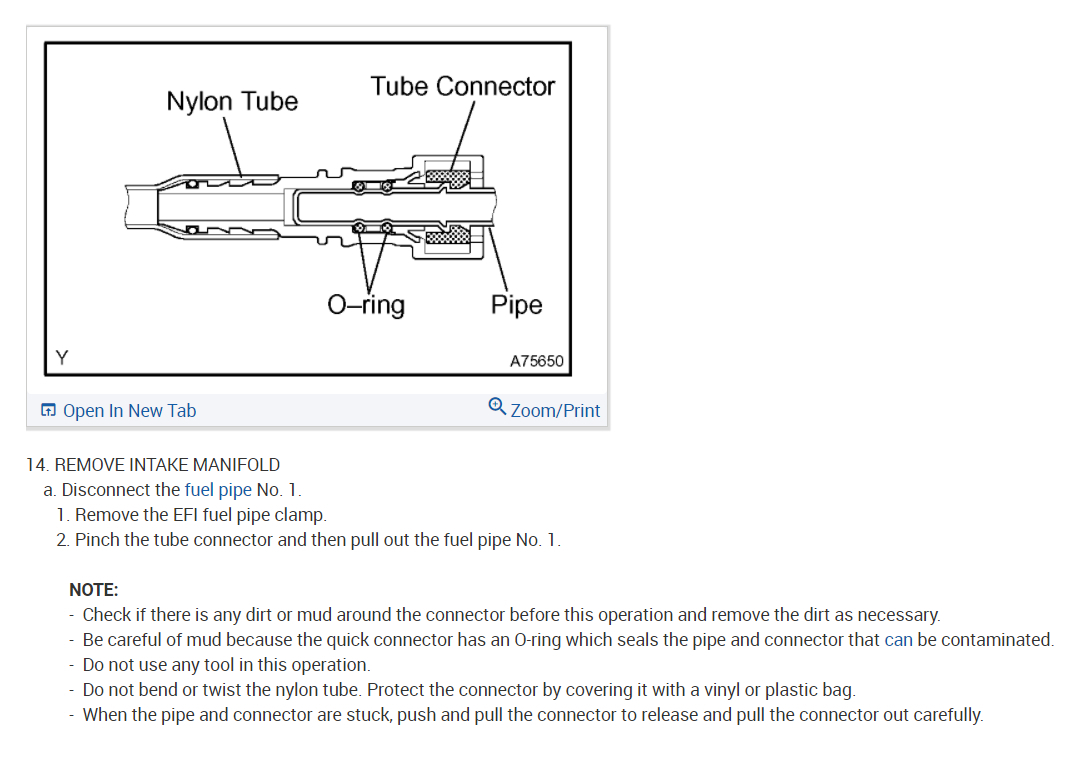
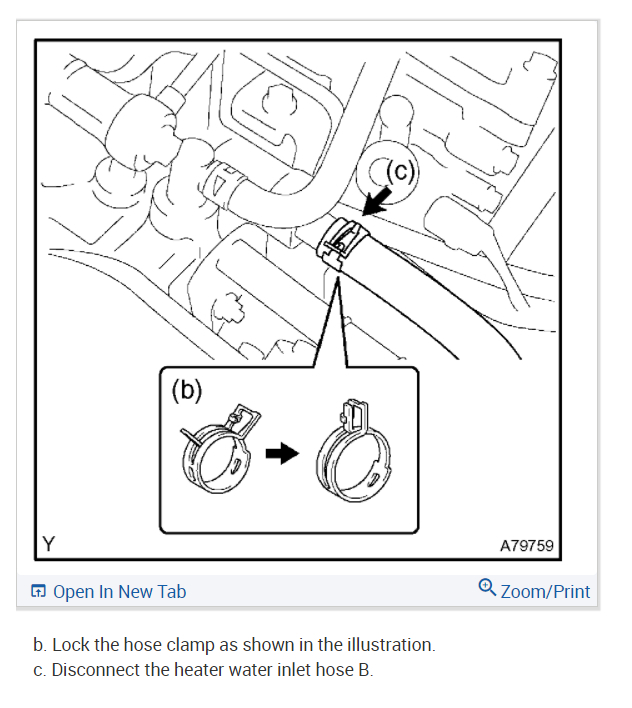
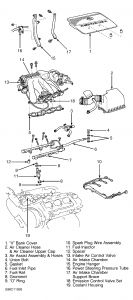
Removal (Sienna) Air intake chamber and intake manifold must be removed for access to knock sensors. Knock sensors are located on cylinder block, just below cylinder heads. See Fig. 3 -5. Remove caps, windshield wiper arm nuts and windshield wiper arms. Remove top seal from cowl top panel. See Fig. 12 . Remove cowl top panel cap. Remove clip and disconnect hose for each washer nozzle. Remove driver's side and passenger's side ventilation louvers. See Fig. 12 . Remove bolts from cowl top panel. Disconnect electrical connector for windshield wiper motor. Remove cowl top panel. Fig. 12: Locating Cowl Top Panel & Components (Sienna) Courtesy of TOYOTA MOTOR SALES, U.S.A., INC. Release fuel pressure. See FUEL SYSTEM PRESSURE RELEASE under FUEL SYSTEM. Drain cooling system. Remove air cleaner hose with air cleaner upper cap. See Fig. 13 . Remove "V" bank cover. Remove bolts and engine mount support brace for engine mount at timing belt end of engine. Engine mount support brace fits from top of coolant housing to the engine mount. Remove spark plug wire assembly. Disconnect control cables, electrical connectors, vacuum hoses and coolant hoses at throttle body. Disconnect electrical connectors and vacuum hoses from vacuum switching valves on emission control valve set located on side of air intake chamber. See Fig. 13 . Remove nuts and disconnect power steering pressure tube from engine hanger. Disconnect necessary electrical connectors, ground straps, air hoses and vacuum hoses for removal of air intake chamber and intake manifold. Disconnect PCV hose from PCV valve on rear cylinder head. Remove bolts, engine hanger and air intake chamber support brace from air intake chamber. Remove bolts/nuts, air intake chamber and gasket. Note location of electrical connectors on fuel injectors for installation reference. Disconnect electrical connectors at fuel injectors. Remove fuel inlet pipe-to-fuel filter union bolt with gaskets, and disconnect fuel inlet pipe from top of fuel filter. See Fig. 13 . Disconnect hose for air assist assembly at throttle body. Disconnect coolant hoses at intake manifold. Remove bolts/nuts and intake manifold with fuel injectors and fuel rails as an assembly. Remove gaskets for intake manifold. Disconnect electrical connectors and hoses for removal of coolant housing. Coolant housing is located on cylinder block, in front of intake manifold area. See Fig. 13 . Remove bolts/nuts, coolant housing and gaskets. Disconnect electrical connectors at knock sensors. Using Socket (SST 09817-16011), remove knock sensor(s) from cylinder block. Installation Install and tighten knock sensor(s) to specification. See TORQUE SPECIFICATIONS . To install remaining components, reverse removal procedure using NEW gaskets. Tighten bolts/nuts and fuel inlet pipe-to-fuel filter union bolt to specification. See TORQUE SPECIFICATIONS . Ensure intake manifold bolts/nuts are tightened to specification in sequence. See Fig. 8 . Ensure coolant housing bolts/nuts are retightened to specification once intake manifold is installed and bolts/nuts are tightened to specification. Fill cooling system. Install negative battery cable. Operate fuel pump and check for fuel leaks. See FUEL PUMP OPERATION under FUEL SYSTEM in appropriate BASIC TESTING article. Fig. 13: Exploded View Of Air Intake Chamber & Fuel Rail Components (Sienna)


https://www.2carpros.com/forum/automotive_pictures/266999_sien_1.jpg

Jun 25, 2021 at 12:51 PM (Merged)