Oil leaking into cold air intake?

2008 GMC YUKON
140,000 MILES • 6.2L • V8 • 4WD • AUTOMATIC
Avatar
BBOYLILROB
  • MEMBER
  • 22 POSTS
I have the vehicle listed above xl Denali. The short version of the problem is i have oil coming from the passenger side valve cover "PCV" port that attaches to the cold air intake. So, oil drains into the tube and gets sucked into the intake manifold and then into the engine. I've replaced everything. Didn't do this. I took the heads off and put new lifters and push roads and rocker arms and when i put the head back together and the problem started. Just took the heads off again and put it back together and still same issue. If i cap that hose no oil comes out into the intake. I don't know that to do.
Jun 8, 2023 at 6:06 PM
Advertisement
Avatar
BRENDON S
  • CERTIFIED EXPERT
  • 653 POSTS
Hello BBOYLILROB,

I wonder if there is a clogged oil passage or oil pressure is too high and oil is building up in the head.

What are you running for oil pressure? Are you using a performance oil pump?

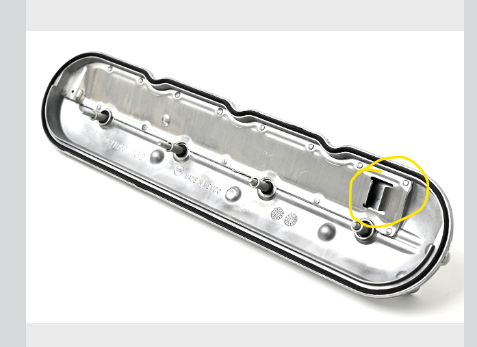
Also, on the valve cover there is a baffle. It's possible it got clogged behind it or the weep hole on it is clogged and the oil can't leave fast enough.

Here is a video from an engine builder. It is on oil consumption, PCV system fail, but I think he has a good point. It might be worth removing the valve cover and make sure it can drain properly.

Here is the link:
https://youtube.com/watch?v=CePGNsAkcYQ&feature=share

Let me know what you find. I am going to keep looking on my end to see what else I can find for you.

Thank you,
Brendon
Jun 9, 2023 at 5:40 AM
Avatar
BBOYLILROB
  • MEMBER
  • 22 POSTS
Brand new valve cover. The oil pump was changed but years ago and it worked fine up until the head tear down, i changed lifters, rocker arms and push roads and the oil pressure on the vehicle is normal. When running normally or idling it doesn't have a problem but when it's under hard load such as a flooring it off the line or specially towing hours through oil like crazy. Last time i towed a gallon and half in an hour.
Jun 9, 2023 at 6:58 AM
Advertisement
Avatar
BRENDON S
  • CERTIFIED EXPERT
  • 653 POSTS
Hello BBOYLILROB,

Wow, that's a lot of oil.

So, you bought a new valve cover I am assuming and installed it the first time you did rocker arms and pushrods and lifters? Is that right?

Where did you get the valve cover from? You got a part number I would like to take a look at it.

Did you change anything in the valve train or just replace stock components?

Thank you,
Brendon
Jun 9, 2023 at 8:54 AM
Avatar
BBOYLILROB
  • MEMBER
  • 22 POSTS
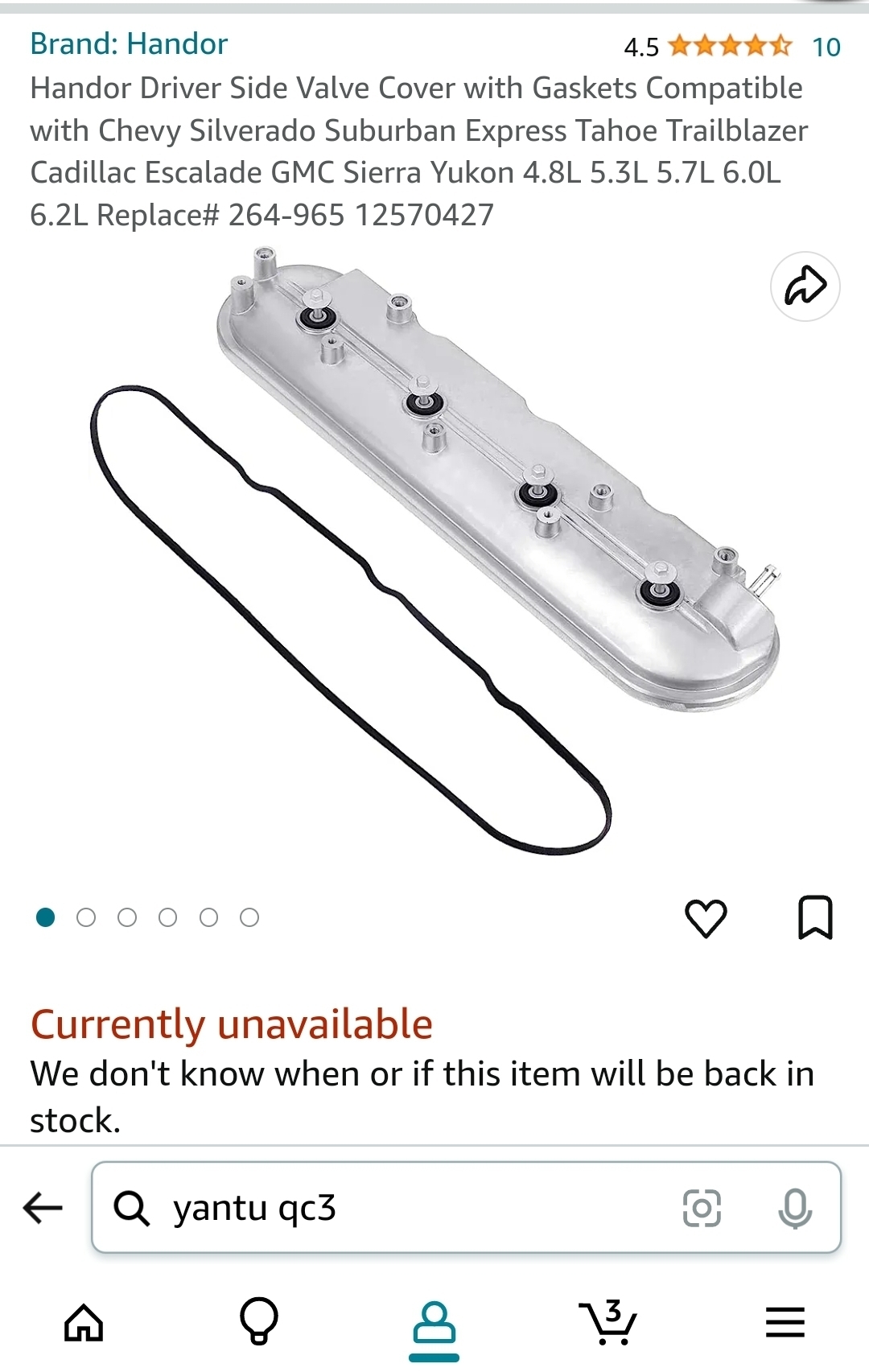
I just replaced it with a new valve cover a few days ago after i confirmed the oil is coming from the tube that connects the valve cover to the intake manifold. I had the old valve cover and thought maybe something could be clogged but I still having the same issue. I replaced everything the first tear down but the valve seals i got lazy and didn't change, so the second tear down i replaced the valve seals and the springs. All OEM parts. The only thing original at this point is the valves and the valve locks/keepers and the head itself. The only thing i can think of is under load the oil that sprays out of the push roads/rocker arms hits the hole in that shield of the valve cover and doesn't drain fast enough even though it has the upgraded valve cover that has more holes. Maybe drill more holes so it drains faster?
Jun 9, 2023 at 9:08 AM
Avatar
BRENDON S
  • CERTIFIED EXPERT
  • 653 POSTS
Hello BBOYLILROB,

That is what I was thinking as well. Especially under load you are at a higher RPM so the valve train would be throwing a lot more oil at it. That video I sent, the guy did just that. He drilled extra holes in that baffle on the valve cover so it would drain better.

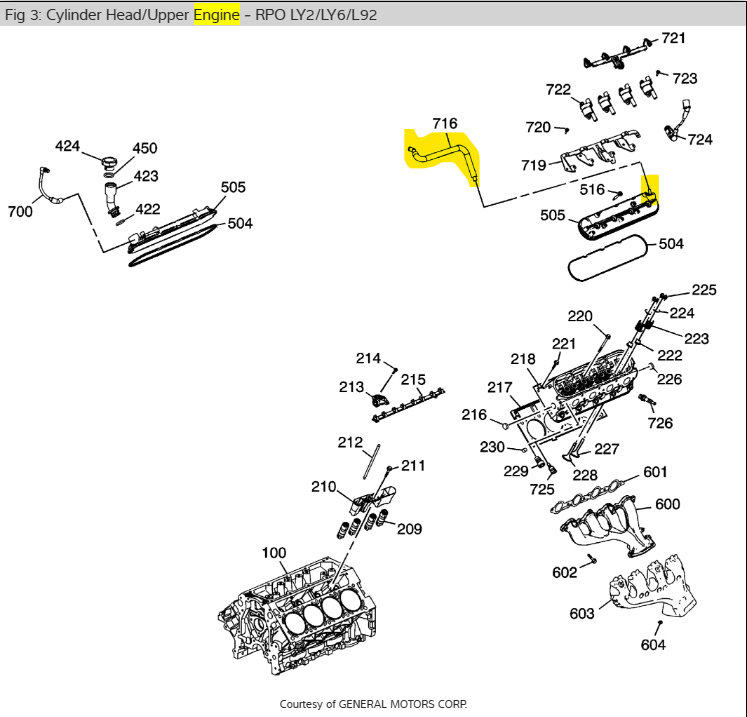
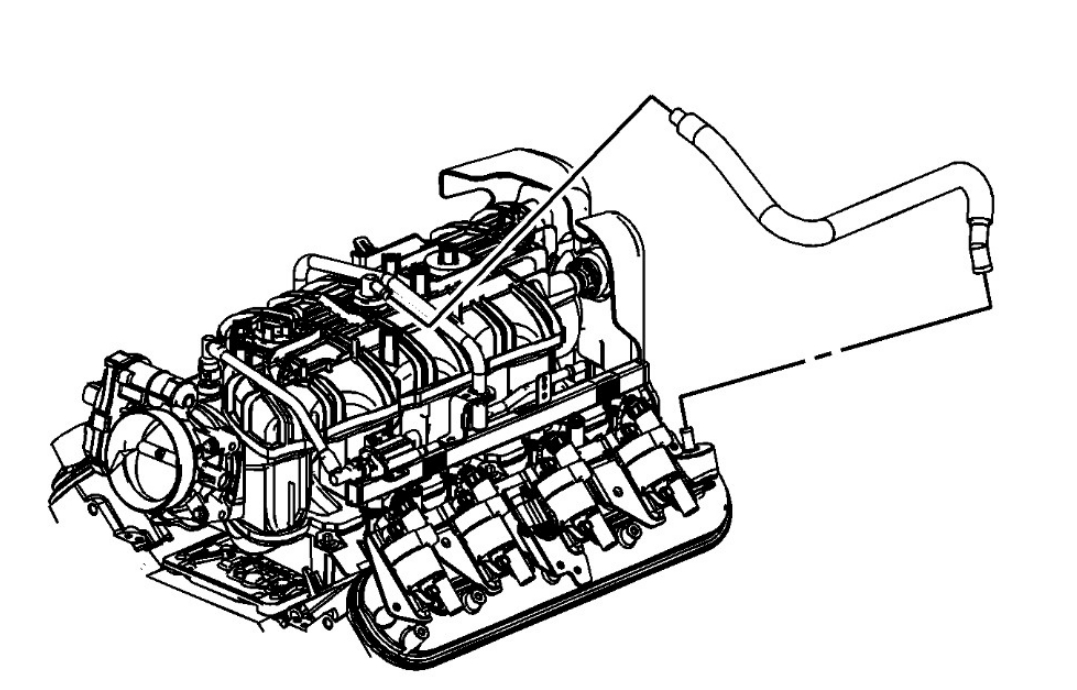
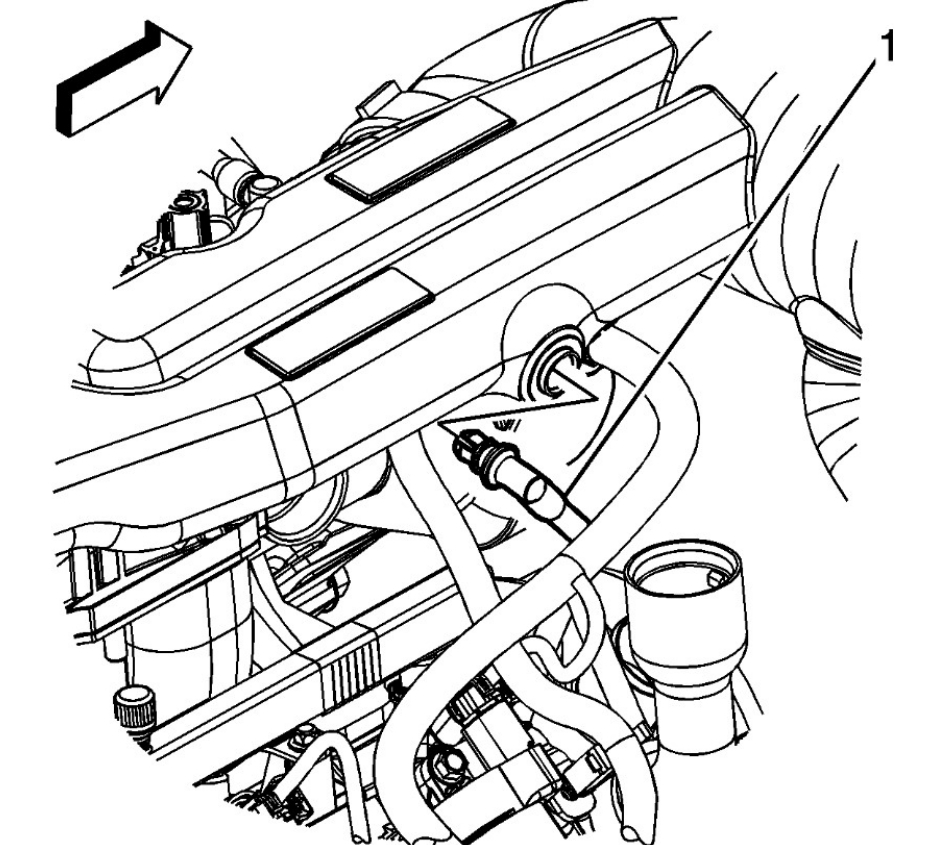
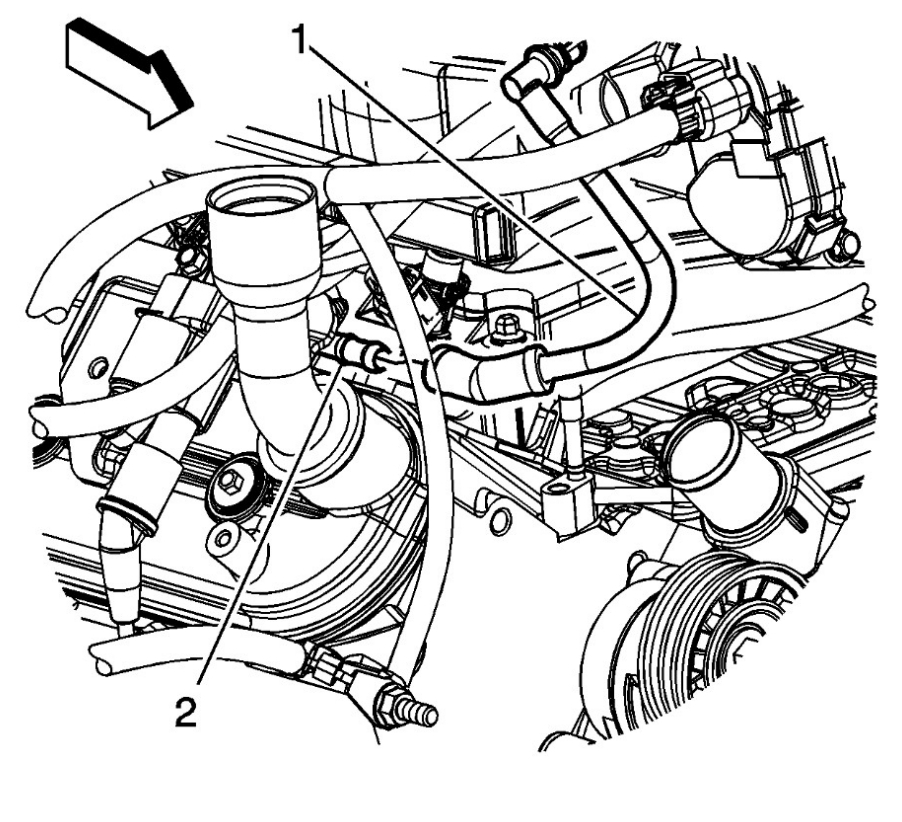
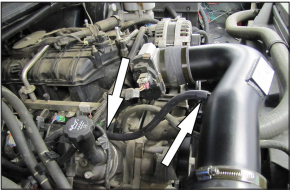
On my Suburban, my PCV valve is on the driver's side cover by the fire wall. I have the LQ9 in mine. My information is telling me your engine, the L92 should have it on the driver's side as well. Is it just a tube on the passenger side? No valve? Is the valve actually on the driver's side? I will add a picture for you from my information. It is possible it's the wrong image. Let me know what you see.

If you take out the PCV Valve and shake it, can you here it rattling? It might be worth trying to throw a new one in there if it is questionable.

My thought is If the valve is on the driver's side, and it is clogged it could cause blow-by to build up and force oil through that tube one the passenger's side and into the intake since it will only have the one outlet instead of one on each valve cover.

Let me know what you find.

Thank you,
Brendon
Jun 9, 2023 at 10:33 AM
Avatar
BBOYLILROB
  • MEMBER
  • 22 POSTS
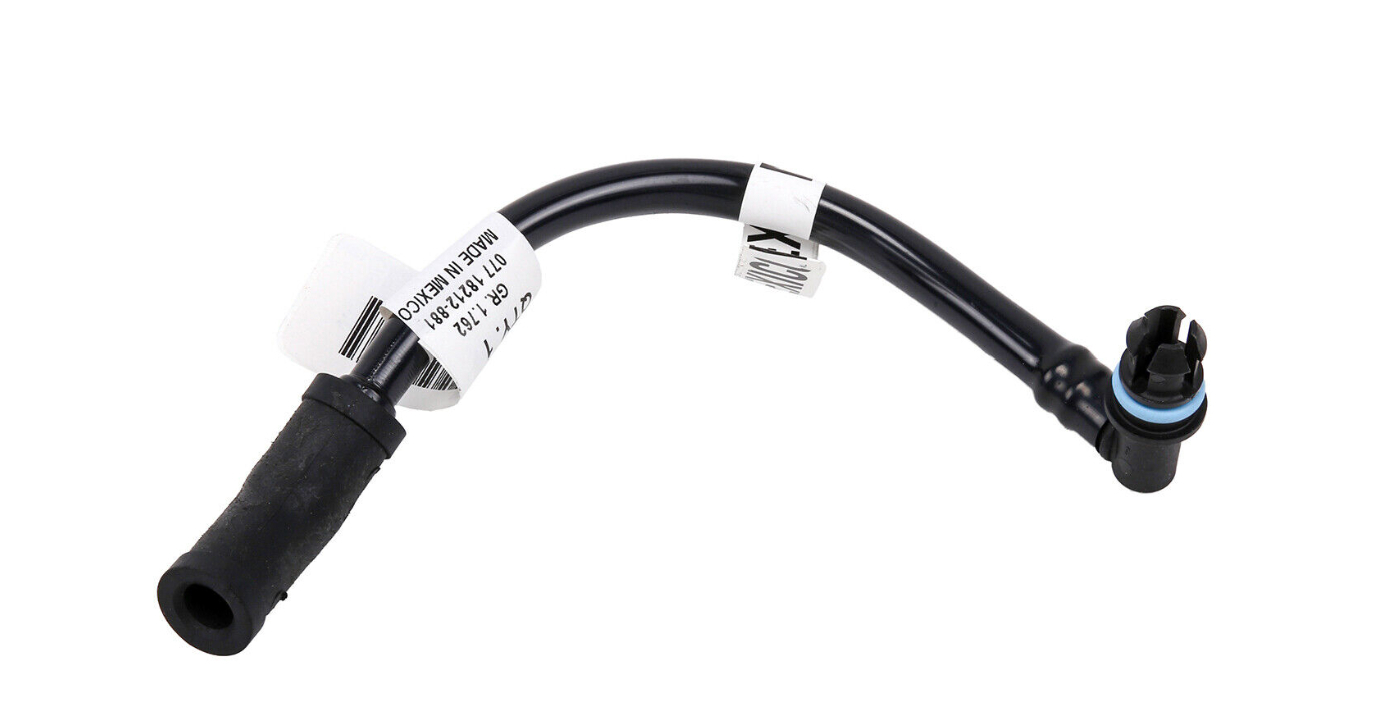
These cars don't have replacement PCV valves. I don't think they actually have PCV valves at all. The driver side has that tube pictured in what you sent, the driver side also has a brand-new valve cover and a new tube (what you have highlighted in yellow) and that tube connects to the top of the intake manifold. I had an oil catch can installed on that side and i never saw much if almost any oil in the catch can. The passenger side which I'm having the issue with connects the valve cover to the cold air intake tube. The oil comes from the connecting tune up the air intake tube and gets sucked into the intake manifold and then the engine.
Jun 9, 2023 at 10:40 AM
Avatar
BRENDON S
  • CERTIFIED EXPERT
  • 653 POSTS
Hello BBOYLILROB,

Looks like there might be one p/n 12567915 they are calling it a fitting, but I found something that said it had a ball bearing in it. But either way the cover is brand new so that's out as a possibility.

It shouldn't be the covers since it is only happening on one side, say if it were a redesign or something to the baffle. Unless there is something different between the covers. However, you didn't replace the covers until the second time you took it apart prior to that the valve train was already replaced and you were already having this issue but running the old covers. so that's out too.

Could possibly be a clogged oil passage. I would remove the valve cover and pour some oil in there and make sure it is able to drain properly. Let me know if you find anything.

For now, I am going to ask another expert and see if they have any ideas as well as look at a few things and see what I can come up with for you.

Thank you,
Brendon
Jun 9, 2023 at 11:52 AM
Avatar
BBOYLILROB
  • MEMBER
  • 22 POSTS
I'm a truck driver so I'll be back home in 2 days. Is there a way to get a diagram for the oil passages? Because i honestly don't know where it's supposed to drain down. I have the old cover which by now i can assume was working the way it should so I'm going to drill holes in it and put it back to see if that helps with oil draining down. Maybe rig a little cover for the hole in that shield so the oil can't go directly inside the deflector shield. A deflector for the deflector if you will.
Jun 9, 2023 at 12:19 PM
Avatar
BBOYLILROB
  • MEMBER
  • 22 POSTS
My buddy's though was oil not draining as well, my logic thought though it's the exit tube that connects to the air intake tube is on the high side of the valve cover, basically the whole entire upper area of the head and valve cover would have to be completely full of oil in order for the oil to come out in that way, being V8 the 6 quarts it takes to fill the engine would be needed and probably more to fill up that cavity that means that the engine would be completely starved of oil, my oil sensor always marks oil. Also, that means that after losing one quart the engine would be starved of oil and no more oil would come out of the tube because it wouldn't reach. But it's gotten down 3+quarts before and still spilled oil. At the beginning it got so low in oil the oil lamp came on. So, it can't be failing to drain because the engine just doesn't have enough volume of oil to reach the tube and still function and still drop 3 quarts out.
Jun 9, 2023 at 12:29 PM
Avatar
BRENDON S
  • CERTIFIED EXPERT
  • 653 POSTS
Hello BBOYLILROB,

Okay, that's no problem. I have been looking all day for a diagram and been looking at pictures of heads trying to find where it drains. As soon as I find one, I will send it to you.

I did find something interesting though. According to my information, air is sucked through that hose into the right rocker cover via that formed hose. To reduce potential oil pullover into the throttle bore due to backflow of the ventilation system, the right rocker arm cover is shielded, that baffle, from the rocker arms. From there fresh air and gases are routed through the crankcase and up the opposite rocker arm cover where the PCV is located. Gases are then routed through a hose to the intake manifold.

So, there might be something affecting that process. Maybe vacuum. Vacuum does get lower as engine speed increases so that would make sense that it would happen more when under load like towing or WOT. I would measure vacuum using that hose coming out of the driver's side rocker cover to the intake and see what you get for a reading. If there isn't enough vacuum or it isn't pulling it around the engine for some reason the intake would end up sucking air from the hose instead of providing it and the oil along with it.

Maybe it wasn't doing it before because the parts were old, so oil was restricted.

Here is a video about oil passages I found. It's really good, has a lot of good information in it:
https://youtu.be/RxhG8wIBkEA

Let me take a look and see what other information I can get for you. I will add the whole explanation of the system from my reference information for you. Let me take a look and see if I can get a spec for you too.

Thank you,
Brendon
Jun 9, 2023 at 1:02 PM
Avatar
BBOYLILROB
  • MEMBER
  • 22 POSTS
I just realized the first video you sent me; my buddy also sent me a few days back. Is there a possibility that i could have put the head gasket wrong somehow both times? Everything else works perfectly but this weird oil leak thing so in your opinion is there any way the head gasket isn't on right. Like the one that should have been on the left side on the right side of flipped around or something where it fits but this is the only problem it causes?
Jun 9, 2023 at 1:37 PM
Avatar
BRENDON S
  • CERTIFIED EXPERT
  • 653 POSTS
Hello BBOYLILROB,

Let me take a look at the mating surfaces and the gaskets and see. I know on the sbc it was possible to put it on wrong, but I think it blocked a coolant passage. But since these engines are all the same basic design, I would say it is possible. Let me take a look for you.

Thank you,
Brendon
Jun 9, 2023 at 1:49 PM
Avatar
BRENDON S
  • CERTIFIED EXPERT
  • 653 POSTS
Hello BBOYLILROB,

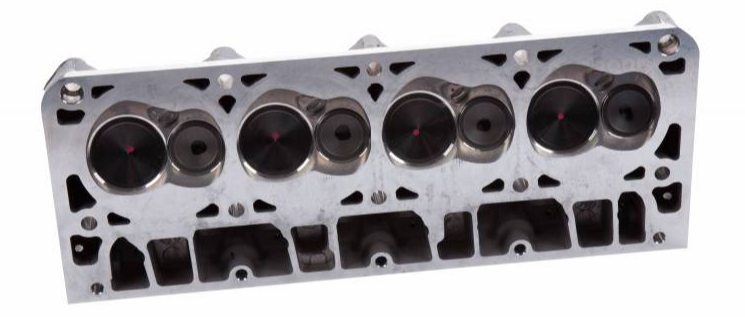
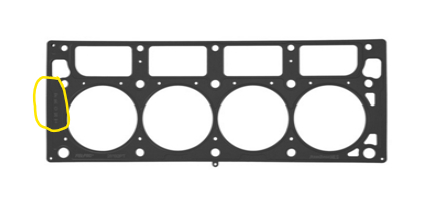
So, the head is symmetrical, but the gasket can only go on one way. I added a picture of the head gasket from Fel-Pro. I don't know if you can see it on the gasket, but it says "front", but it looks like it would block off coolant passages. So thankfully I don't think that's the issue otherwise it would be overheating.

Thank you,
Brendon
Jun 9, 2023 at 2:13 PM
Avatar
BBOYLILROB
  • MEMBER
  • 22 POSTS
Engine temperature goes right up to the middle where it has always been since i bought it. This car is such a pain. I mean 140,000 miles and with new lifters and stuff engine sounds brand new, no knocks or anything. Tows 8000 pounds plus no problem just need it to stop spitting oil.
Jun 9, 2023 at 2:31 PM
Avatar
BRENDON S
  • CERTIFIED EXPERT
  • 653 POSTS
Hello BBOYLILROB,

Yes, I understand. It's frustrating. I go through it with mine too. I think the best thing to do is to make sure the hose on the driver's side of the engine is able to pull air through it and make sure it isn't kinked. That way we know we are pulling gases up from the crankcase because if it isn't the intake is going to pull air out of the passenger side and oil with it. If you have a scan tool I would check and see if it's running a little lean from an intake leak causing a low vacuum situation.

There is a Technical Service Bulletin (TSB) for oil leaks from the rear main seal. While the TSB doesn't say anything about an intake leak it mentions the PCV system and a vented oil filler cap replacement. Part number is 12589430. Maybe it will help.

Thank you,
Brendon
Jun 9, 2023 at 2:53 PM
Avatar
BBOYLILROB
  • MEMBER
  • 22 POSTS
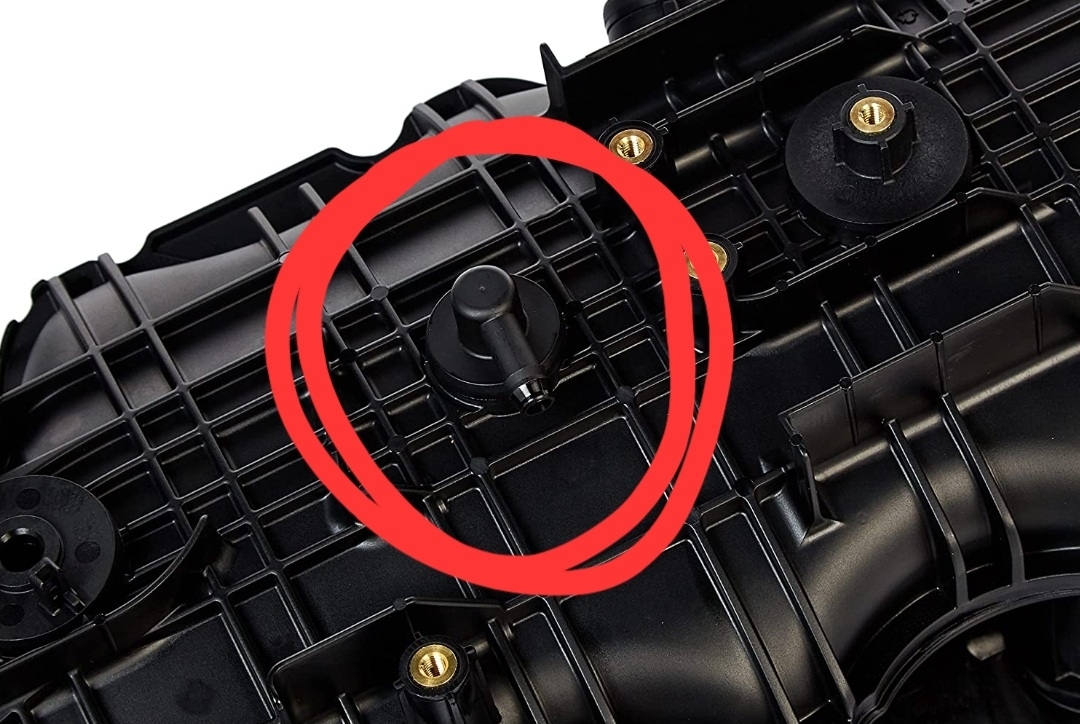
You are going to laugh but the driver side valve cover and the tube that connects the valve PVC to the top of the intake manifold are brand new also. The valve cover has less than 100 miles on it and the tube that hooks them together has about 5 miles on it. The only thing that i could check that isn't clogged is the plastic entrance at the top of the intake manifold I'm sending picture of it.
That's where it connects, and the intake manifold is still original from the car.
Jun 9, 2023 at 3:11 PM
Avatar
BRENDON S
  • CERTIFIED EXPERT
  • 653 POSTS
Hello BBOYLILROB,

Lol. Well, that's good, at least we know that's good too. It might be worthwhile to check the port though.

I found another TSB on oil consumption. I want to see if the part numbers you got are the updated ones.

Do you have the part number for the valve covers you bought?

Thank you,
Brendon
Jun 9, 2023 at 3:24 PM
Avatar
BBOYLILROB
  • MEMBER
  • 22 POSTS
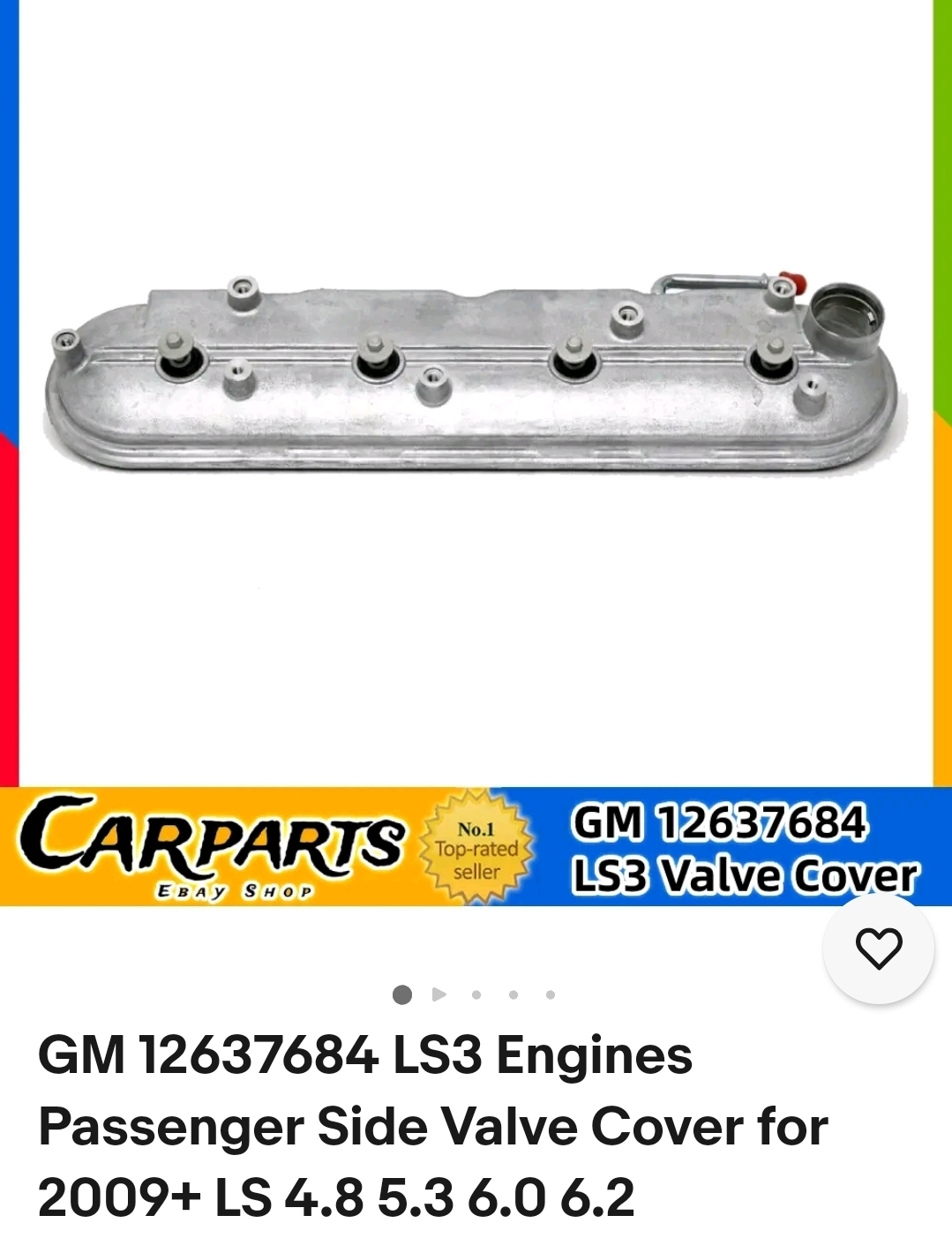
The passenger side i know says 2009+ but the covers are identical except the oil spout is actually different. The driver side is supposed to be the updated part per some bulletin.
Jun 9, 2023 at 3:30 PM
Avatar
BRENDON S
  • CERTIFIED EXPERT
  • 653 POSTS
Hello BBOYLILROB,

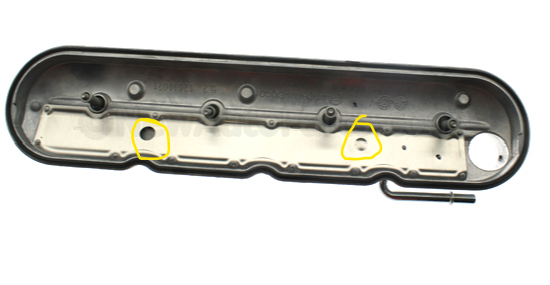
Do they both have a baffle in it that looks like the one in the image?

Thank you,
Brendon
Jun 9, 2023 at 3:44 PM
Avatar
BBOYLILROB
  • MEMBER
  • 22 POSTS
Yeah the one with baffles are the upgraded version per some bulletin.
Jun 9, 2023 at 3:57 PM
Avatar
BRENDON S
  • CERTIFIED EXPERT
  • 653 POSTS
Hello BBOYLILROB

The part number you sent me for the passenger side has a different baffle. In the bulletin they only show an upgraded part for the driver's side, which you have. There was nothing done to the passenger side. The number you sent me looks like the old version. I'm wondering if this is what might be causing the issue.

Looks like it's got 2 big holes in it and nowhere for the oil to drain well enough. If this is the case drilling those holes, we talked about earlier might fix the issue.

Thank you,
Brendon
Jun 9, 2023 at 4:15 PM
Avatar
BBOYLILROB
  • MEMBER
  • 22 POSTS
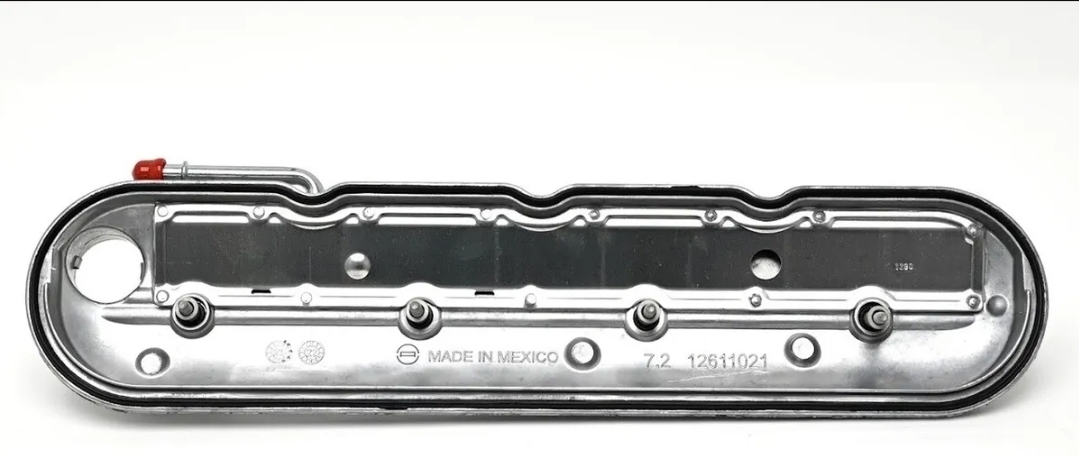
I got all the updates parts as far as i know. This is the bottom of the one installed in my truck.
Jun 9, 2023 at 4:24 PM
Avatar
BRENDON S
  • CERTIFIED EXPERT
  • 653 POSTS
Hello BBOYLILROB,

Okay. Let me look around some more to see what I can find out for you. See if there are any other TSB's or redesigns.

The vented oil cap we talked about earlier might fix the issue. P/N 12589430. Or at least reduce it.

I found one for you here:
https://www.gmpartsdirect.com/oem-parts/gm-engine-oil-filler-cap-12589430

But like I said let me look around a little more for you and see if I can find anything else.

Thank you,
Brendon
Jun 9, 2023 at 4:38 PM
Avatar
STEVE W.
  • CERTIFIED EXPERT
  • 15,113 POSTS
There is a PCV valve in that fitting, sounds like his is stuck open and it's sucking in oil under heavy vacuum. It also sounds like it's pulling a lot more vacuum through the crankcase than it should be. Check that the intake air side is open and that the valve is okay, he mentions it attaching to the cold air intake that doesn't sound correct. Also reference TSB PIP3343F.
Jun 9, 2023 at 5:07 PM
Avatar
BBOYLILROB
  • MEMBER
  • 22 POSTS
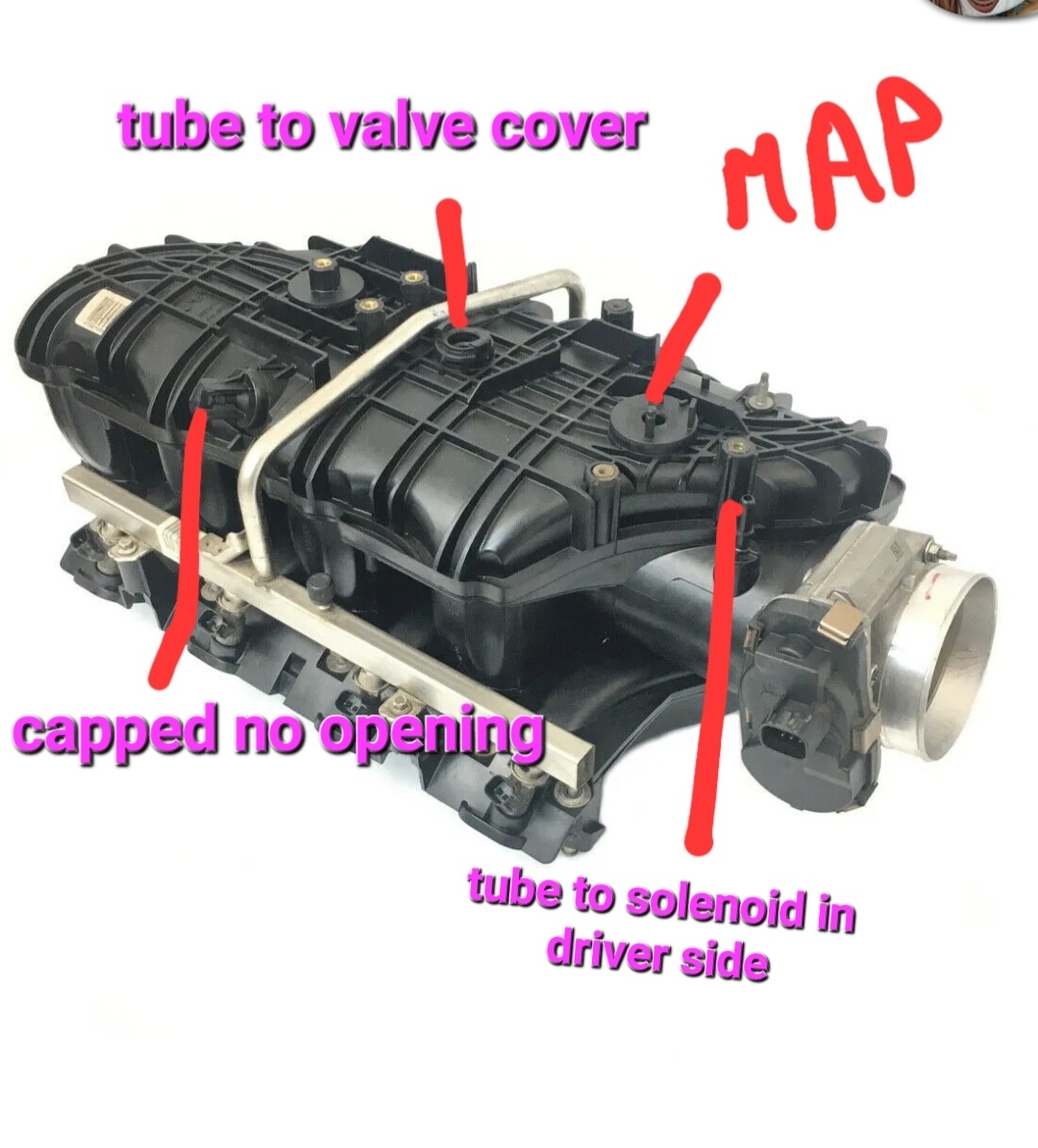
Mine has the 6.2 engine which doesn't connect the passenger valve cover to the intake manifold but instead connects to the air intake tube between the mass sensor and the throttle body. All parts are brand new so no clogs or failed things.
Jun 9, 2023 at 5:21 PM
Avatar
BBOYLILROB
  • MEMBER
  • 22 POSTS
They sold me the tube in the diagram going from passenger side valve cover to the manifold in that diagram but in my 6.2 there is nowhere to plug it in the manifold. When i replaced the original air intake box to a cold air intake system there was a rubber tube that ran from the valve cover passenger side to the air intake tube and the cold air intake had a nipple in the same location where that rubber tube fit. Ran 3-4 years without a problem until i took the heads out for an unrelated problem and the 2 times I've put it back together i get oil into the intake tube from the valve cover tube.
Jun 9, 2023 at 5:32 PM
Avatar
BRENDON S
  • CERTIFIED EXPERT
  • 653 POSTS
Hello BBOYLILROB,

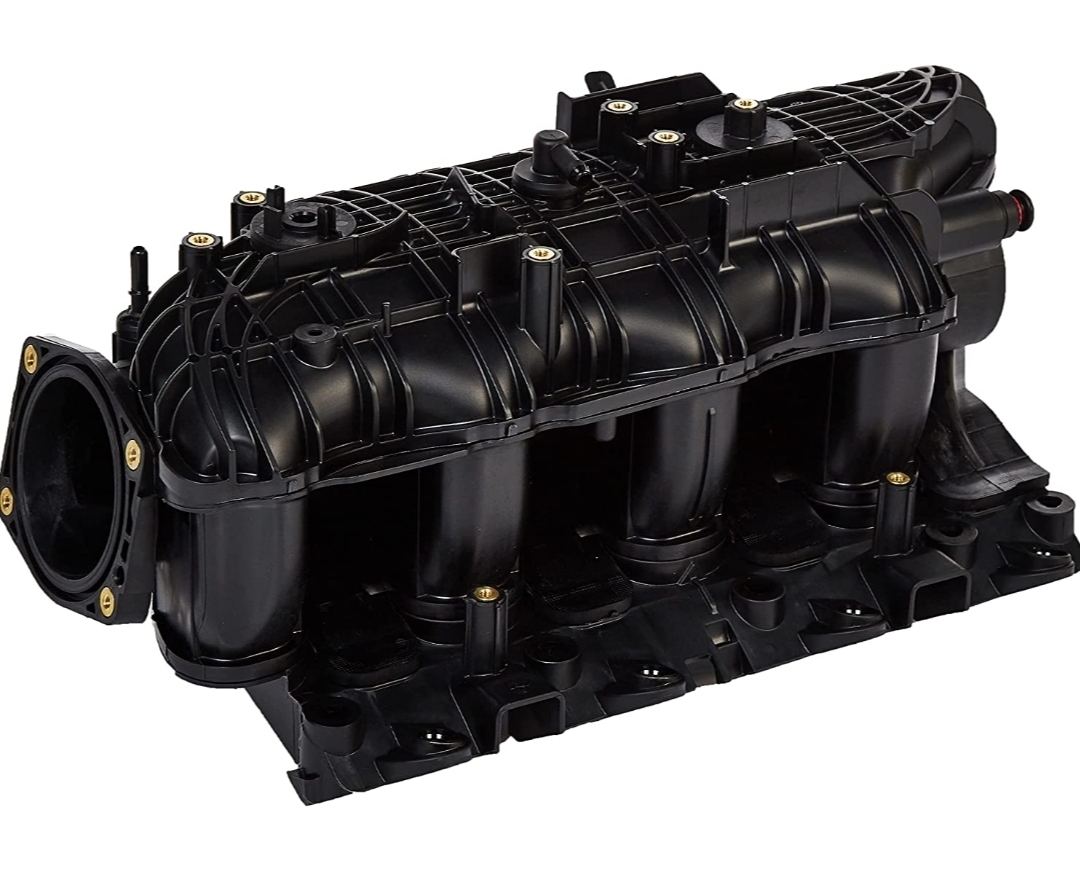
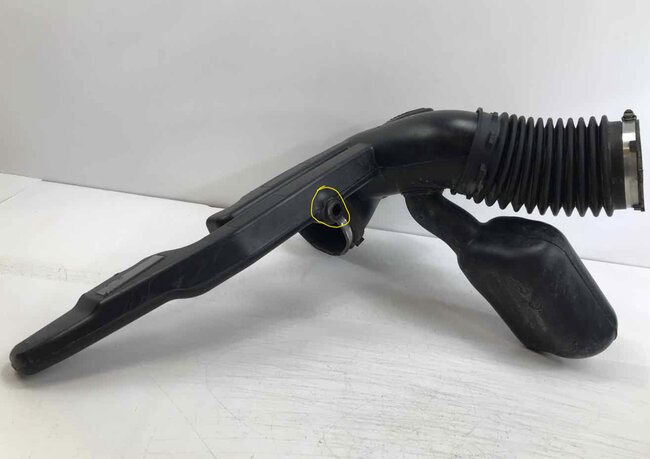
Is this the intake and tube you used to have?

Thank you,
Brendon
Jun 9, 2023 at 5:48 PM
Avatar
BBOYLILROB
  • MEMBER
  • 22 POSTS
I'll be completely honest with you, i don't remember i changed it 5 years ago and i don't remember. But in the instructions of the new intake said put this hose from the valve cover nipple to the air intake tube nipple. It is possible that's the OEM part but i don't recall. But again, it never had this issue until i took the heads off and put it back together.
Jun 9, 2023 at 6:03 PM
Avatar
BRENDON S
  • CERTIFIED EXPERT
  • 653 POSTS
Good morning, BBOYLILROB,

This is true. So, it shouldn't be the cold air intake. I mean everything is brand new. I don't see how replacing valvetrain components with OEM parts would cause this issue. I mean hoses and valve covers are new too. Maybe it's a low vacuum issue? When you did this job, I am assuming you replace the intake manifold gasket as well, right?

If there is an intake leak anywhere, manifold gaskets, map sensor grommet, evap tube grommet or throttle body gasket, it would cause low vacuum and it would affect the PCV System. You probably left the throttle body on when you removed the intake so that gasket should be fine but the maybe a bad seal or gasket somewhere. Most of the time you would notice performance issues or rough idling but not always. Sometimes it can leak with no noticeable symptoms. It may be just big enough to cause lower vacuum, causing the PCV System to malfunction but not enough to turn on the engine light or cause drivability issues.

I was also thinking for now using that oil catch can you had on the driver's side on the passenger's side will at least slow it down for now.

I remember you saying you were consuming a gallon and a half of oil per hour when towing. Is that right? I might have mis-read.

Thank you,
Brendon
Jun 10, 2023 at 5:18 AM
Avatar
BRENDON S
  • CERTIFIED EXPERT
  • 653 POSTS
Hello BBOYLILROB,

Can you tell me what the issue was that led you to remove the heads and do all this work in the first place? Maybe it will help shed some light on what's going on.

Also, I added an image of a K&N intake for your engine. Can you tell me if this is the set-up you have?

When you have a chance.

Thank you,
Brendon
Jun 10, 2023 at 5:32 PM
Avatar
BBOYLILROB
  • MEMBER
  • 22 POSTS
The reason the heads came off was because i had a random mystery lean engine code... Couldn't get rid of it, replaced injectors, solenoid, hoses, gaskets, anything and everything you could think that would cause the problem. Nothing. I took it to a mechanic they said there was a bolt broken in the driver's side exhaust manifold. They said we can fix it without taking the head off. So, i said okay. They drilled the head sideways and put epoxy crap with a Heli coil and basically ruined the head and claimed they fixed it. Code came back before leaving their parking lot. Shitty shop. So, i had to take the head off for it to go to the machine shop so they could extract the broken bolt and fix the ghetto job that mechanic did. After fixing that I kept getting the same code. Went to 3 master GMC mechanics at 3 different dealerships for about 3 months each. Last one finally said the injectors you changed one came defective from factory. Put new injectors light went away and i thought finally my truck is fixed.... And then started dripping oil out the intake tube, lol.
Jun 10, 2023 at 5:39 PM
Avatar
BBOYLILROB
  • MEMBER
  • 22 POSTS
Every gasket had been replaced at least twice, yes when towing my travel trailer i went through gallon and half hour there half hour back.
The picture of the cold air intake yes that's the house where the oil comes from the valve cover to the intake tube and then gets sucked into the intake manifold, they the throttle body.
Jun 10, 2023 at 5:41 PM
Avatar
BRENDON S
  • CERTIFIED EXPERT
  • 653 POSTS
Hello BBOYLILROB,

Okay. Thats a lot of good information. Thank you.

How long since the injector was replaced? Has the engine light been on since?

Your engine, the L92, doesn't have Active Fuel Management (AFM), which has been known to cause oil consumption issues in these motors because apparently it destroys the rings.

But it does have Variable Valve Timing (VVT). They use an actuator in the end of the camshaft the controls valve timing. excessive valve overlap can also cause a "fake" lean condition because oxygen is being pushed down the exhaust and the O2 Sensor is seeing it as unburned air, so it thinks it is lean.

Anyone ever say anything about the cam or VVT or cam phasers when you were going through all this?

Valve overlap issues can also increase crankcase pressure which could explain why oil is being pushed into the intake.

Thank you,
Brendon
Jun 10, 2023 at 6:51 PM
Avatar
BBOYLILROB
  • MEMBER
  • 22 POSTS
Injector was about 2 years ago or so. But truck only been driven maybe 300 miles since. The original lean code was coming because the broken bolt was letting air into the exhaust which o2 read as lean. The bad injector was just a freak things that confused things more. No check engine for lean codes. No check engine lights or codes for anything really since that repair. Just oil pouring out of that tube. Nothing of the cam or those things were mentioned.
Jun 10, 2023 at 7:14 PM
Avatar
BBOYLILROB
  • MEMBER
  • 22 POSTS
Could you tell me what the reading is supposed to be for the MAP sensor at idle and under load? I'll hook my bidirectional computer to it to see what the map is reading and see if I'm reading more, less or normal vacuum.
Jun 10, 2023 at 7:25 PM
Avatar
BRENDON S
  • CERTIFIED EXPERT
  • 653 POSTS
Hello BBOYLILROB,

Absolutely. Let me see what I can find for you.

Thank you,
Brendon
Jun 10, 2023 at 8:01 PM
Avatar
BRENDON S
  • CERTIFIED EXPERT
  • 653 POSTS
Good morning, BBOYLILROB,

At idle you should be at 18-22 inHg at sea level. Your vacuum will decrease about 1" per 1000 ft of elevation. So, if you are at 2,000 ft above sea level 16-20 inHg will be normal for you.

Some engines may have 15-17 inHg at sea level.

At load you should be closer to 0 inHg and slowly rise.

The unit inHg, stands for inches of mercury, which is how vacuum is measured. Your scan tool might be able to change the unit because I think it is going to give you a reading in kPa.

If so, at idle and at sea level you should have about 60-74 kPa.

Here is a kPa-inHg Calculator:
https://convertlive.com/u/convert/inches-of-mercury/to/kilopascals#22

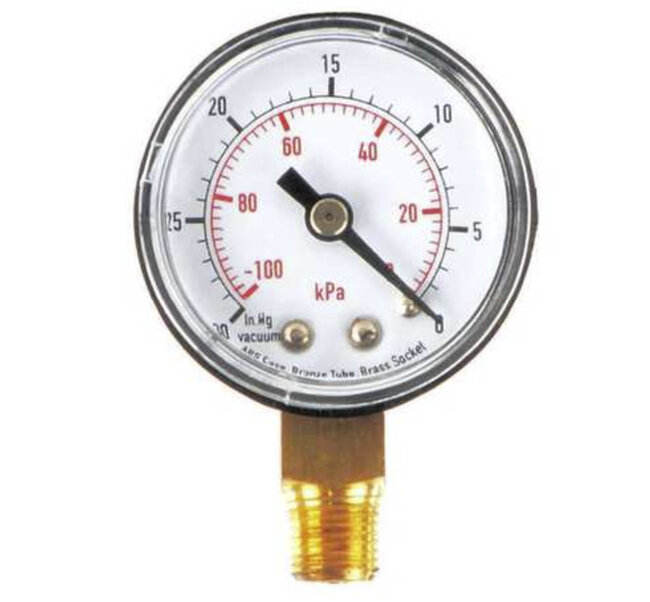
Here is a decent vacuum gauge kit:
https://www.tooldiscounter.com/product/mityvac-vacuum-pressure-gauge-and-fuel-pump-tester-mitmv5511?msclkid=4d10c819bb8013f3db35ac9c57cf793b

If the MAP Sensor is dirty, it could read lower.

An analog gauge on the brake booster line or you could also use a tee at the PCV port on the intake would be better. This way all vacuum lines are connected.

You are going to want to get it up to operating temp and look at it at idle, low cruise (1800-2200 RPM) and high cruise (2500-3000 RPM) for about 15 seconds. Let your foot off the gas. The vacuum reading should jump as the throttle closes. Sometimes to up to around 25 inHg.

Here is a good article about the process which has a lot of other good information in it:
https://www.motor.com/magazine-summary/mastering-the-basics-reading-a-vacuum-gauge/#:~:text=Run%20the%20engine%20at%20idle%2C%20low%20cruise%20%281800,and%20watch%20the%20gauge%20as%20the%20speed%20drops.

Another expert also suggested we measure crankcase pressure. Excessive crankcase pressure can push oil out of the engine so I agree it is something we should definitely test as well.

He suggested using a pressure transducer on the dipstick tube, but you will need a waveform viewer to get the measurement. This is the most accurate way, but a waveform viewer is very expensive.

There is another way I found I think is worth a try. It's using something called a manometer and the oil cap. You could get an oil cap from the boneyard, make sure it has a good seal and attach a fitting to it.

The meter is about $50. HVAC techs use them to measure gas pressure at your furnace.

Here is a link to one:
https://www.amazon.com/Manometer-Professional-Pressure-Differential-Measuring/dp/B07CWQJD6D/ref=asc_df_B07CWQJD6D?tag=bingshoppinga-20&linkCode=df0&hvadid=80814160006525&hvnetw=o&hvqmt=e&hvbmt=be&hvdev=c&hvlocint=&hvlocphy=&hvtargid=pla-4584413736956691&psc=1

Here is a video of someone doing this test:
https://youtu.be/8AcvKPYFeDI

It is on a mini, but the theory is the same.

Since the oil is coming out of the valve cover with the oil cap is I think this would be a good place to test.

From what I have found max pressure should be 2.5 to 6.0 psi.

I would also perform a compression test. Your engine is chugging oil, so I want to make sure there isn't an issue with the piston rings. You can rent a tester at a local auto parts store, but they get thrown around and can be very inaccurate. They are pretty cheap, so I would just get a new one. It's a good tool to have.

Here is a link to a decent one that is inexpensive:
https://www.harborfreight.com/compression-test-kit-8-piece-62638.html?utm_source=bing&utm_medium=cpc&utm_campaign=425671834&campaignid=425671834&utm_content=1154488236059904&adsetid=1154488236059904&product=62638&store=639&msclkid=22c0e3b9ea1c1ae7a06e873c3ed78f35

For a spec so far all I can find is:
No cylinder should be below 100psi
No cylinder should be less than 70% of the highest cylinder reading

I think performing these tests will give us some insight as to what might be going on.

When you get home and rest your bones a bit, I would perform these tests. I will guide you through them.

Once we get some measurements, we can take them and start looking at specific areas.

Thank you,
Brendon
Jun 11, 2023 at 9:29 AM

Avatar
AL514
  • CERTIFIED EXPERT
  • 5,465 POSTS
Cold air intake creates more vacuum and pulls more air than the system is designed for, causing excessive crankcase vacuum? Have him put a vacuum gauge on the oil dipstick and raise the rpm, see what he gets. This would be a good time to put a pressure transducer on the dipstick and scope the readings.
Jun 11, 2023 at 10:35 AM
Avatar
STEVE W.
  • CERTIFIED EXPERT
  • 15,113 POSTS
Reading his later responses the intake he installed isn't set up for PCV, there are two different versions of that engine, the heavy duty version doesn't use the external PCV system. That would be the intake he installed that doesn't have the PCV fitting. On those the rest of the parts are not used either as the intake handles the PCV functions internally. Looking at his other responses it sounds like he has run the PCV line to the intake, but that fitting is supposed to be the fresh air intake connection and the air then goes into the engine and out to the intake fitting that he doesn't have. Not sure how to rig that system up with the mixed parts.
Jun 11, 2023 at 10:36 AM
Avatar
STEVE W.
  • CERTIFIED EXPERT
  • 15,113 POSTS
Only other thing I can think of would be if by some fluke it cracked a ring and gouged a cylinder wall. That much oil use would show up in massive leaks if it's engine internal pressure, the front and rear crank seals would be dumping oil like waterfalls if the pressure in the block rises by hardly anything at all. Might try a leak down test to at least get a read on the condition of the rings and bores. Think I read he used all stock parts? If so I can't think of a reason it would suddenly start using oil unless something odd occurred, the 6.2 isn't really known as an oil burner, even when they are well worn.
Jun 11, 2023 at 10:37 AM