Oil in reservoir and radiator

2004 BUICK LESABRE
60,000 MILES • 3.8L • 6 CYL • 2WD • AUTOMATIC
Avatar
DAVID MILLIRON
  • MEMBER
  • 2 POSTS
We replaced the valve cover gaskets and gaskets under the black manifold and under the manifold itself. cleaned the injectors attached to the fuel rail replaced mass flow valve, and postilion throttle sensor, and fuel regulator, replaced cool packs, spark plugs, and wires, new serpentine belt, elbows that attach to the tensioner, with metal ones old were plastic. Then put it all back together and released air pressure from the valve, on top of the thermostat replaced thermostat as well, then drove it around for 27 miles then home. in morning went to leave then car wouldn't start. noticed fuel coming out of the fuel regulator. then saw that oil had mixed in with the antifreeze reservoir then opened the radiator cap saw oil in there as well.
Nov 20, 2019 at 11:28 AM

Advertisement
Avatar
ASEMASTER6371
  • CERTIFIED EXPERT
  • 52,796 POSTS
Good afternoon,

The fuel pressure regulator has failed and needs to be replaced.

As far as the oil, do you mean it is a white residue or actual oil?

Roy

Collision Roy
Phone
5
Change Vehicle Bookmarks Library Request Conversion Calculator Technician's Reference - Collision
fuel pressure regulator
16
Community 32 Create Quote
2004 Buick LeSabre V6-3.8L VIN K
Procedures
Vehicle Powertrain Management Fuel Delivery and Air Induction Fuel Pressure Regulator Service and Repair Procedures
PROCEDURES
FUEL PRESSURE REGULATOR REPLACEMENT (VIN K)

REMOVAL PROCEDURE


imageOpen In New TabZoom/Print

1. Relieve the fuel pressure. Refer to Fuel Pressure Relief Procedure.


imageOpen In New TabZoom/Print

2. Clean any dirt from the fuel pressure regulator retaining ring.
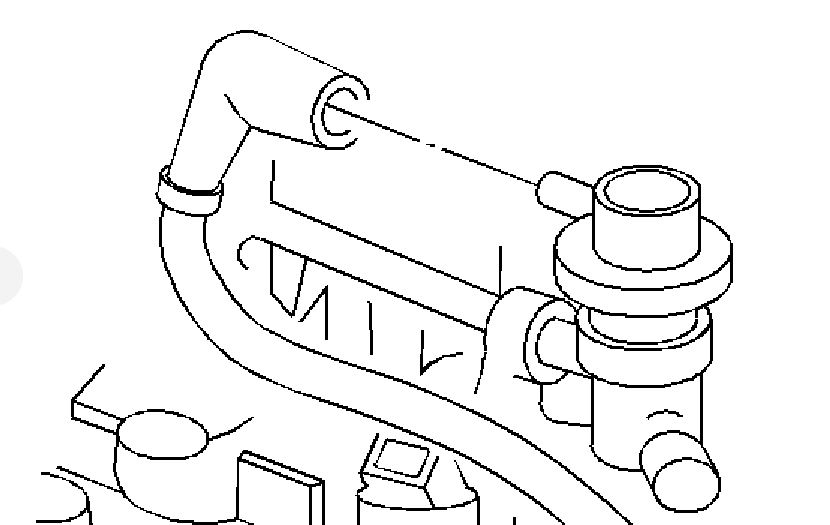
3. Remove the vacuum hose from pressure regulator.


imageOpen In New TabZoom/Print

4. Remove the snap ring (7).
5. Using a shop towel to catch any spilled fuel, lift and twist the fuel pressure regulator in order to remove the fuel pressure regulator (6) from the fuel pressure regulator housing (1).
6. Remove the regulator O-ring small (2).
7. Remove the regulator filter screen (3).
8. Remove the regulator O-ring large (4).
9. Remove the regulator O-ring back up (5).
10. Cover the fuel pressure regulator housing (1) to prevent contamination from entering the fuel system.
Nov 20, 2019 at 12:28 PM
Avatar
ASEMASTER6371
  • CERTIFIED EXPERT
  • 52,796 POSTS
Good afternoon

The fuel pressure regulator has failed and needs to be replaced.

As far as the oil, do you mean it is a white residue or actual oil?

Roy

Collision Roy
Phone
5
Change Vehicle Bookmarks Library Request Conversion Calculator Technician's Reference - Collision
fuel pressure regulator
16
Community 32 Create Quote
2004 Buick LeSabre V6-3.8L VIN K
Procedures
Vehicle Powertrain Management Fuel Delivery and Air Induction Fuel Pressure Regulator Service and Repair Procedures
PROCEDURES
FUEL PRESSURE REGULATOR REPLACEMENT (VIN K)

REMOVAL PROCEDURE


imageOpen In New TabZoom/Print

1. Relieve the fuel pressure. Refer to Fuel Pressure Relief Procedure.


imageOpen In New TabZoom/Print

2. Clean any dirt from the fuel pressure regulator retaining ring.
3. Remove the vacuum hose from pressure regulator.


imageOpen In New TabZoom/Print

4. Remove the snap ring (7).
5. Using a shop towel to catch any spilled fuel, lift and twist the fuel pressure regulator in order to remove the fuel pressure regulator (6) from the fuel pressure regulator housing (1).
6. Remove the regulator O-ring small (2).
7. Remove the regulator filter screen (3).
8. Remove the regulator O-ring large (4).
9. Remove the regulator O-ring back up (5).
10. Cover the fuel pressure regulator housing (1) to prevent contamination from entering the fuel system.
Nov 20, 2019 at 12:28 PM
Advertisement
Avatar
DAVID MILLIRON
  • MEMBER
  • 2 POSTS
The oil I found is only in the reservoir and radiator.
Nov 21, 2019 at 3:09 AM
Avatar
ASEMASTER6371
  • CERTIFIED EXPERT
  • 52,796 POSTS
Okay, that unfortunately is more serious. Most of the time it indicates a block issue allowing oil into the cooling system.

I would have a shop check this to confirm. If I am correct, you will need to replace the engine.


Roy
Nov 21, 2019 at 3:26 AM