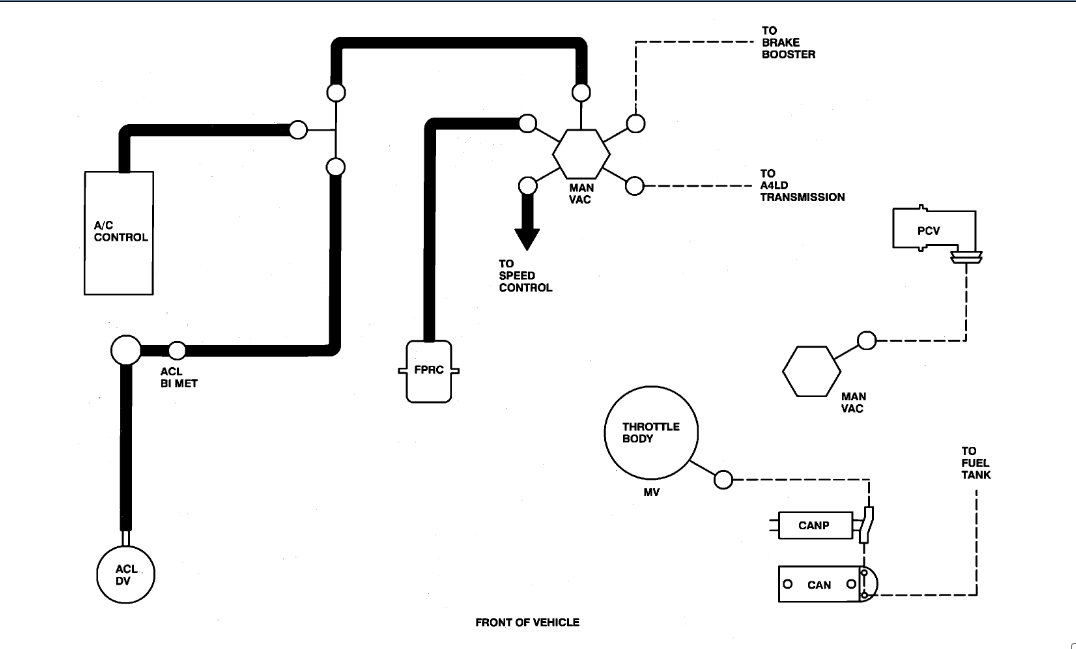
So my SUV is running like straight trash right now. From a dead stop as I accelerate it is seriously sluggish up until about 2,500 RPM's, when it finally coughs up a bit and decides to go faster. Sometimes, I can't get it to go above 20 mph, in which case I have to throw it in neutral and rev the engine up again until it feels sorta normal. I initially thought that once I replaced my fuel filter it started running rich, but I pulled codes and found out it was running lean. I got codes 181, 185, and 189, but I am not the most mechanically inclined person and I am learning as I go while I'm trying to fix all the little things on this car myself. I was going to clean out my throttle body and see if that helped alleviate some of the rough driving right now, but after getting these codes I am wondering if that will even help. What I need to know is what these codes specifically mean, and where the appropriate o2 sensors for those codes are located before I dive in to buying parts I don't need, or the wrong parts entirely.
Nov 8, 2019 at 4:52 PM