Grinding wobbly howling noise when accelerating

2000 FORD EXPEDITION
186,000 MILES • 5.4L • V8 • 4WD • AUTOMATIC
Avatar
LAURIE HOFFER
  • MEMBER
  • 48 POSTS
When accelerating I hear a what sounds like a grinding wobbly howling noise that seems to be coming from the front end. My son crawled under it and said it looks to have a leak where the axle goes into the transmission. It does not do it all the time. Does this sound consistent with the noises I am describing?
Dec 12, 2018 at 12:28 AM
Advertisement
Avatar
JACOBANDNICKOLAS
  • CERTIFIED EXPERT
  • 110,175 POSTS
Hi and thanks for using 2carpros.com.

The first thing I need you to do is check the front differential to make sure it isn't out of gear lube.

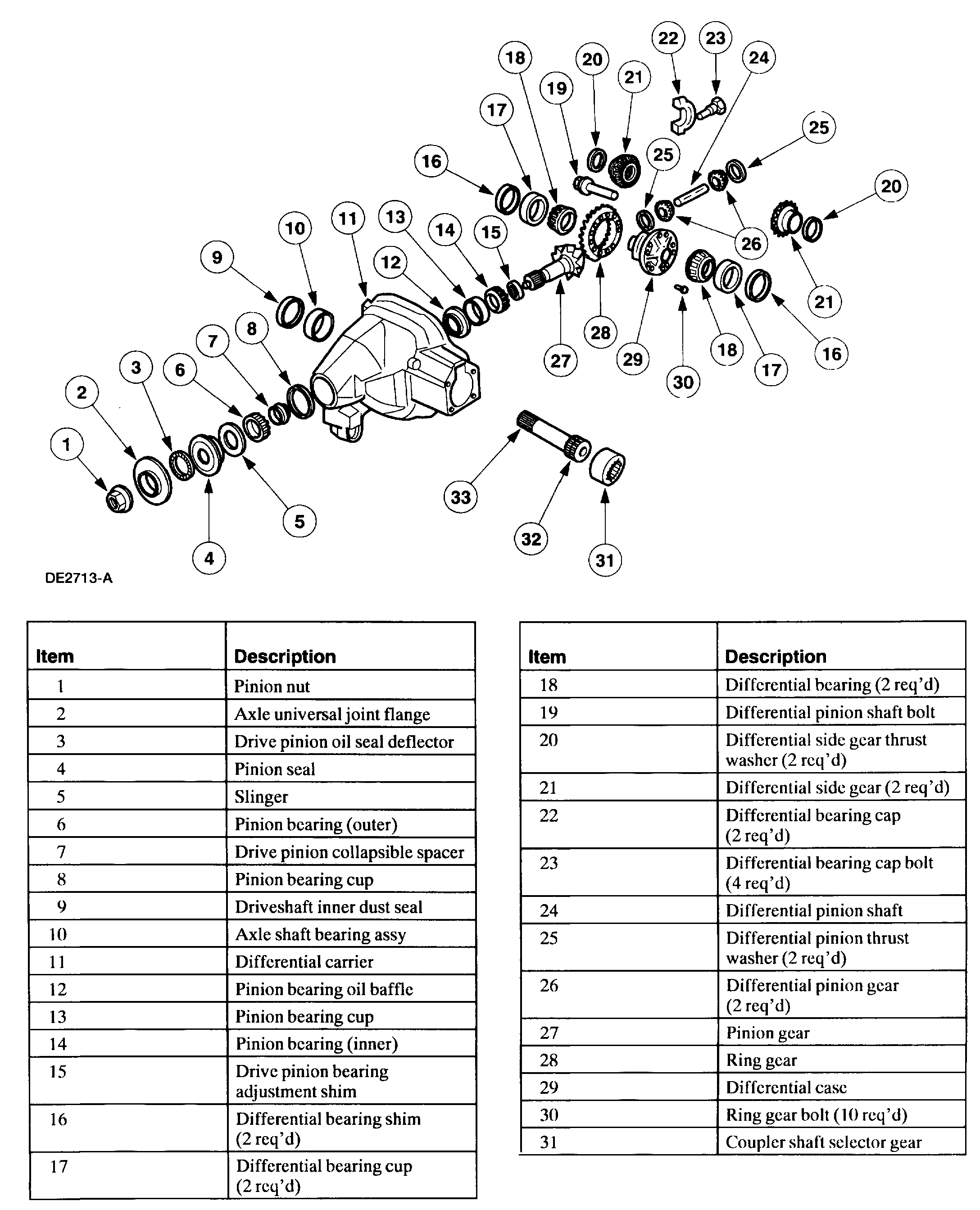
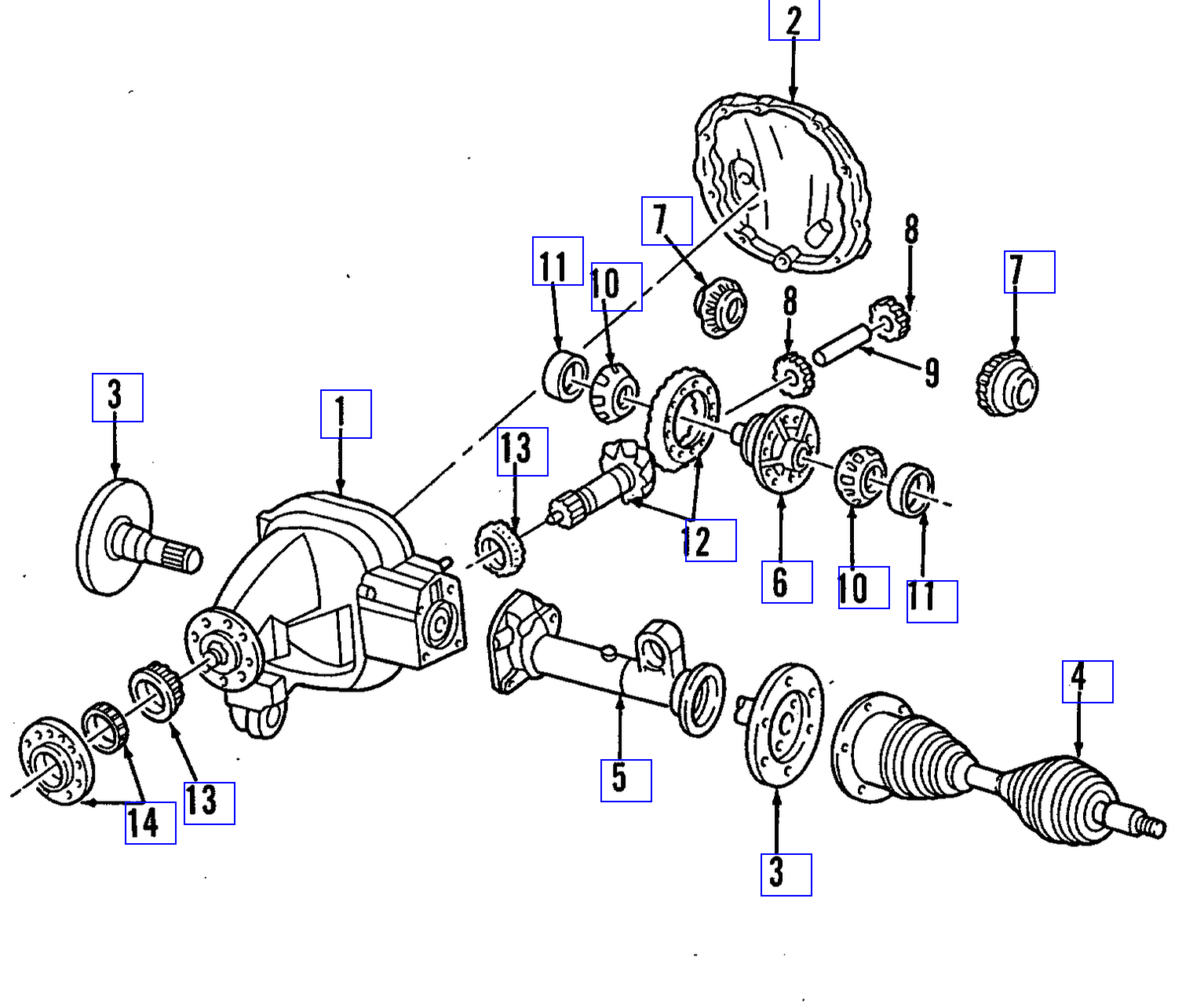
Where the front axles attach is the differential and not the transmission. I attached two pictures for you to see. The differential is internally lubricated with gear lube which is a very heavy oil. Since you have a leak, one of two things is happening. Either you are out of oil, which will damage internal bearings, or you will get really lucky and only need to replace a seal to stop the leak and then refill the differential.

As you will see on the attached pictures, there are several bearings in the differential as well as the extension housing, where the seal and axle come together. Any of them can be bad as a result of low fluid. However, I would first question the extension bearing closest to the seal that is leaking. It may have caused the seal to fail.

To check the fluid, there is a plug on the front cover of the differential. Remove the plug to check fluid level. The fluid level should be level with the bottom of the opening where you removed the plug. If it is low, refill it until it starts to leak from the inspection plug opening.

Here is the type of fluid the front differential requires:

Motorcraft SAE 75W-90 Premium 4x4 Front Axle Lubricant XY-75W90-TQL
Specification .................... WSP-M2C201-A

Note: As long as you get the 75w90 premium type, it doesn't have to be the Motorcraft brand. However, make sure it meets the specifications listed.

Feel free to let me know if you have other questions.

Take care,
Joe
Dec 13, 2018 at 8:17 PM
Avatar
LAURIE HOFFER
  • MEMBER
  • 48 POSTS
My? Is why doesn't it do it all the time could it be something else now? I am told its not leaking seems like its coming from the drivers side.
Dec 13, 2018 at 9:05 PM
Advertisement
Avatar
JACOBANDNICKOLAS
  • CERTIFIED EXPERT
  • 110,175 POSTS
Make sure the differential is full first. If it is and there are no leaks, then that doesn't sound like the problem. However, there are front hub bearings on each side near the wheels. When they go bad, you usually will hear a howling sound that changes pitch when turning and with speed. Please keep in mind, I'm not there, so I am basing this on symptoms that I haven't heard or components I haven't checked. However, my suggestions fit the description you provided.

Check those things and let me know what you find. Also, feel free to let me know if you have other questions.

Take care and let me know the results.

Joe
Dec 13, 2018 at 9:15 PM
Avatar
LAURIE HOFFER
  • MEMBER
  • 48 POSTS
The noise is only when acceleration not when turning now. I just put it in reverse and it made a loud clunking sound.
Dec 13, 2018 at 10:02 PM
Avatar
JACOBANDNICKOLAS
  • CERTIFIED EXPERT
  • 110,175 POSTS
Then you really need to safely lift the front of the vehicle and turn the tires back and forth as well as check the axles for play to determine where the problem is coming from. It could be many different things dealing with the front components including wheel bearing, axle bearing, internal differential components. Did you confirm the differential fluid is full?
Dec 14, 2018 at 2:47 PM
Avatar
LAURIE HOFFER
  • MEMBER
  • 48 POSTS
Hi, we have determined the front differential isn't leaking.
Dec 18, 2018 at 10:30 AM
Avatar
JACOBANDNICKOLAS
  • CERTIFIED EXPERT
  • 110,175 POSTS
Welcome back,

That's good news. Okay, did you check for excessive play in the front wheels? For example, is there play when you shake the wheel left and right as well as up and down with the wheel off the ground?

If there is no play, check to make sure there isn't excessive play in the universal joints. Here is a link that shows how to check:

https://www.2carpros.com/articles/how-u-joints-work

https://www.2carpros.com/articles/how-to-remove-a-drive-shaft

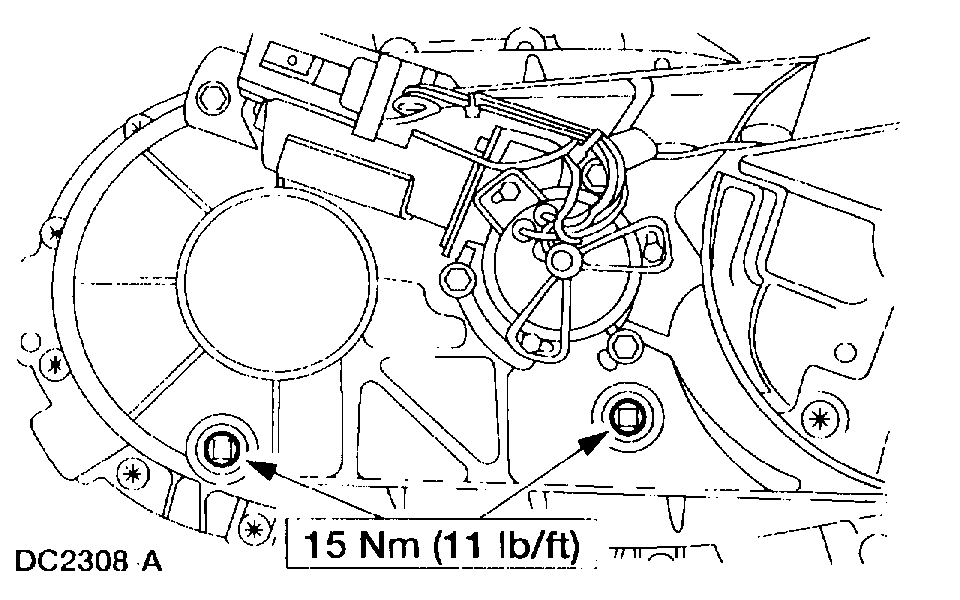
Next, I need you to check and make sure the transfer case is full. The transfer case is mounted to the rear of the transmission and is what transfers power to both the front and rear wheels. On the rear of the transfer case you will see two bolts. One is a drain and the other one, which is higher, is the fill and check location. I attached a picture for you to help identify the component. Remove the fill/check bolt. The fluid level must be just below the fill plug. If nothing comes out, use something like a piece of wire as a dipstick and confirm the fluid level is full or at least close to full.

If you find there is no problem with the u-joints, the fluid is full in the differential and transfer case, there is no excessive play in the wheels resulting from a wheel bearing, then we will need to start focusing on opening up the front differential to check for bearing issues or evidence of metal shavings in the fluid as well as the transfer case.

I wish there was an easier answer. If you can, record the sound you hear and upload it for me. I may be able to identify it faster.

Take care and if I don't hear from you for awhile, have a great Christmas.

Joe
Dec 18, 2018 at 6:12 PM
Avatar
LAURIE HOFFER
  • MEMBER
  • 48 POSTS
My truck is severely out of alignment could this be the problem? I was told possibly could be.
Dec 18, 2018 at 8:11 PM
Avatar
JACOBANDNICKOLAS
  • CERTIFIED EXPERT
  • 110,175 POSTS
Honestly, I doubt it, but anything is possible. Are the tires worn unevenly?
Dec 18, 2018 at 8:41 PM
Avatar
LAURIE HOFFER
  • MEMBER
  • 48 POSTS
Yes, it is eating tires like candy and the drivers tire the top of the tire point in.
Dec 18, 2018 at 8:43 PM
Avatar
JACOBANDNICKOLAS
  • CERTIFIED EXPERT
  • 110,175 POSTS
Laurie:

If it is that bad, it should be aligned. Alignment, in and of itself, shouldn't cause the noises you described. But, it can lead to component wear due to excessive stress. What I suggest is to have it aligned. When it is being done, they will check all steering components prior to doing the work (at least they should). At the same time, ask them to check for any suspension or component that could cause the noise you hear. If the tires are bad enough, they could cause noise. Don't have anything replaced until you let me know what they are suggesting. That way, I can let you know if it is related.
Dec 18, 2018 at 8:56 PM
Avatar
LAURIE HOFFER
  • MEMBER
  • 48 POSTS
Okay, I will be in touch. thank you
Dec 18, 2018 at 9:01 PM
Avatar
LAURIE HOFFER
  • MEMBER
  • 48 POSTS
Hello again, would anything inside the differential cause these sounds?
Dec 19, 2018 at 10:46 AM
Avatar
JACOBANDNICKOLAS
  • CERTIFIED EXPERT
  • 110,175 POSTS
Welcome back:

There are several bearings in the differential that can fail, although it isn't common. Interestingly, I had a Suburban with a similar issue today. It sounded really bad (grinding) but not all the time. The problem was a wheel hub bearing. As soon as I lifted the vehicle, the play was obvious in the wheel.
Dec 19, 2018 at 6:45 PM
Avatar
LAURIE HOFFER
  • MEMBER
  • 48 POSTS
I noticed today its more of s thumping sound with the as in the bearings its like a thumping sorta bouncy like a bad tire grinding or like spinal turning and when slowing down sorta a whining sound. we jacked it up and didn't feel play in the wheel.
Dec 19, 2018 at 7:59 PM
Avatar
JACOBANDNICKOLAS
  • CERTIFIED EXPERT
  • 110,175 POSTS
If possible, record the sound and upload it for me to hear.

Dec 19, 2018 at 8:36 PM
Avatar
LAURIE HOFFER
  • MEMBER
  • 48 POSTS
Okay, I did try but since it only does when moving it is hard to hear with other noises around. but I will try.

Thank you
Dec 19, 2018 at 8:47 PM
Avatar
LAURIE HOFFER
  • MEMBER
  • 48 POSTS
Can't get the noise recorded, but it sounds and feels like your riding over rumble strips on the road.
Dec 19, 2018 at 11:00 PM
Avatar
LAURIE HOFFER
  • MEMBER
  • 48 POSTS
Could it be 4x4 related?
Dec 20, 2018 at 11:51 AM
Avatar
JACOBANDNICKOLAS
  • CERTIFIED EXPERT
  • 110,175 POSTS
Anything is possible. If you could upload the sound, I may be able to identify it easier.

Let me know.

Joe
Dec 20, 2018 at 6:04 PM
Avatar
LAURIE HOFFER
  • MEMBER
  • 48 POSTS
We have tried several times with no luck.
Dec 20, 2018 at 7:37 PM
Avatar
LAURIE HOFFER
  • MEMBER
  • 48 POSTS
Can it by chance jump Into 4x4 by itself?
Dec 21, 2018 at 9:17 AM
Avatar
JACOBANDNICKOLAS
  • CERTIFIED EXPERT
  • 110,175 POSTS
Hi:

If things are working properly, it shouldn't shift to 4wd on its own. However, that doesn't mean there couldn't be a short that is causing it to happen. However, some of these vehicles came with automatic 4wd. Basically, the system would automatically engage when a slippage was detected. If one of the speed sensors has failed, it could think it's spinning and engage. I don't know if you have that option, but it would be indicated on the 4wd control knob.
Dec 21, 2018 at 5:14 PM
Avatar
LAURIE HOFFER
  • MEMBER
  • 48 POSTS
No mine does not have that feature. there is so much going wrong with this truck I am considering getting rid of it. I love the truck but the person who sold it to us wasn't completely honest about the issues. there's a clunk in the area end the suspension. Like is on the truck is terrible in the rain like driving on ice and now whatever this new issue is seemed to be fine until we replaced the upper ball joint then this noise I have been telling you about started.
Dec 21, 2018 at 6:46 PM
Avatar
JACOBANDNICKOLAS
  • CERTIFIED EXPERT
  • 110,175 POSTS
When you replaced the ball joint, are you certain the CV joint was fully seated when you put things back together?
Dec 21, 2018 at 8:29 PM
Avatar
LAURIE HOFFER
  • MEMBER
  • 48 POSTS
Will check that. it has a feeling like it's trying to grab. if that makes sense.
Dec 21, 2018 at 8:45 PM
Avatar
JACOBANDNICKOLAS
  • CERTIFIED EXPERT
  • 110,175 POSTS
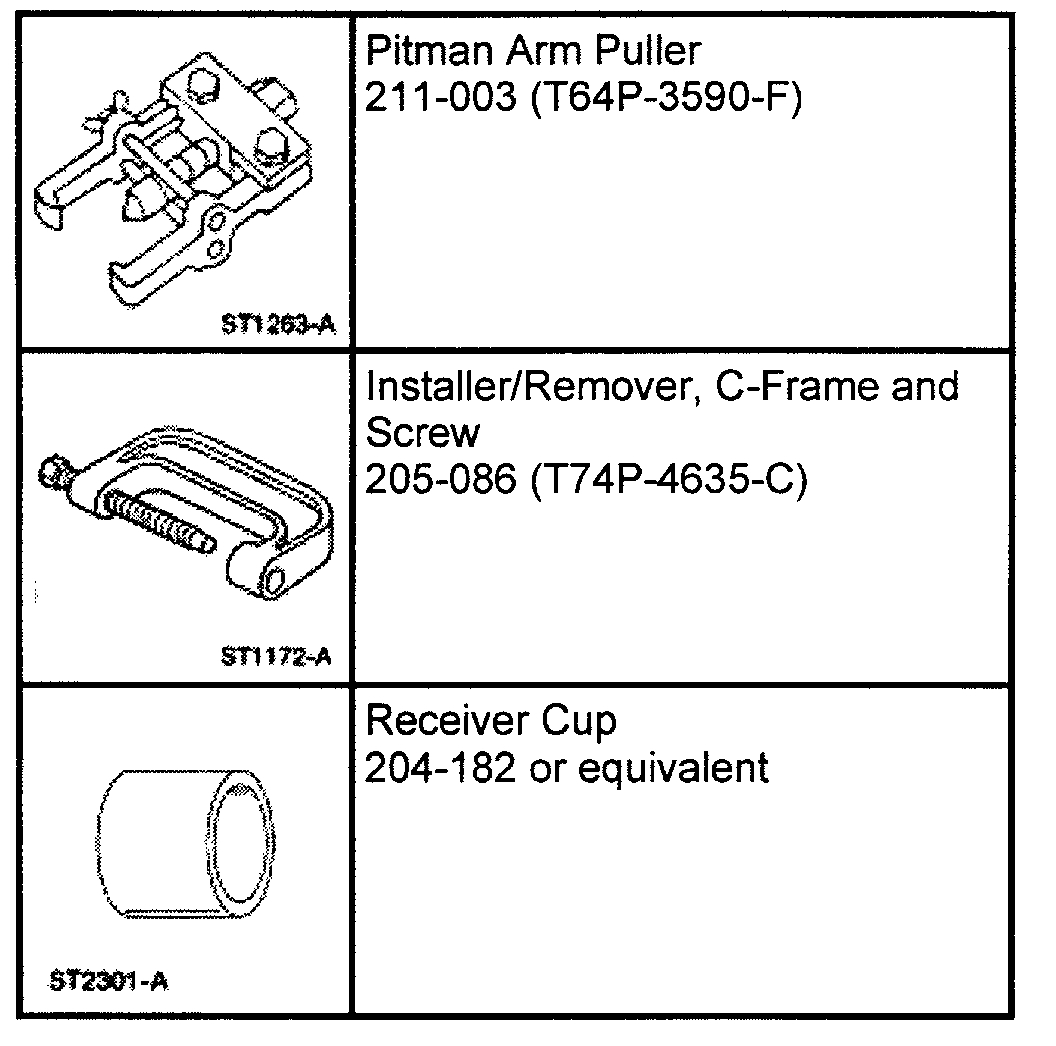
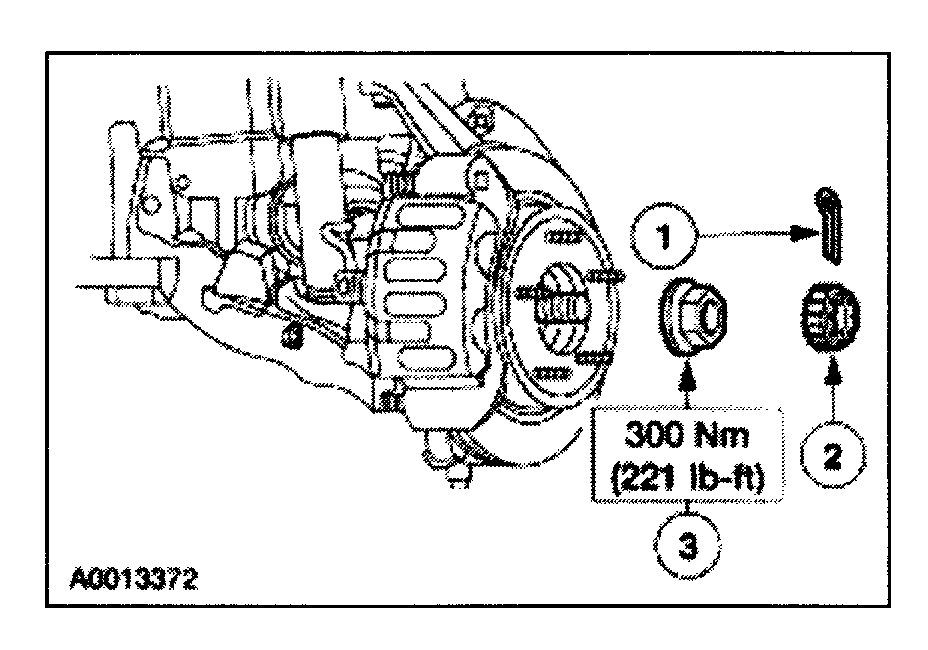
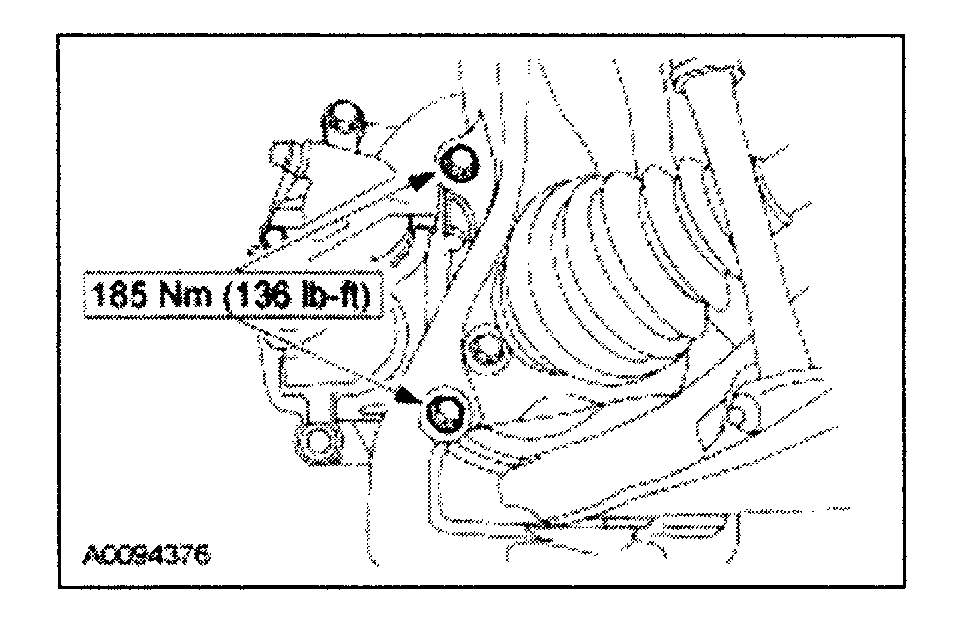
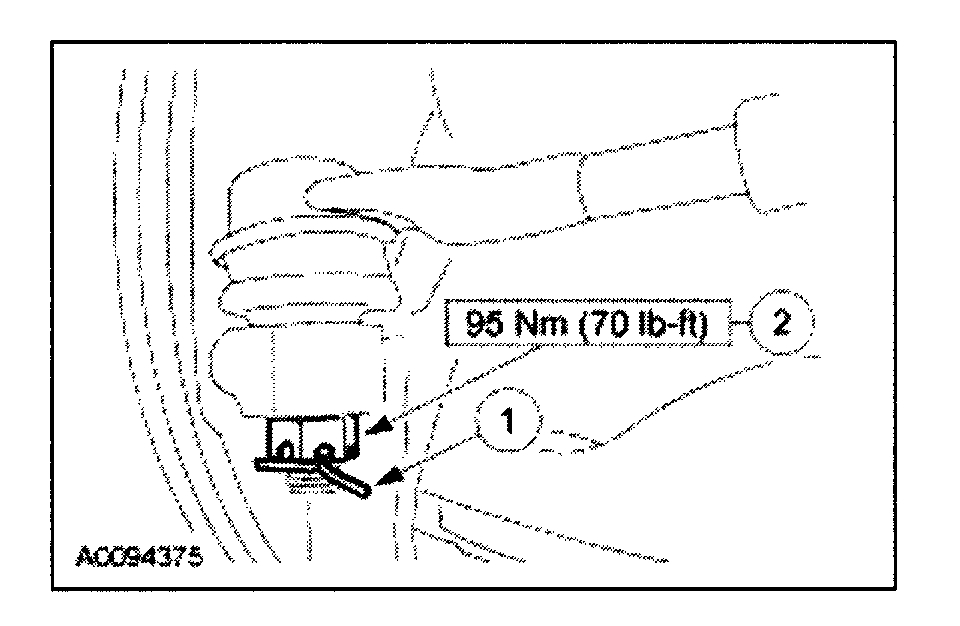
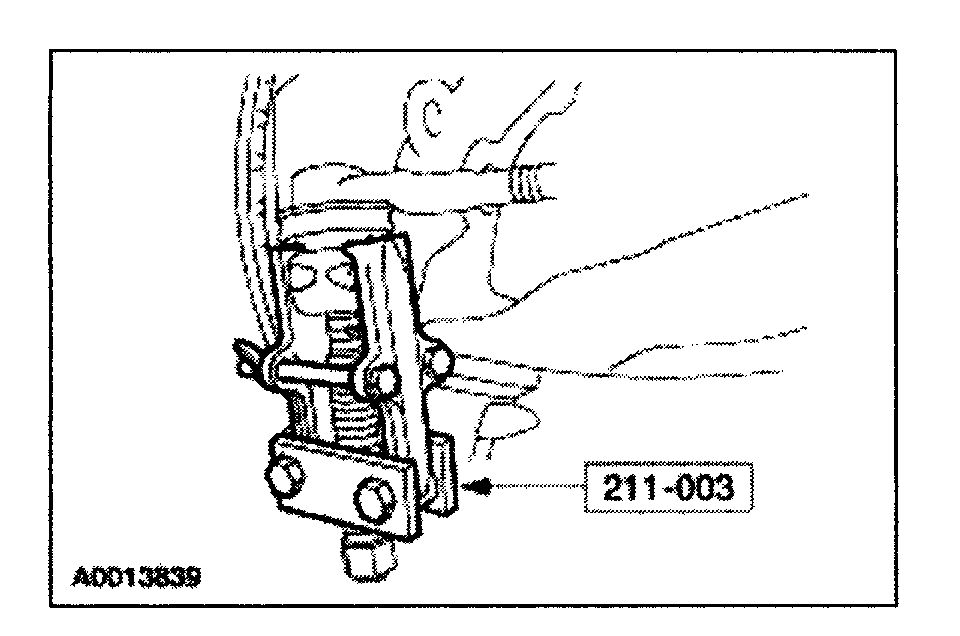
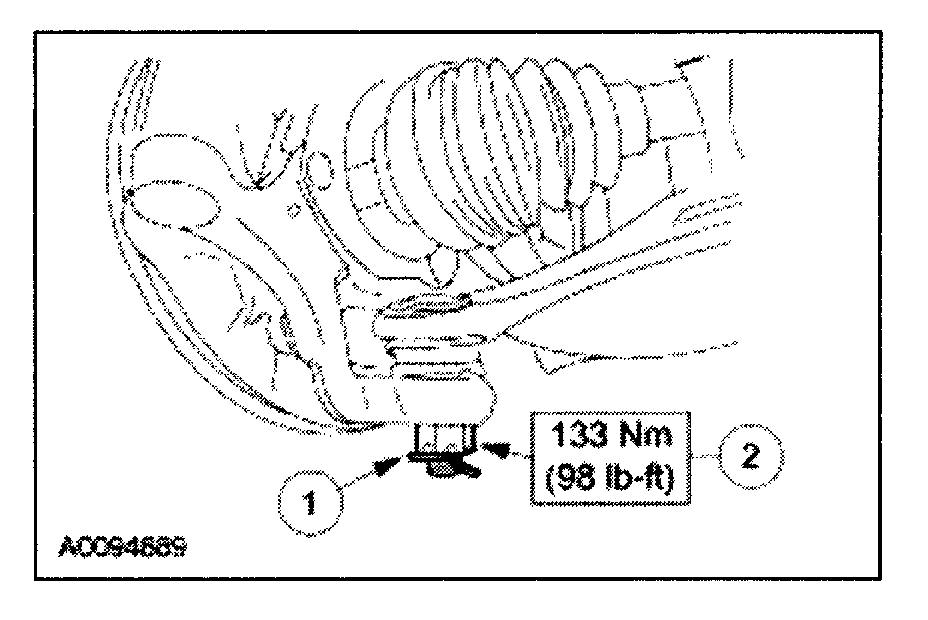
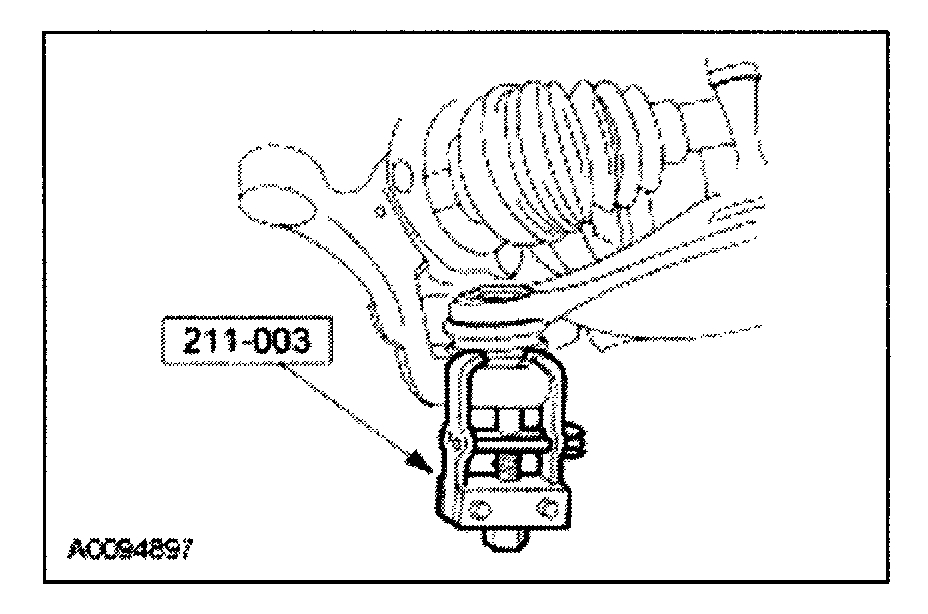
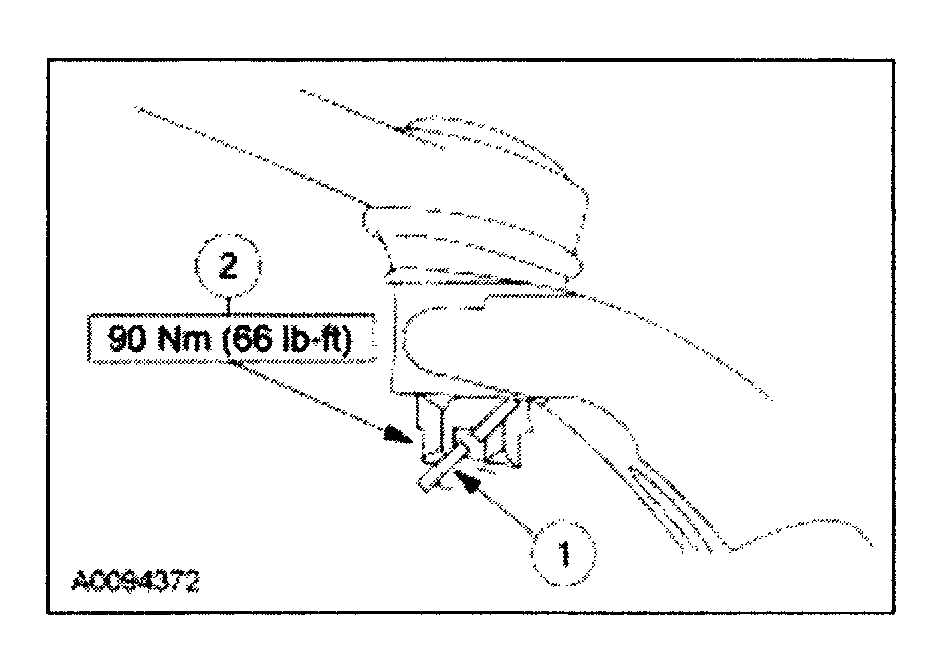
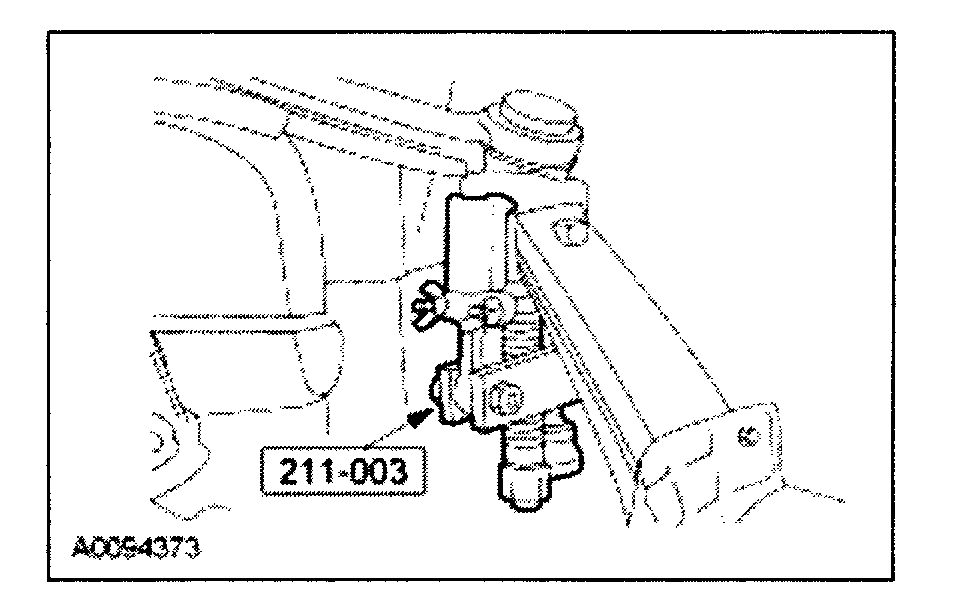
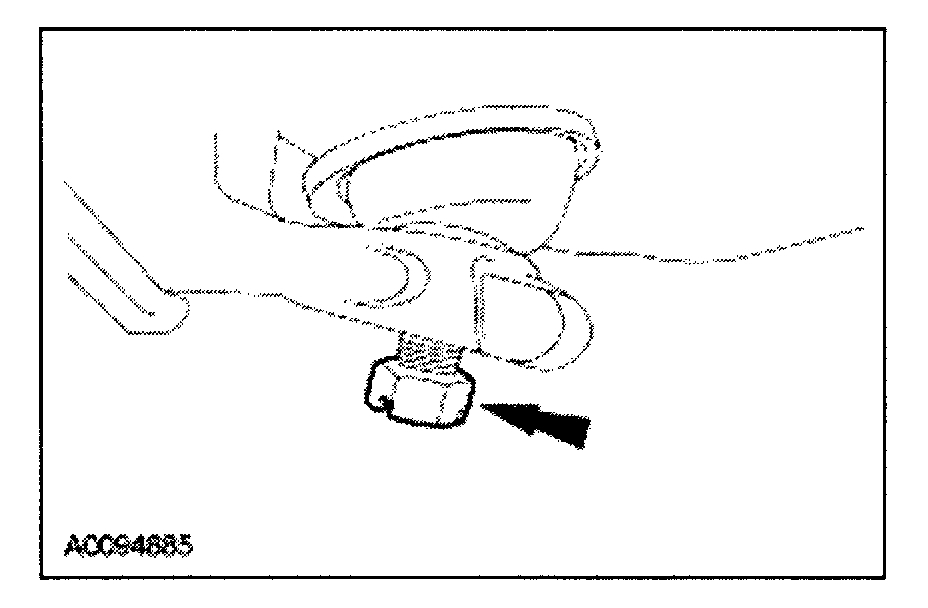
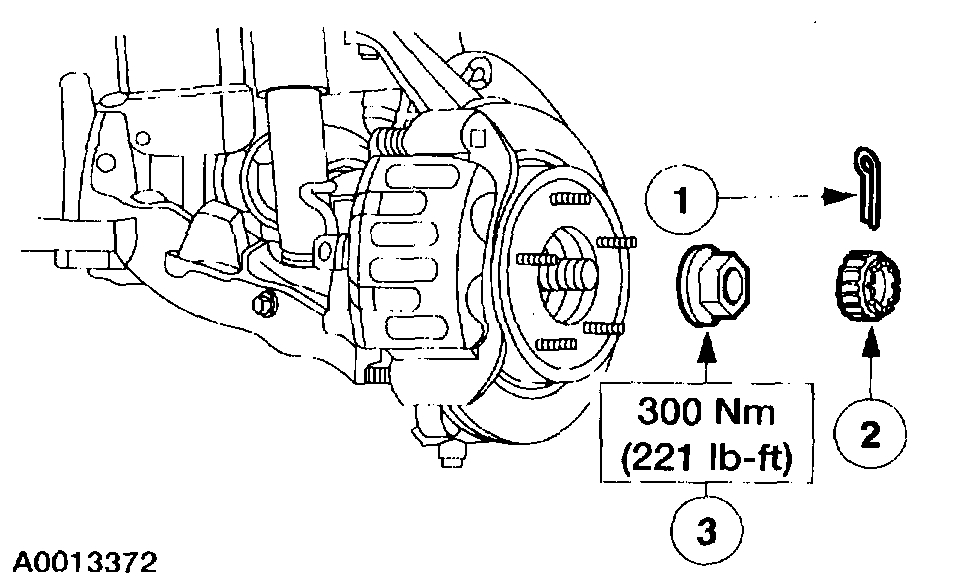
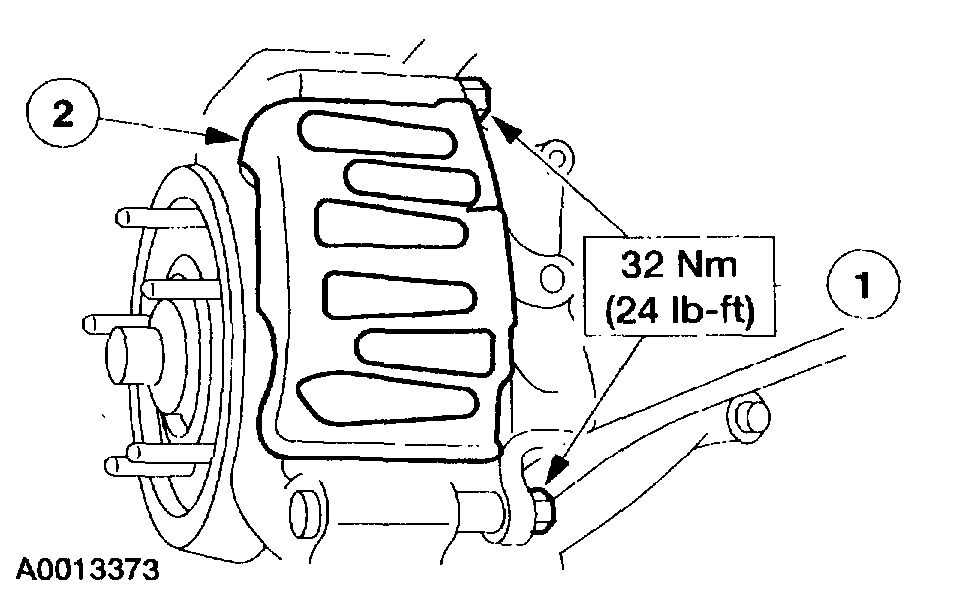
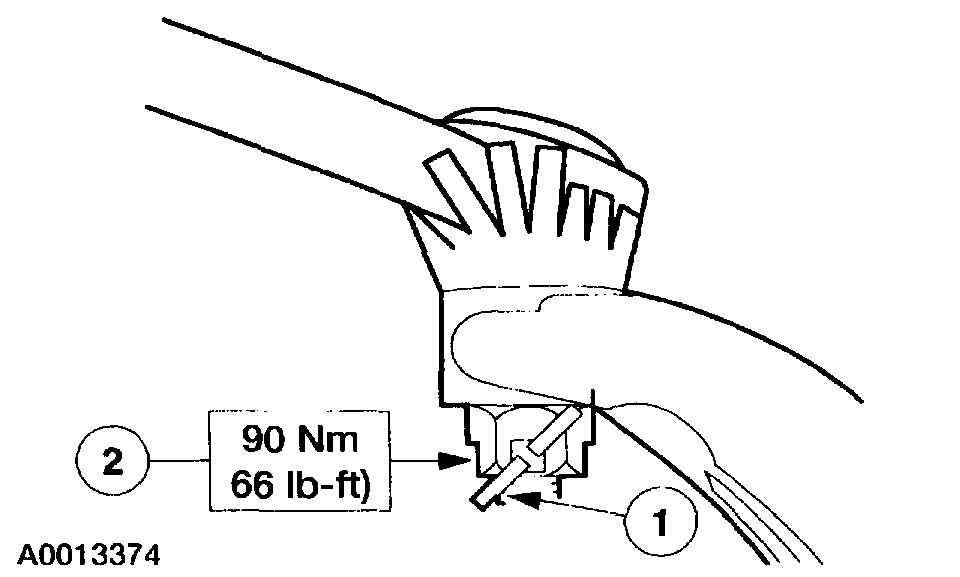
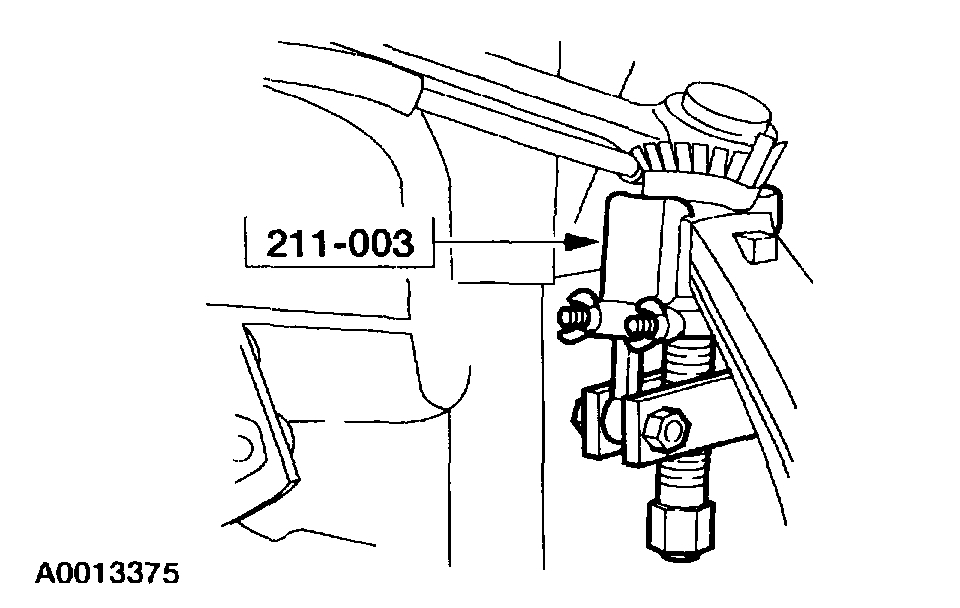
Since the problem started when you replaced the ball joint, I have a feeling something wasn't properly put back together. Here are the directions for ball joint replacement. Read through them to see if you did what the directions indicated to do. All attached picture correlate with these directions.

_______________________________________________

Ball Joint Removal and Installation

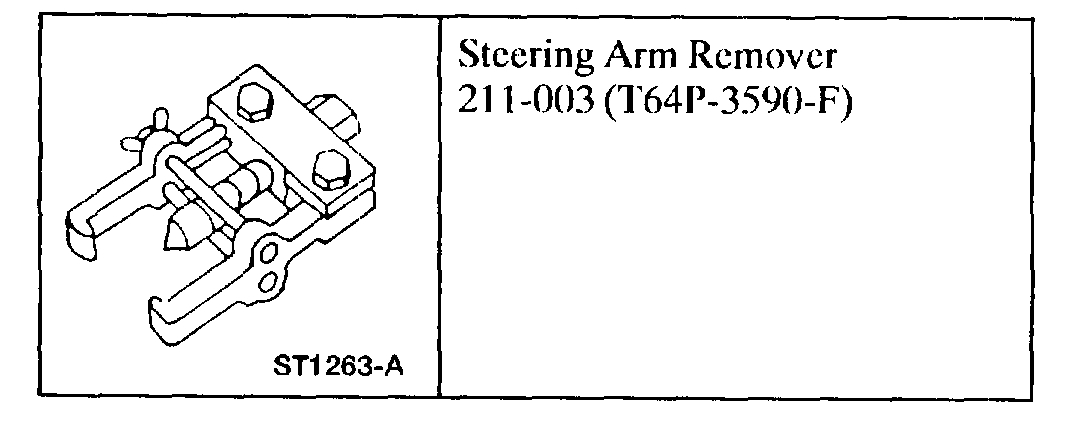
Special Tool(s)

Removal and Installation

1. With the vehicle in neutral, position it on a hoist.
2. Remove the wheel and tire assembly.
3. Carry out the following:
1. Remove and discard the cotter pin.
2. Remove the retainer.
3. Remove the nut.
4.CAUTION: Do not allow the disc brake caliper to hang suspended from the brake hose. Provide a suitable support.

Remove the caliper support bracket bolts, then position the caliper support bracket and caliper aside.

5. Remove the brake disc.
6. Disconnect the front anti-lock brake sensor (ABS) wire assembly.
- Disconnect the ABS electrical connector.
- Unclip the ABS harness routing clips.
7. Remove the tie-rod castellated nut.
1. Remove and discard the cotter pin.
2. Remove and discard the castellated nut.

8. CAUTION: Do not use a hammer to separate the tie-rod from the wheel knuckle or damage to the wheel knuckle will result.

CAUTION: Do not damage the tie-rod boot when installing the special tool.

Using the special tool, separate the tie-rod end from the front wheel knuckle.
9. Using a suitable jack, support the front suspension lower arm.
10. Remove the lower ball joint castellated nut.
1. Remove and discard the coffer pin.
2. Remove and discard the castellated nut.


11. Using the special tool, separate the front wheel knuckle from the suspension lower arm. Then, loosely install the castellated nut.

12. Remove the upper ball joint castellated nut.
1. Remove and discard the cotter pin.
2. Remove and discard the castellated nut.

13. Using the special tool, separate the front wheel knuckle from the front suspension upper arm.

14. Separate the halfshaft from the hub, then remove the hand-tightened lower ball joint castellated nut. Remove the front wheel knuckle.
- Position the halfshaft aside and support with wire.
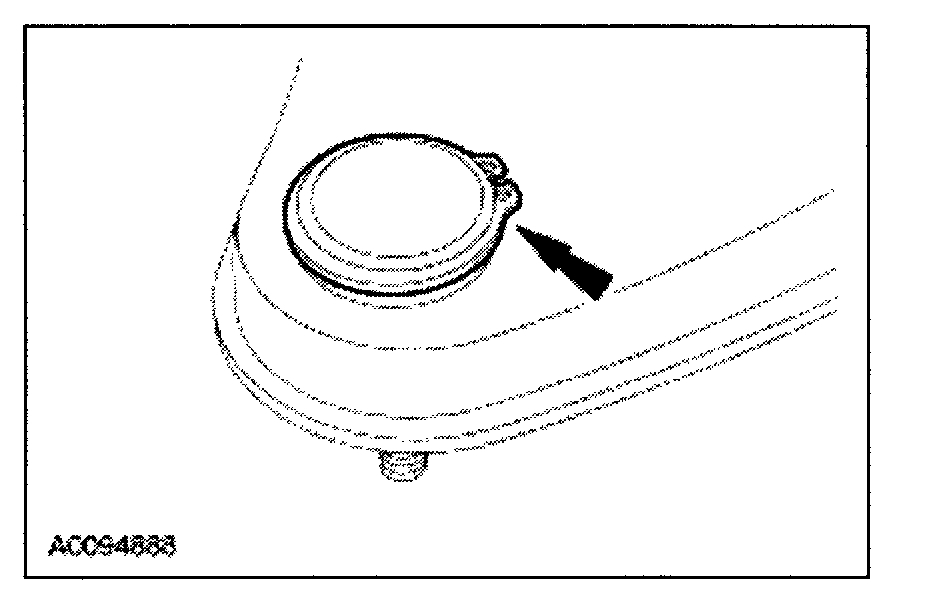
15. Remove the snap ring from the ball joint. Discard the snap ring


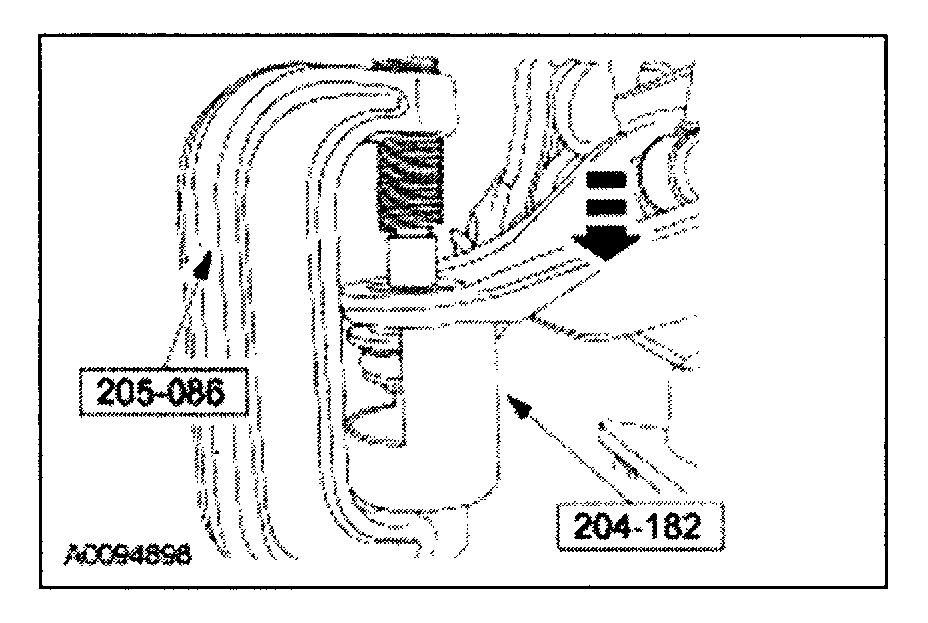
16. Using a suitable ball joint remover tool and receiver cup, remove the ball joint.

CAUTION: Do not damage the ball joint boot when installing the special tool.

NOTE: Clean and inspect the control arm ball joint bore for damage before installing a new ball joint.

NOTE: Make sure the new ball joint snap ring is fully seated.


17. To install, reverse the removal procedure.
- Always install new castellated nuts and coffer pins.

_______________________________

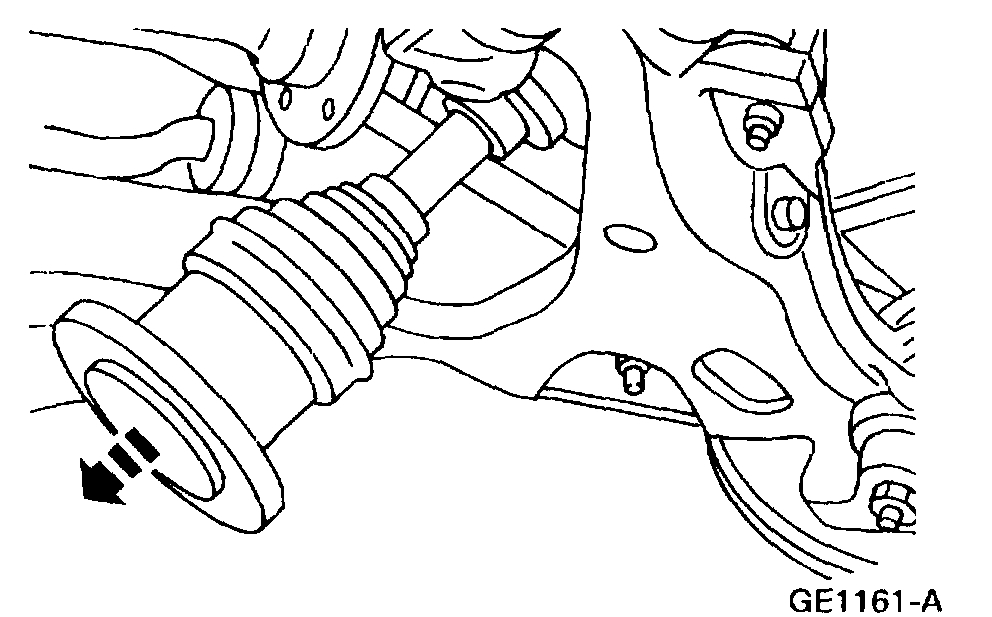
Next, and starting with picture 13, are the directions for removal and replacement of the axle assembly. I am including this so you can check to make sure everything is correctly put together.

_____________________________

REMOVAL AND INSTALLATION
Special Tools

Removal and Installation

1. WARNING: The electrical power to the air suspension system must be shut off prior to hoisting, jacking or towing an air suspension vehicle. This can be accomplished by turning off the air suspension switch located in the RH kick panel area. Failure to do so can result in unexpected inflation or deflation of the air springs, which can result in shifting of the vehicle during these operations.

Raise and support the vehicle.
2. Remove the front wheel and tire assembly.


3. Remove the fastener.
1 Remove and discard the cotter pin.
2 Remove the retainer.
3 Remove the nut.


4. CAUTION: Do not allow the front disc brake caliper to hang from the brake hose. Provide a suitable support.

Position the front disc brake caliper aside.
1 Remove the bolts.
2 Lift the caliper from the anchor plate and position it aside.


5. Remove the nut.
1 Remove and discard the cotter pin.
2 Remove the nut.


6. Using the special tool, separate the front wheel knuckle from the front suspension upper arm.


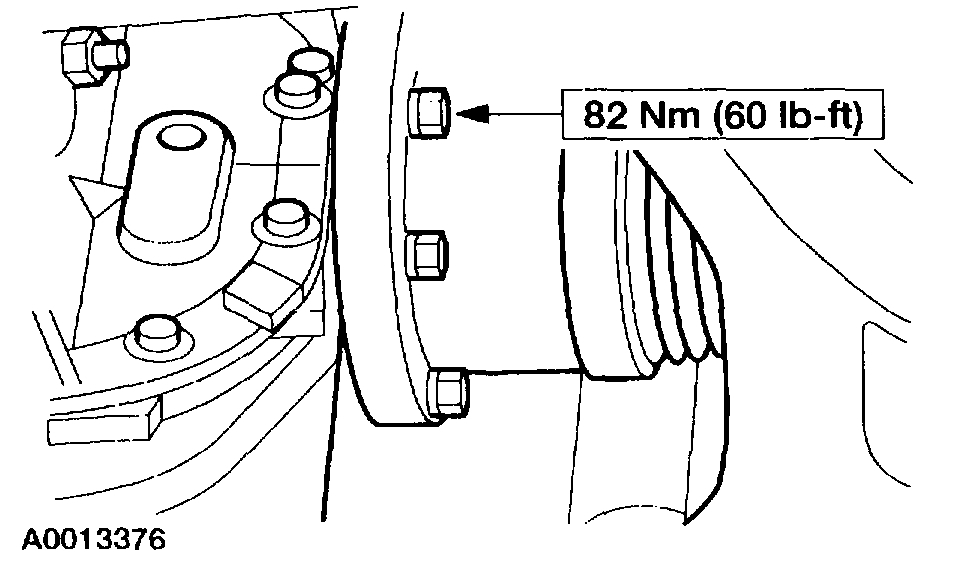
7. Remove the six bolts.


8. CAUTION: Do not damage the hub seal.

Separate the halfshaft from the axle and the hub, and remove the assembly from the vehicle.
9. To install, reverse the removal procedure.

______________________________

Let me know if this helps.

Joe
Dec 22, 2018 at 11:18 AM