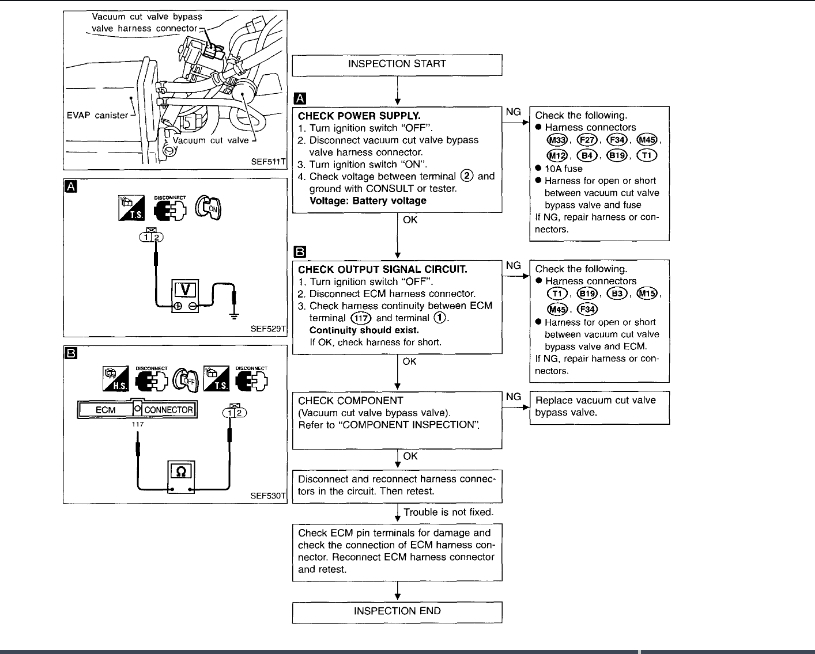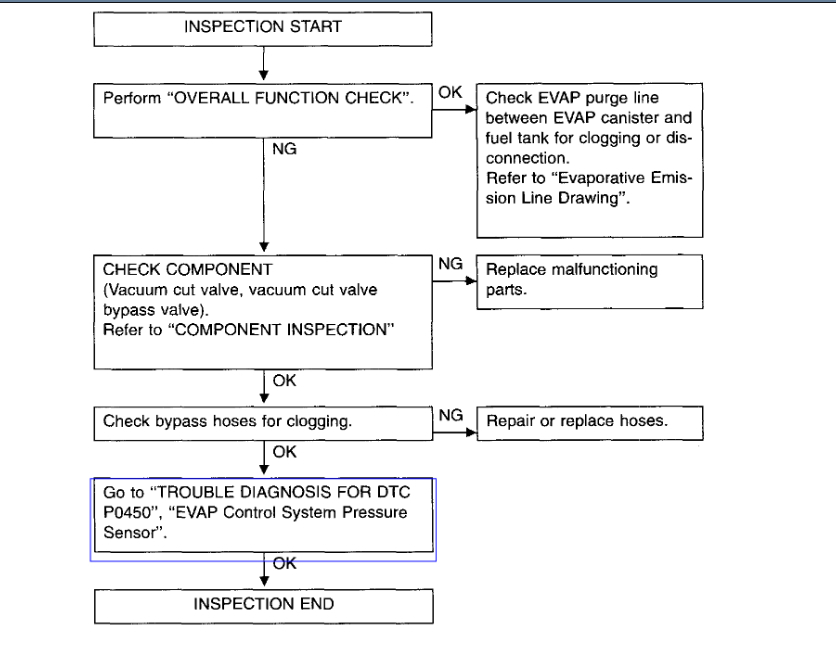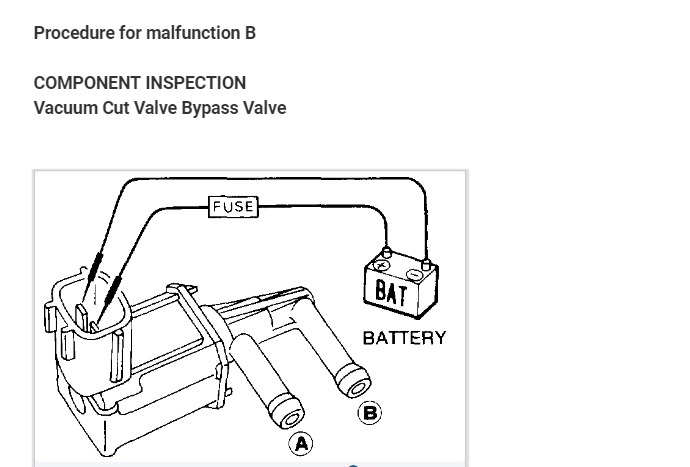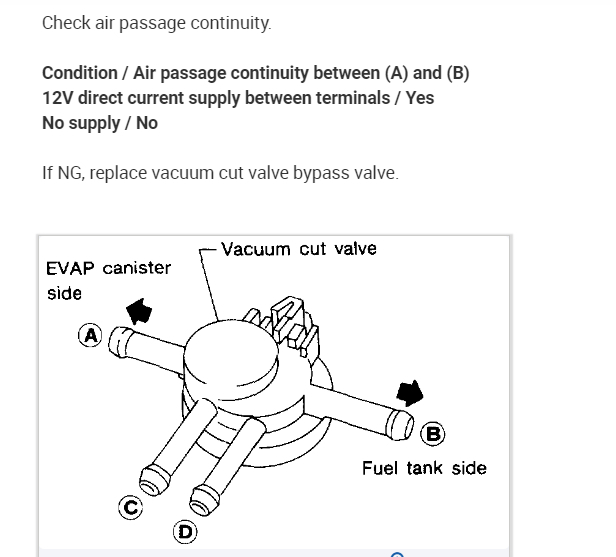
Codes P0440 and P0446

1997 NISSAN SENTRA
156,000 MILES • 1.6L • 4 CYL • 2WD • AUTOMATIC
Avatar
YOURMINKY
  • MEMBER
  • 106 POSTS
My car is giving P0440 and P0446 MIL codes together, which means large EVAP leak. I cleared the ECM codes, but they keep coming back after a while.
The car runs fine, starts fine, no issues otherwise.
I read this can be caused by the following:
Bad gas cap, intake manifold hairline crack, bad hose, cracked charcoal canister, EVAP vent control valve solenoid not closing properly, bad EVAP canister purge valve.
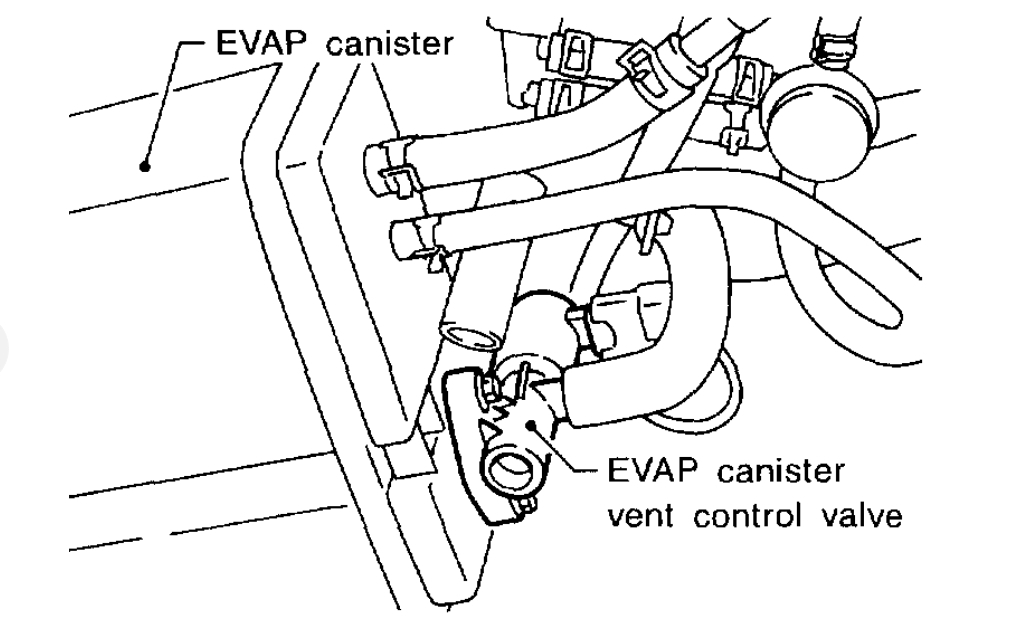
I checked the usual suspects and I'm down to 3 possibilities, the charcoal canister, the EVAP vent valve/solenoid, the EVAP purge valve/solenoid.
YouTube doesn't have any videos for replacing the canister or the vent valve for this model.
What could be causing this issue? What tests to perform to narrow down possibilities? Which item should I replace first? Is there any way to fix the parts other than buying brand new replacements?
Aug 1, 2019 at 9:30 PM
Advertisement
Avatar
SCGRANTURISMO
  • CERTIFIED EXPERT
  • 4,897 POSTS
Hello,

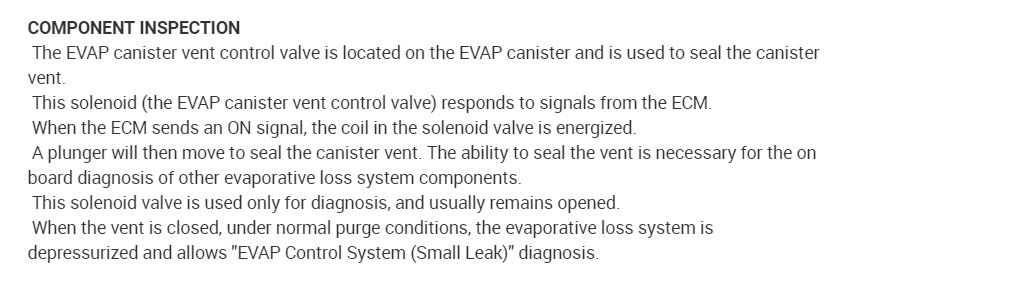
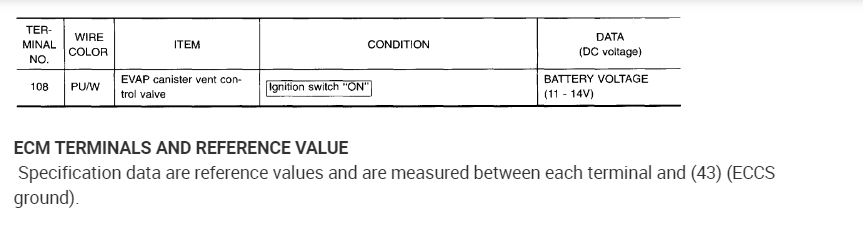
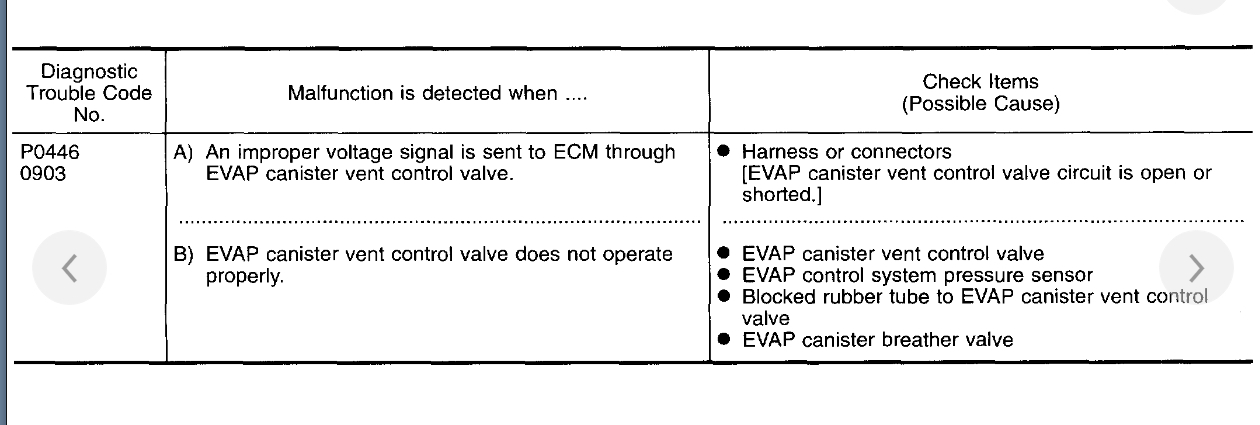
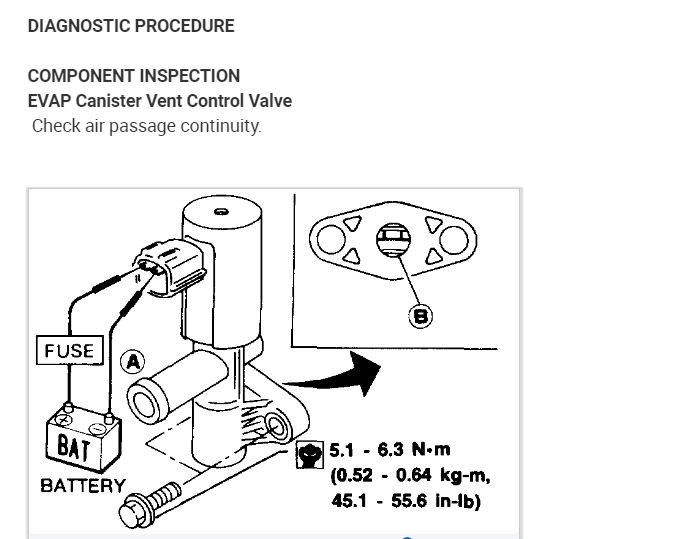
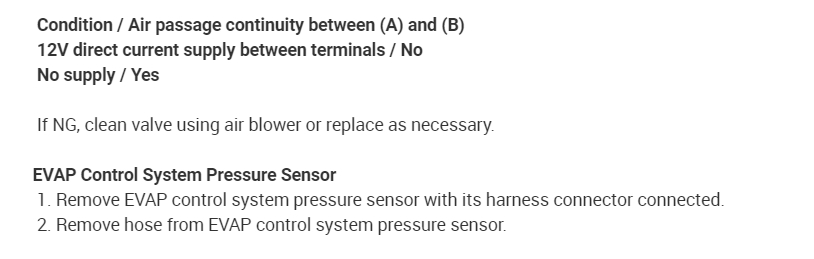
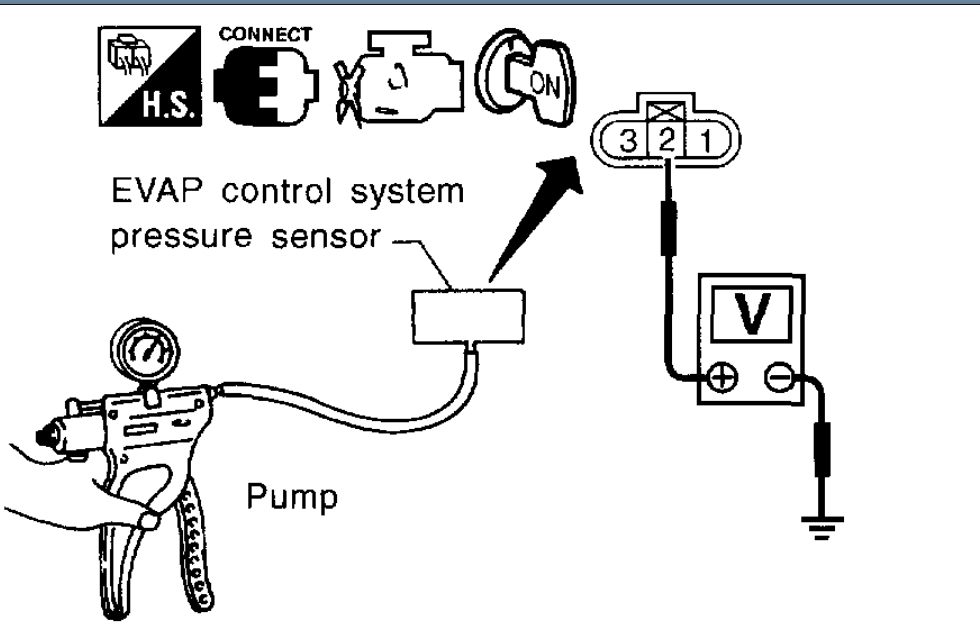
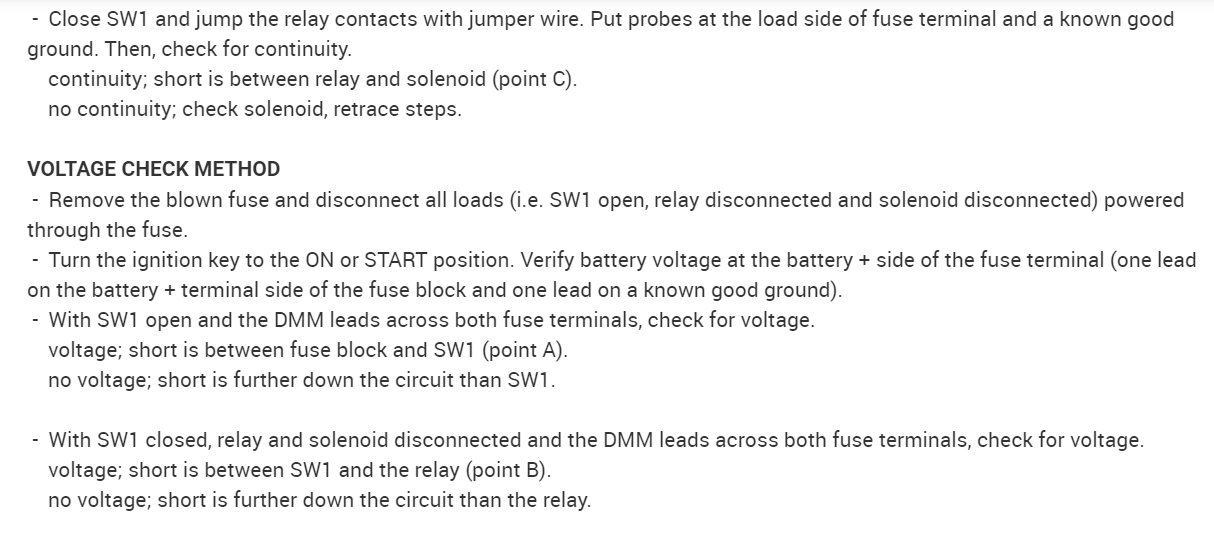
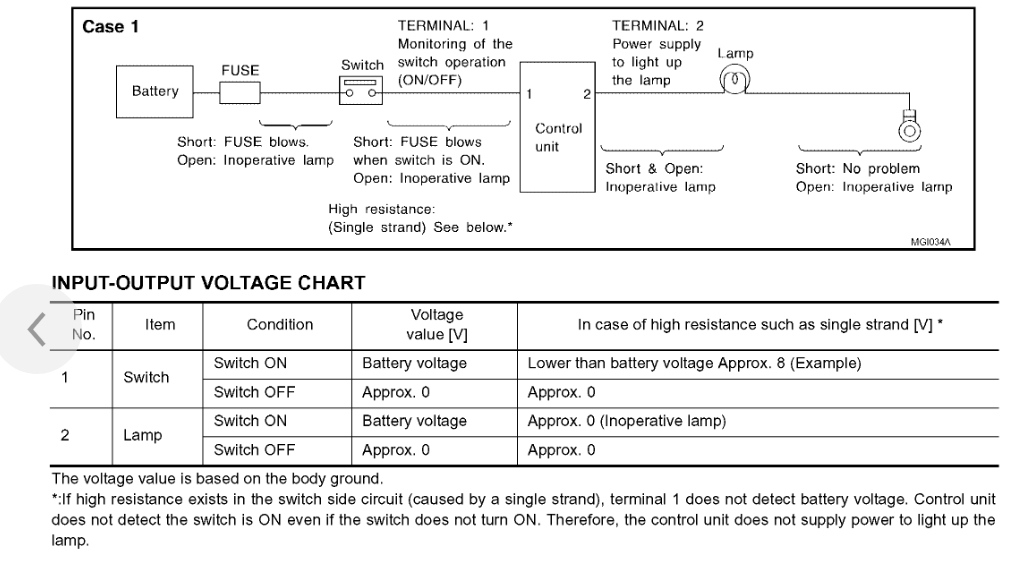
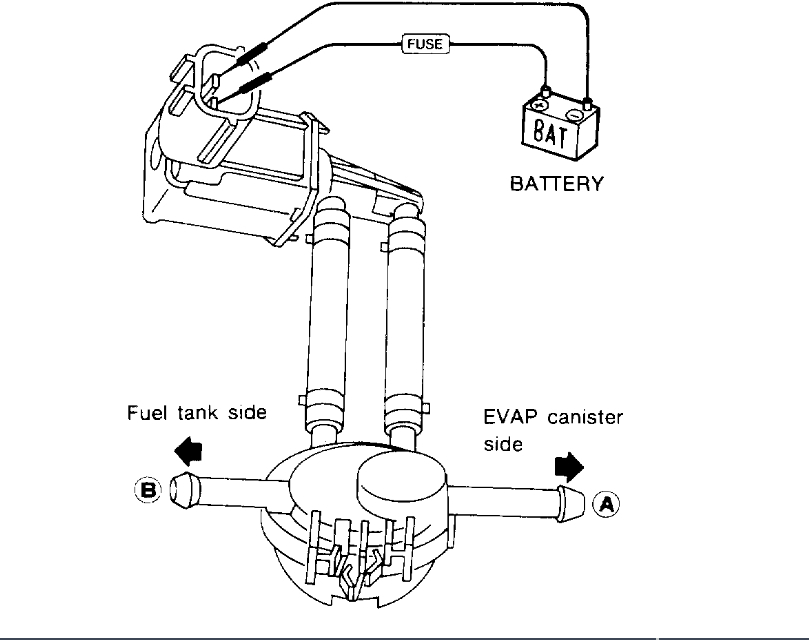
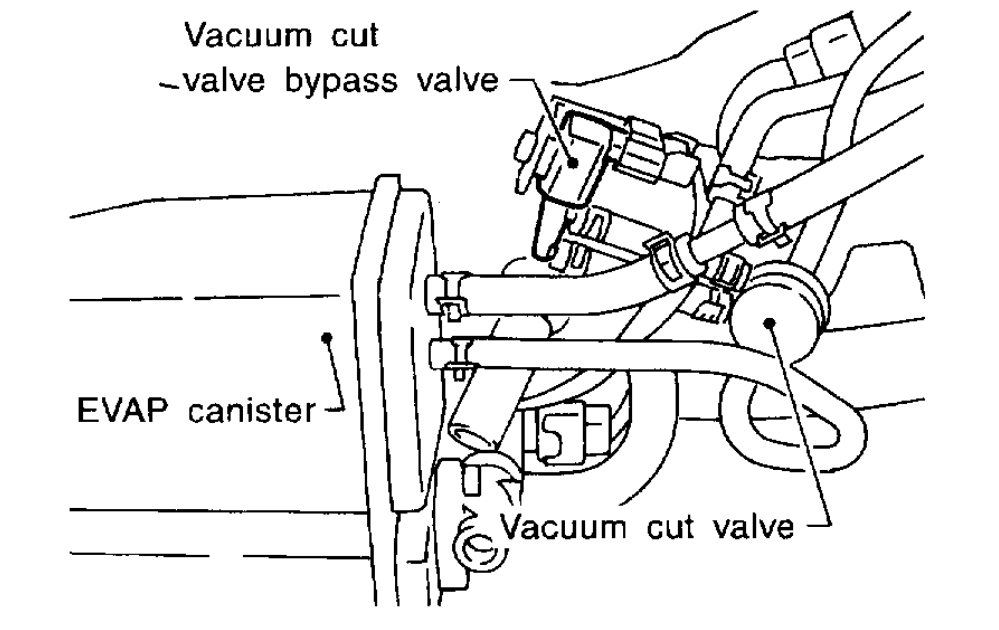
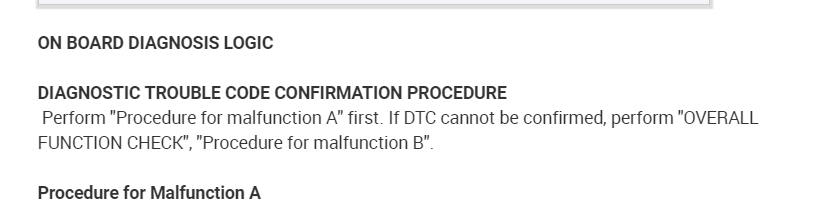
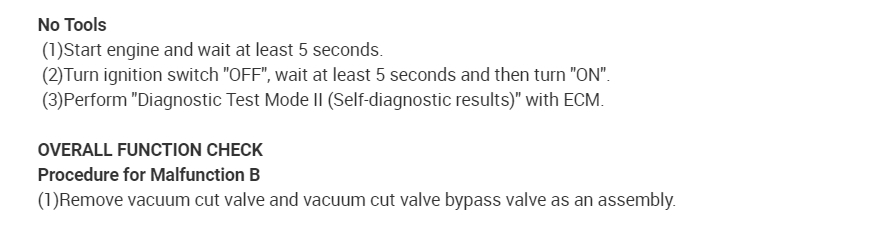
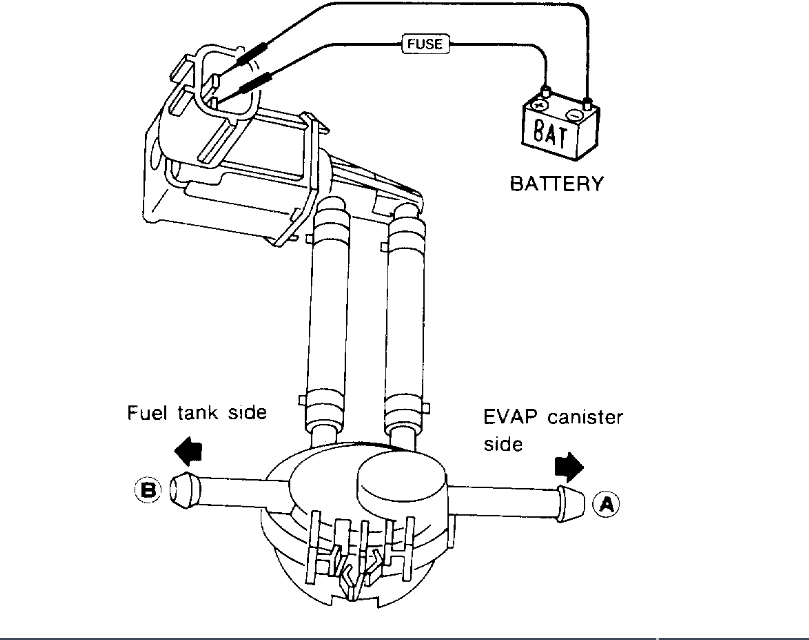
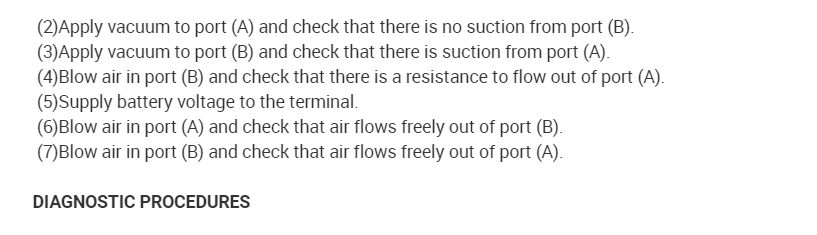
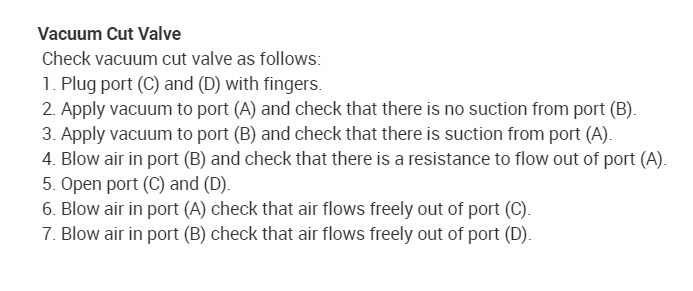
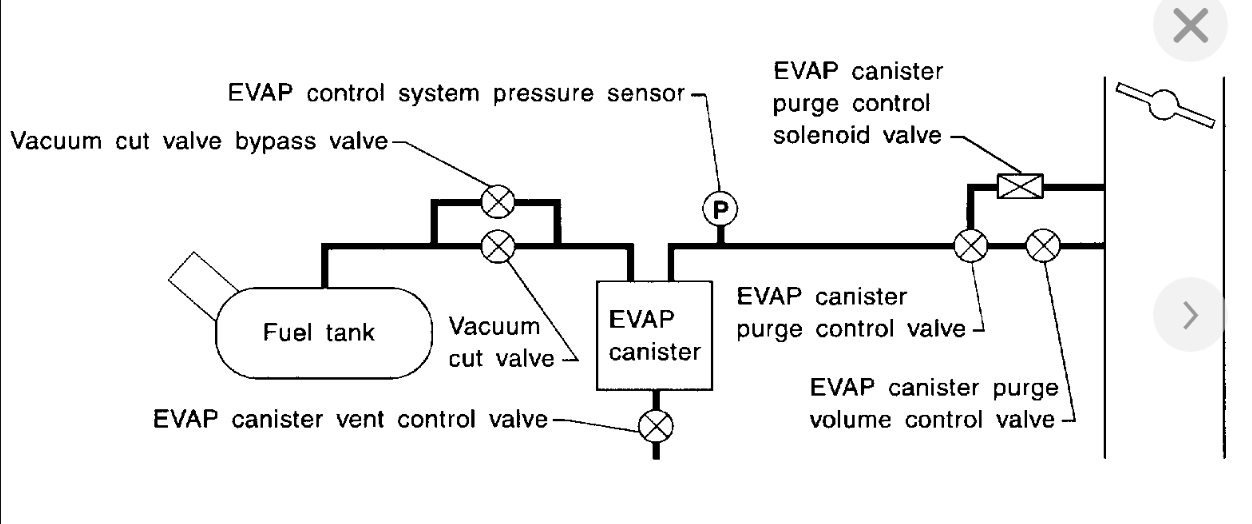
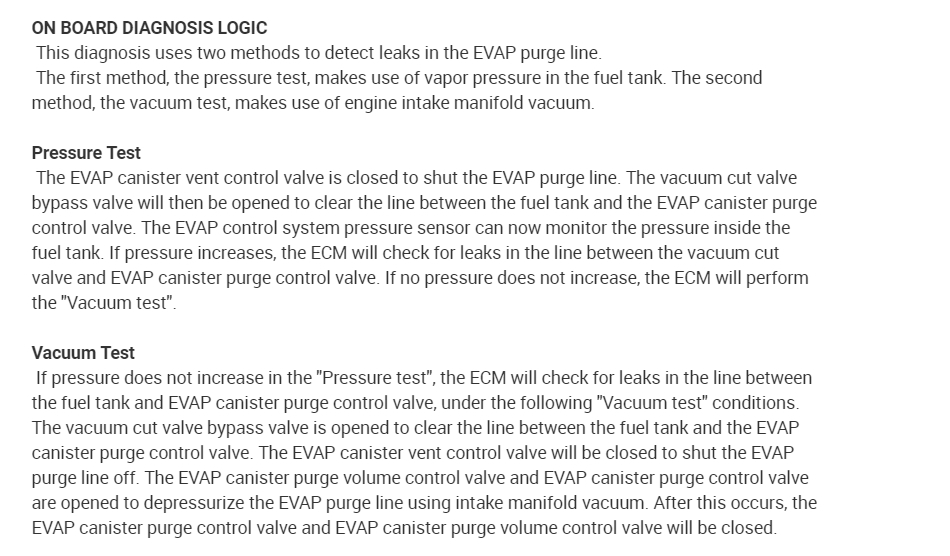
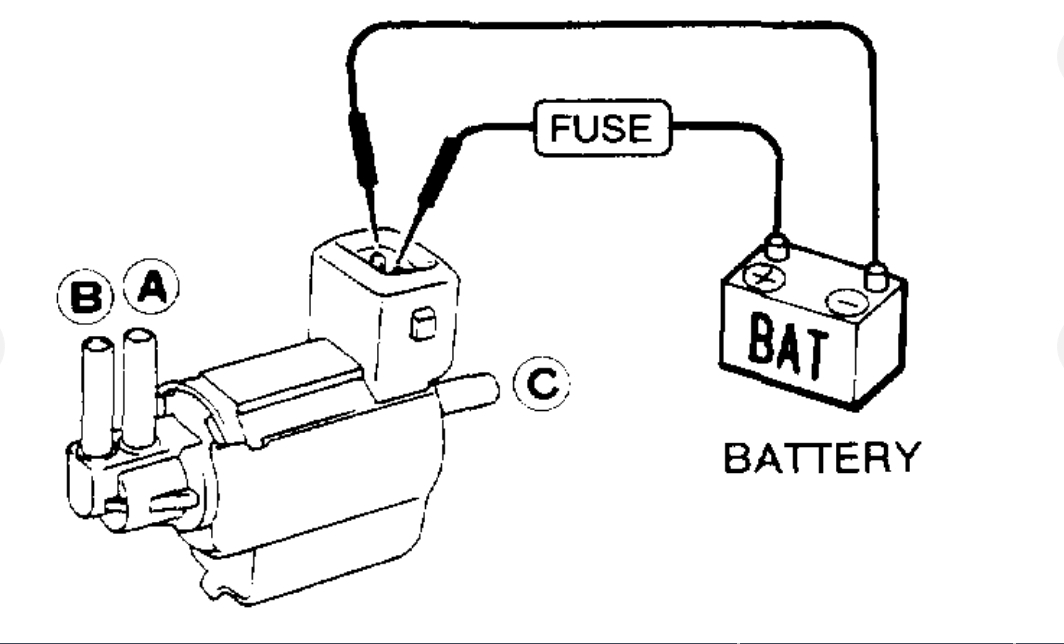
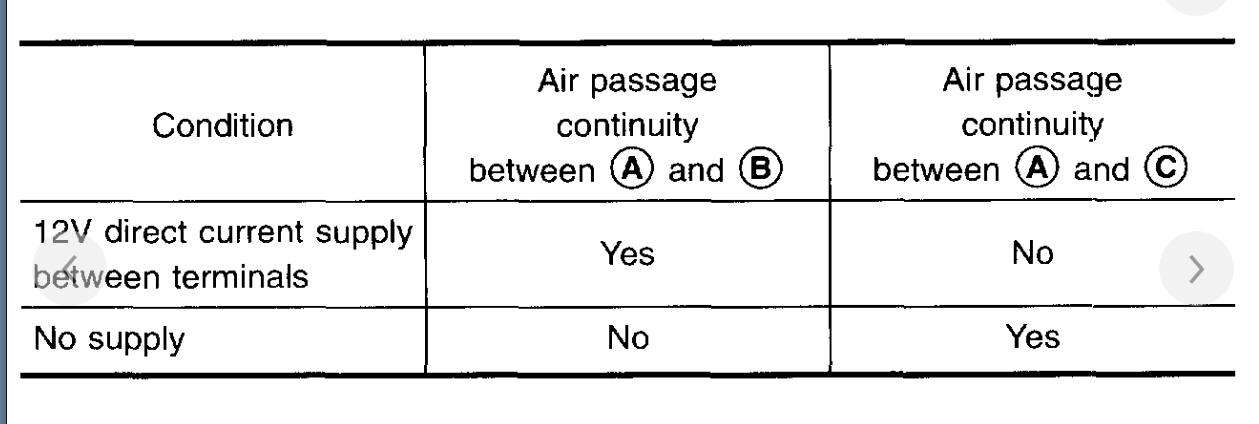
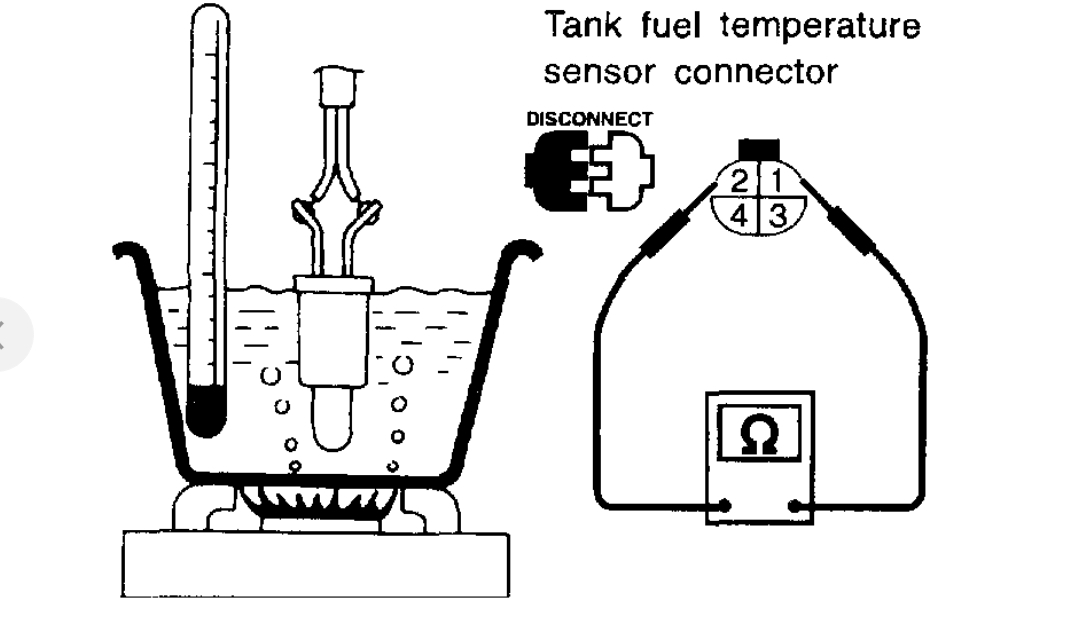
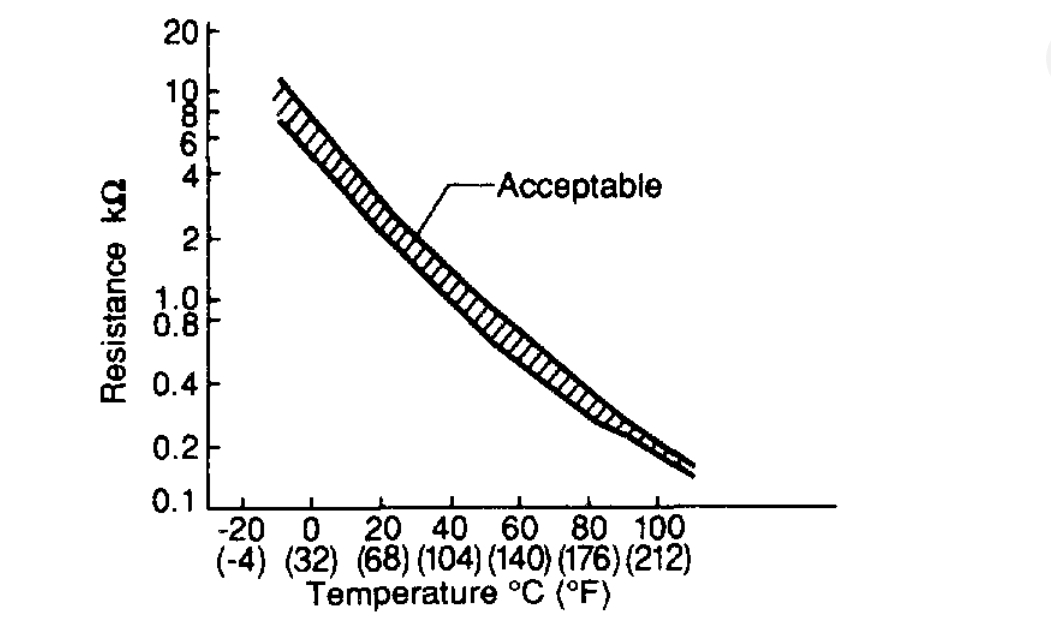
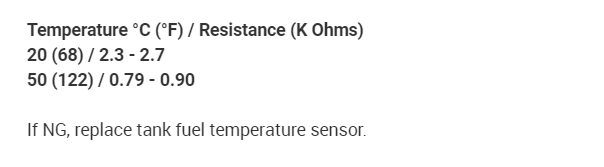
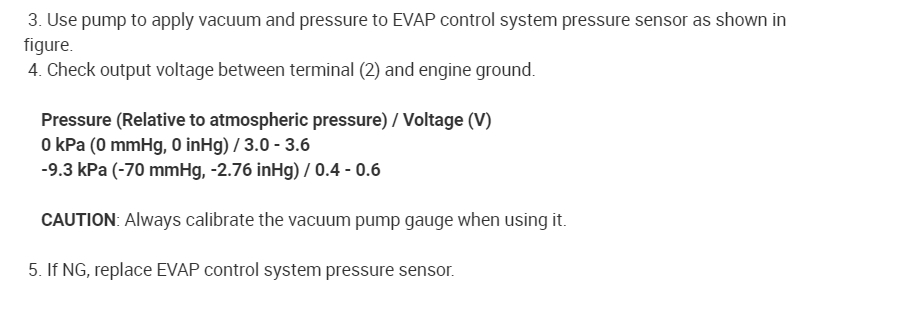
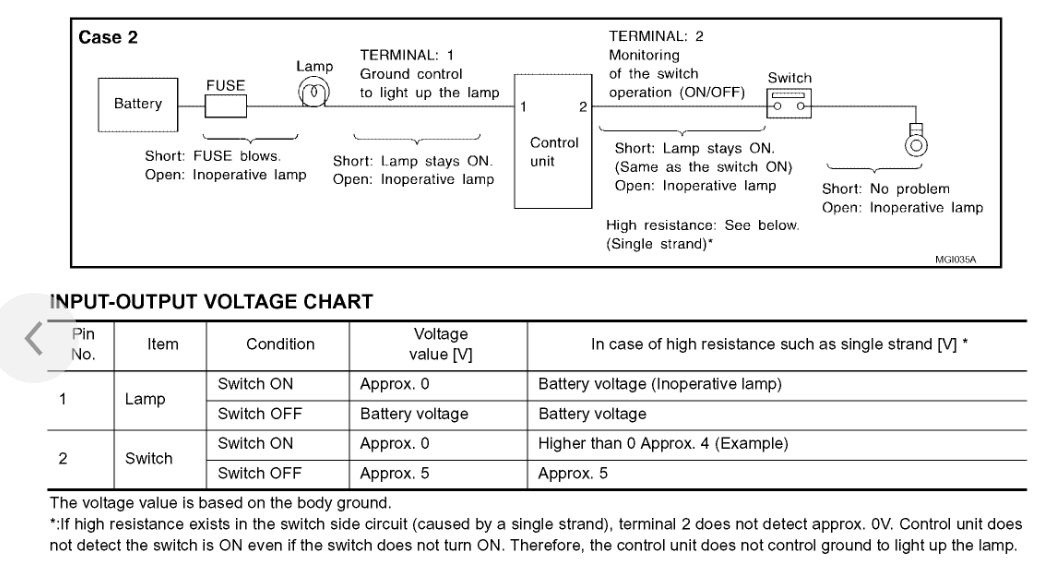
In the diagrams down below I have included the factory diagnostic troubleshooting guide for DTC P0446 for your vehicle. The instructions call for doing this DTC first. In order to go through this guide correctly you will need to have a vacuum pump, a multimeter, and a scan tool with PID capabilities. Please go through this guide and get back to us with what you are able to find out.

Thanks,
Alex
2CarPros
Aug 2, 2019 at 9:04 AM
Avatar
YOURMINKY
  • MEMBER
  • 106 POSTS
Your help is greatly appreciated. I have several questions.
1. Thanks for the 14 images. Which test should I perform first, the vent valve(solenoid) test or the pressure sensor test?
2. What does the 'without consult' photo (2nd row, 2nd photo) mean?
3. What does NG' mean?
4. I am handy with a multi-meter and I also have a Bluetooth DTC scan-tool with PID capabilities. You mentioned I need a DTC tool with PID. Is that just for finding the actual DTC codes? If yes, I already found the codes and they are P0440 and P0446 together. If not, please explain.
5. When it says "ignition switch on", I will not crank or start the engine first, right?
6. Where is the EVAP control system pressure sensor located?
7. I don’t have a vacuum pump. Can I attach a pipe and blow and suck air?
8. I checked the fuse bank located at bottom-left of the steering. There was no fuse for the EVAP system. Do these EVAP solenoids have fuses? Where are they located? Can it be a fuse issue?
9. What is the proper resistance in ohms for the vent solenoid coil and the pressure sensor?
Aug 2, 2019 at 2:26 PM
Advertisement
Avatar
SCGRANTURISMO
  • CERTIFIED EXPERT
  • 4,897 POSTS
Hello again,

1) Diagram #8 gives you the order to test in.
2) Consult is the name that Nissan gave to it's factory version of a scan tool that is used by their technicians at the dealership.
3) Negative or No Go, take your pick.
4) No. It is for accessing the EVAP Monitor information and turning the Monitors ON/OFF.
5) No, that is "start", in this case on is "RUN", the position right before "start".
6) On the left rear underside of your vehicle.
7) No. They are available for just a refundable deposit at parts stores like AutoZone. You have to have a gauge for measurement, which the vacuum pump does.
8) No. Power and Ground provided by the Power-train Control Module(PCM).
9) I do not have the information available at this time. The coil just uses electricity provided by the PCM to move a plunger back and forth to allow vapor gases to pass. The more electricity the more plunger movement, so resistance here would be very low. The pressure sensor is probably different, but, like I said, I do not have that information available right now.

Thanks,
Alex
2CarPros
Aug 2, 2019 at 8:13 PM
Avatar
YOURMINKY
  • MEMBER
  • 106 POSTS
Thanks for the clarification.
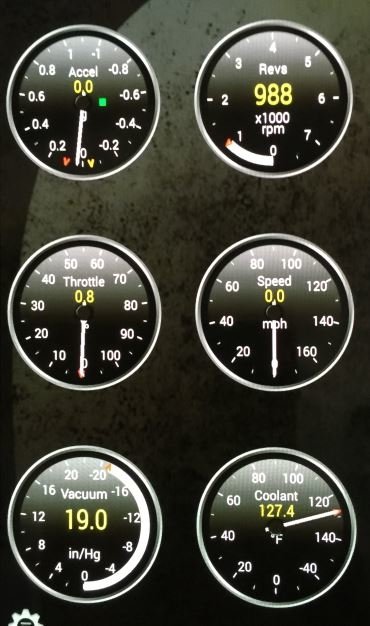
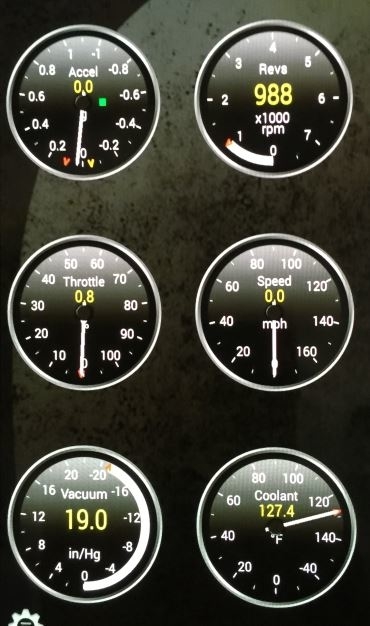
I am using the Torque Pro app on my Android as the scan-tool to read the OBD information using Bluetooth. I am not sure whether the Torque Pro app can send/receive commands for turning on/off EVAP monitors.
I did some testing as you suggested and I think I found the issue.
When the key is on/run position (engine not started) I get 11.2 to 11.6 volt at the EVAP vent valve solenoid, so the wire harness is good.
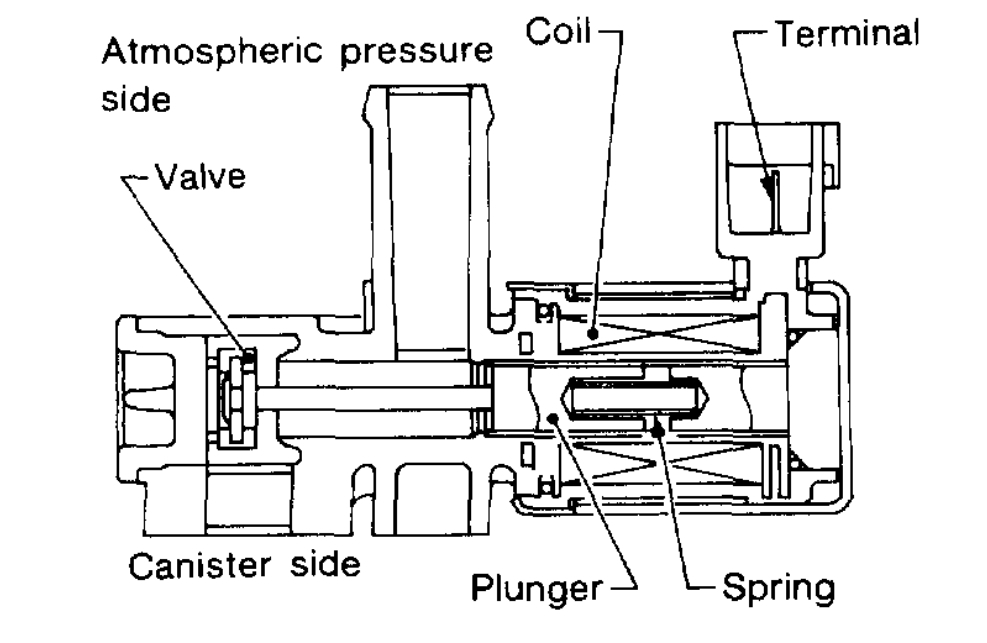
The solenoid coil shows around 11.5 ohms resistance, but does not make any sound when energized.
I connected the solenoid to a regular 9 volt battery and then a 12 volt car battery but I did not hear any ticking sound of the plunger moving/closing/opening in either case. Shouldn't there be an audible tick sound from the plunger when energized?
Is there any way to repair the vent valve solenoid?
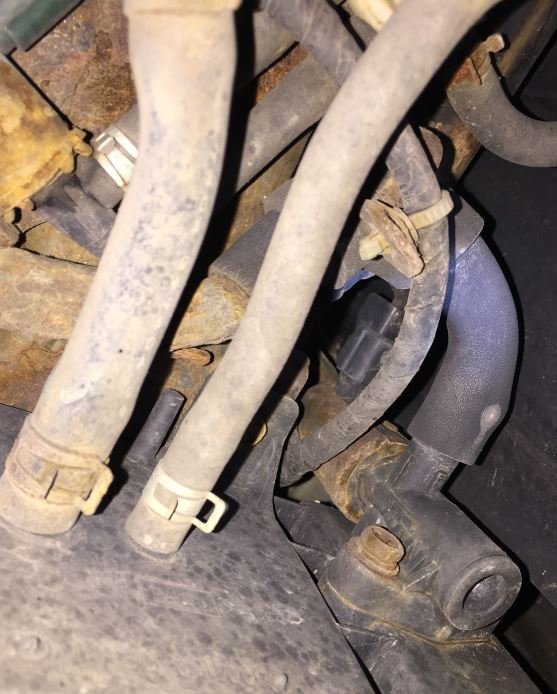
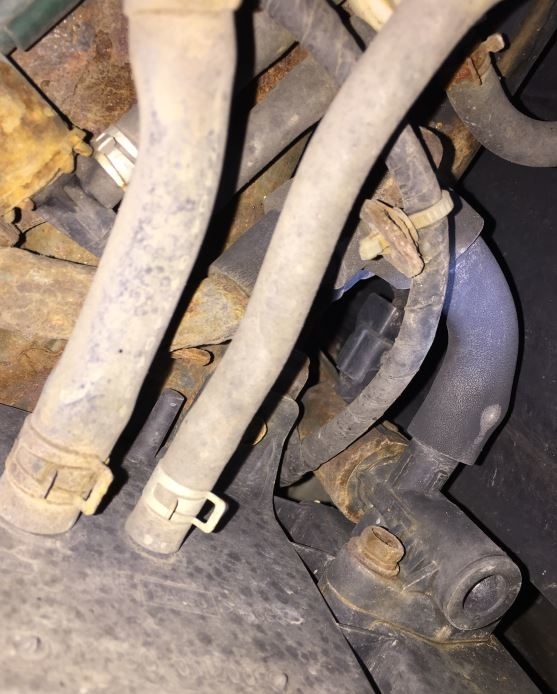
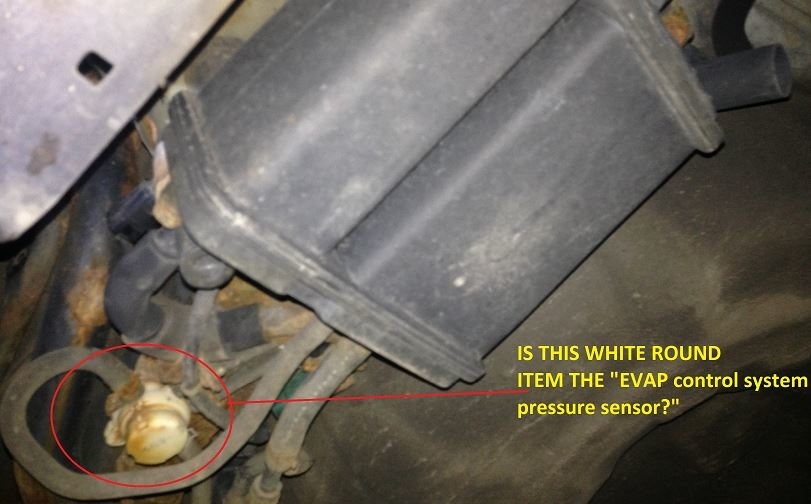
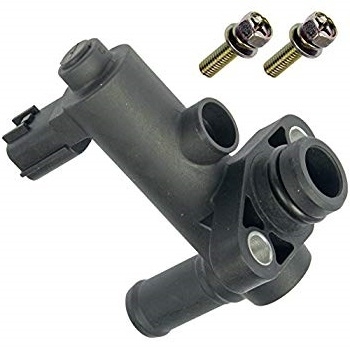
Please see the photo and let me know if that is the EVAP control system pressure sensor.
Aug 2, 2019 at 10:11 PM
Avatar
SCGRANTURISMO
  • CERTIFIED EXPERT
  • 4,897 POSTS
Hello again,

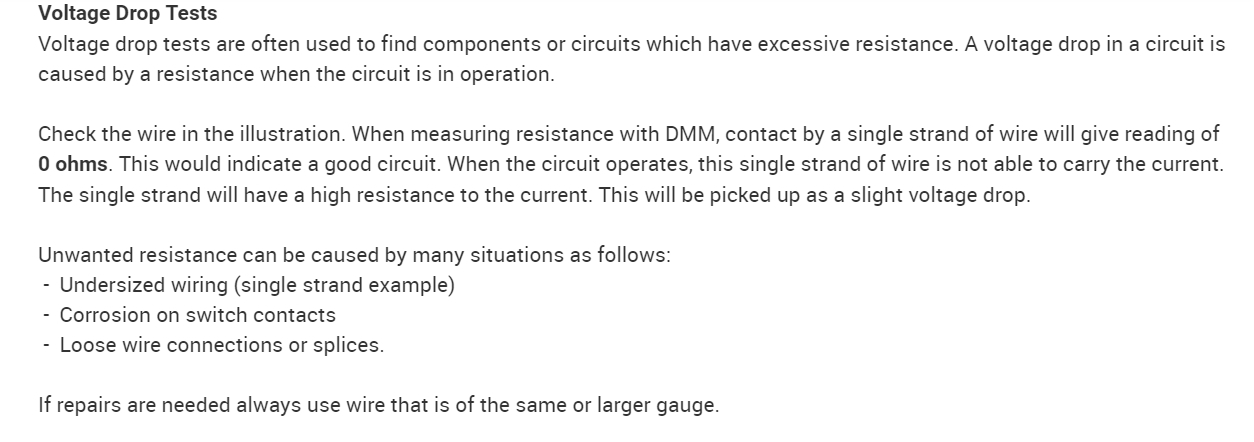
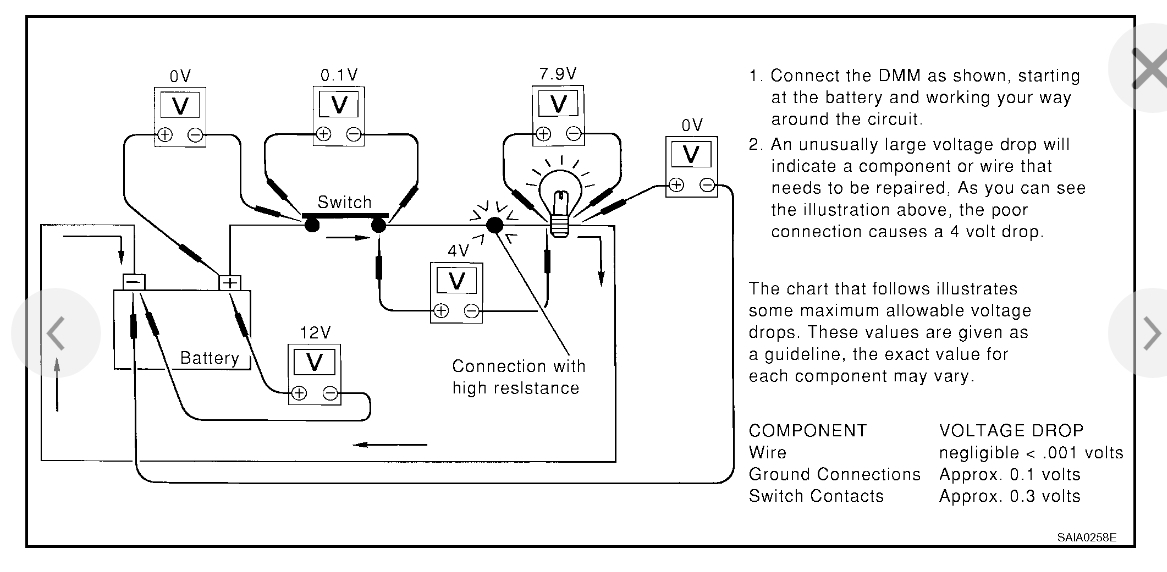
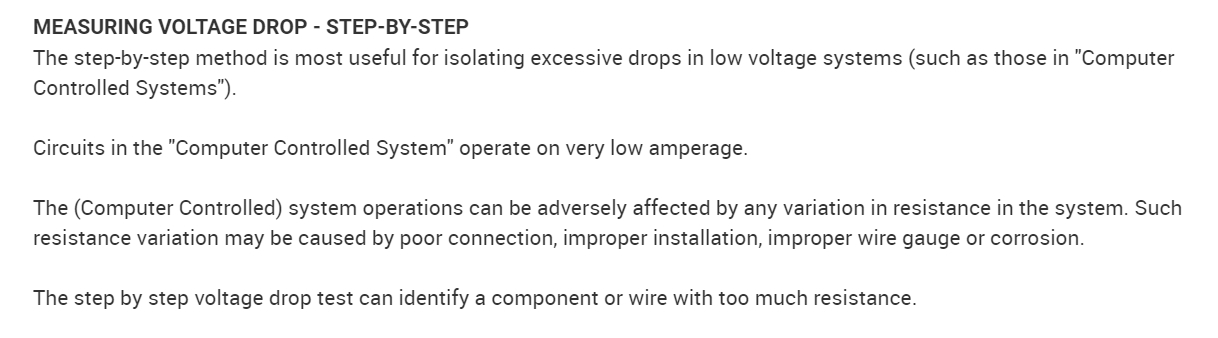
Yes. The Vent Valve Solenoid should either be off or on and when energized you should here a click. The best thing to do here is just replace the solenoid. If you want to double check just to make sure. run a voltage drop test on the circuit. This is the preferred way to check electrical circuits and will tell you where the bad segment of the circuit is with amazing clarity, revealing damaged segments you would never be able to find running continuity tests with the multi-meter in Ohms (Resistance) setting. Please go through the guide and get back to us with what you are able to figure out.

Thanks,
Alex
2CarPros
Aug 3, 2019 at 3:17 AM
Avatar
YOURMINKY
  • MEMBER
  • 106 POSTS
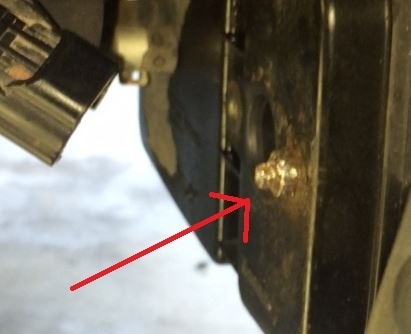
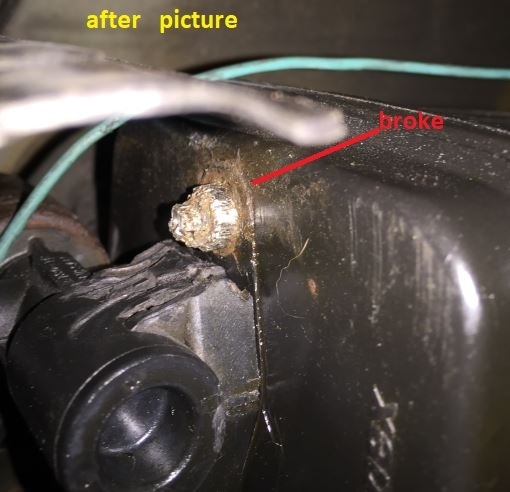
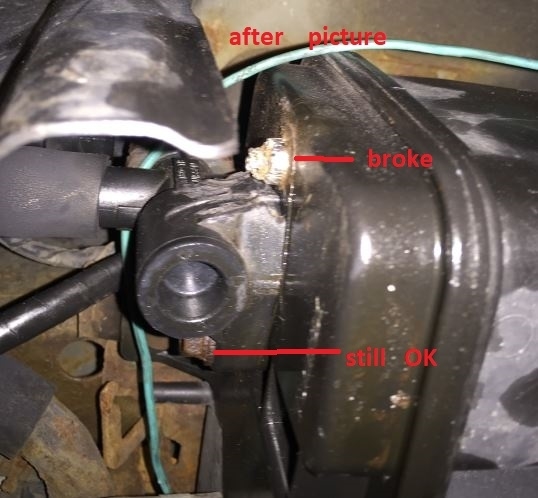
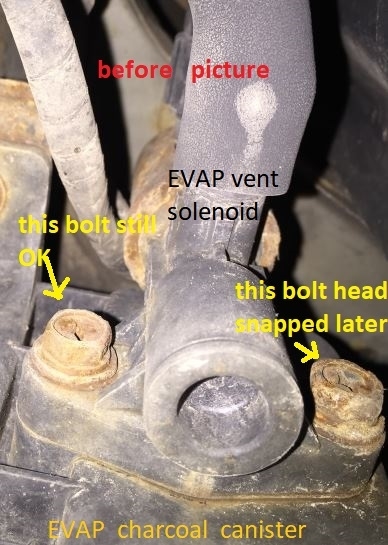
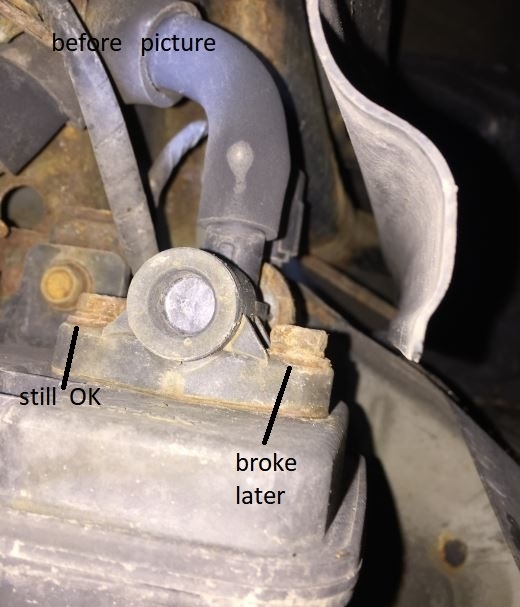
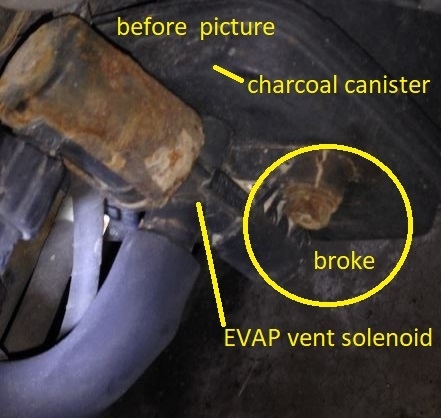
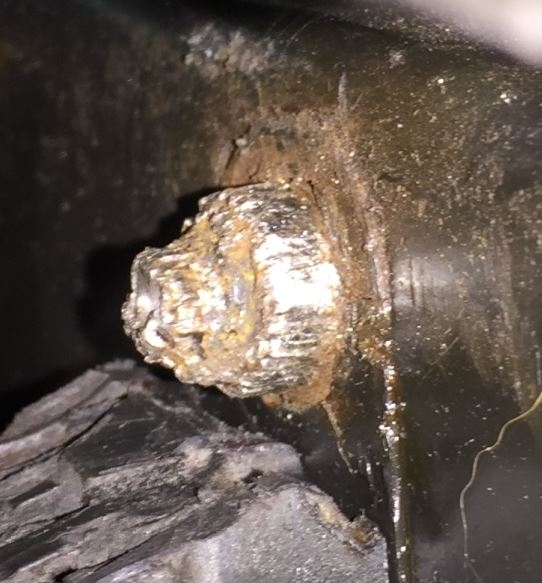
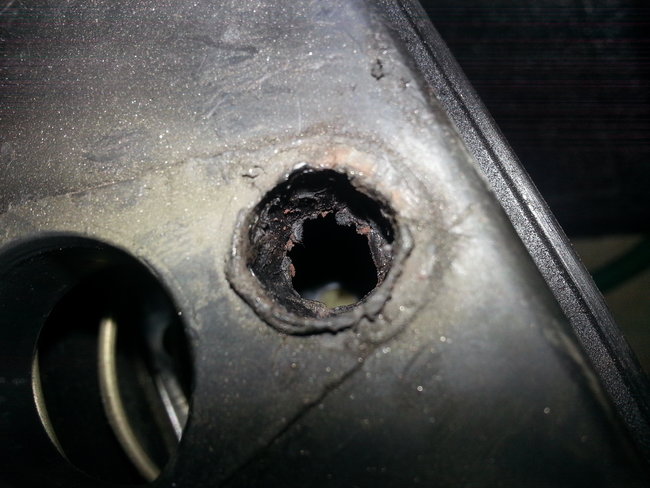
One of the bolt's head snapped. I was able to remove the EVAP vent solenoid but the broken bolt's anchor which is embedded inside the charcoal canister also broke and now rotating freely and I cannot remove it. A photo is attached. Any suggestions?
Aug 3, 2019 at 4:51 PM
Avatar
SCGRANTURISMO
  • CERTIFIED EXPERT
  • 4,897 POSTS
Hello again,

If it were me, I would get a Dremmel tool, and wearing safety glasses with side shields, I would grind the head of the bolt off. That way I could pull the charcoal canister off, and then extract the bolt shank and replace the bolt with a new one when I went to reinstall the charcoal canister. Please keep us informed.

P.S. I love your screen name.

Thanks,
Alex
2CarPros
Aug 3, 2019 at 5:04 PM
Avatar
YOURMINKY
  • MEMBER
  • 106 POSTS
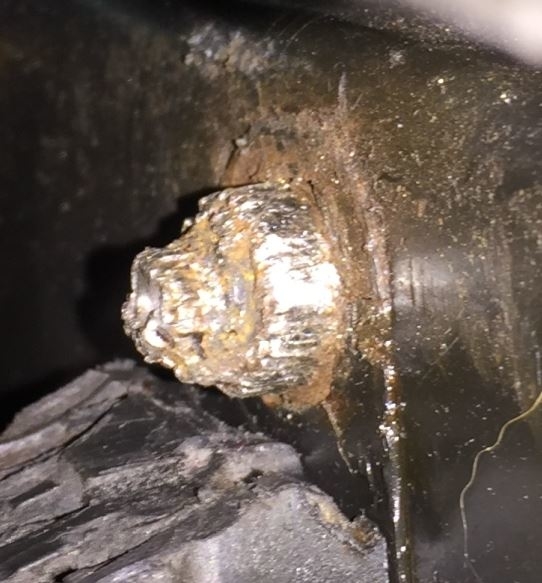
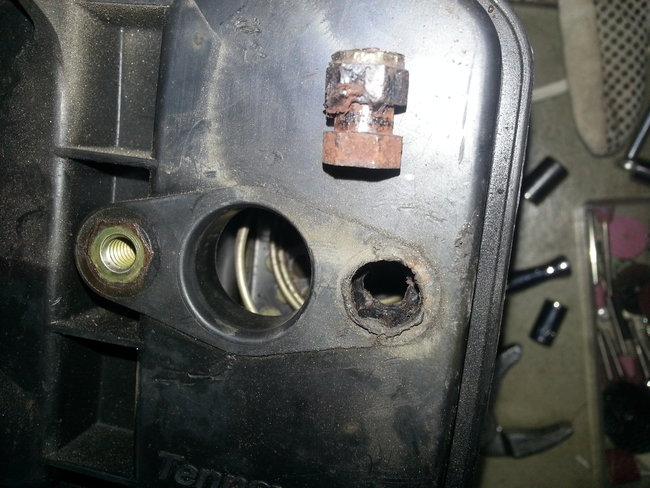
The bolt shank won't come off that way because I think there is a captive nut on the other side. And the captive nut has broken free from its moorings. The whole thing now rotates freely. Here is a close-up of the bolt with broken head and shank and free from moorings.
Aug 3, 2019 at 6:00 PM
Avatar
YOURMINKY
  • MEMBER
  • 106 POSTS
I am thinking about either using a Dremmel tool and cut off the broken shaft with the captive nut attached or yank it out. Which one do you suggest?
Aug 3, 2019 at 9:15 PM
Avatar
YOURMINKY
  • MEMBER
  • 106 POSTS
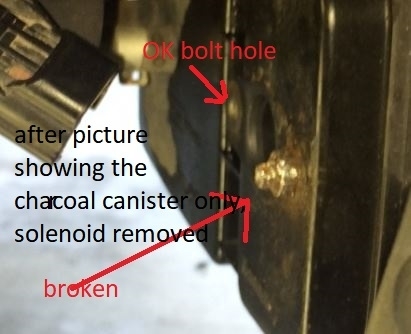
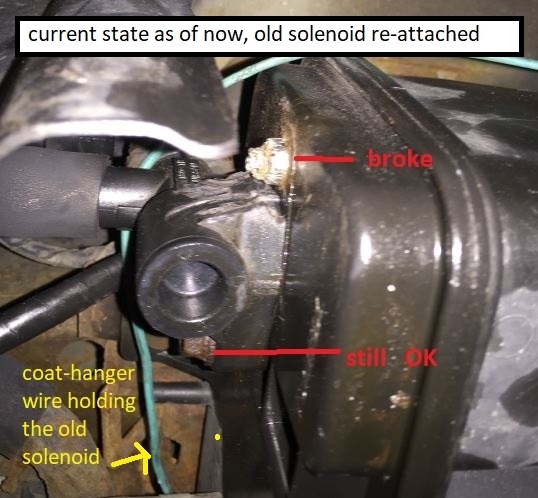
Here are bunch of photos with clear descriptions that may help understand the situation.
Aug 3, 2019 at 9:17 PM
Avatar
SCGRANTURISMO
  • CERTIFIED EXPERT
  • 4,897 POSTS
Hello again,

I understand what is going on. If the whole bolt rotates around and it is broken on the side of the head, you should be able to just pull the whole bolt through the hole on the charcoal canister. If that isn't possible, then i would grind the head of the broken bolt off with a Dremmel tool and a grinding wheel. Once the head of the bolt is off the EVAP Vent Solenoid should come right off, then you can see whats going on with the shank and address it better because you will better access to it. Please keep us informed.

Thanks,
Alex
2CarPros
Aug 4, 2019 at 3:25 AM
Avatar
YOURMINKY
  • MEMBER
  • 106 POSTS
I greatly appreciate your responses.
The charcoal canister fasteners are in bad shape, full of rust. They will probably snap if I try to take the canister off.
The solenoid does have a stub with an O-ring that goes inside the canister and seals. A photo is attached.
I was able to remove the old solenoid and clean it and put it back. I am using a green coat-hanger wire to secure the old solenoid with the canister. See photo. The old solenoid is clicking and sealing after cleaning with PB Blaster. I only did a mouth-blow-air and suck-air test.
The car drove fine last night. I will replace the old solenoid with the new solenoid when I have a plan to attach it properly with the canister and I need your help.
Aug 4, 2019 at 8:59 AM
Avatar
YOURMINKY
  • MEMBER
  • 106 POSTS
I drove the car on the interstate and now only the P0440 code comes on since the old solenoid is 95% air tight, leaking air either through the rusty valve seal inside the solenoid or the O-ring didn't seal since it is only held by 1 bolt and a coat-hanger wire.
I am thinking about putting a thin layer of RTV as gasket on the mating surfaces of the new solenoid and the canister and hold it with the 1 good bolt and the coat-hanger. Good or bad idea?
Aug 4, 2019 at 4:34 PM
Avatar
SCGRANTURISMO
  • CERTIFIED EXPERT
  • 4,897 POSTS
Hello again,

The RTV sounds like a great idea. Many gaskets have been made this way. I personally have put an entire engine together using red RTV for every gasket, save the head and exhaust manifold gaskets. The wire coat hanger, on the other hand, is a horrible idea. What is the issue you are having with the bolt/bolt hole there?

Thanks,
Alex
2CarPros
Aug 5, 2019 at 1:24 AM
Avatar
YOURMINKY
  • MEMBER
  • 106 POSTS
I am thinking about JB Welding a captive nut and using RTV around the mating surface. However, the old captive nut along with the broken stem/shaft are not coming off of the canister. I don't want to force it out and crack the canister.
Aug 5, 2019 at 8:50 PM
Avatar
SCGRANTURISMO
  • CERTIFIED EXPERT
  • 4,897 POSTS
Hello again,

Okay, can you use a Dremmel, again, and a cut off the shank of the bolt, drill the captive nut, tap it, JB Weld it in place and the put a new bolt in place? If this is too much, I would at least use black zip ties to secure the EVAP Vent Solenoid in place. They will work better and look better as well. When using zip ties it's a good attedge that 2 are 1 and 1 is none. Please let us know how it turns out.

Thanks,
Alex
2CarPros
Aug 5, 2019 at 9:30 PM
Avatar
YOURMINKY
  • MEMBER
  • 106 POSTS
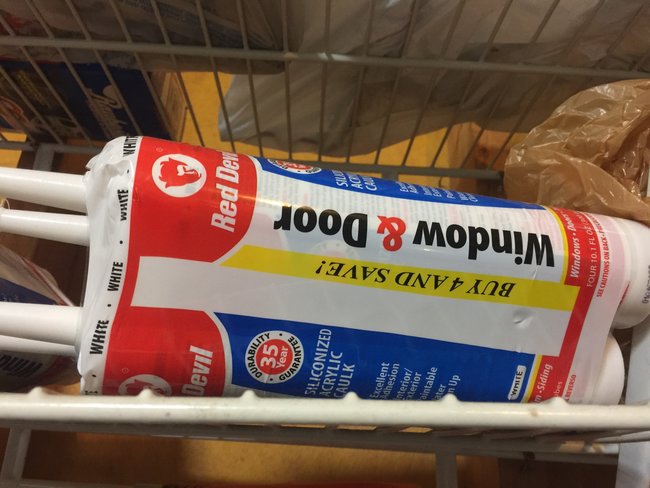
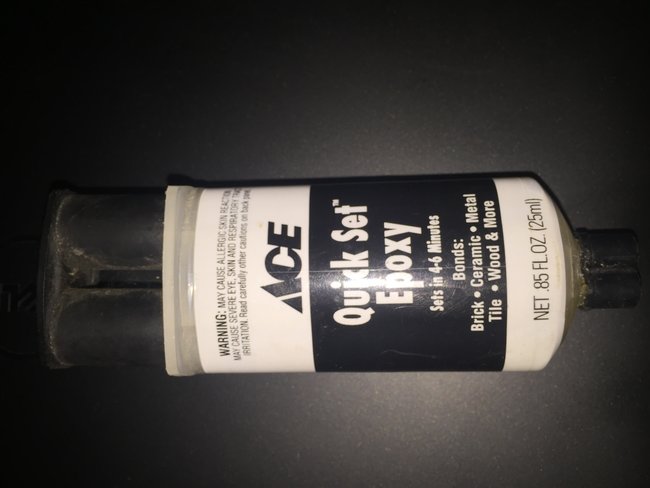
Can you please recommend the type of RTV and JB Plastic Weld I should buy? I went to the store today and there were dozens of options. People recommended the quick set JB Weld epoxy or superglue gel with baking soda. I have plastic cement, will it work in this case?
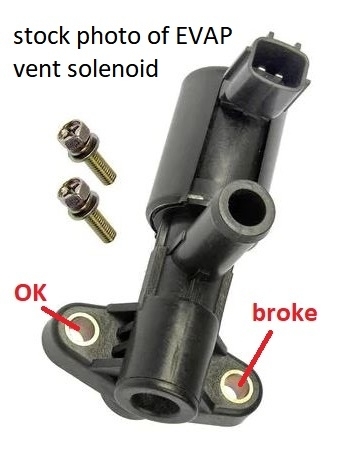
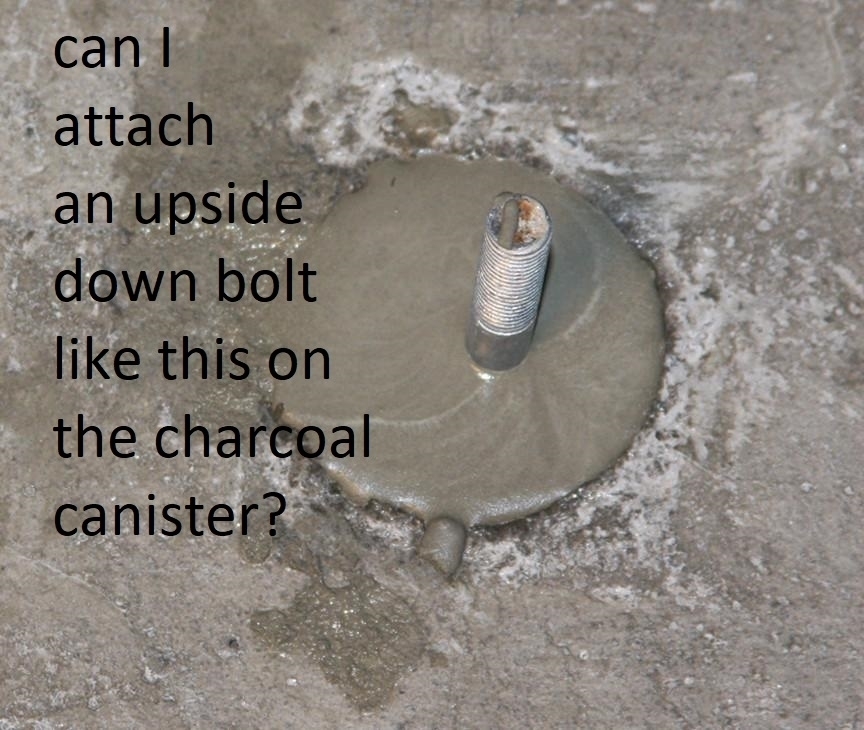
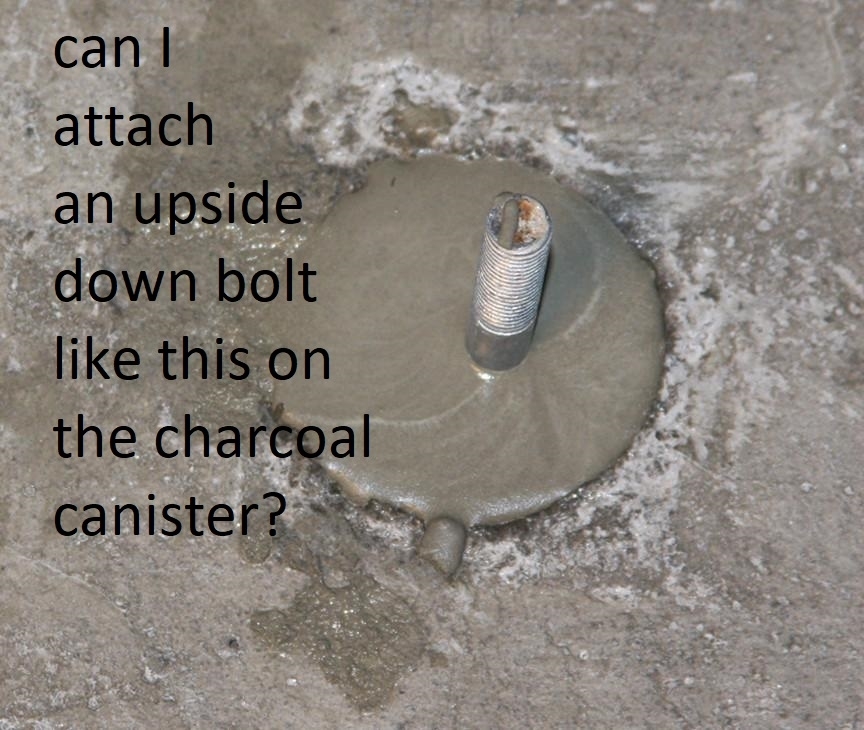
Should I insert an upside-down bolt in the cavity where the captive nut would go (please see the stock photo below) and use it as a post to attach the solenoid with another nut Or use a regular captive nut and put a glob of JB Weld around it like it used to be?
Aug 6, 2019 at 5:44 PM
Avatar
SCGRANTURISMO
  • CERTIFIED EXPERT
  • 4,897 POSTS
Hello again,

There is no real wrong answer here. If it were me, I would take out broken piece and put a bolt in, JB Weld it with regular two part epoxy JB Weld and use a matching nut to fasten everything down. In the end though, all you are doing is fastening down the solenoid. Remember, there is more than one way to skin a cat. As long as the solenoid gets fastened to the canister, then that was the right way to do it. As far as the RTV goes, really any of them will work on this application. I would go ahead and use the black, just because all of parts you are working with, the charcoal canister and the solenoid are black as well. Please keep us informed.

Thanks,
Alex
2CarPros
Aug 6, 2019 at 8:01 PM
Avatar
YOURMINKY
  • MEMBER
  • 106 POSTS
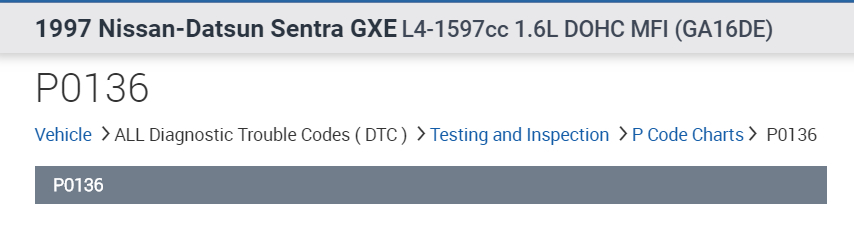
The old car's exhaust is making loud noise as of tonight. It is very rusty and there is a big hole in the tailpipe in the front side - the part that comes out of the engine. The car is not accelerating properly anymore. Shaking when trying to go faster. It is giving 3 total fault codes now. P0440, P0136 and P1441.
Aug 6, 2019 at 8:47 PM
Avatar
SCGRANTURISMO
  • CERTIFIED EXPERT
  • 4,897 POSTS
Hello again,

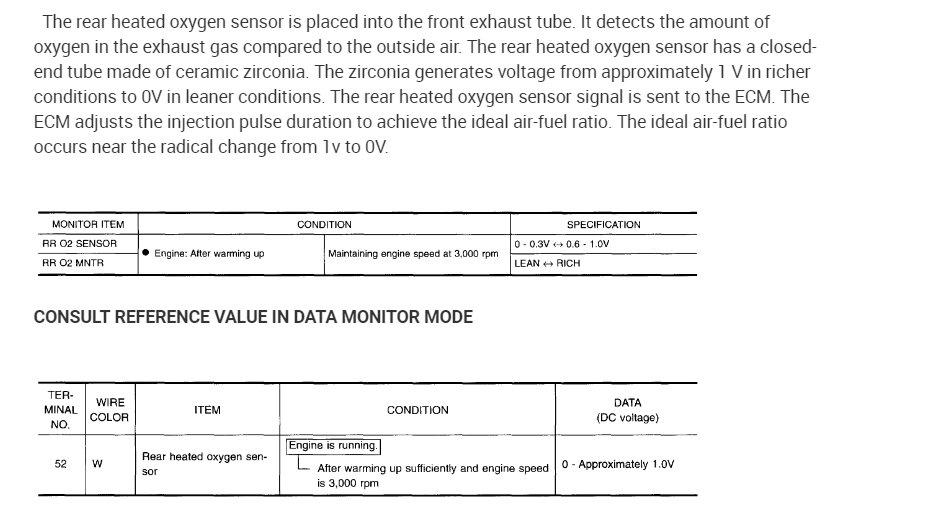
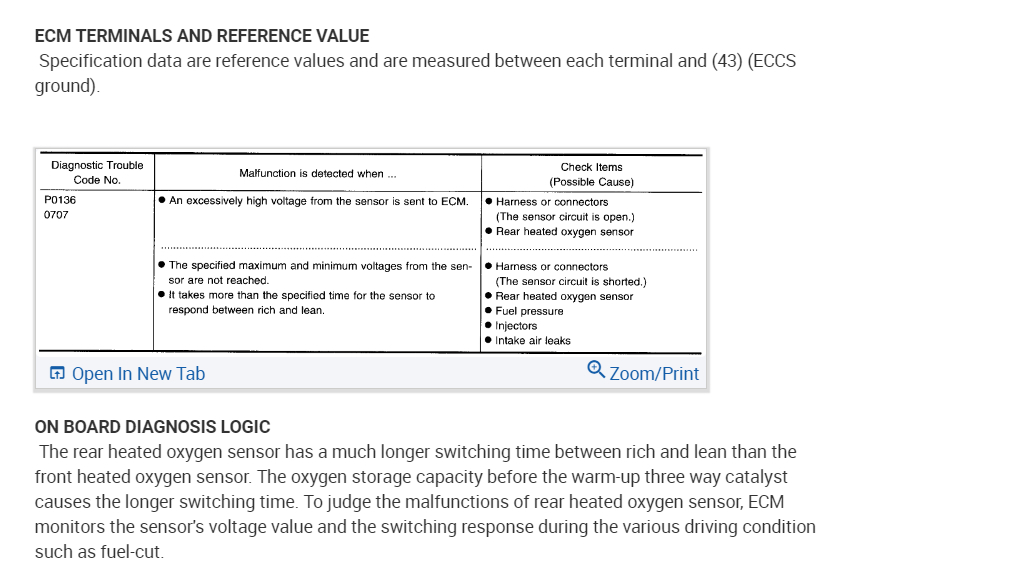
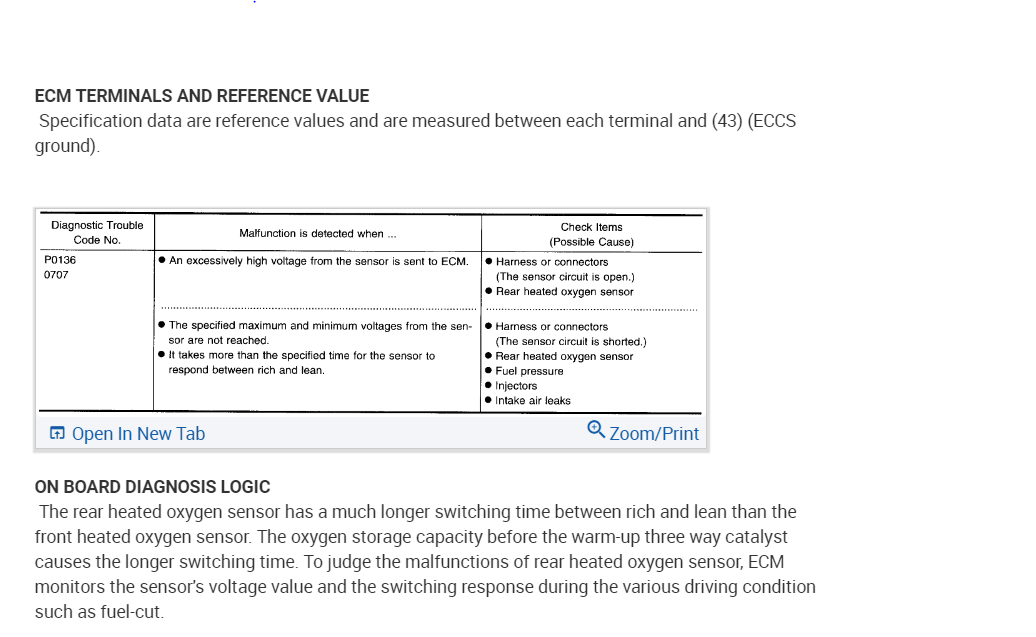
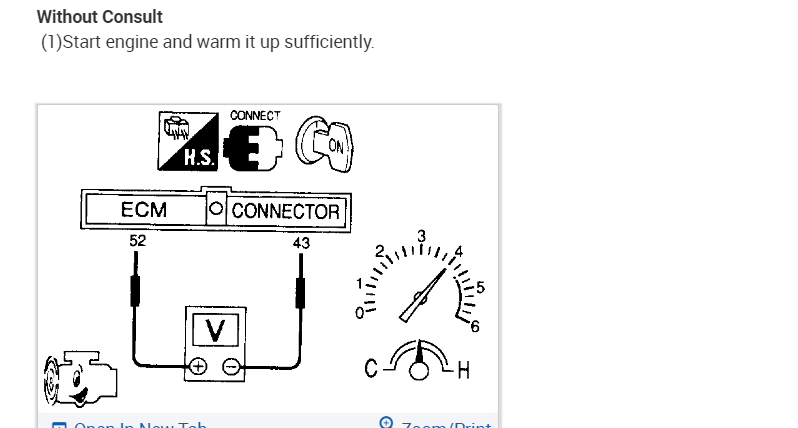
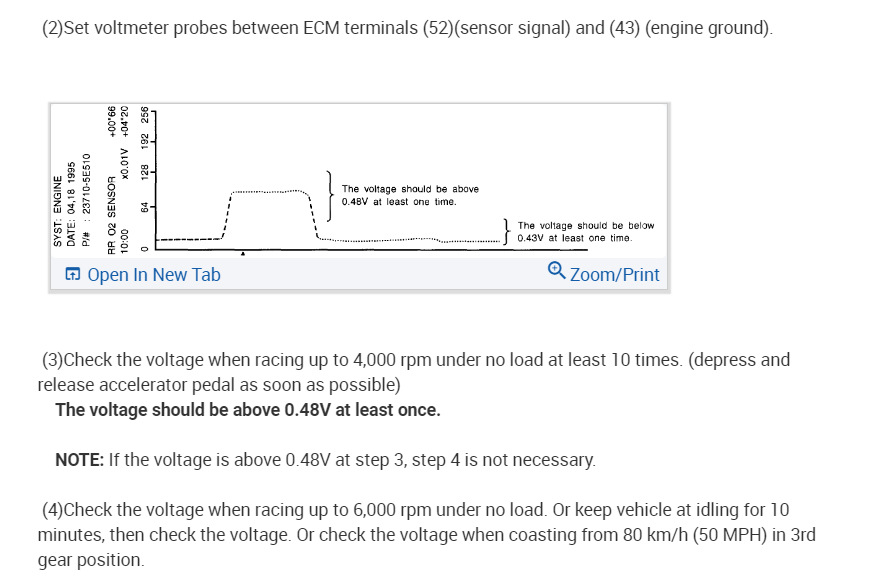
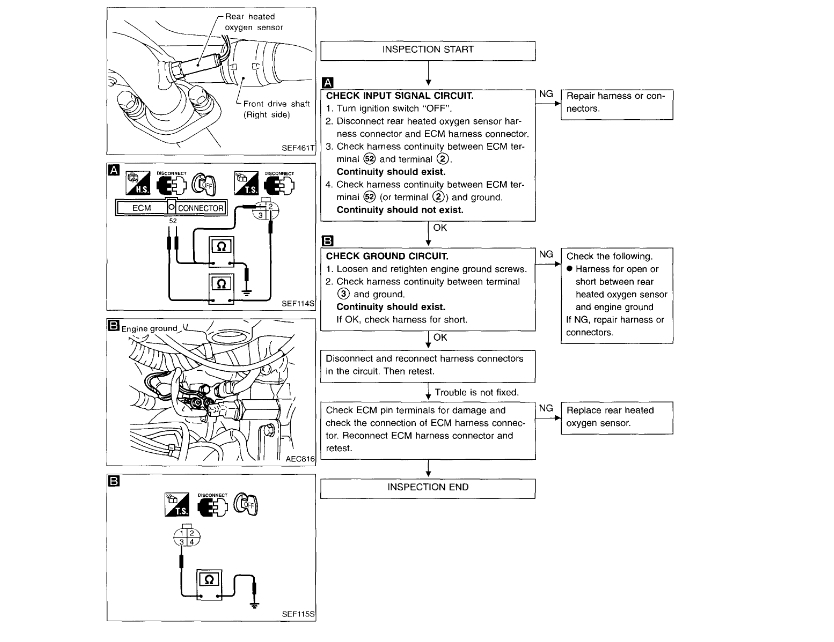
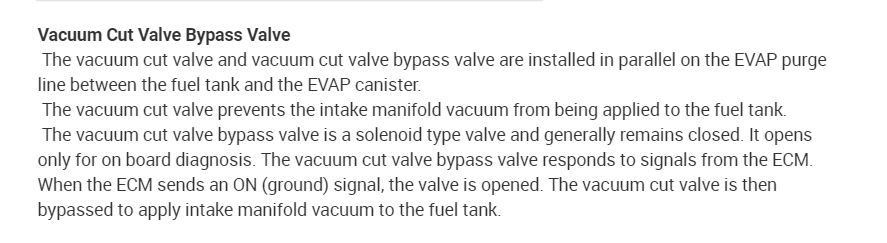
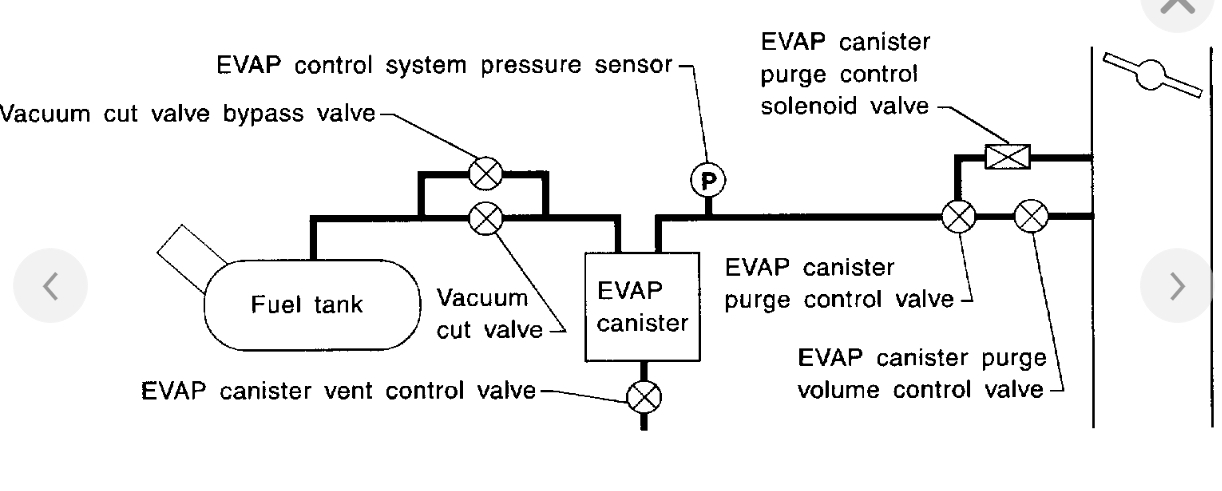
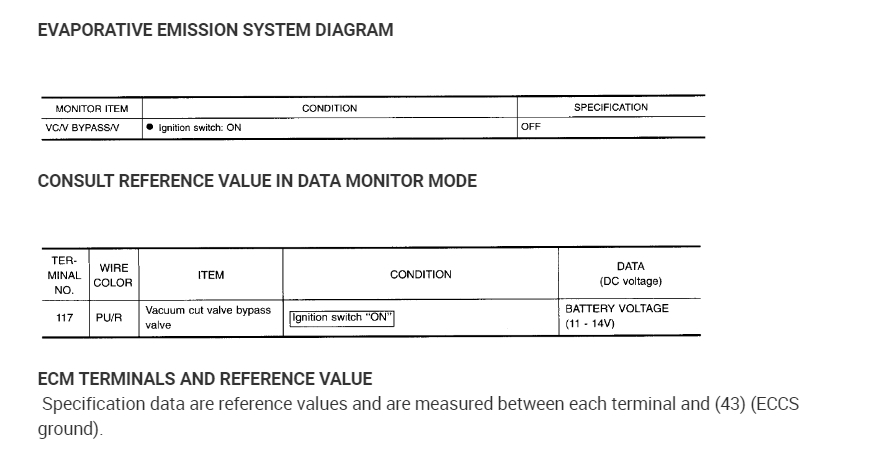
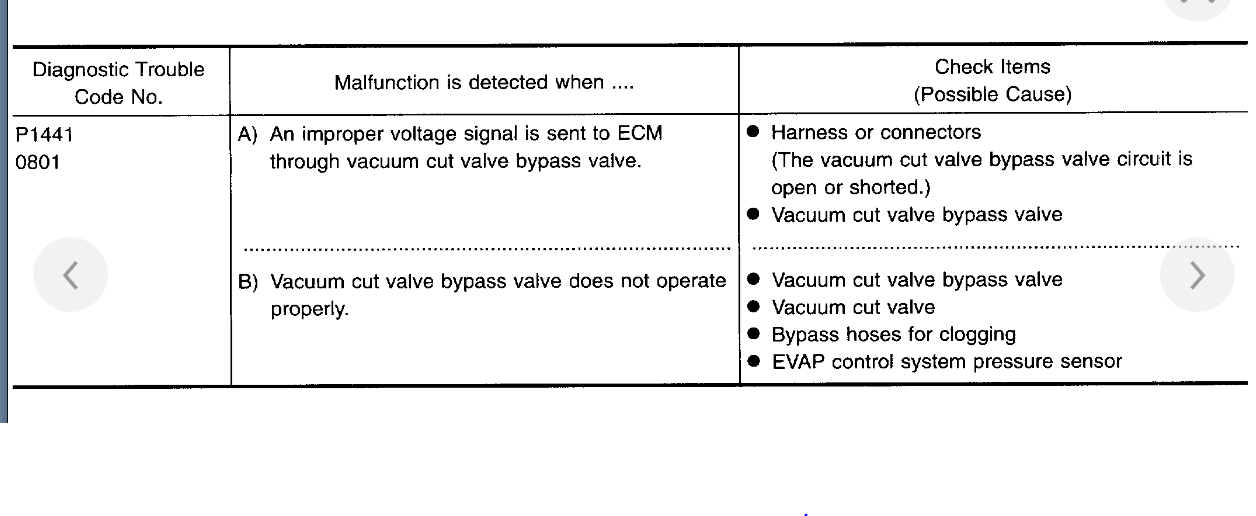
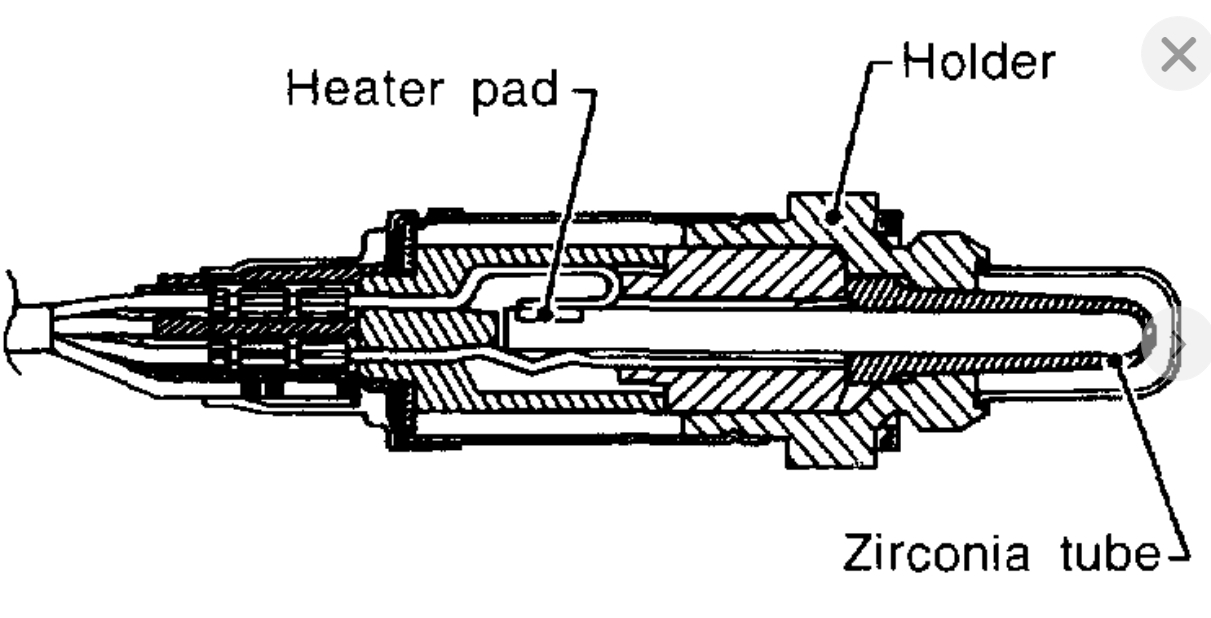
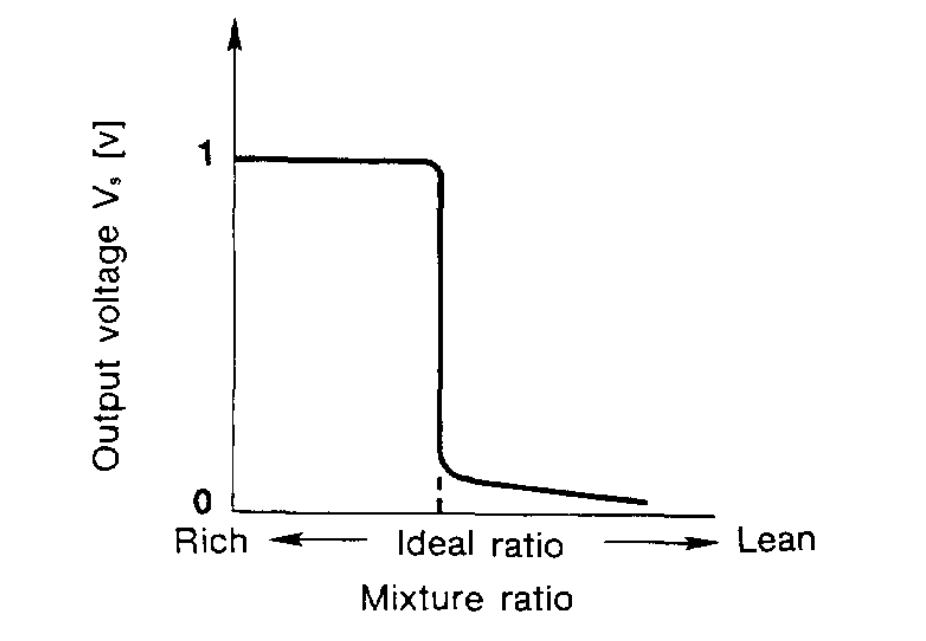
Okay, so DTC P0440 we know is an EVAP leak, and that is getting fixed. So let's take a look at the other two DTC's, and see what we got. In the diagrams down below I have included the factory diagnostic troubleshooting guides for DTC's P0136 and P1441. The exhaust manifold just unbolts. The bolts are usually rusty and baked in place, and can be a bear to break loose. Get a can of PB Blaster or WD40 and soak the bolts liberally and let soak overnight before attempting to break them loose. Go through these guides and get back to us with what you are able to find out.

Thanks,
Alex
2CarPros
Aug 7, 2019 at 12:04 AM
Avatar
YOURMINKY
  • MEMBER
  • 106 POSTS
Hi,
Can I use general purpose silicone or acrylic or rubber or latex caulk as the RTV sealant between the new solenoid and the canister?
Can I use pipe joint compound as the sealant?
Aug 8, 2019 at 9:23 PM
Avatar
SCGRANTURISMO
  • CERTIFIED EXPERT
  • 4,897 POSTS
Hello,

The answer is yes. In the end here what you are trying to do is make an airtight seal. However you come about it is fine. Remember though, there might come a day when the two parts might have to be seperated.

Thanks,
Alex
2CarPros
Aug 9, 2019 at 12:03 AM
Avatar
YOURMINKY
  • MEMBER
  • 106 POSTS
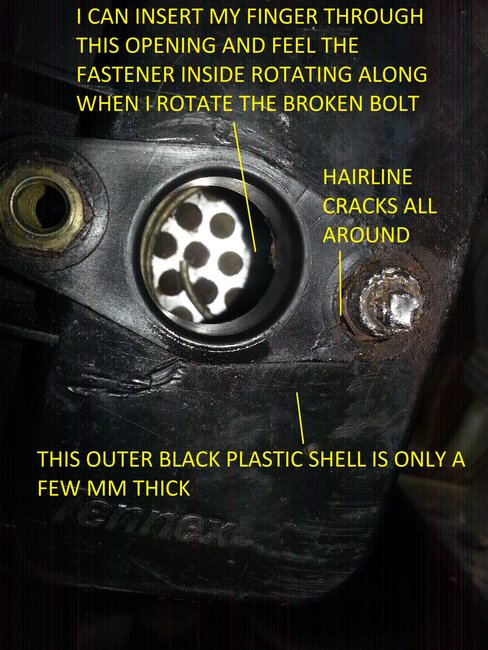
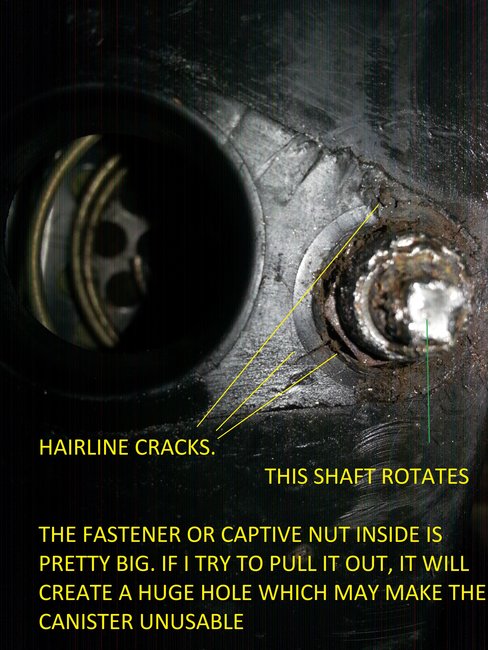
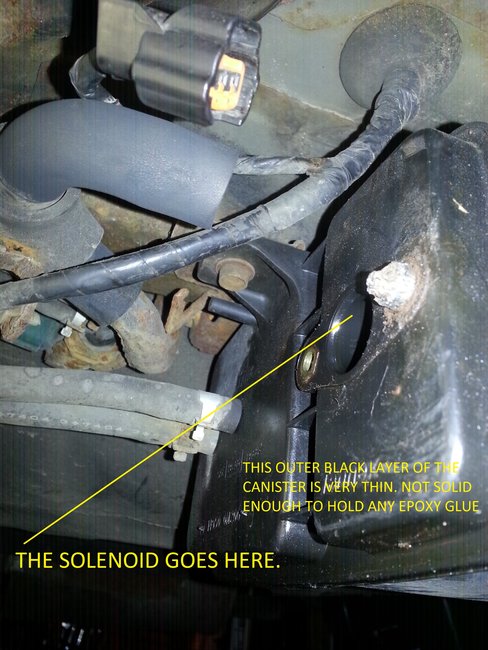
I tried removing the broken bolt shaft tonight but wasn't successful. I found out that the outer black plastic shell of the canister is very thin and not solid behind the broken bolt shaft. It is probably a little bit thicker than a credit card. There is no way it will hold enough JB Weld that is strong enough for a bolt or a captive nut. If I try to cut the broken shaft with a Dremmel tool, it will probably cut through the canister's thin plastic skin. A few photos are attached.
I can insert my finger through the solenoid hole and feel the huge fastener that is inside and behind the black plastic outer shell. The fastener which was previously mentioned as the captive nut, rotates along with the shaft. I cannot pull out the broken bolt shaft because the fastener inside the canister is huge, 4 to 6 times larger than the diameter of the broken bolt. There are hairline cracks on the thin plastic all around the broken bolt.
1. How do I remove the broken bolt shaft?
2. How do I fasten the new solenoid since the JB Weld method we discussed won't work?
3. How do I make the canister air-tight?
Aug 9, 2019 at 11:09 PM
Avatar
SCGRANTURISMO
  • CERTIFIED EXPERT
  • 4,897 POSTS
Hello again,

Have you thought about purchasing a new canister? If you have here is a link that you might find helpful:

https://www.ebay.com/itm/2000-2001-2002-Nissan-Sentra-1-8L-FUEL-EVAP-VAPOR-CHARCOAL-CANISTER-14950-0M210/183844556496?epid=21032655497&hash=item2acdfd4ed0:g:dxYAAOSwrlddAArL

Here is a used one for sale. Please get back to us and let us know.

Thanks,
Alex
2CarPros
Aug 10, 2019 at 5:37 AM
Avatar
YOURMINKY
  • MEMBER
  • 106 POSTS
Buying a used canister come with the same risk of having hairline fractures. New canisters are too expensive.
Aug 10, 2019 at 1:30 PM
Avatar
SCGRANTURISMO
  • CERTIFIED EXPERT
  • 4,897 POSTS
Hello again,

Okay, so there are a couple of options here. JB Weld actually makes a product that is made specifically for plastic. Also at your local auto parts store you can get black sealant in a tube manufactured by Permatex that is basically black liquid rubber that will harden into rubber in about 15 minutes. Either one of these products will work, but the JB Weld will be more permanent of a fix. The bolt is more tricky. I am not sure exactly what you have going on. Is the shank sticking out where you could put the solenoid on and then tighten a nut?

Thanks,
Alex
2CarPros
Aug 10, 2019 at 5:14 PM
Avatar
YOURMINKY
  • MEMBER
  • 106 POSTS
The collar/spacer and the broken bolt shaft and the inside captive nut all rotate together. I need to remove them and replace and make everything air tight.
Aug 11, 2019 at 7:37 AM
Avatar
SCGRANTURISMO
  • CERTIFIED EXPERT
  • 4,897 POSTS
Hello again,

Okay, so how far out does the broken bolt shank stick out where the solenoid is fastened onto the charcoal canister?

Thanks,
Alex
2CarPros
Aug 11, 2019 at 2:52 PM
Avatar
YOURMINKY
  • MEMBER
  • 106 POSTS
Photos are attached. I just removed the broken bolt shaft, collar/spacer and the captive nut.
Heating up a new captive nut and placing it in the cavity may not be a good option because it may not be an air tight solution as air may leak through the captive nut's threading, is there a way to make the new captive nut threading air tight?
Upside down bolt post is a good solution but how do I get the huge bolt head inside through the round cavity?
Do I need to test the canister for air tightness before re-attaching?
People are telling me crazy glue and baking soda may be a better solution to patch the hairline cracks and re-attaching the captive nut or upside down bolt, what do you think?
Aug 11, 2019 at 3:51 PM
Avatar
SCGRANTURISMO
  • CERTIFIED EXPERT
  • 4,897 POSTS
Hello again,

Plumbers tape or silicone tape has been used to make threads watertight for years, if water can't get through neither will air. Also RTV spread on on the threads of a fastener will also do an excellent job. RTV or silicone sealant is an excellent choice for sealing, but remember, there is no wrong answer here. In the end as long as it is sealed, that is what we are trying to achieve here. Remember, if it's sealed, then whatever you chose to do was the right answer. Please get back to us with how it turns out.

Thanks,
Alex
2CarPros
Aug 11, 2019 at 6:16 PM
Avatar
YOURMINKY
  • MEMBER
  • 106 POSTS
Bad luck, the replacement new solenoid is not holding a vacuum. I tested by energizing the solenoid with a car battery and then sucking air through the solenoid. The old solenoid holds a vacuum far better than the new one.

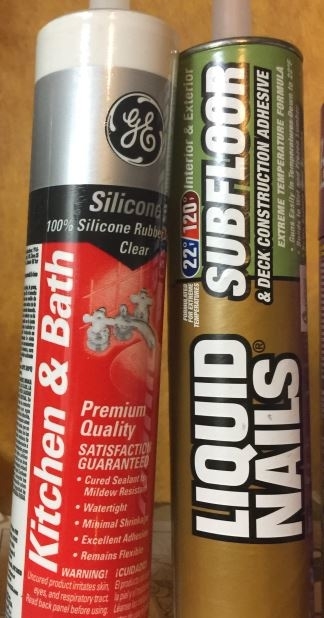
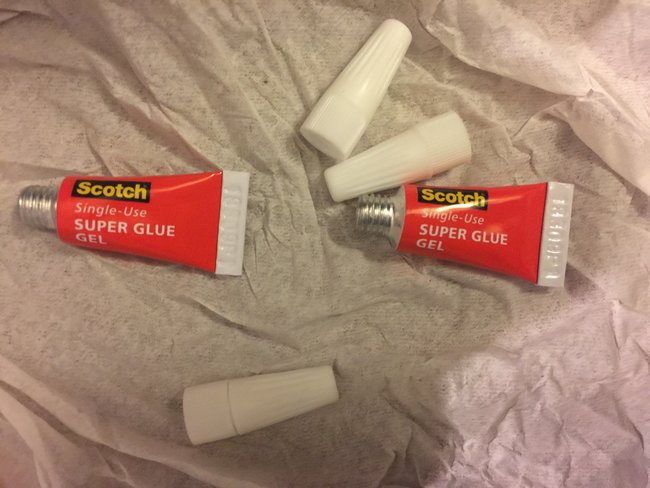
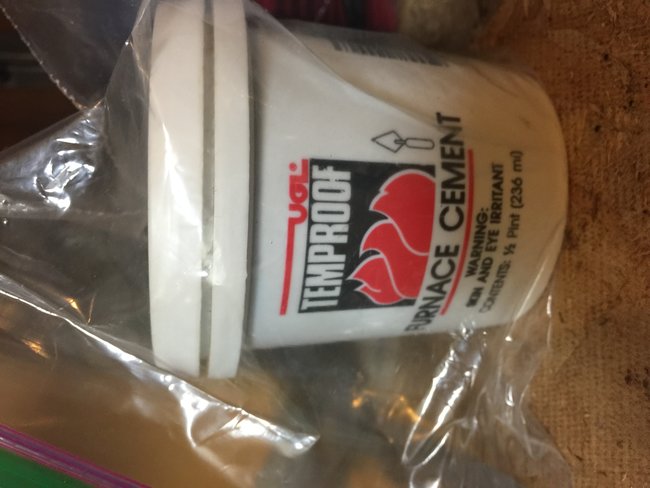
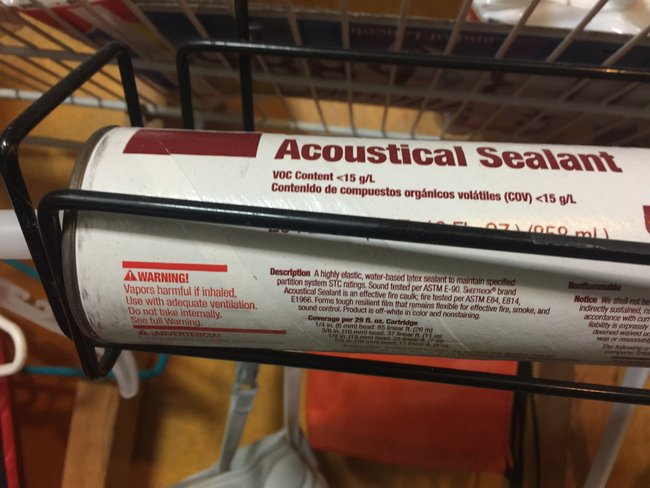
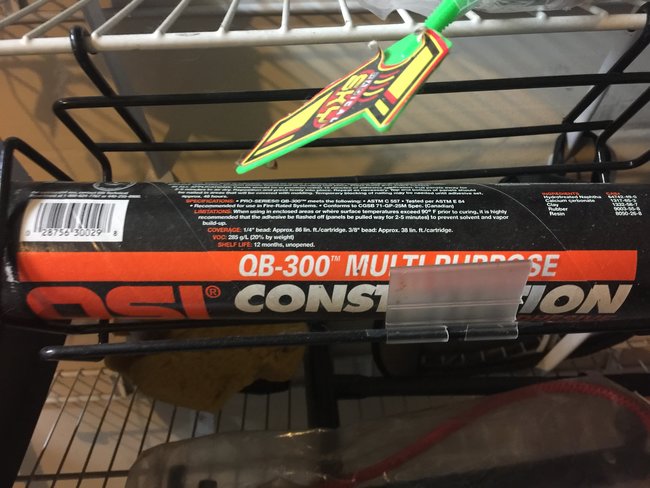
The silicone RTV sealants are thick and probably will not sip into the hairline cracks. I am also afraid it will also create a slight bulge if I spread a thin layer over the hairline cracks which will make the solenoid uneven against the canister. That's where super glue will probably work better because it flows like water and get inside the cracks easily. You have not recommended super glue so far. Is super glue not recommended for this purpose? Photos of adhesives I have are attached.
Aug 11, 2019 at 9:06 PM
Avatar
SCGRANTURISMO
  • CERTIFIED EXPERT
  • 4,897 POSTS
Hello again,

Super Glue will work fine. Remember, all's you are doing is getting the charcoal canister to seal. There is no wrong answer here. I think Super Glue is a great idea and if I am ever in this position, might be my first choice, now. Sealing is very important with the solenoid. Please keep us informed.

Thanks,
Alex
2CarPros
Aug 11, 2019 at 10:10 PM
Avatar
YOURMINKY
  • MEMBER
  • 106 POSTS
I am having hard time to reattach the rubber hose back to the canister. Is it okay to use Vaseline as lubricant on rubber hose and canister?
Aug 12, 2019 at 5:43 AM
Avatar
YOURMINKY
  • MEMBER
  • 106 POSTS
I used a little bit of transmission oil and the hose went in easily. Please disregard my last question. Heading out to the store to buy bolts and other supplies. I also need to stop by at the muffler shop to weld the hole in the exhaust pipe.
Aug 12, 2019 at 8:17 AM
Avatar
YOURMINKY
  • MEMBER
  • 106 POSTS
The exhaust pipe was completely cracked and hanging at the flange. The muffler shop took out the flange and welded a 6 inch straight pipe. After the welding was complete, the muffler shop pointed out a second but smaller hole that was an inch from where they welded, a 8 inch pipe would have covered both holes. The muffler shop wanted more money to patch the 2nd hole which they overlooked when inspected. They also pressured me to buy a whole Catalytic Converter package. I thought they were joking, but they were not.
I am going to use muffler cement or furnace cement (which I already have) to patch the 2nd small hole if the O2 sensor P0136 fault comes back.
All of the JB Weld items Walmart and Farm and Fleet had said, "works on some plastic." I was not sure what kind of plastic the canister is made from so I Bought some Permatex crazy glue. They did not have the JB Weld Liquid Rubber that works on plastic in stock.
Aug 12, 2019 at 4:03 PM
Avatar
SCGRANTURISMO
  • CERTIFIED EXPERT
  • 4,897 POSTS
Hello again,

Thumbs up! It's not as hard as some people make it out to be, huh. You are well on your way. Good job and please keep us informed, or don't hesitate to ask if you have another question about anything.

Thanks,
Alex
2CaarPros
Aug 12, 2019 at 8:33 PM
Avatar
YOURMINKY
  • MEMBER
  • 106 POSTS
Thanks for your comment. Is there any chance that either crazy glue or JB Weld will be broken down by the gas vapor?
The solenoid is normally open and allowing air to flow when not energized, correct?
Aug 13, 2019 at 9:15 AM
Avatar
YOURMINKY
  • MEMBER
  • 106 POSTS
I tried putting 2 rubber gaskets on the upside down bolt and tried to add 2 part JB Weld. The clearing between the post and the canister wall was so small and the JB Weld was so thick that I ended up putting a lot on the bolt thread and ruining it. I have new bolts. Is epoxy the best solution here?

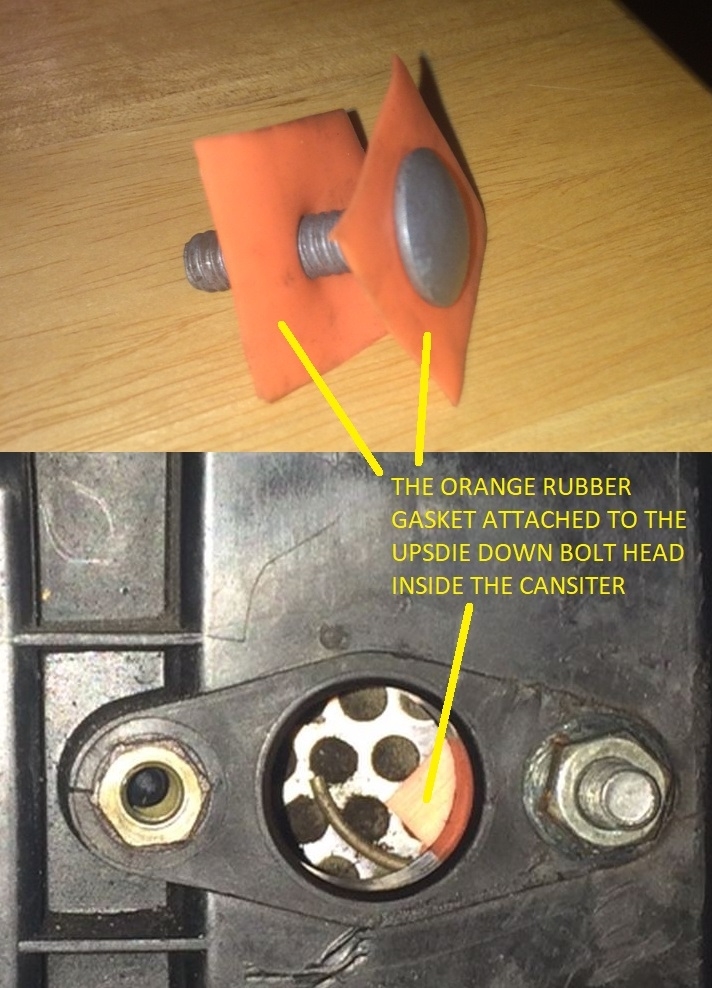
I was thinking about using the orange rubber washers in the photo as a bolt head sealant inside the canister and then drip either thin epoxy or super glue from the top. Are those rubber washers a good idea or just go with bare metal upside down bolt head inside the canister?
Aug 13, 2019 at 1:06 PM
Avatar
YOURMINKY
  • MEMBER
  • 106 POSTS
I tried to seal the canister bolt hole with my own 2 ply orange rubber gasket and attached a nut on top as shown in the photos from earlier today. JB Weld method did not work, too thick for the tiny opening, just wasted a bolt.
As I mentioned on Sunday, the new solenoid is defective and not holding a vacuum when energized. I bought it online. The new-new replacement will arrive on Thursday.
After spraying with PB Blaster, transmission fluid and cleaning up with Brake Cleaner, the old solenoid now holds a vacuum, by mouth-air-sucking test.
The muffler shop welded back the exhaust pipe. Last night I patched the remaining hole with exhaust cement. All exhaust and O2 sensor related faults P0136, P1441, P0446 are gone.
So, I mounted the old solenoid with one bolt, sealed the other hole with my double orange rubber gaskets (see photo above). After driving for a hundred miles and several stops, the Torque Pro OBD2 app now shows only one of the the original fault code that is P0440. The car finally completed the EGR System test per Torque OBD2 reader which it could not complete for many weeks due to the fault codes.
When I opened the gas cap a few minutes ago, a whole bunch of air hissed and rushed inside the gas can, so my home made orange sealant gasket was holding a vacuum. Is that a correct assumption?
Waiting for your comment before doing the super glue fix.

Aug 13, 2019 at 3:38 PM
Avatar
SCGRANTURISMO
  • CERTIFIED EXPERT
  • 4,897 POSTS
Hello again,

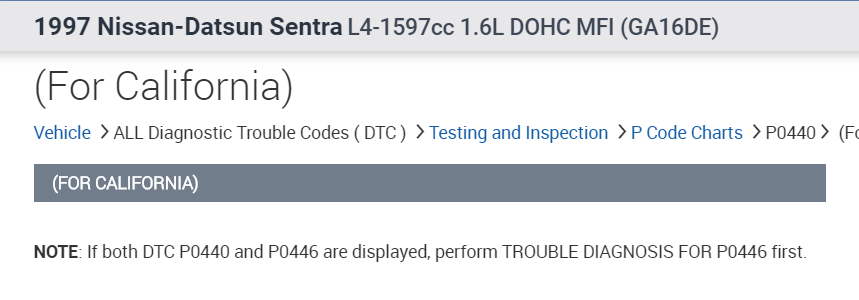
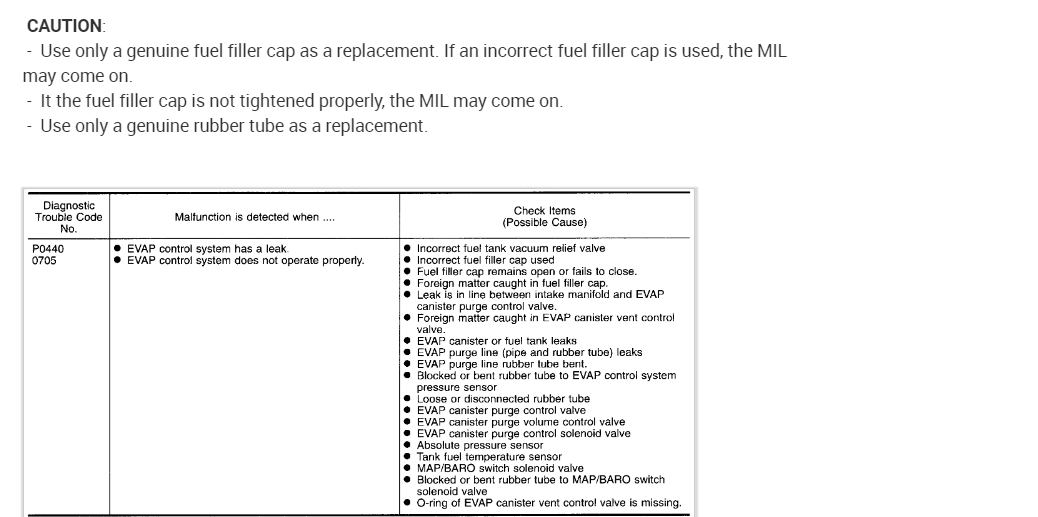
The super glue method sounds good to me. Also have you tried clearing DTC P0440 with yet? You should do this after you repair the leak where the solenoid bolt goes. For your reference I have also included the factory diagnostic troubleshooting guide for DTC P0440 in the diagrams down below for you. But it definitely sounds like you are doing a great job so far. Please keep us informed.

Thanks,
Alex
2CarPros
Aug 14, 2019 at 1:43 AM