Automatic Code P1776

1998 MITSUBISHI ECLIPSE
173,467 MILES • 2.0L • 4 CYL • FWD • AUTOMATIC
Avatar
MARMOLEJO ERIC
  • MEMBER
  • 4 POSTS
I have this code P1776, indicates solenoid switch L/R, I believe. I have this problem on my car because it is in limp-mode. I am a college student in Automotive class. I want to do it myself. I have change the transmission fluid and filter twice. I have done some research about it and I have some experience on hands. The issue comes from the valve body. Before I do anything to the valve body. How can I diagnosis check the issue without dropping the transmission? What the best suggestion to fix this issue. Should I replace the valve body? Do I replace the shift solenoids? Do I rebuilt it? Or do I just clean it? What the best suggestion to fix this issue? If you have a video link to this exact transmission and problem. It will me help a lot.
Jan 26, 2017 at 3:48 PM

Advertisement
Avatar
STEVE W.
  • CERTIFIED EXPERT
  • 15,113 POSTS
First off, let me thank you for providing all the information you did. If you get used to doing that when you are hunting for solutions you will have it much easier.

Here is the book definition:

DTC 47/P1776 sets when Low-Reverse solenoid switch valve pressure is high for second time.
Internal trans-axle failure may exist including sticking solenoid valve or solenoid and pressure switch failure.

Here is the test process:

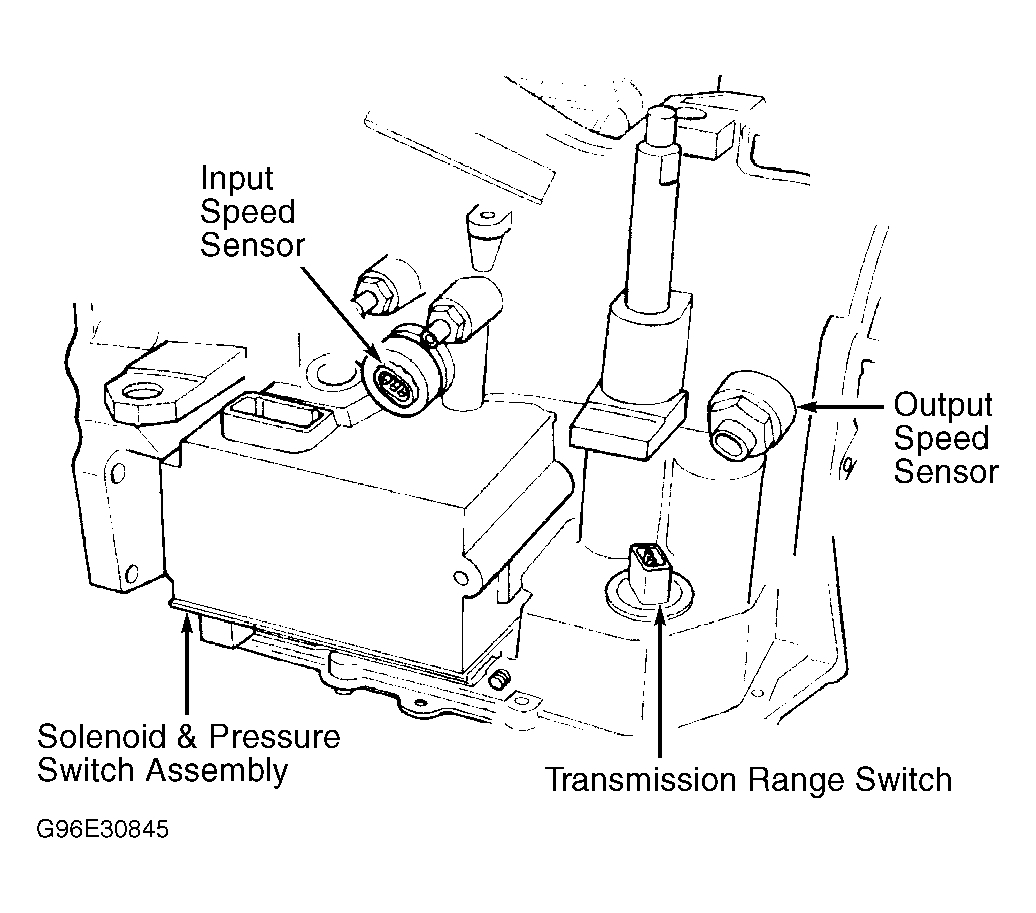
Disconnect solenoid and pressure switch harness connector. See Figure 1.
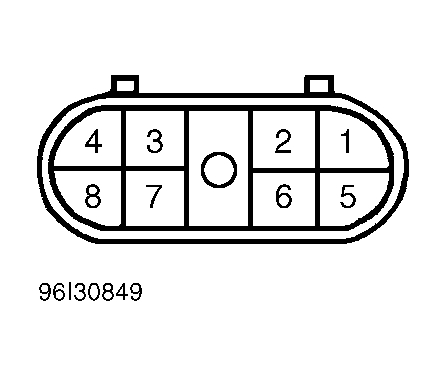
Measure resistance between solenoid and pressure switch terminals No. 4 and No. 6.
See Figure 2.
If resistance is not one ohm at 68°F (20°C), replace solenoid and pressure switch assembly.

IF the sensor tests good then you will need to test the actual pressures in the hydraulic system. But as you are not seeing other pressure related codes it is probably the sensor in the solenoid.
Jan 26, 2017 at 4:05 PM
Avatar
MARMOLEJO ERIC
  • MEMBER
  • 4 POSTS
I really appreciate the information and the help how to diagnose check the issue. What is the test tool called? Just to be sure when I diagnose it in automotive class.
Jan 26, 2017 at 4:19 PM
Advertisement
Avatar
STEVE W.
  • CERTIFIED EXPERT
  • 15,113 POSTS
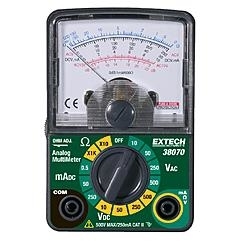
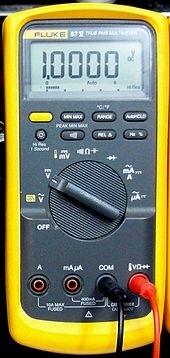
Just a common multi-meter to test ohms. But be sure to connect the probes together and note the reading before you test. Many times you will have 1-2 ohms just in the test leads on the meter.

So if you hold the leads together and see 1 ohm and test the part you would want to see 2 ohms.

https://en.wikipedia.org/wiki/Multimeter
Jan 26, 2017 at 5:02 PM