Overheating

2002 HYUNDAI ELANTRA
Avatar
CAMARO58
  • MEMBER
  • 5 POSTS
My daughter owns the listed above car GLS model that she is diligent about maintenance on. It has about 59,000 miles on it. While routinely driving two days ago, the air conditioner suddenly stopped blowing cold air. When she stopped at the bank, shortly after noticing the warm air, the car was spewing anti-freeze. She let it cool down, filled the reserve, started the car and it was not leaking any fluids anywhere (no hose ruptures), temperature gauge returned to normal. She drove about six miles and it began to overheat again. Been parked and not restarted since.
Jul 17, 2008 at 9:17 AM
Advertisement
Avatar
DOCFIXIT
  • CERTIFIED EXPERT
  • 18,828 POSTS
Check to see if cooling fan is coming on. If not may be temperature switch or fan relay.
Jul 17, 2008 at 9:45 AM
Avatar
CAMARO58
  • MEMBER
  • 5 POSTS
I checked both cooling fan and air conditioning compressor cooling fan. They are operating normally and the car is now blowing cold air. After letting the car idle until the temperature gauge reached the halfway mark, the water in the radiator is remaining still, no movement at all. Did not think the car needed to run 'hot' before water started to circulate.
Jul 17, 2008 at 1:50 PM
Advertisement
Avatar
DOCFIXIT
  • CERTIFIED EXPERT
  • 18,828 POSTS
You have found the problem. Yes, coolant should be circulating the thermostat is not opening to allow flow. Replace thermostat and you should be fine.
Make sure you let air to purge system before capping.
Jul 17, 2008 at 2:01 PM
Avatar
CAMARO58
  • MEMBER
  • 5 POSTS
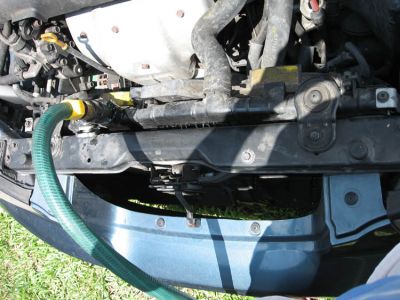
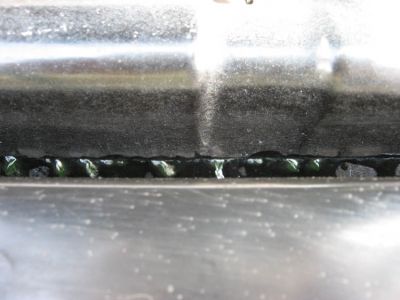
As I was adding water I noticed some 'pinholes' on the seam of the radiator near the top radiator hose. Are these normal 'overflow' type holes or did the weld let loose as the radiator overheated as I suspect. Photo #1 shows the complete top of radiator. Photo#2 is a close up of the 'pinholes'. Thanks for all your help, just a mom with limited knowledge trying to get the kid back on the road. She has my car!


https://www.2carpros.com/forum/automotive_pictures/214642_2002_hyundai_1_1.jpg


https://www.2carpros.com/forum/automotive_pictures/214642_2002_hyundai_2_1.jpg

Jul 17, 2008 at 2:27 PM
Avatar
DOCFIXIT
  • CERTIFIED EXPERT
  • 18,828 POSTS
Bummer on the radiator you are right pinholes not good.
Is that a metal tank if so a radiator shop may be able to repair if plastic no.
Are you going to DIY?
Jul 17, 2008 at 2:48 PM
Avatar
CAMARO58
  • MEMBER
  • 5 POSTS
It is plastic and yes DIY, sigh.
Jul 17, 2008 at 2:58 PM
Avatar
DOCFIXIT
  • CERTIFIED EXPERT
  • 18,828 POSTS
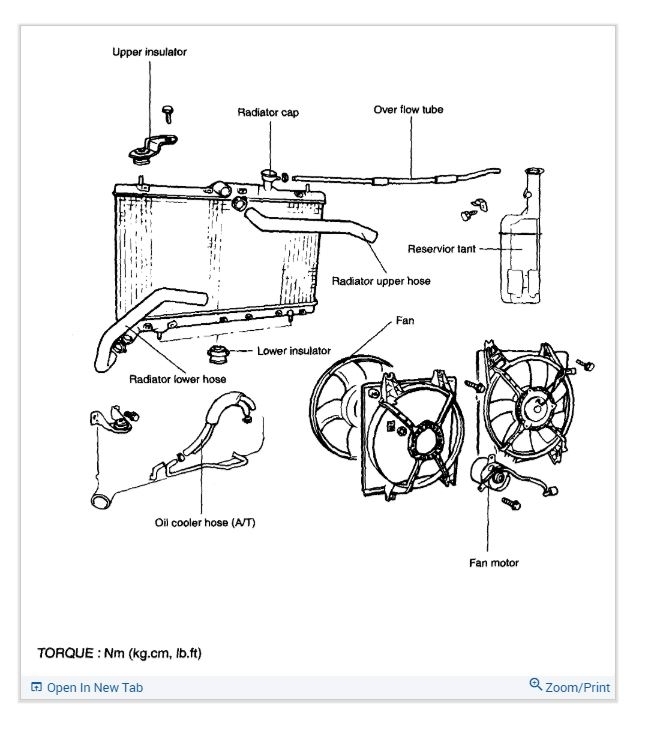
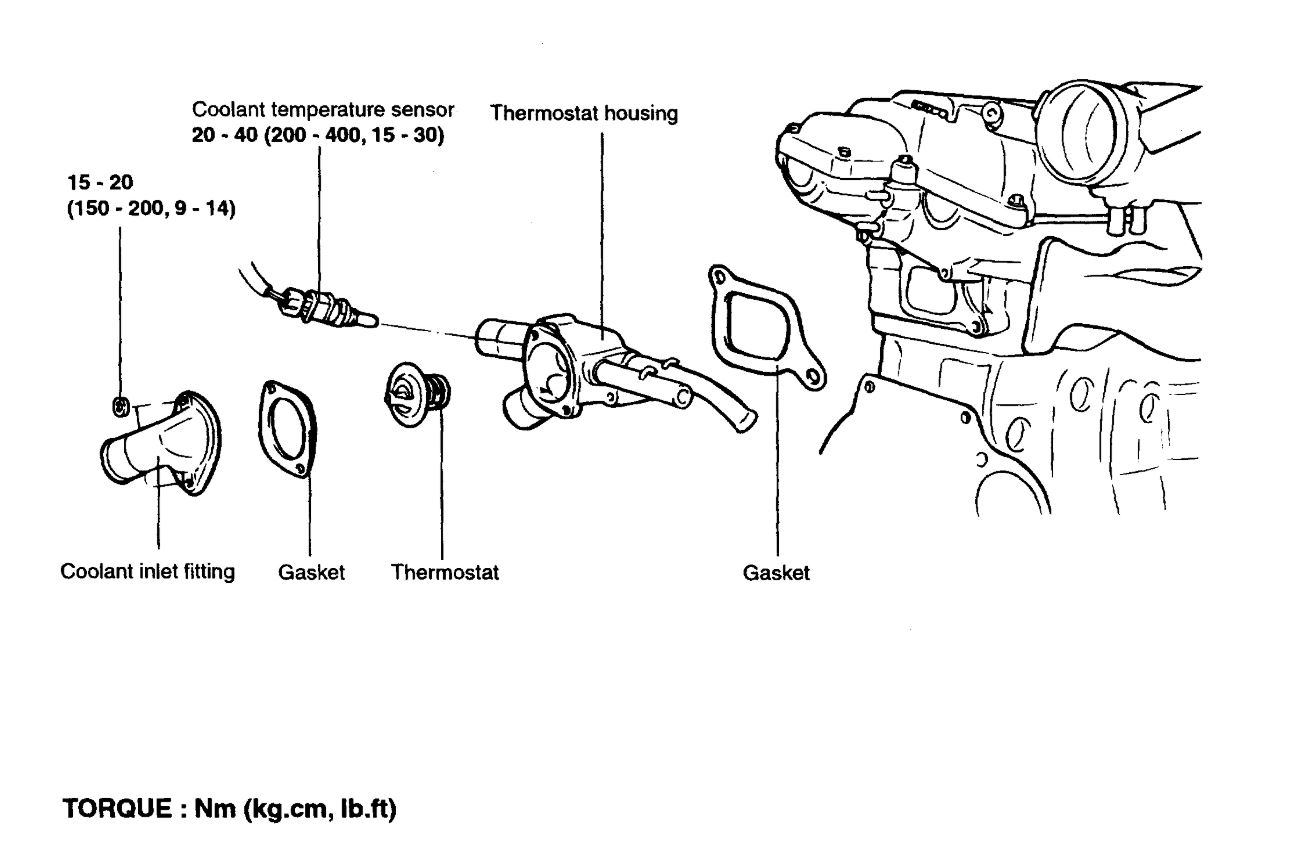
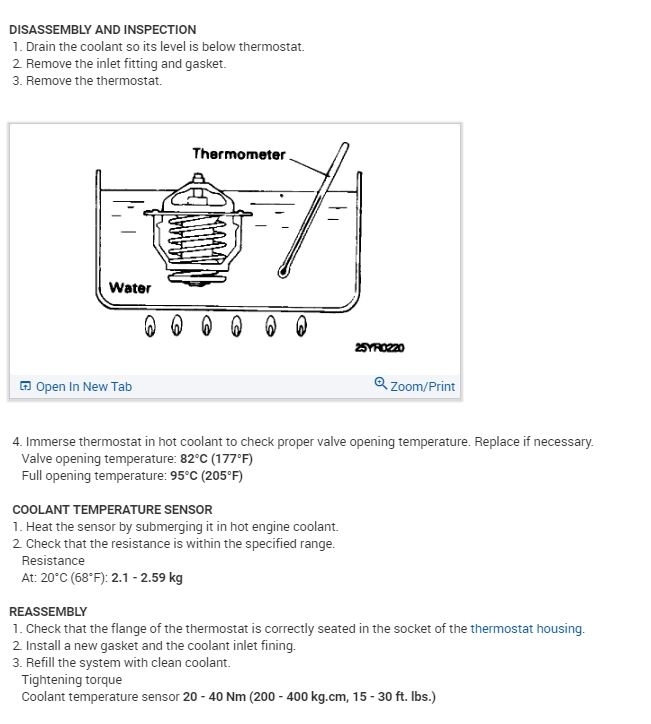
The thermostat. Follow top hose to engine housing two bolts.
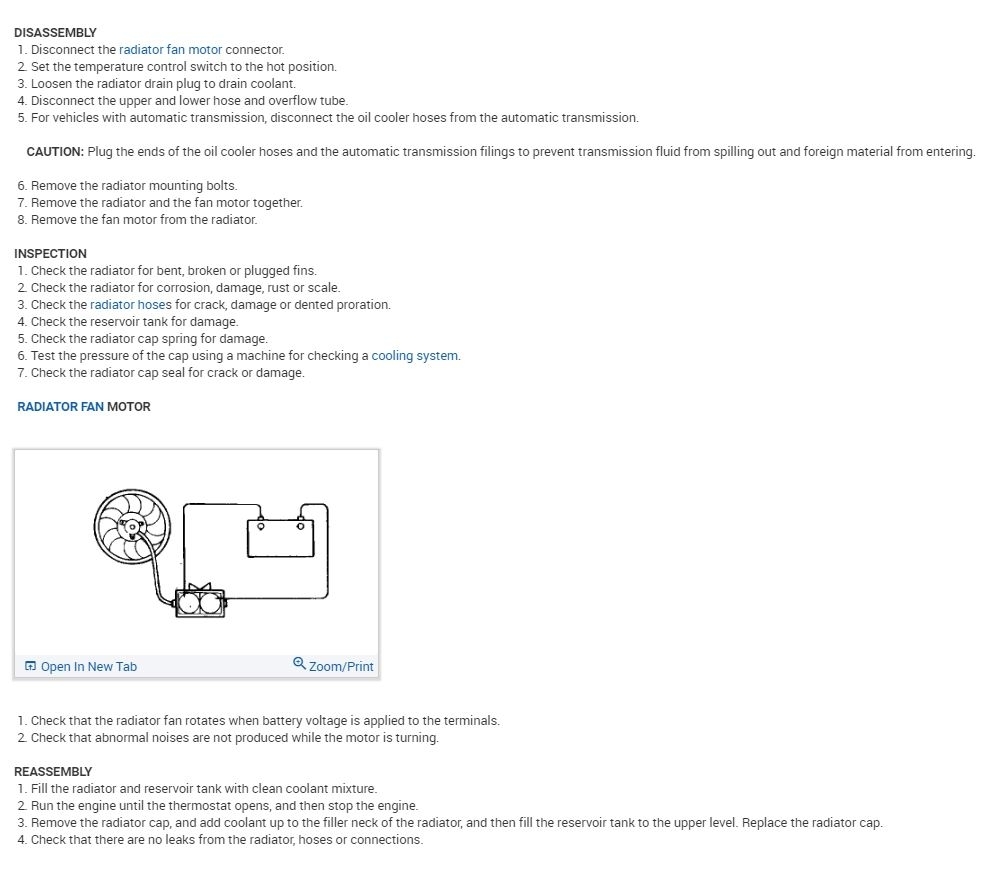
Radiator on top the two black brackets unbolt fan assembly needs to come off
Also two metal lines that go to transmission for cooling need to be removed with a line wrench.
Good luck and please pm me if you need help.
Shop around for radiator and some shops do repair plastic so try that to save money.

See the guides below on thermostat replacement and radiator replacement, they are not specific to your car, but will give you an idea of what is in store.

https://www.2carpros.com/articles/how-to-replace-a-car-radiator

https://www.2carpros.com/articles/replace-thermostat

See the diagrams below for make/model specific instructions and pictures.
Jul 17, 2008 at 3:13 PM
Avatar
CAMARO58
  • MEMBER
  • 5 POSTS
You have been absolutely great! Looks like we have our weekend project planned! Fortunately, my dad was a real car enthusiast and I am not afraid to tackle some of the minor repairs. Both my girls are also proficient and choose to save the labor if we can figure it out ourselves. Again, many thanks.
Jul 17, 2008 at 3:23 PM
Avatar
MARK6937
  • MEMBER
  • 1 POST
Your radiator is bad. The exact thing happened to my 2002 Elantra. I first noticed a mild smell of anti freeze followed by my AC blowing warm, I thought my AC went out until I noticed my car spewing anti freeze. I could not find the leak until I back traced the fluid and where it was leaking from. I replaced the radiator and everything went back to normal including the AC. This vehicle also has a problem with the Fan located to the passenger side of the front of the motor; the right one works but the one on the passenger side do not. I am almost positive your radiator id bad. They make this one with plastic seams and when it overheats the radiator bursts at the seam.
Dec 27, 2014 at 8:13 PM
Avatar
AYNOTBIGGIRL
  • MEMBER
  • 1 POST
Overheated on my way home from the grocery store, it had not been running hot before that. I got home and sure enough I was out of anti-freeze. I filled up and then the next day same thing. I took it to a local shop and they pressure tested it and said there are no leaks in the cooling system and recommended an engine specialist. Any idea? Could this be the water pump and they just did not detect it? I just put a new clutch in so I am committed to keeping the car a bit longer.
Sep 25, 2018 at 5:40 PM (Merged)
Avatar
RASMATAZ
  • CERTIFIED EXPERT
  • 75,992 POSTS
Could be airlock problem try bleeding the system. Has the thermostat been checked? If not, replace it. Radiator not clogged up and water pump okay?

One way to test for a bad water pump is to squeeze the upper radiator hose when the engine is hot and idling. Careful, because the hose will be hot! If you do not feel much coolant circulating through the hose when you rev the engine, the pump may be bad. The other cause might be a bad thermostat that is not opening properly (remove and inspect the thermostat), or a clogged radiator.
Sep 25, 2018 at 5:40 PM (Merged)
Avatar
SHUGHEY
  • MEMBER
  • 5 POSTS
The radiator blew on my way to work Wednesday so I replaced my radiator. The car continues to overheat, I squeezed the hoses to release any air left over in the system and still nothing. So I replaced the thermostat the night before last and the car is still overheating. The heat and AC work fine and I can see the antifreeze flowing across the top of the radiator but its back flushing everything into the reservoir until it overflows and then overheats. The last thing I can think of is the head gasket but I would rather not replace that if it could be something else. Please help it is my only car and I work five days a week. All my work is done by myself.
Sep 25, 2018 at 5:40 PM (Merged)
Avatar
SATURNTECH9
  • CERTIFIED EXPERT
  • 30,869 POSTS
Is your radiator fan working correctly?
Sep 25, 2018 at 5:40 PM (Merged)
Avatar
SHUGHEY
  • MEMBER
  • 5 POSTS
Yes, both fans kick on and work properly.
Sep 25, 2018 at 5:40 PM (Merged)
Avatar
SATURNTECH9
  • CERTIFIED EXPERT
  • 30,869 POSTS
When it gets to normal operating temperature are both the upper and lower radiator hoses too hot to hold?
Sep 25, 2018 at 5:40 PM (Merged)
Avatar
SHUGHEY
  • MEMBER
  • 5 POSTS
No, not that I know of. It only gets hot when I am on the highway doing 70 mph. Then I have to stop and let it cool off.
Sep 25, 2018 at 5:40 PM (Merged)
Avatar
VIOLETELSWICK
  • MEMBER
  • 2 POSTS
I am about fed up with the problems I am having with my car so I have decided to turn to you guys for possible help. My car began to overheat and it was like a domino effect with parts that kept going out on the car. The main problems initially with the car was overheating and the transmission was slipping when trying to go into certain gears occasionally. I replaced the alternator because it had locked up, water pump, timing belt, serpentine belt, thermostat, radiator, changed the oil, tailpipe and flex pipe replaced, among other things that the mechanics found wrong once they had the car on the rack. The car now runs perfect engine wise, except that it is still overheating. There is no milky residue in the oil and there is no white smoke coming out of the tailpipe so I am pretty sure that the head is fine. When the car is at idle, the car does not overheat. I turn the heater on and the heat goes down. I am pretty sure that the fans work without the heater coming on, but I just do this to help speed things along. I was told to check my modulator valve, but I do not think my car has one. I have determined that the car starts to overheat when the transmission warms up because when the car starts to slip gears, it starts overheating even more. I have bought a bottle of this stuff that you put in transmissions to help clean the transmission and preserve gear band life span because I was told by another person that my transmission gear bands may be heating up and expanding too much which is why it keeps slipping, causing too much heat and therefore causing the car to overheat. The moral of the story is that I am tired of putting the car in the shop, being told that my problem would be fixed only to get the car out, still the problem and then right back in the shop to spend more money. I would like to find out the problem definitely before I put it in the shop again. Thanks so much in advance and I apologize for the long book I wrote above.
Sep 25, 2018 at 5:40 PM (Merged)
Avatar
SATURNTECH9
  • CERTIFIED EXPERT
  • 30,869 POSTS
If there not both getting hot you have no circulation or you have air in the system.
Sep 25, 2018 at 5:40 PM (Merged)
Avatar
VIOLETELSWICK
  • MEMBER
  • 2 POSTS
Thanks so much for your quick response! I will have that tested first and then I will let you know.
Sep 25, 2018 at 5:40 PM (Merged)
Avatar
SHUGHEY
  • MEMBER
  • 5 POSTS
I mean they get hot but not unbearably hot. And I can see the antifreeze flowing. I am pretty sure I have gotten all the air out. Is there another way I could get it out besides squeezing the lines? If there is any in there.
Sep 25, 2018 at 5:40 PM (Merged)
Avatar
SATURNTECH9
  • CERTIFIED EXPERT
  • 30,869 POSTS
You can have the coolant moving and still have air.When the engine gets to normal operating temp both large upper and lower radiator hoses should be too hot to hold.Also there is a bleed funnel or they have a air lift that runs on compressed air.
Sep 25, 2018 at 5:40 PM (Merged)
Avatar
SHUGHEY
  • MEMBER
  • 5 POSTS
Alright thanks I'll see what I can figure out
Sep 25, 2018 at 5:40 PM (Merged)
Avatar
SEVEN11
  • MEMBER
  • 2 POSTS
I When i crank my car and run the engine for about 15 minutes or more the coolant starts overheating and overflows from the overflow tank.I believe this is cause by the radiator or thermostat.I would like to know what you think it is or know it is.Thank you for your help!
Sep 25, 2018 at 5:40 PM (Merged)
Avatar
KHLOW2008
  • CERTIFIED EXPERT
  • 41,814 POSTS
Start with a check on the radiator cap first. Next ensure the cooling fans are working.
Sep 25, 2018 at 5:40 PM (Merged)
Avatar
CAPUTO3121
  • MEMBER
  • 1 POST
Yesterday was a normal day I was going to the start when I started to realize that the thermostat was starting to climb out of nowhere. It would only go up when you would accelerate or go up hill. At idle or neutral the car would be normal on the half way mark. So I brought it back home let it sit for a couple hours and checked the radiator fluid and that was full. I have no idea what the cause of the problem could be I hope it is nothing huge!! Please Help! Thank you!
Sep 25, 2018 at 5:40 PM (Merged)
Avatar
JACOBANDNICKOLAS
  • CERTIFIED EXPERT
  • 110,175 POSTS
I would check the thermostat first. Here is a how to:

https://www.2carpros.com/dia/test_thermostat.htm

Let me know what you find.
Sep 25, 2018 at 5:40 PM (Merged)
Avatar
TMITCH223
  • MEMBER
  • 2 POSTS
I just bought this car for my 16 yr old daughter, drove it 3 block and it started over heating. I pulled over and let it cool down and added some coolant. Started it back up (without the rad cap on) and with in adout 1 min the coolant started overflowing from the top. It wasnt boiling but it was more of a fast steady rise. I was thinking thermostat or water pump.... Any ideas. Thanks
Todd
Sep 25, 2018 at 5:40 PM (Merged)
Avatar
RASMATAZ
  • CERTIFIED EXPERT
  • 75,992 POSTS
Replace the thermostat and check the water pump

One way to test for a bad water pump is to squeeze the upper radiator hose when the engine is hot and idling. Careful, because the hose will be HOT! If you do not feel much coolant circulating through the hose when you rev the engine, the pump may be bad. The other cause might be a bad thermostat that is not opening properly (remove and inspect the thermostat), or a clogged radiator.

If it continues to overheat get it block and pressure tested to rule out a blown headgasket cracked head or block intake leak

Are the cooling fans coming on?

Car Engine Over Heating - Troubleshooting
Inside your car's engine, thousands of controlled explosions called combustion events caused by igniting a fuel / air mixture inside the engine. Spark plugs are used to ignite the fuel / air mixture contained in the cylinders. These explosions are converted into power through the engine while producing a large amount of heat. These high temperatures are controlled with the help of the cooling system. A cooling system consists of a water pump, thermostat, radiator hose, hose clamps, radiator, radiator cap and coolant. Engine coolant is used to transfer heat from the engine to the radiator by the cooling system.  The radiator removes heat from the coolant by forcing air through the radiator cooling fins. Without coolant your engine will over heat and if left unattended sever engine damage will occur.  Engine coolant colors can vary from green, orange, blue and yellow each having their own unique protective and environmental properties. Coolant leaks are a common car problem that can lead to overheating; we have listed some of the most popular causes below. (Always inspect engine cold to avoid personal injury) (note: coolant and antifreeze refer to the same product, in below freezing, coolant lowers the freeze point hence the name anti-freeze and inn warm weather coolant help raise the boiling point, "coolant")
Troubleshooting Procedure

•  Check Engine Coolant Level - Test For Leaks.  Engine coolant is used to transfer heat from the engine to the radiator; if a coolant leak is present the engine will eventually overheat. Inspect the engine coolant level in the coolant reservoir tank; coolant level should be between the hot and cold marks. Always check the coolant level when the engine is cold, preferably over night. If the coolant level is not between the reservoir marks the cooling system may have a leak. - Engine Coolant Leaks

Radiator Cap and Coolant Reservoir

If engine over heating has occurred the coolant level will naturally be low due to expansion to the coolant from the extreme heat of the engine. This heat expansion forces coolant out of the radiator and coolant reservoir. To test for an engine coolant leak move the car to a dry smooth surface and allow the engine to cool. Remove the radiator cap and carefully (do not spill) add water until full, then re-install cap. Start engine and allow to run for about three to five minutes (do not allow to overheat) while the engine is running inspect the ground below the engine, if an engine coolant leak is present observe the location of the coolant drops, this will help determine where to start looking for the coolant leak (shut the engine off before inspecting).

Leaking Radiator and Radiator Hose

If no coolant is observed two additional checks are needed for a complete test. With the engine off remove the engine oil fill cap and turn it over, if a milky oil condensation is present the engine may have a failed cylinder head or intake manifold gasket allowing coolant to leak internally. To inspect engine gaskets disassembly is required. Next, the car heater core must be inspected; the quickest way to check the heater core condition without removal the heater core is to inspect the passenger's side foot well compartment carpet for the presents of coolant. If coolant is present the heater core has failed and must be replaced or repaired. After necessary repairs have been made refill the cooling system with manufacturers recommended engine coolant and recheck operation.

• Check Engine Thermostat.  An engine thermostat is designed to stop the flow of coolant from the engine to the radiator. This temperature sensitive valve is designed to open when the engine has reached operating temperature (190°-198° F).  The operating temperature of 190°-210° F is used to help facilitate fuel combustion. When a thermostat fails it will either stop the coolant flow at operating temperature "stick closed" or fail to stop the coolant flow causing the engine to run colder longer than necessary. If the thermostat fails "open" it will cause the coolant to continuously flow through the engine creating a diagnostic trouble code (check engine light) will be set. When a thermostat sticks closed it will cause the engine to overheat quickly, usually within 5 to 15 minutes of operation. To check for either of these conditions drain coolant and remove thermostat, (thermostat is located in the thermostat housing) if you are unsure of the location of the thermostat on your engine consult a car repair manual. Once you have removed the thermostat inspect the condition of the main body check for any cranks or broken pieces, also check the valve to make sure it is closed. If the valve is open the thermostat has failed and needs to be replaced. To check the operation of the thermostat prepare a pot of water on the stove top deep enough to cover the thermostat completely. Install the thermostat in the pot of water, turn the stove on a medium/high flame, the thermostat should open right before the water comes to a boil. If the water has boiled and the thermostat valve is still closed the thermostat has failed and needs to be placed.

Engine Thermostat

• Inspect Engine Cooling Fan Clutch or Electric Fan Operation. The engine cooling fan system in your car is designed to move air through the radiator when the vehicle is at slower speeds or stopped. This air flow removes heat from the coolant created by the engine using the radiator as a conductor. Most radiator cooling fans are powered by the engine or by electricity. When a cooling fans fails it causes the coolant to retain heat, forcing the engine to run hot and eventually over heat. A cooling fan that is powered by the motor is engaged and disengages from operation by a temperature controlled fan clutch. This fan clutch is constructed using a silicon grease and temperature sensitive coil spring that expands and contracts with heat. As the spring absorbs heat it expands engaging the clutch fan utilizing engine power to drive the fan. A clutch fan can fail one of two ways, it can either locking the fan to the clutch causing poor mileage and a whirring sound, like an airplane is taking off next to you. Or the silicon grease can start to leak causing the fan clutch not to lock up allowing the fan to "freewheel", failing to pull air through the radiator. To check for this condition the engine must be off, inspect the fan clutch for leakage at the front or rear of the unit (input shaft and temperature controlled expansion spring). If leakage is observed the fan clutch has failed and needs replacing. Next, take the fan blade and turn it, the fan blade should free wheel, if you cannot turn the fan blade the clutch has locked up and needs to be replaced.

Engine Fan Clutch (fan blade not attached)
 
To inspect an electric motor cooling fan start with ignition key off, next spin the fan blade by hand, it should "freewheel" if the fan motor does not spin freely it has failed and needs to be replaced. If the fan motor "freewheels" the electrical system that operates the fan needs to be tested. Start the engine and turn the air conditioner to the coolest setting, if your car does not have an air conditioner skip this step. Within five minutes of the car air conditioner operating the cooling fan should activate, if not the fan motor fuse must be checked first; if the fuse condition is ok the remainder of the electrical system must be checked. To further troubleshoot this problem a wiring schematic is needed which is located in a car repair manual. Use the wiring schematic to trace the circuit through the fuse and relay components, if everything tests ok the fan motor has failed and needs to be replaced. The cooling fan motor failure is the most popular repair.

Radiator Cooling Fan
 
• Low Flow Through Radiator. A radiator is used to remove heat from the engine coolant through convection. Coolant is forced through the radiator hoses and into the radiator via the water pump. Inside the radiator many small tubes which are constructed with cooling fins transfer heat to the atmosphere. If the radiator becomes plugged it fails to transfer heat from the coolant causing the engine to overheat. This condition generally occurs gradually over time and will be more noticeable when climbing a grade or in warm climate. To check for this condition make sure the engine is cold, and then drain coolant to lower the level in the radiator. The coolant level is lowered to allow visual inspection of the cooler tubes in the radiator core. If the radiator cooler tubes are plugged drain the cooling system completely and replace the radiator with new, reassemble to refill with coolant and recheck system.

Plugged Radiator
 
• Plugged Catalytic Converter. The catalytic converter or "cat" for short is one of your vehicles main emission control devices. The name was derived from the operation the catalytic converter performs; it utilizes a catalyst martial and converts unburned gasses into burned gases, "catalytic converter". The catalyst is heated to excite the chemical the catalyst is made of, this burns the unburned fuel making the catalyst even hotter furthering the effect (thermo reactor). Because of the extreme temperatures the catalytic converter produces the catalyst martial can crack and come apart clogging the outlet port of the converter causing low power and stalling.

 Catalytic Converter Starting to Fail
 
While the catalytic converter is failing it will partially plug the exhaust system, creating excessive back pressure in the engine exhaust. Excessive exhaust back pressure will cause the engine to have less power, to compensate for low power condition the user will add more throttle. When more throttle is applied the engine creates excessive heat overloading the cooling system causing the engine to run hot or over heat. This condition is always accompanied by low engine power.

Plugged Catalytic Converter

For exact specific repair procedures for any of the steps above visit our online repair manual page.

Pasted from <https://www.2carpros.com/first_things/engine_over_heats.htm>
Sep 25, 2018 at 5:40 PM (Merged)

Avatar
SHREYANSH
  • MEMBER
  • 1 POST
My Hyundai Elantra 2004 car with 65000 miles started showing engine malfunction, I drove it for another 5-7 miles to see local mechanic. It stopped later on and I restarted again and after half miles it stopped. The mechanic after seeing it....said I overheated the car and engine is locked now because of heat and lack of coolant. after checking it he says I need to change the engine and radiator to run the car. I dont understand many technical terms, but I'm really wondering is that is there no solution at all?......Is there is a chance that a mechanic with better experience and knowledge can solve this problem......???
Sep 25, 2018 at 5:40 PM (Merged)
Avatar
MERLIN2021
  • CERTIFIED EXPERT
  • 17,250 POSTS
Hyundai's have a 10 year 100,000 mile waranty on the powertrain, the engine qualifies as a powertrain part. Other than that, most mechanics can tell if an engine is siezed...
Sep 25, 2018 at 5:40 PM (Merged)
Avatar
BARMAIDSAH
  • MEMBER
  • 5 POSTS
I have a 2003 Hyundai Elantra, and in just the last 2 days it has started to overheat. I have not had any other problems with it at all. When I am driving the engine temp gauge conntinues to climb, but when I am at a stop light or I pull over and am at idle the gauge comes down some. there isn't any leaks that I can find, and all the hoses seem to be fine, with the exception of the top radiator hose. Where it comes out of the radiator is fine and I see no cracks, however, at the end point where it would connect to (I think) the thermostat housing, there is some corrosion of some kind, white, like calcium or lime. I called a car shop, and they want to charge me $90 to see if I blew the head gasket. Should I just have them replace the thermostat instead?
Sep 25, 2018 at 5:40 PM (Merged)
Avatar
JACOBANDNICKOLAS
  • CERTIFIED EXPERT
  • 110,175 POSTS
The corroision around the thermostat housing must have been a leak, but a small amount of coolant over time will cause that. Let me ask some questions before giving suggestions.

Have you noticed any white smoke from the exhaust? If you check the oil, is there a white sludge mixed with it? If you check the coolant, does it appear to have oil mixed with it? When the engine is at operating temp, does it run well? Finally, have you ever had the t-stat replaced and the cooling system flushed?

Let me know. Also, if needed, I have a how to for checking engine compression if I think it's needed.

Joe
Sep 25, 2018 at 5:40 PM (Merged)

Avatar
BARMAIDSAH
  • MEMBER
  • 5 POSTS
I checked the oil, and no milky goo on the oil cap, also when I checked the dipstick, it just looks like oil, time for an oil change, but just oil. The coolant seems fine also, just a light neon green. I have not notiiced any white smoke coming from the exhaust, or anywhere else. Except for the overheating, the car runs fine. After it's been running for about 10-15 minutes the guage starts to go over the half way mark, but it still runs fine. I have not had the system flushed or coolant replaced in about 2 years, and I have never replaced the t-stat.
Sep 25, 2018 at 5:40 PM (Merged)

Avatar
JACOBANDNICKOLAS
  • CERTIFIED EXPERT
  • 110,175 POSTS
Based on your description, the head gasket sounds fine. You would have seen one of the things I described to you if it was bad. I would try replacing the t-stat and having the cooling system serviced. Chances are that will fix the problem. Also, another thing to consider is a bad temp sending unit. It could be causing the gauge to act that way. And finally, they make a thermometer that you can place in the top of the radiator, so it is in the coolant, and allow the car to heat up to check if the gauge is accurate or giving false readings. THat way you would know if the sending unit is bad. THe car should run around 200 degrees F.

Let me know if this helps or if you have other questions.

Joe
Sep 25, 2018 at 5:41 PM (Merged)
Avatar
BARMAIDSAH
  • MEMBER
  • 5 POSTS
I took it to a shop by my house and after having the car all day today (took it in at 7:45am), they called at 4:30pm and said my engine was blown. They said they did a pressure test. They want to sell me a used motor, water pump, timing chain(or belt), and a t-stat for around $1500. The car is still running fine(except overheating), no chugging or stalling, still no coolant in the oil or oil in the coolant.
Sep 25, 2018 at 5:41 PM (Merged)
Avatar
JACOBANDNICKOLAS
  • CERTIFIED EXPERT
  • 110,175 POSTS
Bring the car home and do a compression test on it. That way you will know if the head gasket is bad. Here is the how to:

https://www.2carpros.com/dia/how_to_check_compression.htm

You will need a gauge to check it, but it is easy to do. Many parts stores will lend or rent the gauge to you. Let me know what you find when you check it. Something tells me they are off on this. I would like to know if they did a compression test or pressurized the cooling system and if so where they found a leak that indicates the "ENGINE IF BLOWN" or if they did a compression test, the readings they got. If you have a bad head gasket and low compression on one or more of the cylenders, the engine would miss or run poorly.

Try the compression test. If you feel you can't do it, I recommend having it done at another shop (2nd opinion) but don't tell them the problem is overheating. Just tell them you want to make sure everything is ok with the engin before you tune it up.

If I am wrong, I will admit it, but based on everything you told me I don't think I am. Also, a blown engine means it doesn't run due to major internal damage or the engine is actually seezed.

Let me know how you want to handle this. I will be here to help you if you have questions. This is one of the times that I wish I could come and check the car myself! I hate to see good people get taken.
Joe
Sep 25, 2018 at 5:41 PM (Merged)
Avatar
BARMAIDSAH
  • MEMBER
  • 5 POSTS
I think that my husband may try to do it himself. If all else fails, we are going to take it in for a second opinion on Monday. Thank you for your help. I will update when I actually find out what is wrong.
Sep 25, 2018 at 5:41 PM (Merged)
Avatar
JACOBANDNICKOLAS
  • CERTIFIED EXPERT
  • 110,175 POSTS
Tell your husband it's not hard to do and I can help him if he runs into trouble.
Sep 25, 2018 at 5:41 PM (Merged)
Avatar
BARMAIDSAH
  • MEMBER
  • 5 POSTS
Ok..nothing wrong with my motor, took it to another shop today and it was a cooling system problem. Thermostat and a leak in my radiator, and this time took the time to show me the leak. Thank you for all of your help.
Sep 25, 2018 at 5:41 PM (Merged)
Avatar
JACOBANDNICKOLAS
  • CERTIFIED EXPERT
  • 110,175 POSTS
I knew it! Tell the guys that wanted to sell you the engine for 1500.00 it's fixed and it wasn't a bad engine. That burns me up when people try to take advantage of others.

Regardless, I glad it's fixed. Thanks for using 2carpros.com, and let us know if you have questions in the future.
Sep 25, 2018 at 5:41 PM (Merged)