Evaporative System?

2006 PONTIAC G6
176,000 MILES • 3.9L • V6 • 2WD • AUTOMATIC
Avatar
JAMES20192023
  • MEMBER
  • 34 POSTS
When the fuel tank cap is removed, a popping noise is heard (pressure build up). When fueling, the gas station nozzle clicks off shuts off prematurely every about 1 or 2 gallons. When the car was hooked up to the North Carolina State Emission and Inspection Computer, the car failed inspection due to "Catalyst" and "Evaporative" Faults. When the OBDII is hooked up, there are no codes.

I suspect one of the following:
Canister blockage
Purge Valve
Ventilation Valve
Hose damage between fueling neck and tank

I need your help in locating and diagram instruction and procedures for these replacements and if you suspect any other cause, please share them with me. Thanks (I do apologize if I had asked the question in the other account as I have no access to that account any longer due to email change).
Sep 28, 2023 at 9:59 AM
Advertisement
Avatar
AL514
  • CERTIFIED EXPERT
  • 5,464 POSTS
Hello, how are they failing you for inspection if no codes are present? Your check engine light is not on, correct? What are they detecting is causing a failure? Is there any other information on the paperwork they gave you, because that sounds very strange. I live in NC as well. And without a check engine light on and no codes stored, I'm not sure how they can fail you. They are not measuring emissions at the tail pipe, correct?
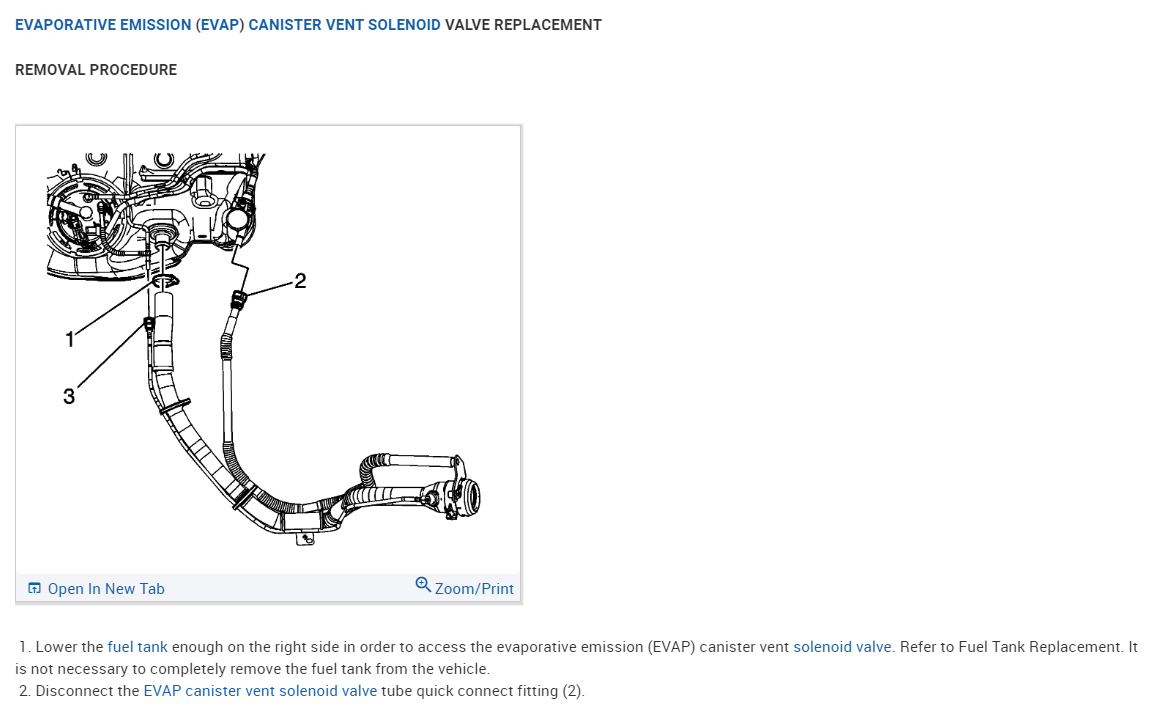
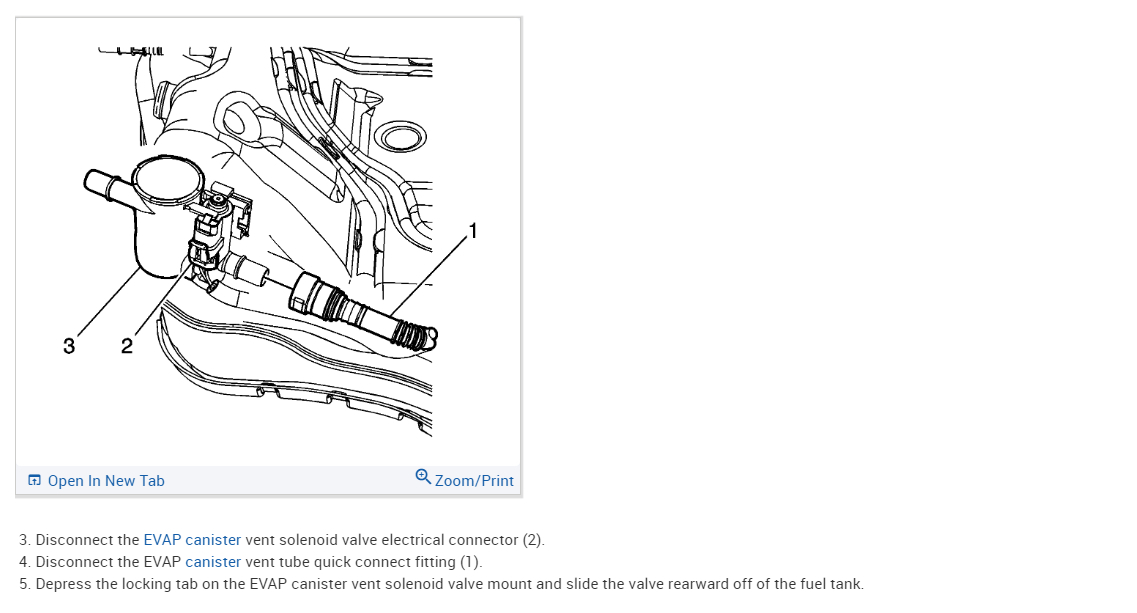
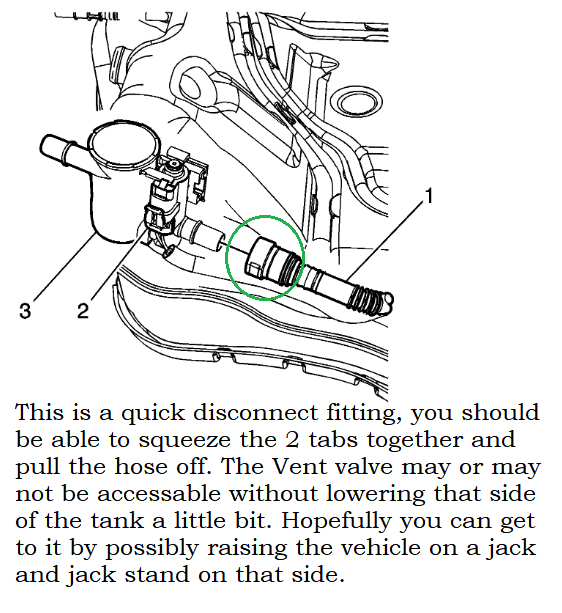
A bad Vent valve stuck or sticking partially closed will make it difficult to fill the tank, so I would check that first, Ill post some info on its location. But I would definitely think there would be a code for that when the Evap runs its self-test. If you have a scan tool, can you look and see if all your IM monitors have been run.

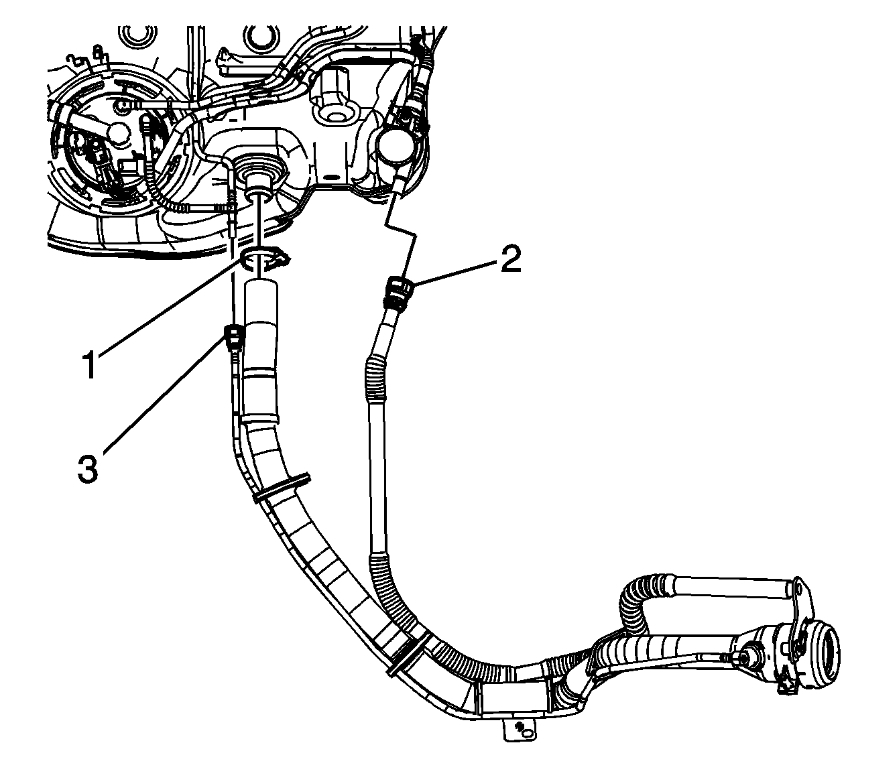
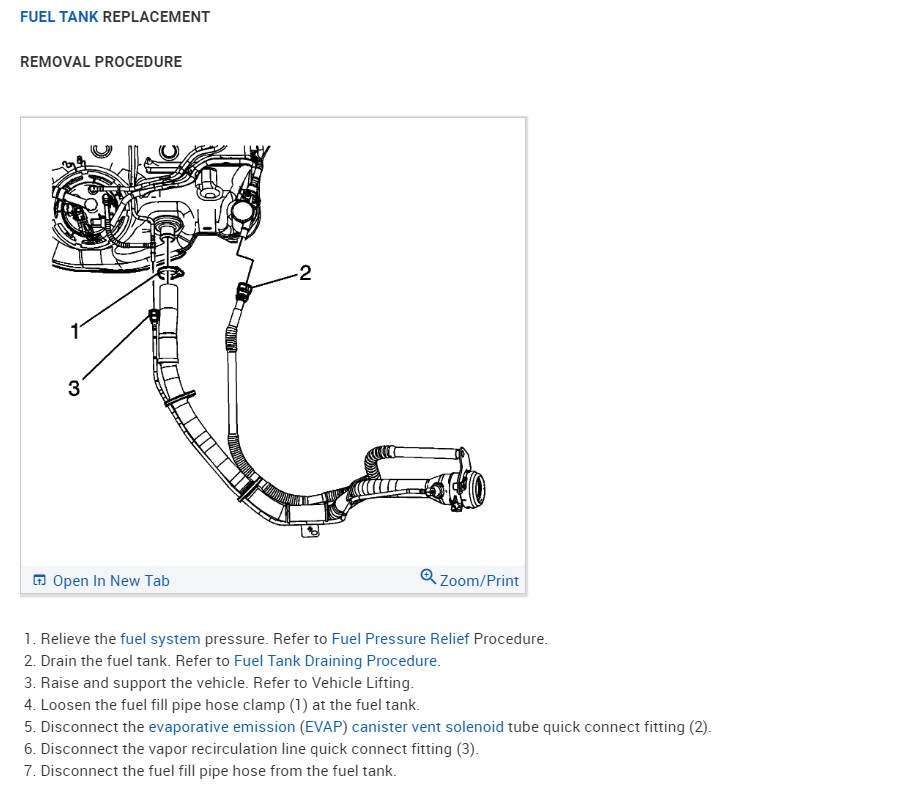
This is the filler neck for the gas tank and the venting tube that runs down to the Vent Valve, it should be open to atmosphere when the vehicle is off. This way when you're filling your tank the vapor can escape up near the filler cap and allow fuel to enter the tank without creating a pressure difference and shutting off the stations handle at the pump.
It's possible that the IM Readiness for the Evap system has not passed and that's what they are seeing. And it just has no set a code yet, or the scan tool being used is a basic OBD2 global scan tool not seeing the code, but the Check engine light would be on in that case, so I suspect the Evap self-test has not passed yet.
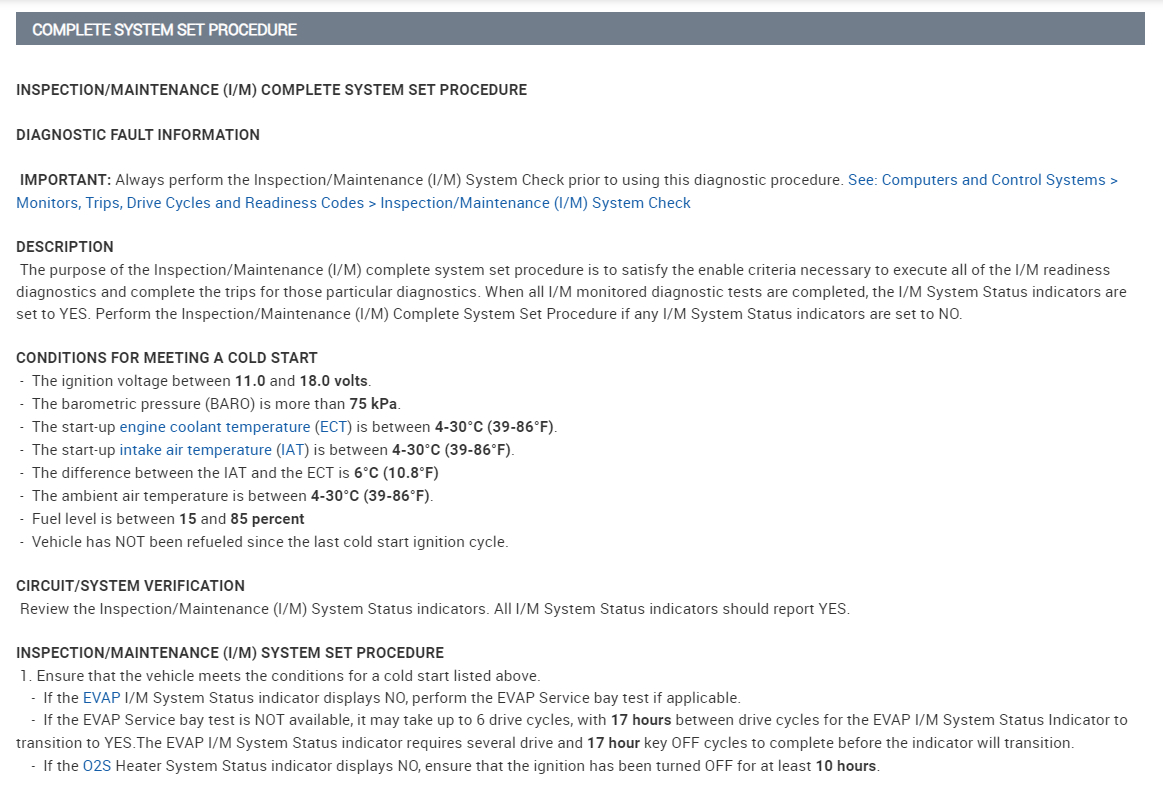
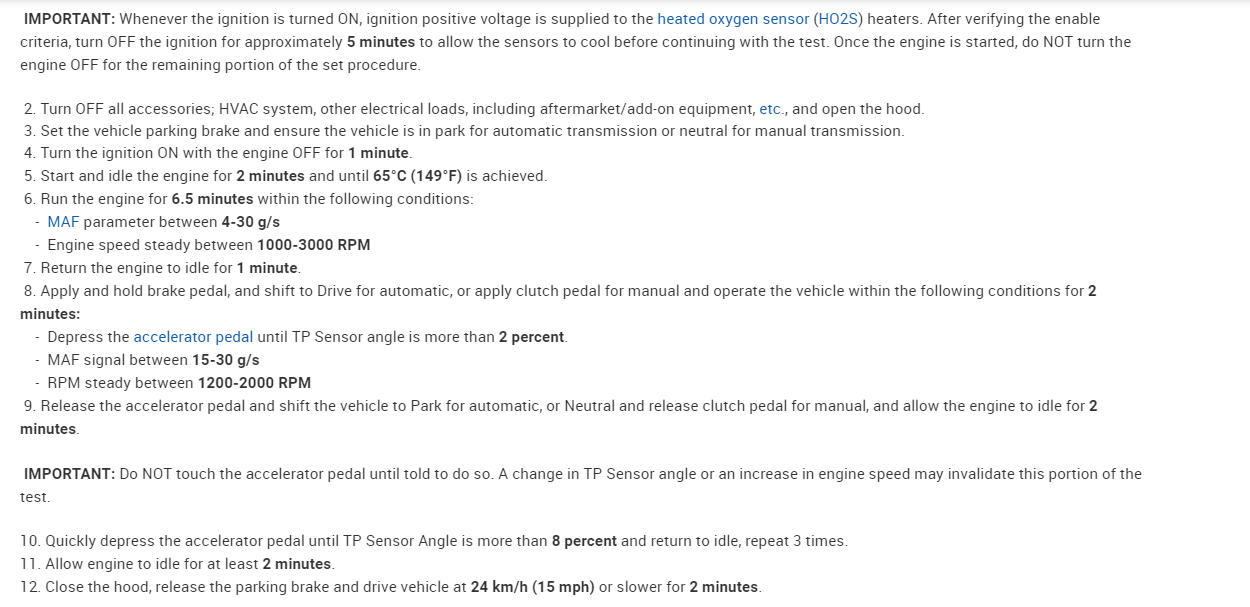
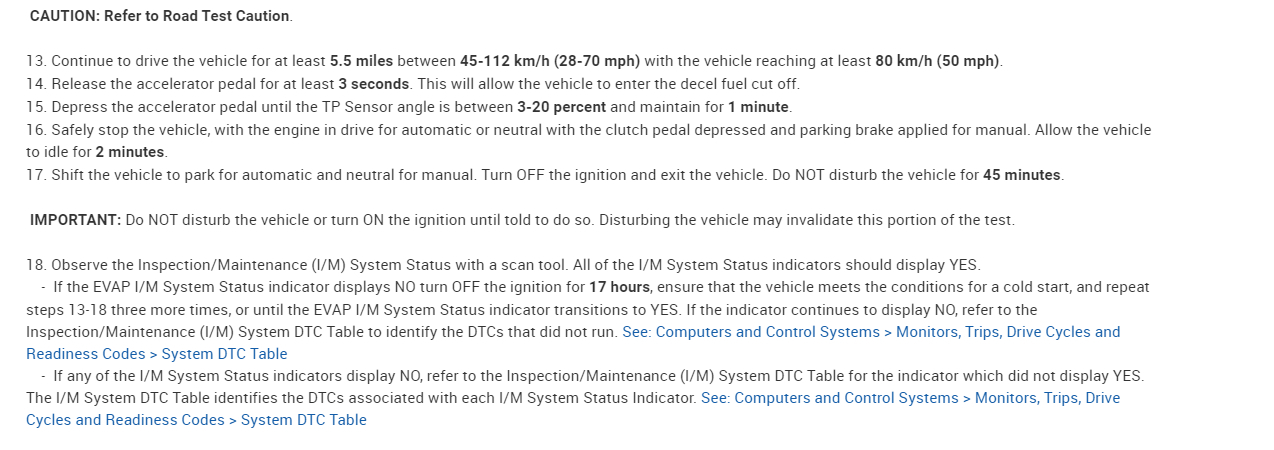
I've added some information on getting the IM Readiness monitors to run and are completed.
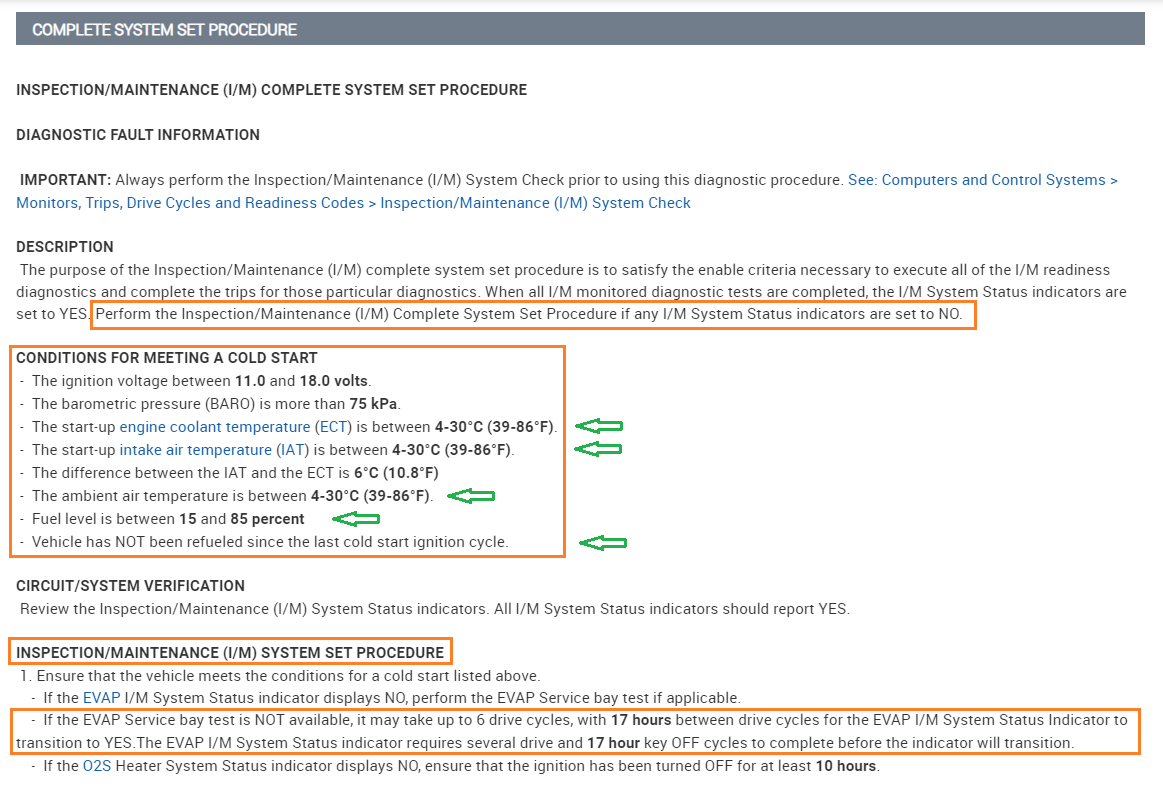
But I suspect the Vent valve is sticking closed, so if you find the Vent valve has an issue, after you replace it, follow the conditions that need to be met so the monitors will run. Such as 15 to 85% fuel tank level, certain temperatures and the correct amount of time between drive cycles. Some scan tools can run Evap tests as a special function.
Sep 28, 2023 at 11:16 AM
Avatar
JAMES20192023
  • MEMBER
  • 34 POSTS
No check engine light: I checked it with an OBDII: No codes; took it to two shops: no codes. Their state computer screen says no DTC ...pass... Catalyst....Fail Evaporative ....Fail. No, he just hooked it up to the DTC Port. When you said "IM Readiness for the Evap system has not passed and that's what they are seeing," were you referring to their computer system? My car has been running well for more than a year and the DTC was never reset. Please, clarify. I suspected that too. But the question is when there is something like the sticking valve or damaged hose, there would not be check engine light or DTC code like the typical 0455, right?
Sep 28, 2023 at 1:04 PM
Advertisement
Avatar
AL514
  • CERTIFIED EXPERT
  • 5,464 POSTS
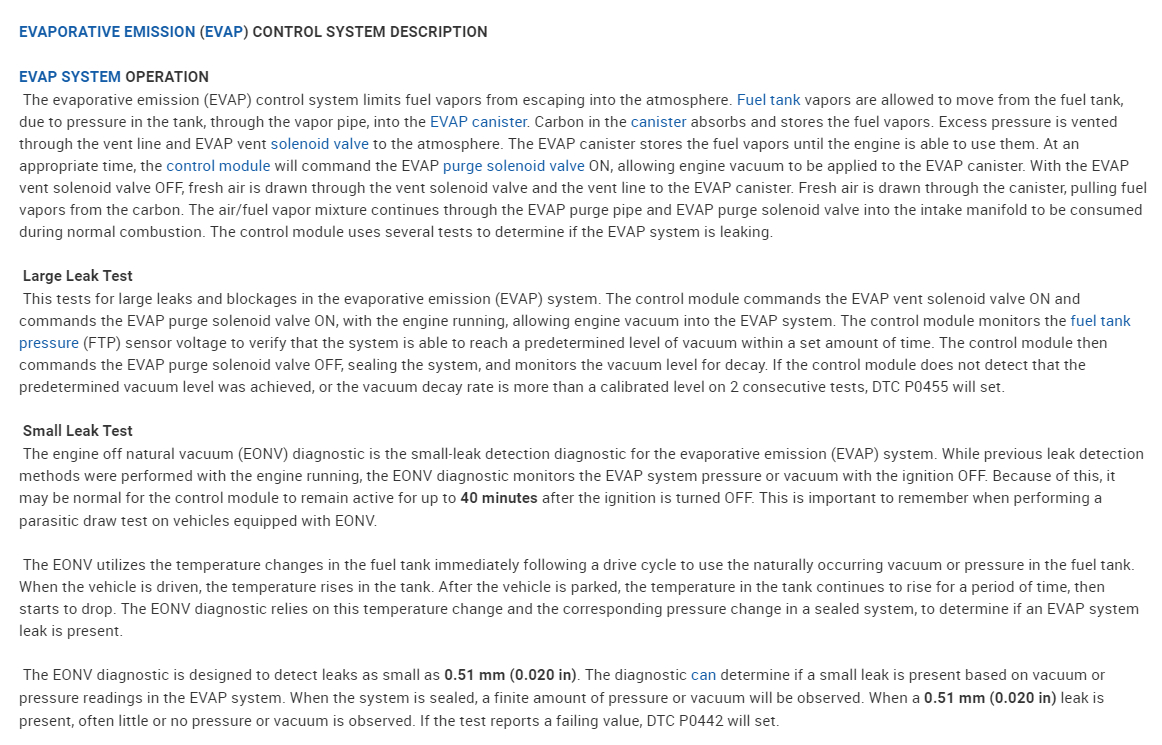
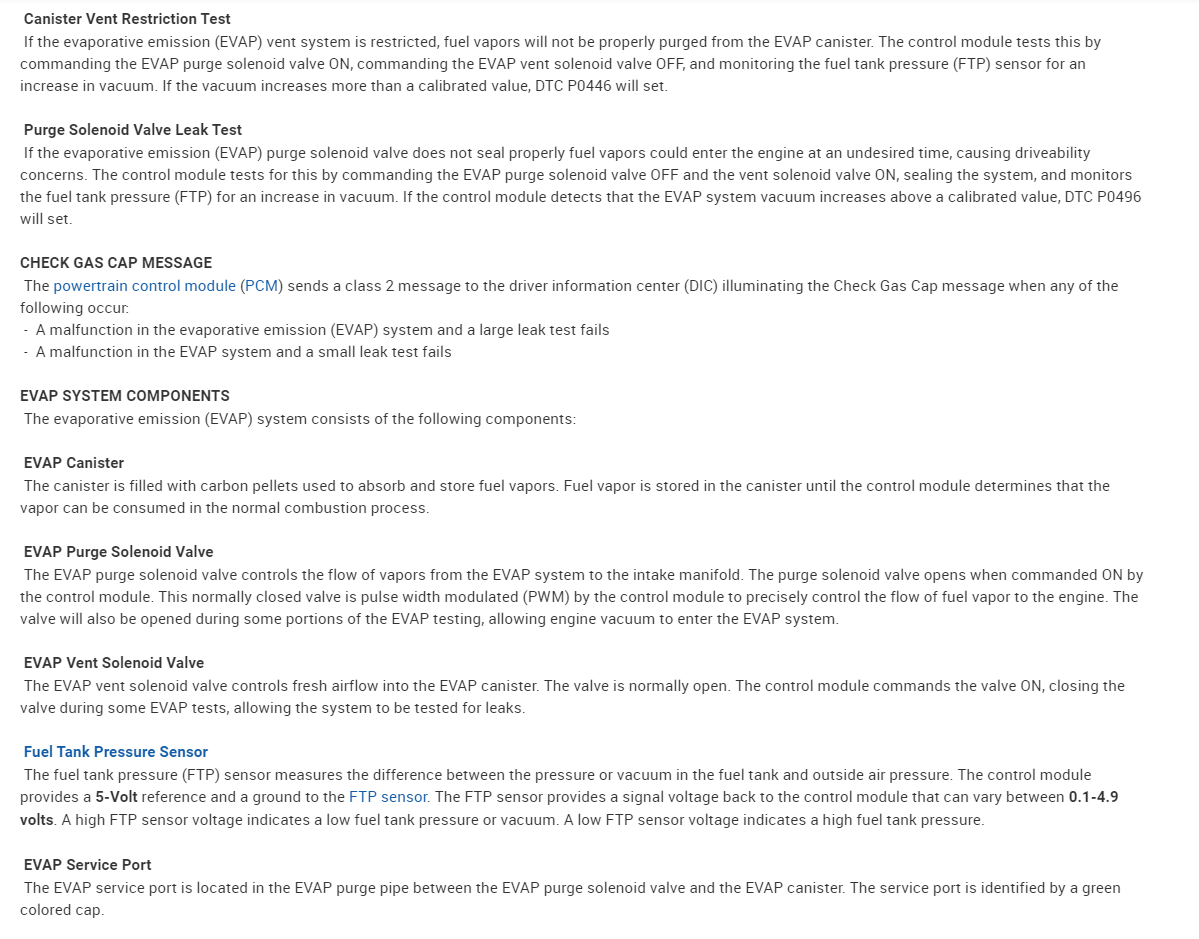
The IM Readiness monitors are emissions related. In your case the Evap system was not able to run its self-test or ran the self-test on the Evap system and failed the test. When the ECM (engine computer) in your vehicle runs its Evap test, (and it's a little different from make to make), but it will close the Vent Valve, this seals the gas tank area from atmosphere. It will leave the Purge valve open so that the gas tank can be drawn into a vacuum from the intake manifold while the vehicle is running. It will next close the Purge valve and monitor the Fuel Tank pressure sensor to see if the vacuum in the tank is held or if a leak causes the vacuum to be lost and the tank approaches atmospheric pressure that test will fail. The Tank pressure sensor is extremely sensitive, there are a number of steps when it runs this test. So, the next test it will run is when the vehicle is off, the ECM will close the Vent valve, close the Purge valve and monitor the amount of positive pressure rise from the tank. When the vehicle is shut off, everything is still warm and there is a positive pressure rise in the tank and the Tank pressure sensor monitors this for a specific amount of time. It runs tests like this to determine if there is a leak in the system and the size of the leak.

It runs vacuum decay tests and positive pressure tests because there are differences. When the system is under a vacuum, hoses and connections are pulled in, and the opposite happens with positive pressure. You are correct a code should set if a leak is found, but for your vehicle the vacuum decay test must fail 2 consecutive tests to set a P0445. This is a Large Leak code, if a small leak is detected a P0442 will be set.
The system also runs some other tests to specifically test the Purge solenoid and Vent valve.
I will post all the test info, so you have each one and what the ECM does for each test. It might be that the Vent valve, or some other location is intermittently leaking. And it hasn't reached a point where it can set a code, if it fails one test, then passes another, and it's not 2 tests in a row, that might be why it's not throwing a code yet.
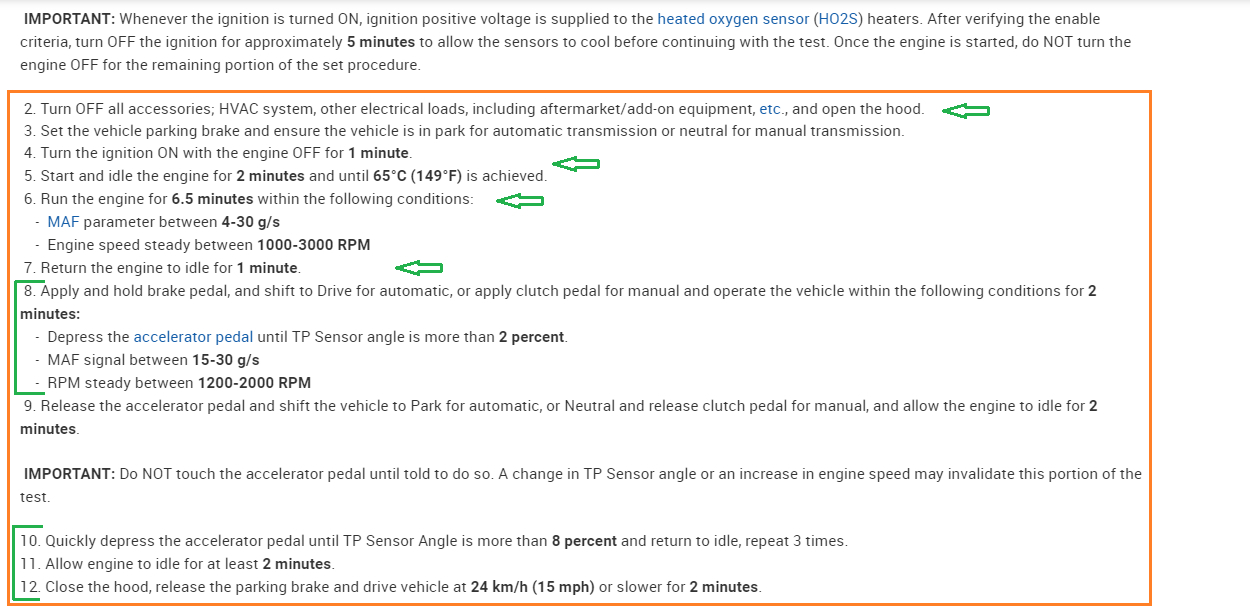
But some Evap tests can take a bunch of drive cycles with a certain amount of hours in between each drive cycle and key Off cycles to complete. Your vehicle looks to take 6 drive cycles with 17 hours in between drive cycles to complete. It can be frustrating considering you're trying to get through inspection.

You mention a Catalyst failed IM Readiness as well?
Sep 28, 2023 at 1:31 PM
Avatar
JAMES20192023
  • MEMBER
  • 34 POSTS
I took the car to an automotive shop next door, and I opened the gas tank cap. He ran an OBDII, and it registered a code for the Evap. I told him there were no codes; he said, "well now there is, put the cap back on." So, I did. He cleared the DTC. I drove the car around, but knowing this car, it takes multiple drive cycles to get it to reset itself. I came back to the inspection station, and it failed again, but now it added two more reasons for failure due to 1. catalyst, 2. evap 3. ox sensor 4. ox sensor heater. Continuous monitor test Pass on all but the non-continuous monitor tests failed with a status Not Complete on all 4 items above. So, I guess at this point, I am going to have to wait on the drive cycles to be completed.
Sep 28, 2023 at 2:27 PM
Avatar
AL514
  • CERTIFIED EXPERT
  • 5,464 POSTS
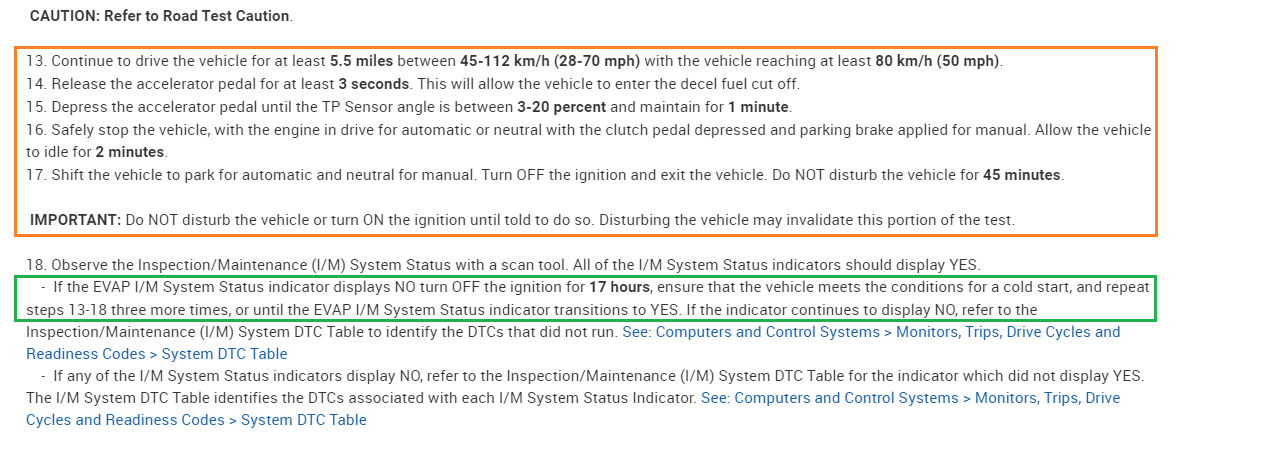
The first two pages below are the Evap Tests that are run, pages 3-5 are what to do if any IM Readiness monitors read "No" instead of "Ok or Pass".
But with the issue of filling at the gas station is a clue, the gas station handles are designed to shut off when there is fuel vapor coming up to the tank filler neck. So it might be that the Vent valve is stuck part open and that's why you can get a couple gallons in before it shuts off. Usually when the vent valve is stuck completely closed you can't get any gas to go in, it will constantly click off, or it will cause the gas to come flooding back out of the filler next and make a mess all over.

Here is a guide we have on filling the tank issues as well:

The Catalyst Monitor can be two different types, Catalyst Efficiency and Heated Catalyst Monitoring

https://www.2carpros.com/articles/comprehensive-guide-why-your-cars-gas-tank-wont-fill-up-and-how
Sep 28, 2023 at 2:28 PM
Avatar
JAMES20192023
  • MEMBER
  • 34 POSTS
I should bring to your attention that the car was sitting in the driveway undriven for months at a time since my sister bought her SUV last September. Two months ago, the battery was drained and I had not noticed (so, I had no way of knowing when the battery drained while the car was parked a month, two or three ??). I replaced the battery and drove it multiple times in the past month, and I noticed no problems. I am building a house in another state, so I have been driving it with no issues at all besides what I mentioned about the pressure in the tank and the inspection results yesterday and today.
Sep 28, 2023 at 2:42 PM
Avatar
AL514
  • CERTIFIED EXPERT
  • 5,464 POSTS
You might not notice any issues, and if you look through the info on the Readiness monitors, it might be that the vehicle has not had a chance to sit for a 17 hour period with that certain amount of gas in it, for 6 drive cycles yet, If you look at the pages above, 3 and 4 it shows all the conditions that need to be met for it to count it as 1 complete drive cycle. Also, with vehicles that sit a long time, that's where I have seen rodent damage the most, I'm not sure if that's an issue where you are. But the vehicle also lost the Keep Alive memory if it was sitting with a dead battery for that long. So, the ECM is still relearning or has been relearning its fuel strategies since the new battery was put in it. There's a bunch of small variables here. But start with the Vent valve and go from there. I recently had a customer who was able to buy a yearlong temporary tag so he could extend the time until the vehicle had to be repaired. I had never heard about that before, but it was here in NC. I just repaired his 07 Nissan last week, so he can get through inspection now, I can ask him about that tag if its something you would need to do.
Sep 28, 2023 at 3:05 PM
Avatar
JAMES20192023
  • MEMBER
  • 34 POSTS
oh, thank you. Well, I used to take the car for relearn and it took only following the normal GM recommended relearn procedure (the that involves, start with cold engine, idle, go 35 mph, 55, MPH, decelerate, 65 mph etc., both highway and traffic. That just took care of resetting the ECM. I had never heard of 6 drive cycle and 17 hours off key until you mentioned it. I have restored this car from scratch in the past, AC, Dashboard, Transmission replacement, Transmission control module, harnesses, alternator, ignition system, and after each task, I had to relearn the ECM. Is 17 hours Key off and 6 drive cycles specific for the EVAP?

It could be an animal of a sort, not sure. But I know it has been driven rarely in the past year plus the dead battery for who knows how long.

The other question I have, is the evap system the same on a 3.5, 2.4 and 3.9L as I have access to a 3.5 and a 2.4 at the yard (no 3.9 there) I could take a peak and see what they are like just to compare and if I ended up needing parts?
Sep 28, 2023 at 5:28 PM
Avatar
AL514
  • CERTIFIED EXPERT
  • 5,464 POSTS
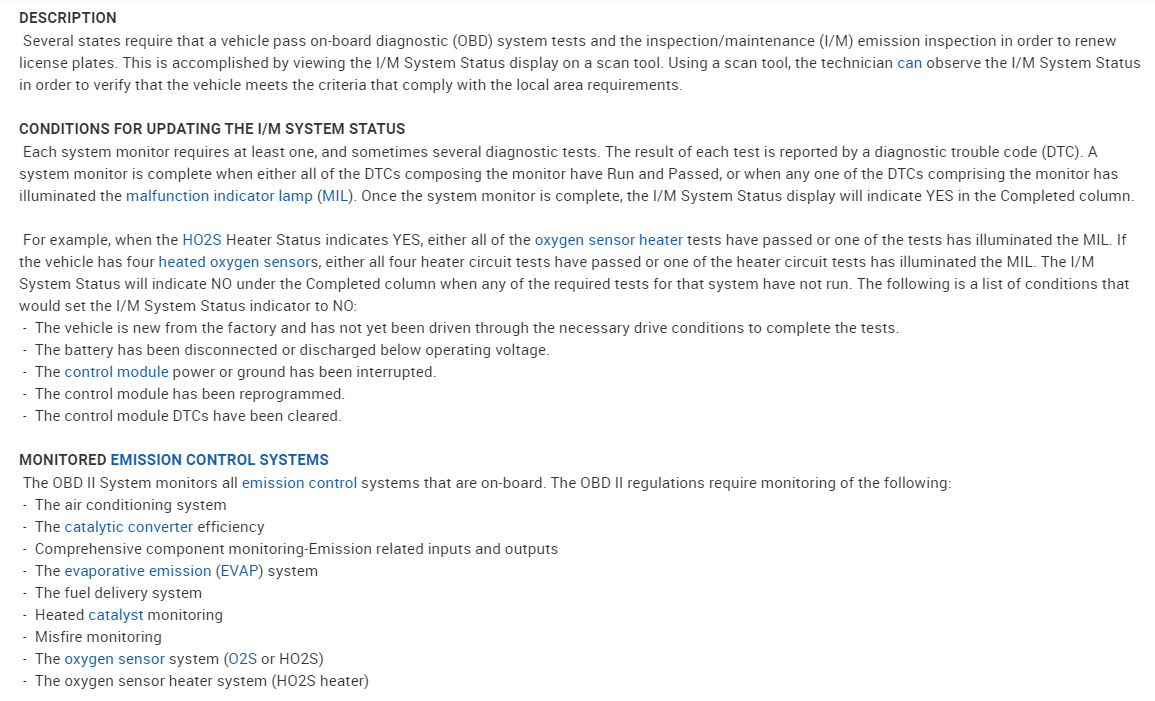
If you read through the sections of the pages 3-5 that I posted up top, thats what it can take for the Evap system to complete its IM Readiness for this vehicle, Its a little different for each make. But everything in the info is straight from service info, They may put it in those terms because the vehicle may not reach each of those conditions all at once. It depends on a persons driving habits. Pages 1 and 2 describe all the tests that the Evap system runs to verify there are no leaks anywhere. It runs each specific test to check a certain part of the system, Purge, Vent valves, gas cap, charcoal canister, hoses etc. Read through it, I only marked in orange and green arrows the certain criteria needing to be met, On most scan tools, even some basic Global OBD2 ones there will be an option to check the condition of each system. I/M is Inspection and Maintenance. Bellow is what is required by law for the OBD2 system to have in check for emissions standards. Most of the time if the vehicle is running ok you wont even know the vehicle has already gone through all its self tests and is good to go.
The fact that the check engine light has not set a code means, either it has not be driven enough consecutive cycles with a fault to set a code, or the issue is intermittent, or the last but unlikely possibility is the Keep Alive memory power feed is not sending 12votls to the ECM. So the memory is basically being reset every time the vehicle is turned off. But you only failed 2 of the monitors, Catalyst and Evap. Theres a list on the sheet below of the monitors.
As for swapping parts I would have to look up the part numbers for the year make and model of the ones you want to pull parts out of.
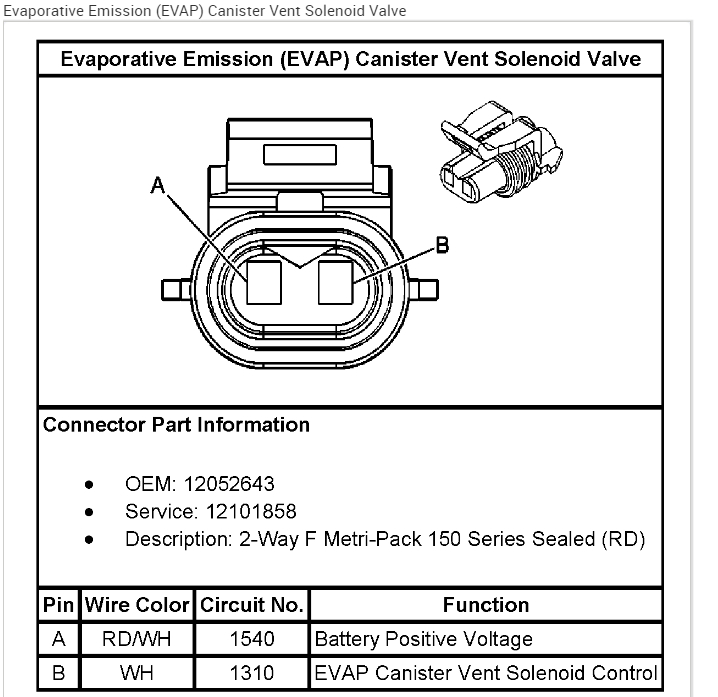
I would just check to see if the vent valve is operational. If you apply 12volts to it, it should close and not allow any air through it. Heres the Vent valve connector so you know which wire is power. Is ground side controlled, so hook 12v to the Red/White wire and give it a ground real quick and see if it closes. Inspect the harness while youre down there. It should have power on the same wire with the key On.
Sep 28, 2023 at 7:53 PM
Avatar
JAMES20192023
  • MEMBER
  • 34 POSTS
Okay, I went through all the info you have provided. I will test this weekend and get back to you with my findings. Thank you for all your help.
Sep 28, 2023 at 9:44 PM
Avatar
AL514
  • CERTIFIED EXPERT
  • 5,464 POSTS
Okay, when checking that Vent Valve, make sure the hose running from the valve up the filler neck is clear, not bent or damaged in any way. That needs to allow vapor to escape so fuel can enter the tank without any pressure difference. Yeah, please let us know what you find, and take some pictures if possible, as well. It will help future customers if they run into this issue on the same model. Thanks
Sep 29, 2023 at 7:07 AM
Avatar
JAMES20192023
  • MEMBER
  • 34 POSTS
I will do that. Can you send me the detailed instructions on removal and installation of all evaporative system components as you mentioned I may have to lower the fuel tank? I had AllData subscription for 4 years, but I did not renew it this year (don't know why). Thanks
Sep 29, 2023 at 7:18 AM
Avatar
AL514
  • CERTIFIED EXPERT
  • 5,464 POSTS
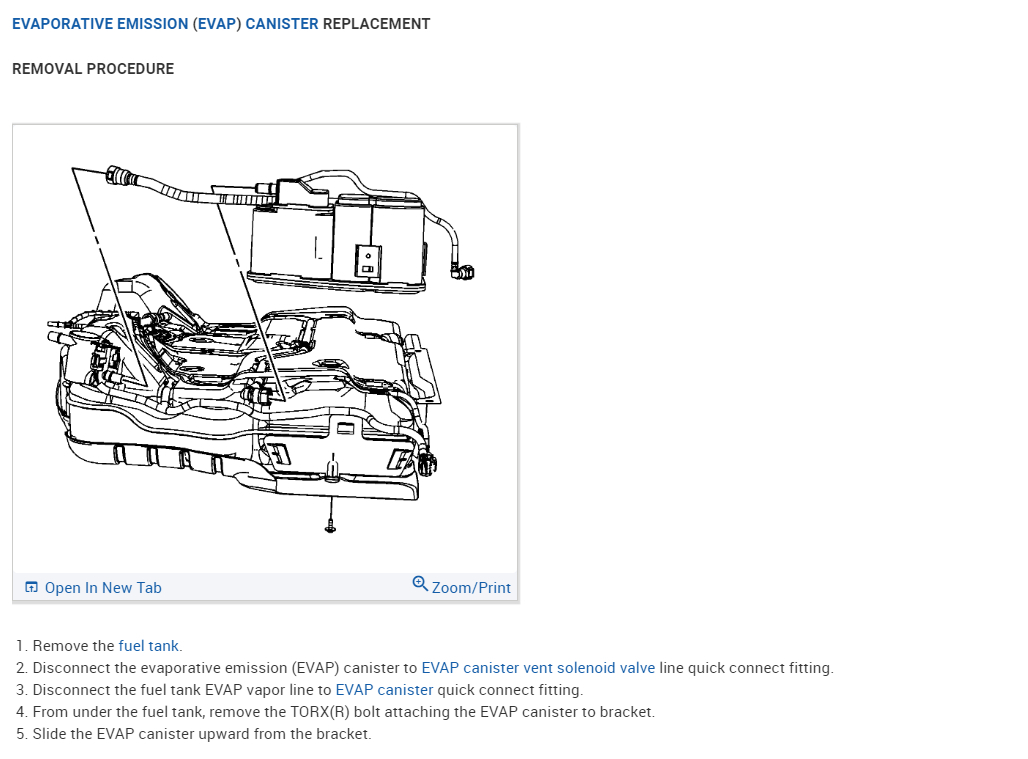
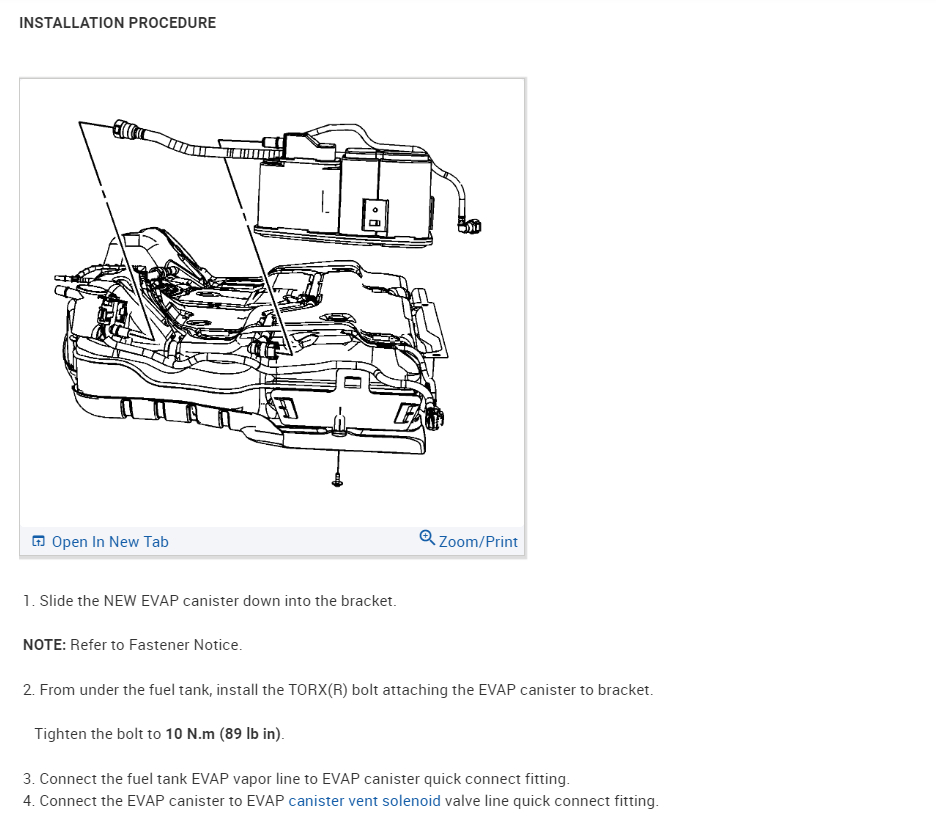
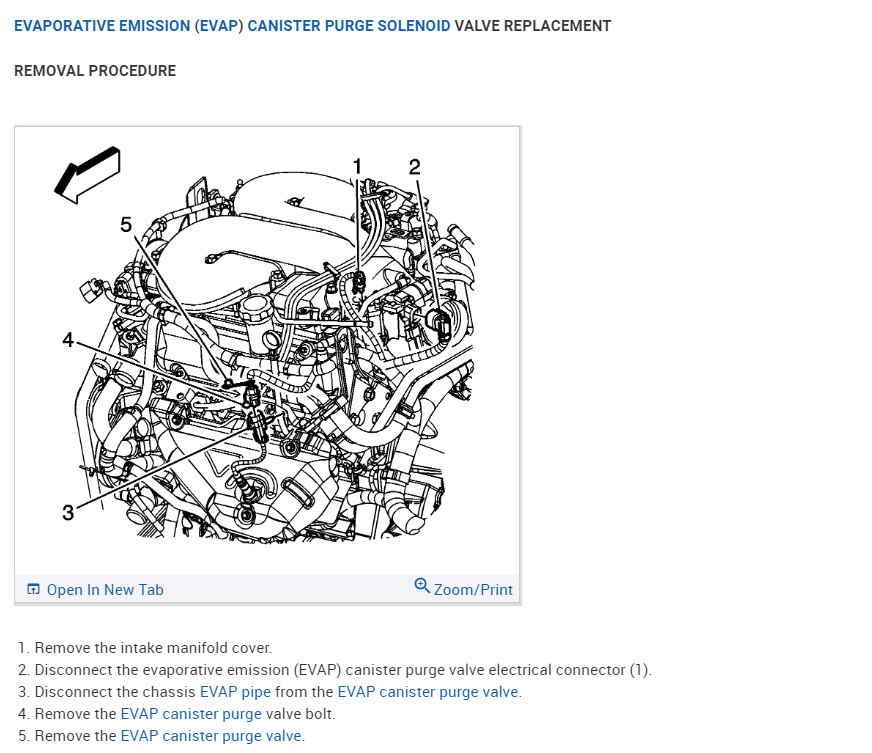
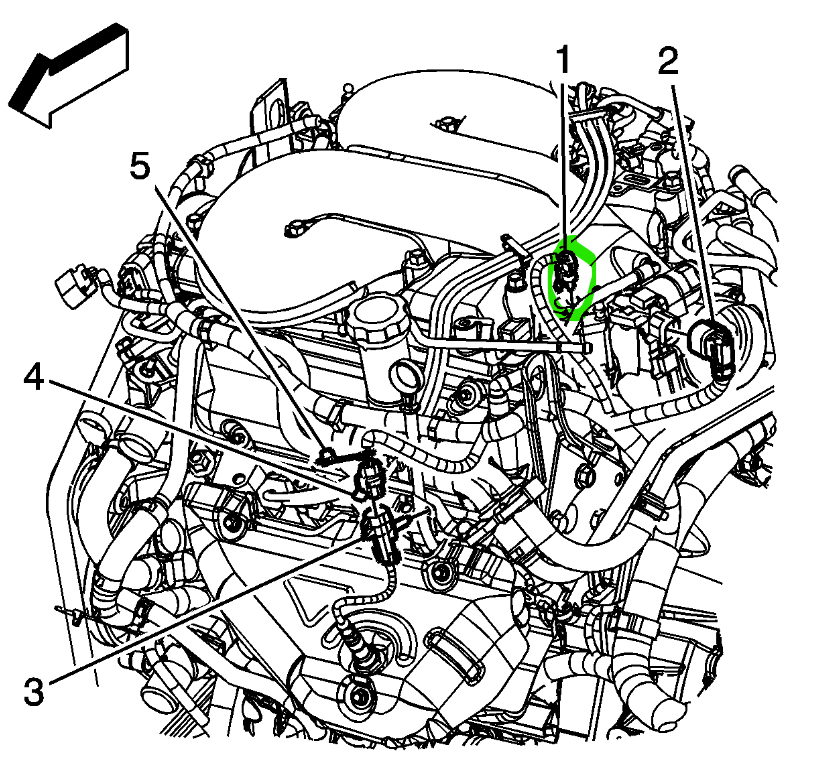
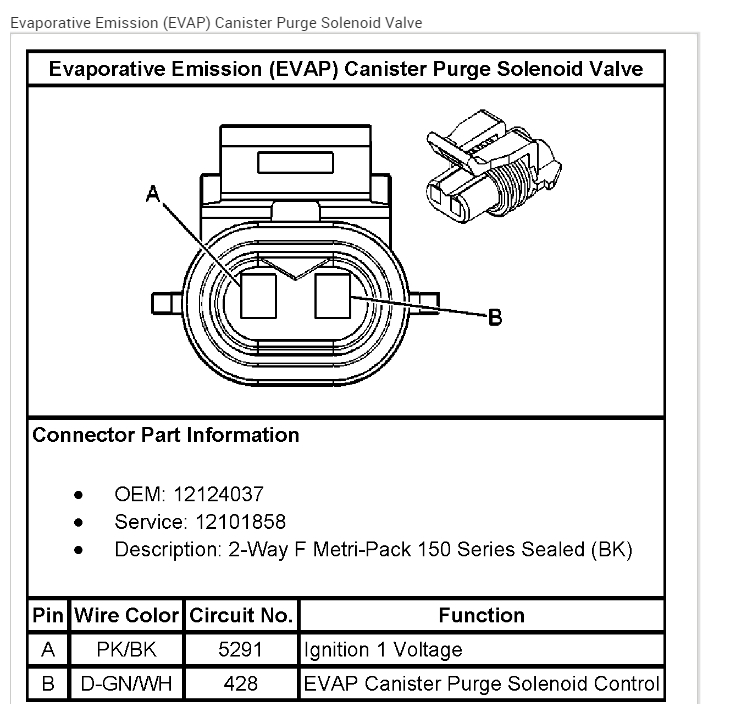
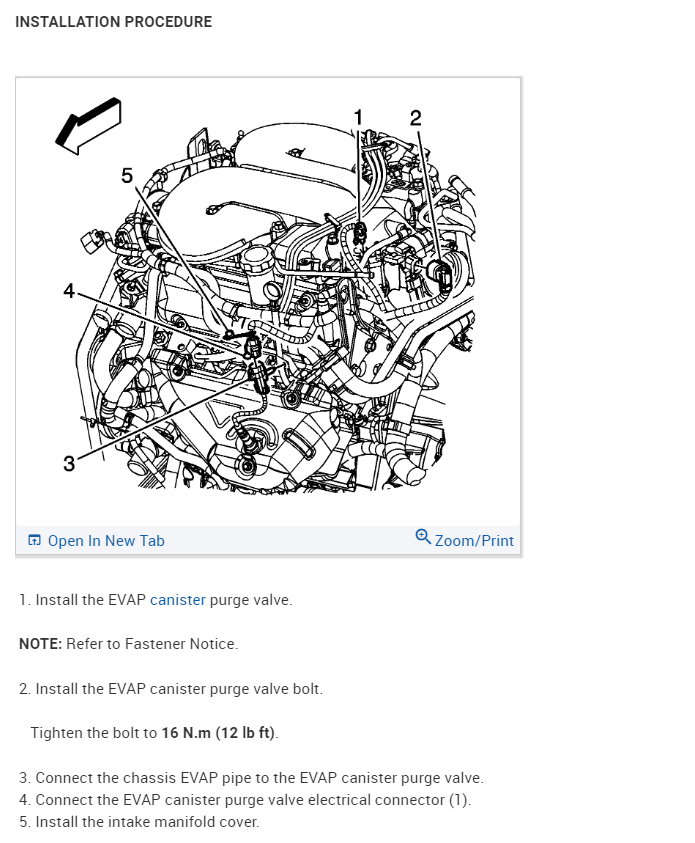
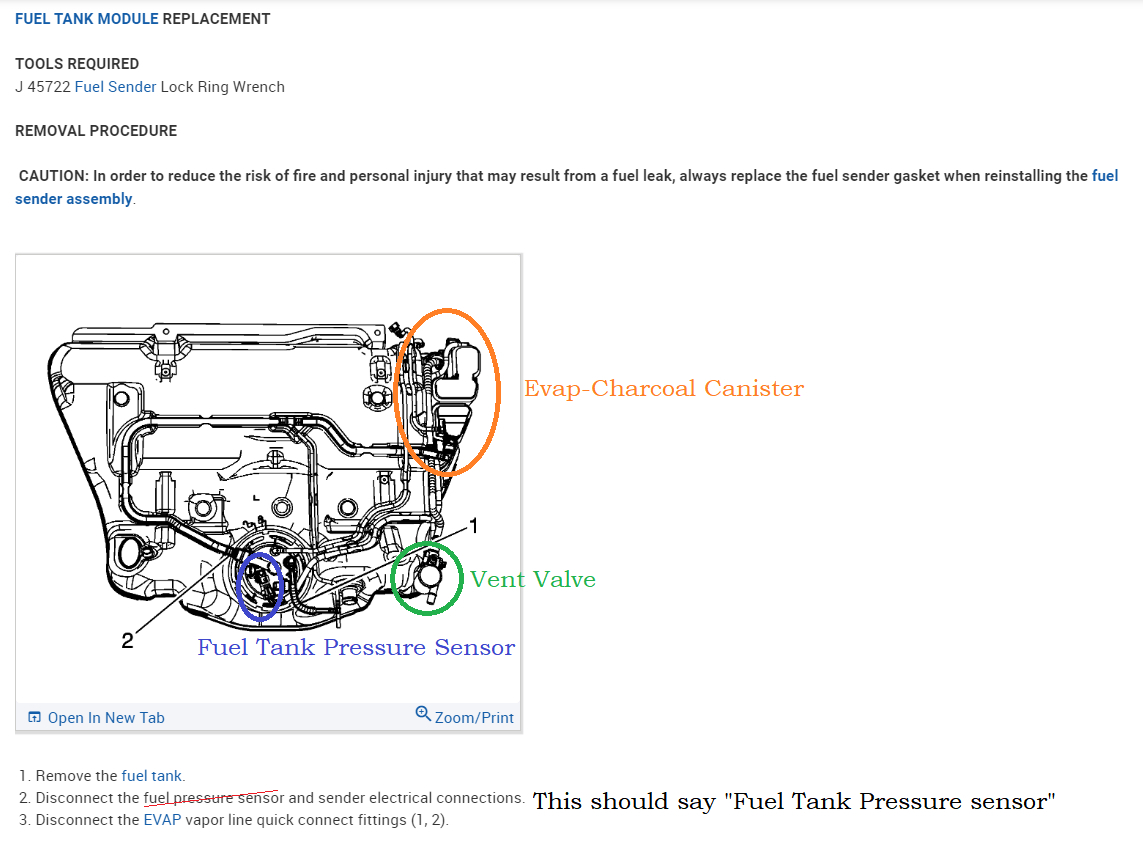
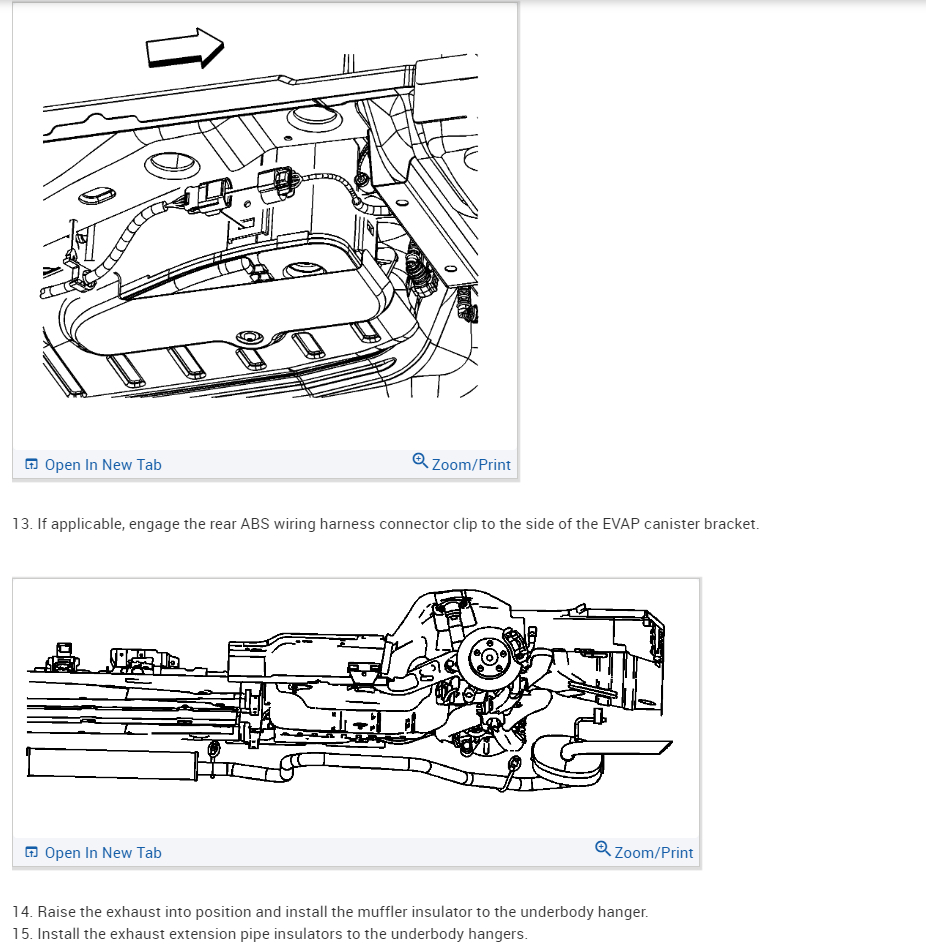
Sure. Here's the entire Canister removal (diagrams 1,2). The Purge valve (diagrams 3-6) I also put the Purge valve connector in there so you can find it by wire colors if needed. I'm not sure why their diagrams look like its pointing to a front oxygen sensor, but you'll find it. The 7th diagram is a view from the top of the tank, and the fuel tank pressure sensor.
Sep 29, 2023 at 7:57 AM
Avatar
JAMES20192023
  • MEMBER
  • 34 POSTS
Thank you, and you mentioned the fuel tank may or may not need to be removed? If yes, please include the fuel tank removal procedure if you think I will need it in any way. Thanks again.
Sep 29, 2023 at 8:22 AM
Avatar
AL514
  • CERTIFIED EXPERT
  • 5,464 POSTS
You need to only lower the side of the tank enough to get to the Vent Solenoid. You don't need to remove the tank to check it.
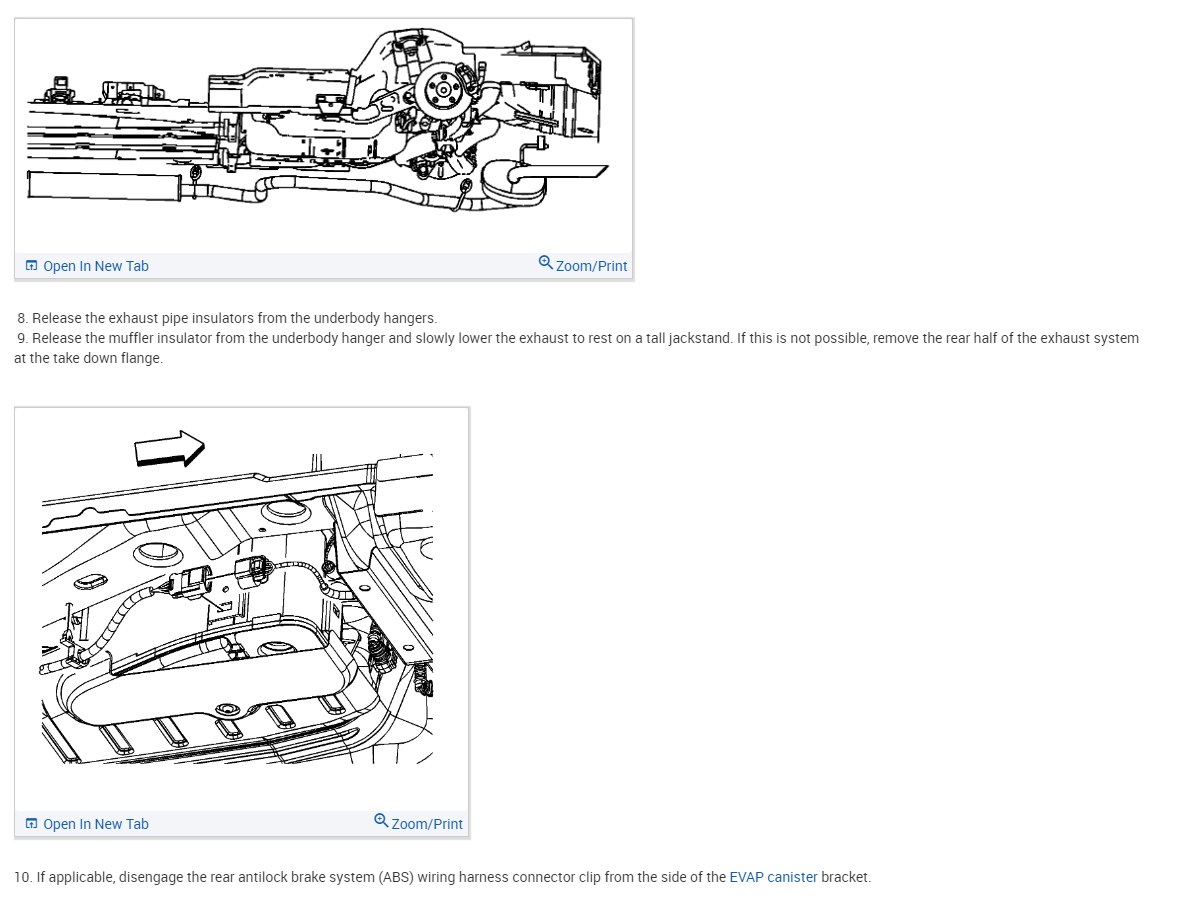
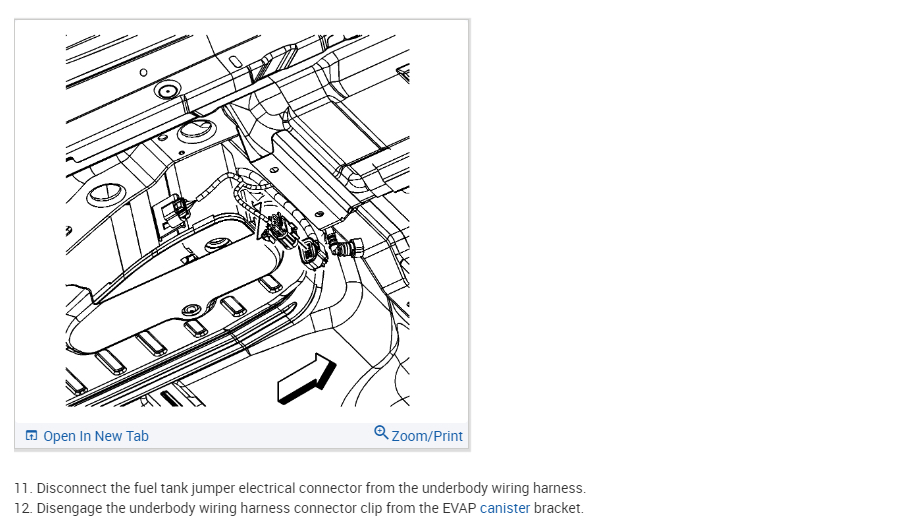
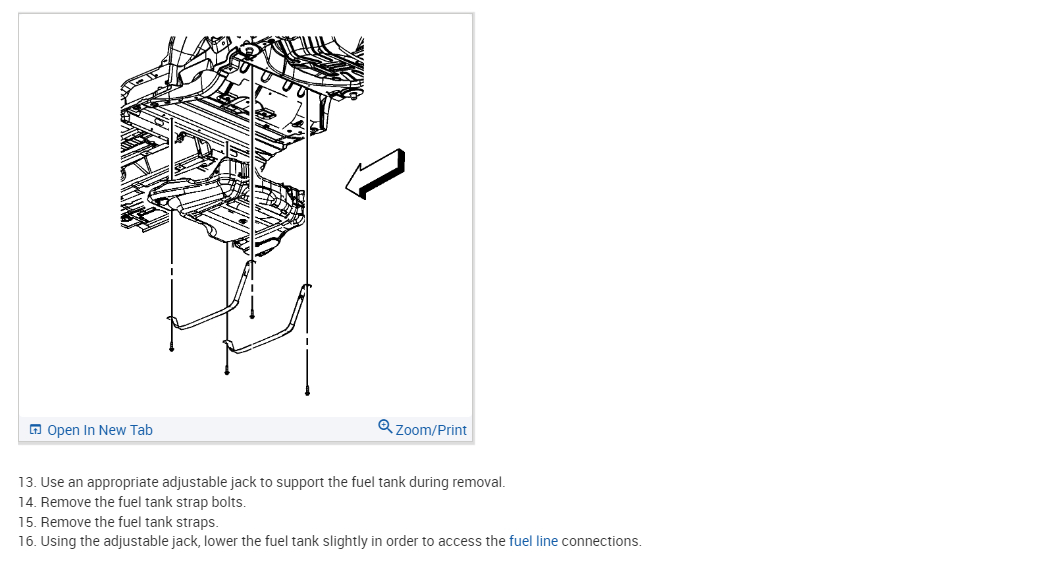
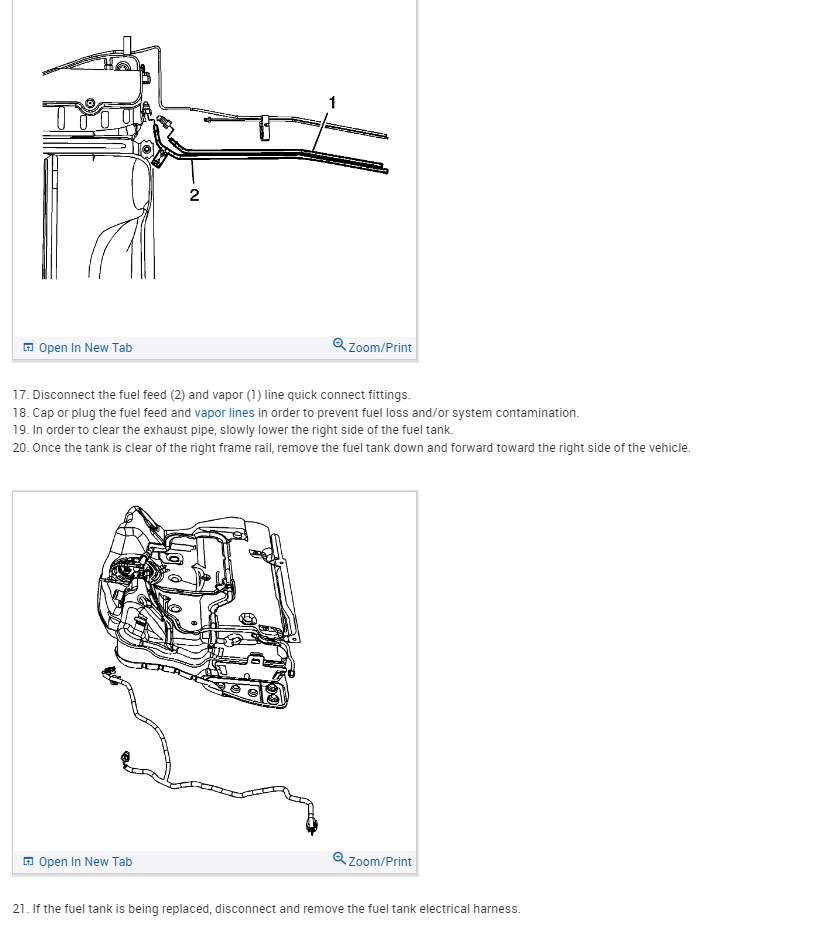
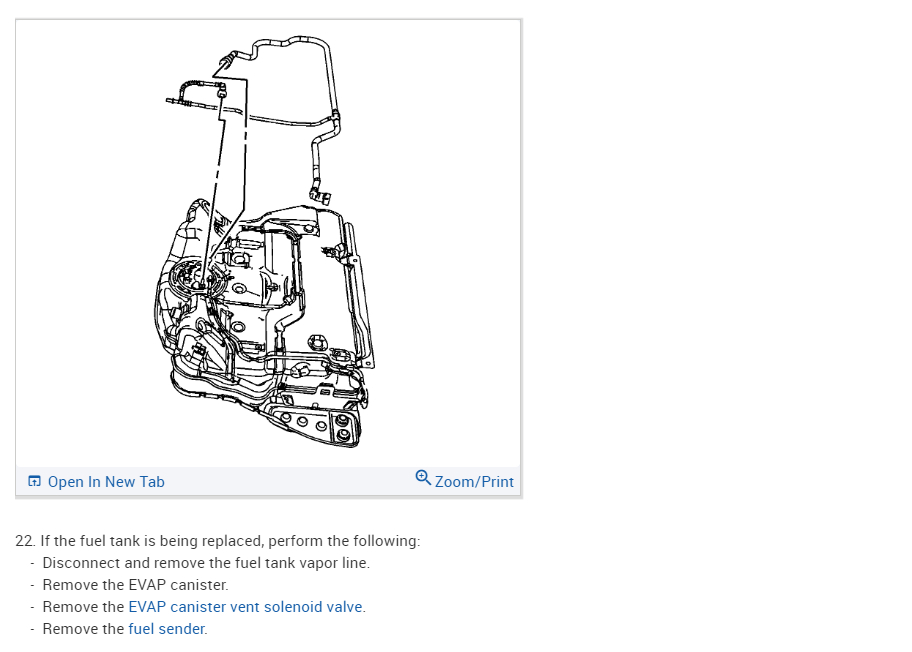
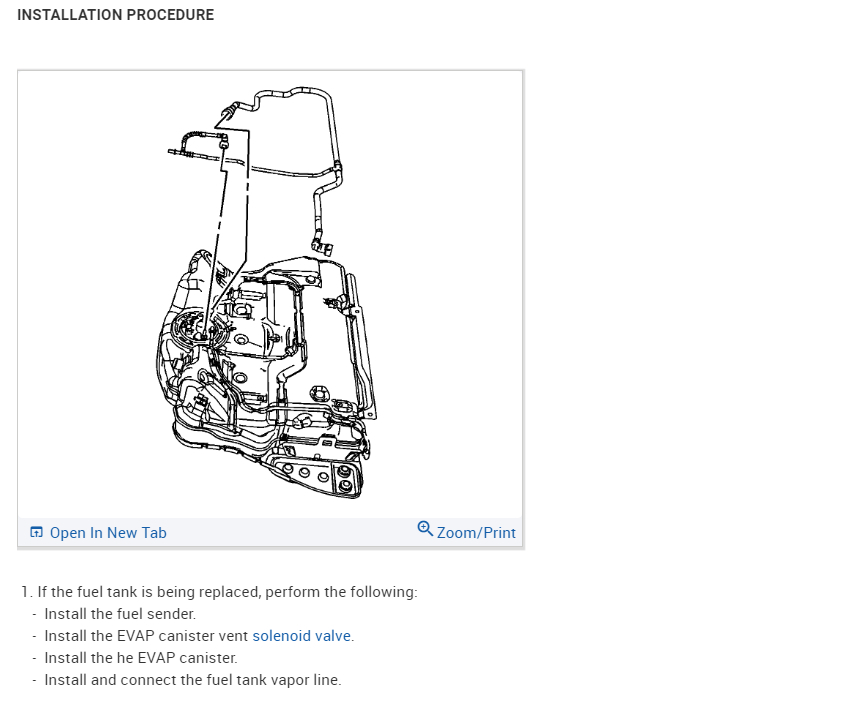
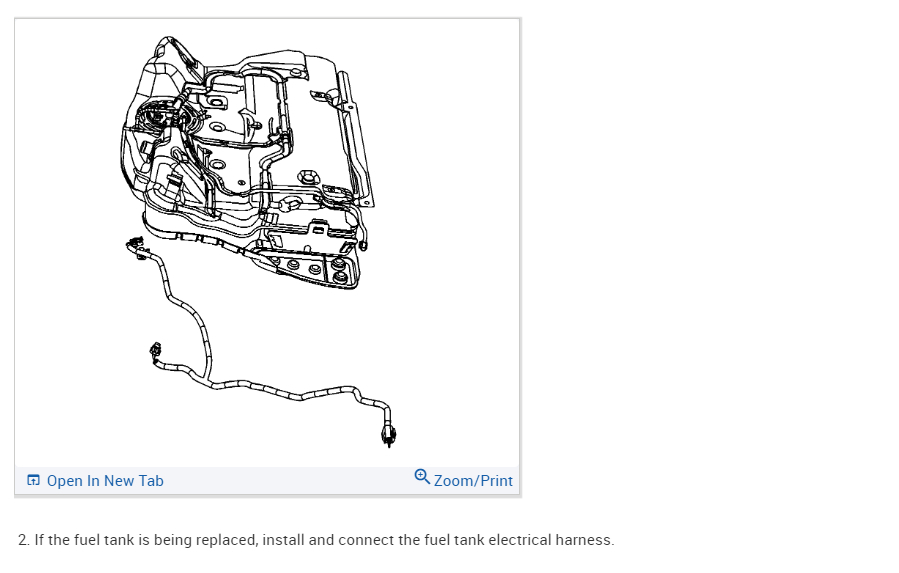
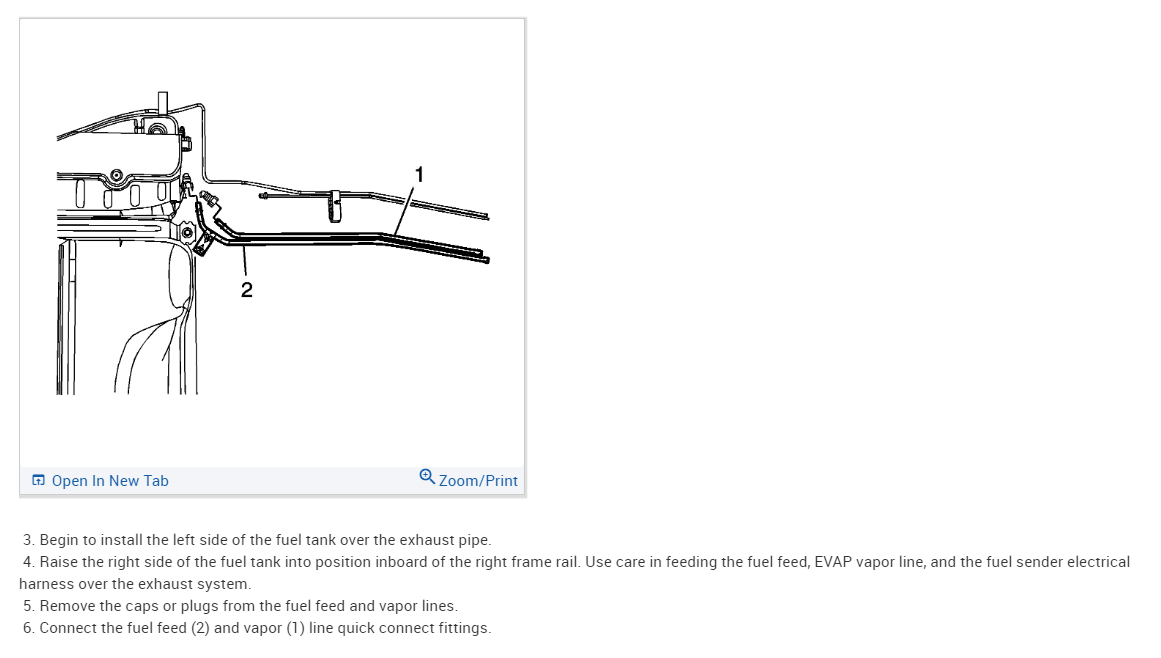
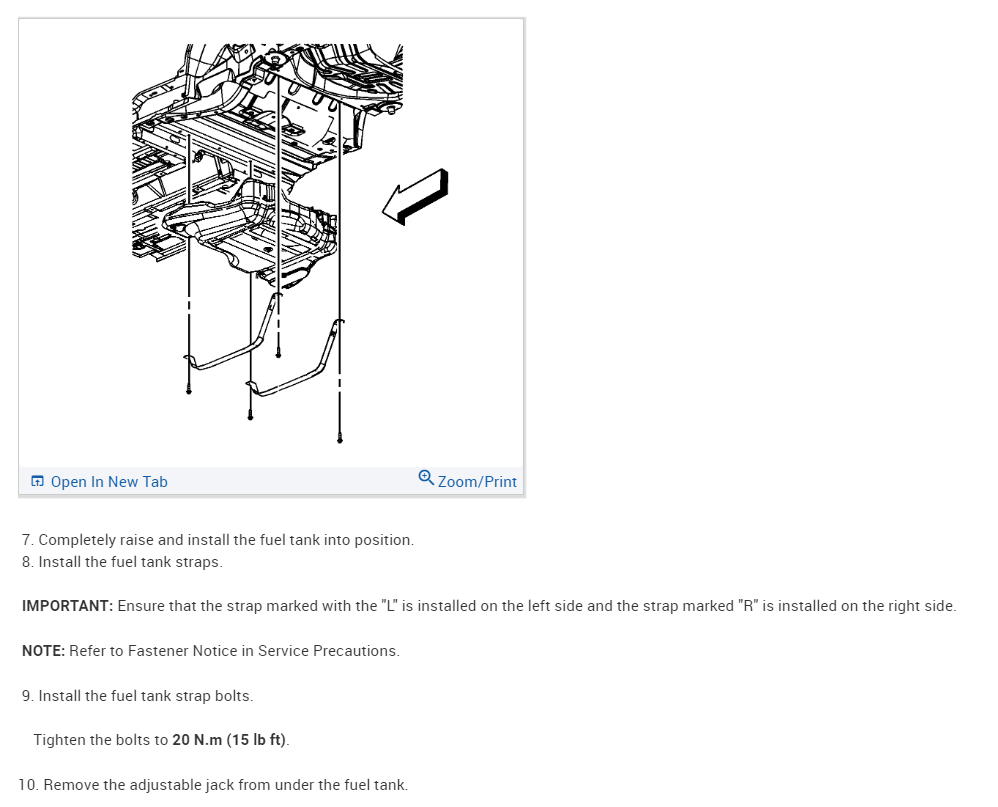
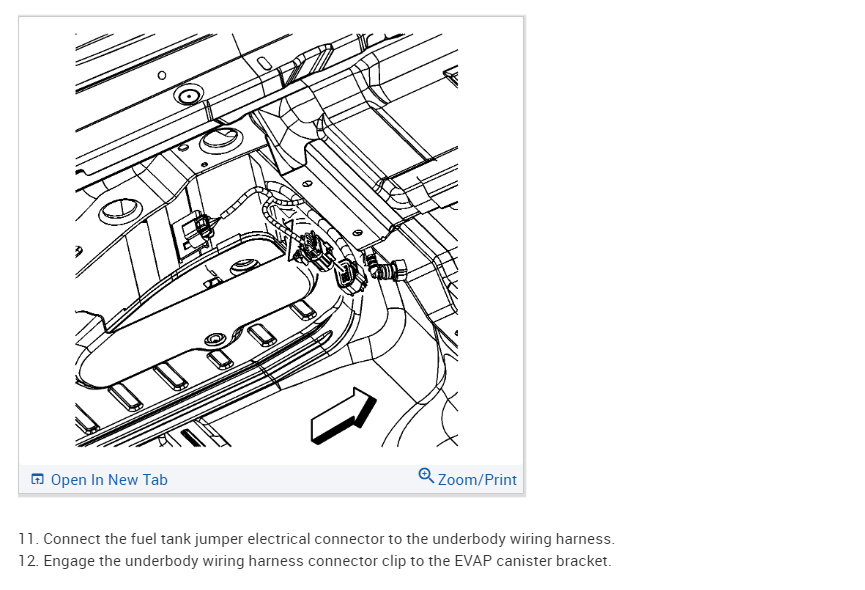
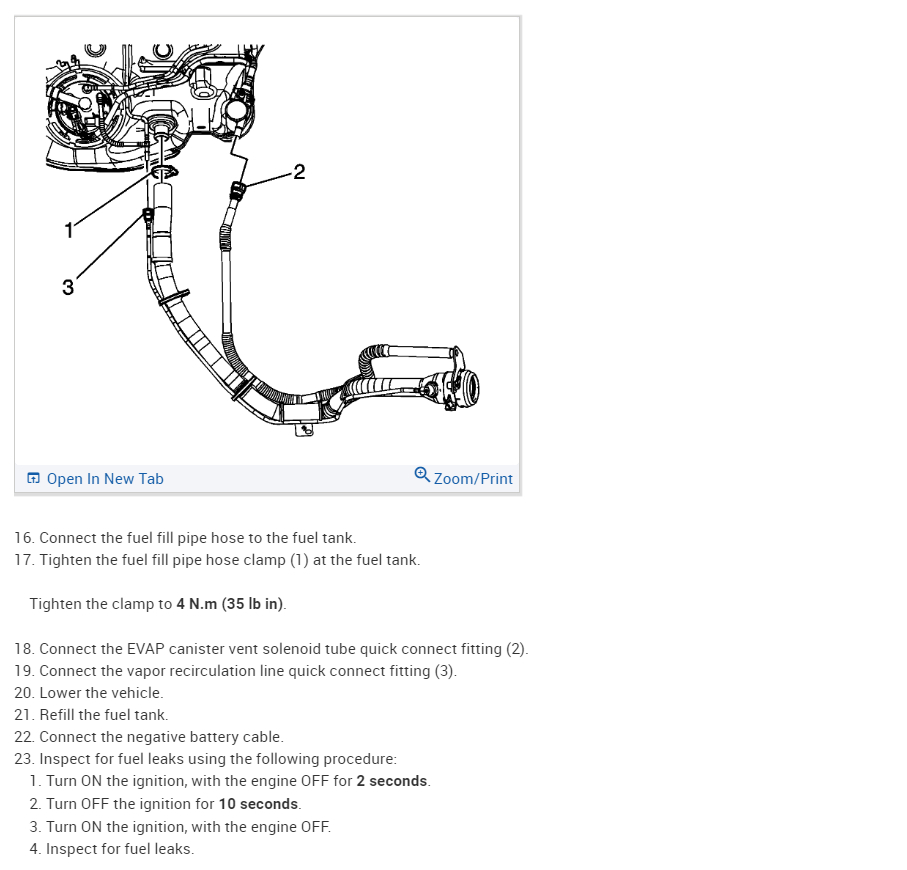
But here are the diagrams for dropping the tank if you need to. To lower the right side of the tank if you can't get to the Vent solenoid, you'll need to lower the tank strap on that side. It will be very difficult to remove the tank without the vehicle being on a lift.
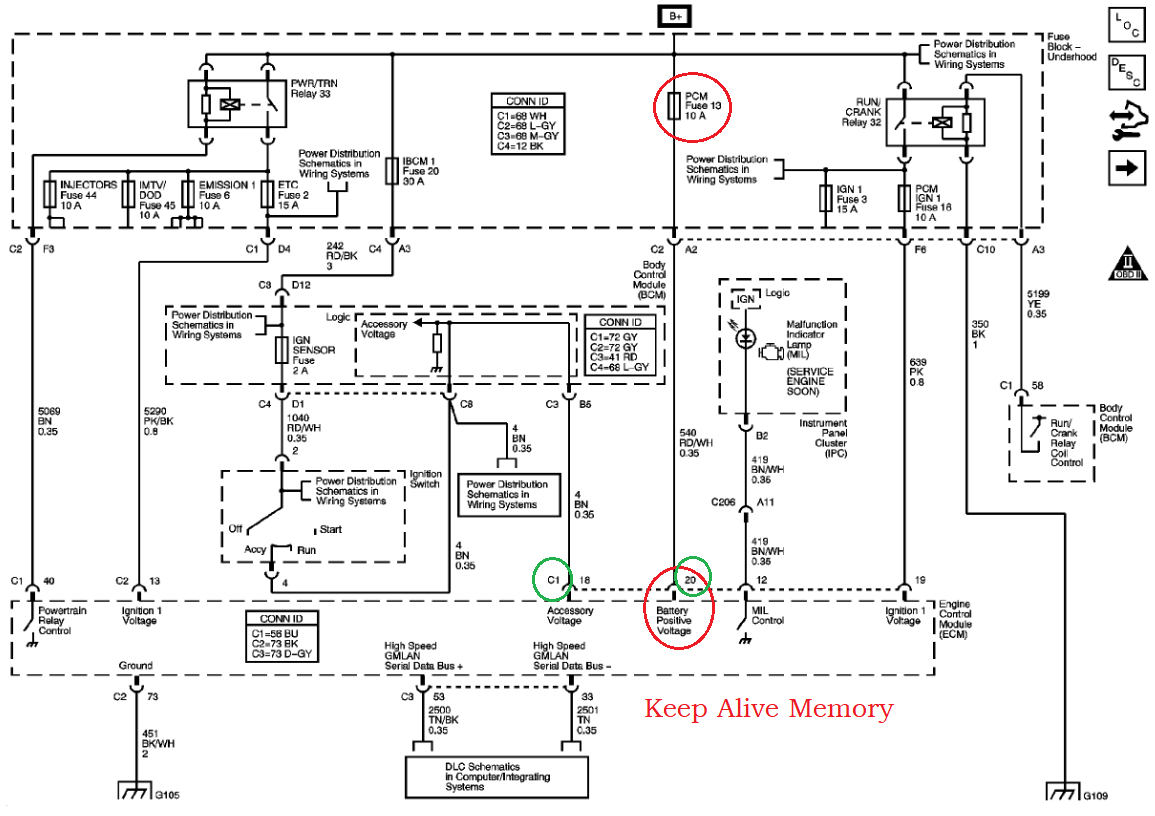
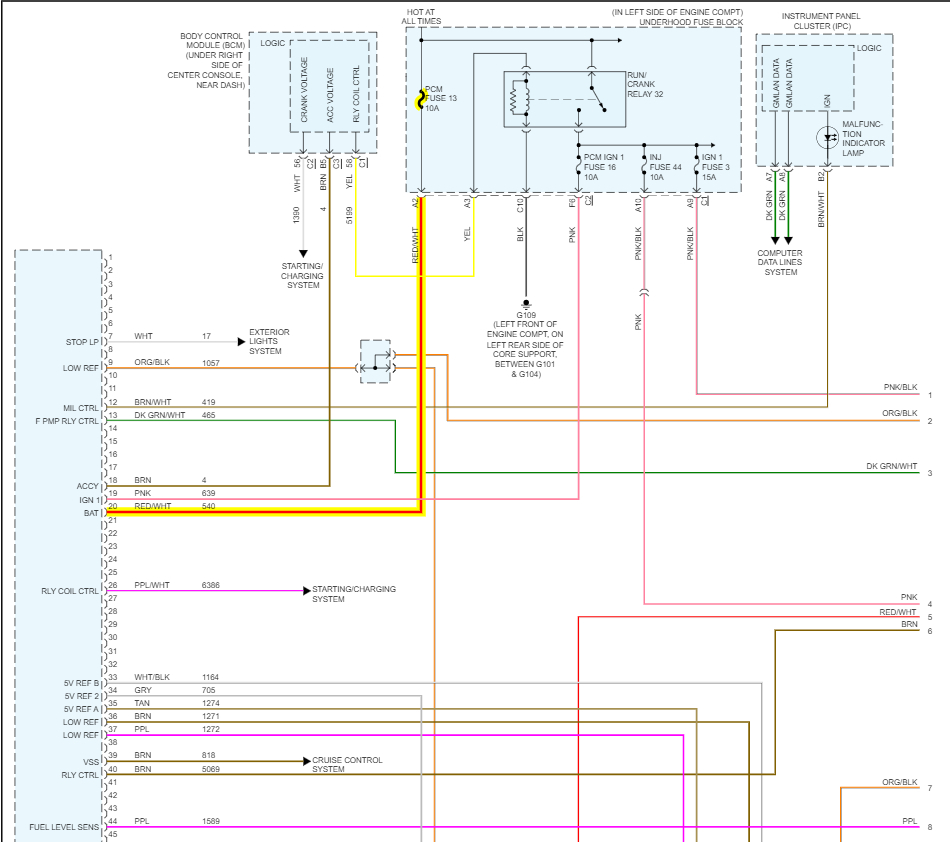
What code was it that the shop was able to pull from the ECM? I was just looking back over your posts, it's odd that it failed more monitors now, those should have been fine. I think we should check for a power loss at the computer. With the pressure at the gas cap, or probably vacuum, you still need to check the Vent solenoid, but go through the fuses with a test light and make sure none are blown and ill pull up the ECM diagram so you can check the KAM, keep alive memory power feed. But was the code for the vent solenoid?

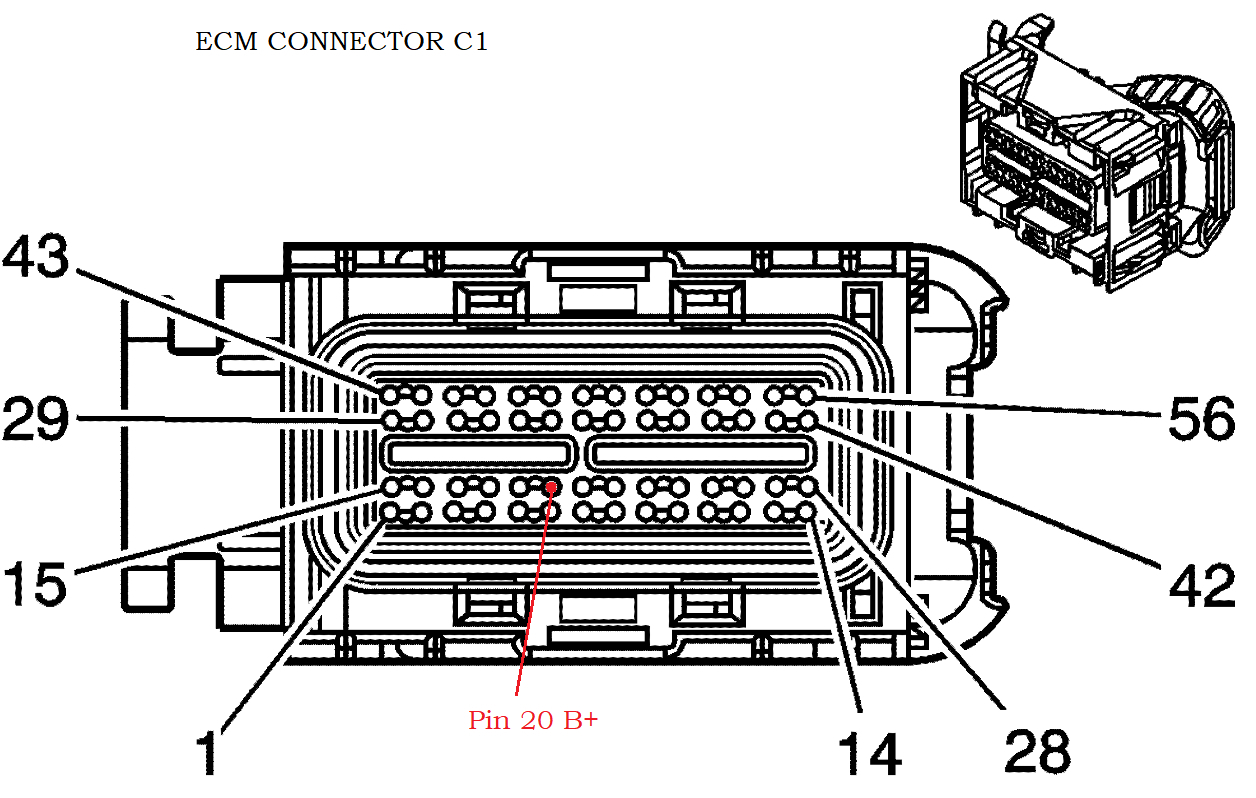
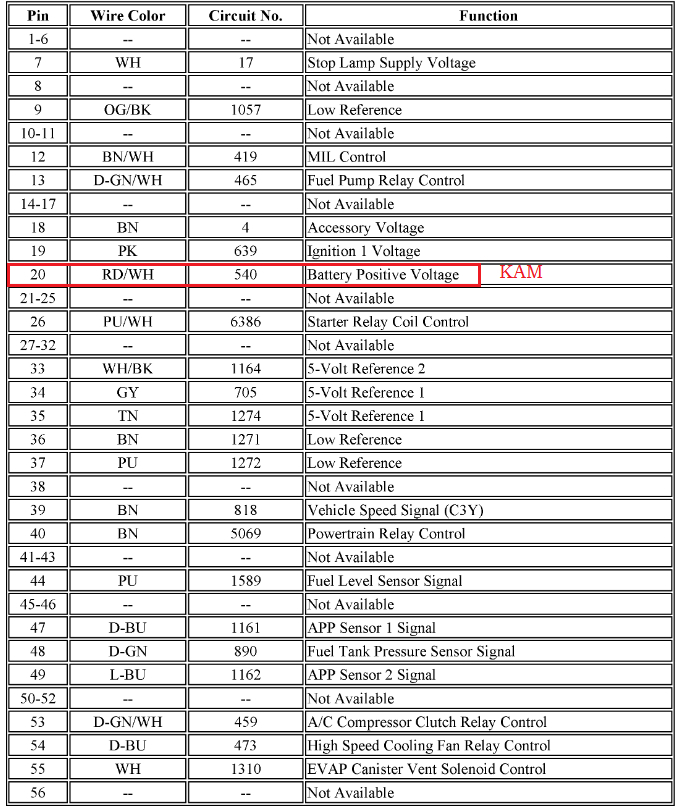
I've added the ECM C1 connector and pin 20 (Red/White wire) is hot all the time, its the memory B+ feed.
The Catalyst monitor won't be able to pass if the Oxygen sensors are not passing either, also if the Oxygen sensor heaters are not working the sensors won't work and it won't pass for that reason as well.
Sep 29, 2023 at 3:38 PM
Avatar
JAMES20192023
  • MEMBER
  • 34 POSTS
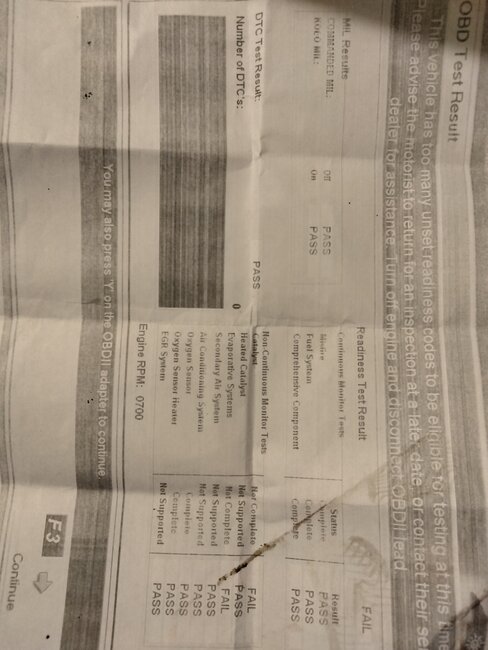
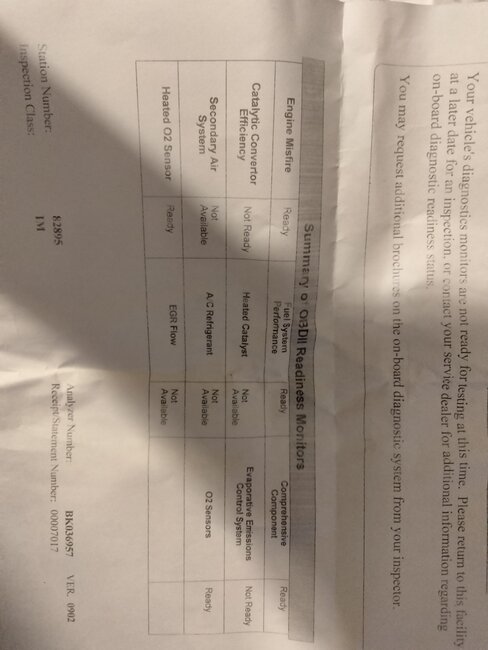
I did a relearn this morning. I followed the instructions to a T. At the end, I exited the car for 45 minutes then drove it back to the inspection station. I asked him to rerun the test. He did. This time it passed what it did not pass yesterday. But the catalyst and evaporative system failed again. When I asked him to print out the failure report, he was not able to. Instead, it printed out an incomplete "Not Ready rejection". This vehicle has too many unset readiness codes. I attached an image of the testing that he was not able to print out because the system would not print this page. I went on with my day and had to travel again few hundred miles. So, hopefully it should be ready tomorrow. If not, I will repeat step 13 through the end. Yesterday, because I took the fueling cap off before the mechanic ran an OBDII DTC check, his handheld tool registered an EVAP code (I think 0455 or 0445, most likely the 455). I put Cap back on, and he cleared the DTC which caused the issue of not being able to test again until the ECM resets itself. But it is possible, as we have discussed before, that the battery being dead for so long is the main cause for the anomaly the testing is giving us. I will do the testing you recommended and get back to you. Thank you for including the diagrams and instructions for the ECM tests.
Sep 29, 2023 at 10:09 PM
Avatar
JAMES20192023
  • MEMBER
  • 34 POSTS
Inspection images.
Sep 29, 2023 at 10:28 PM
Avatar
AL514
  • CERTIFIED EXPERT
  • 5,464 POSTS
Thats strange, I'd be interested in seeing what the engine computer's live data is reading for a couple of reasons. Such as the Long Term and Short-Term Fuel Trims (LTFT and STFT) they should be less than 10% either positive or negative. If you have a scan tool that can look at some data while the engine is running. The Catalyst is the more concerning monitor, just because it involves the Oxygen sensors and Catalytic converters are just plain expensive.
If you could look at what the Oxygen sensor voltages are doing as well, that would help figure out why the Catalyst monitor is not passing.
And another thing you would be able to watch is the Fuel Tank pressure sensor, the pressure in the tank would start to rise after a good long drive if the Vent solenoid is sticking closed. It doesn't rise a lot, but because the pressure sensor is so sensitive you would be able to see the pressure rise.
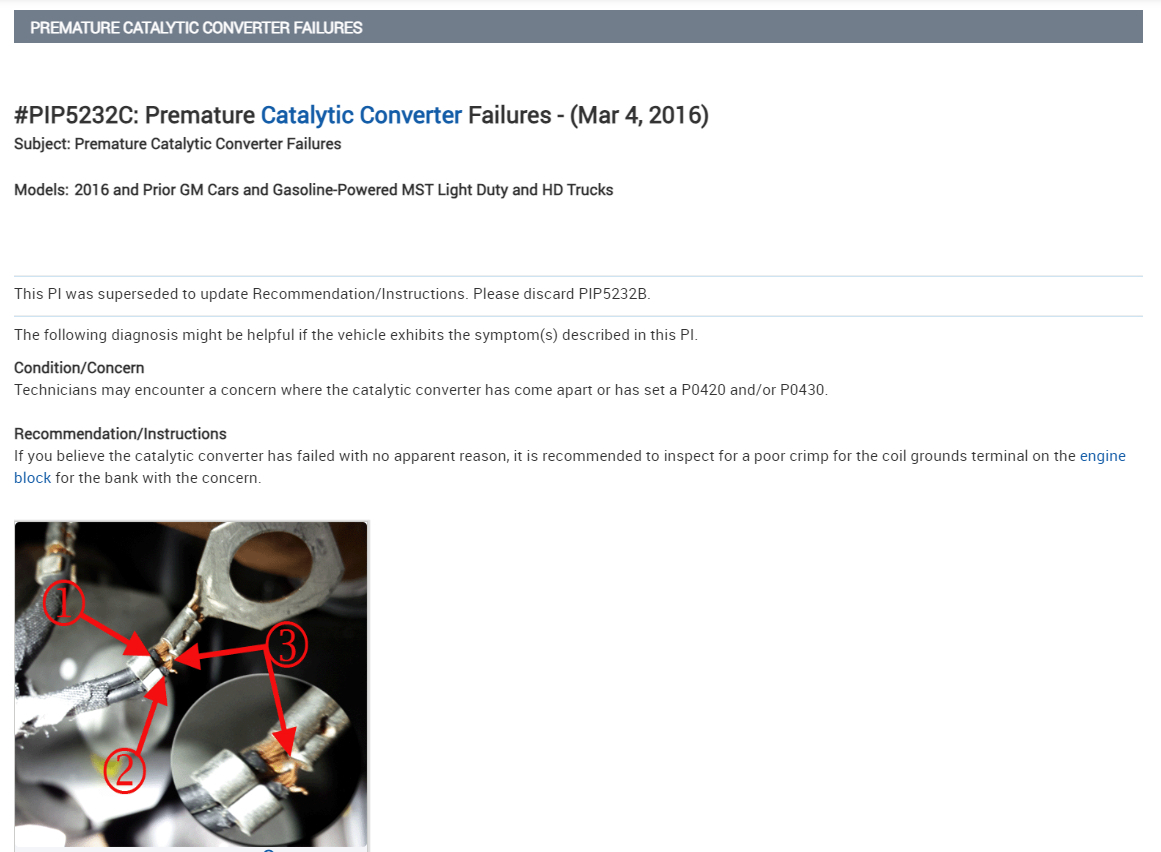
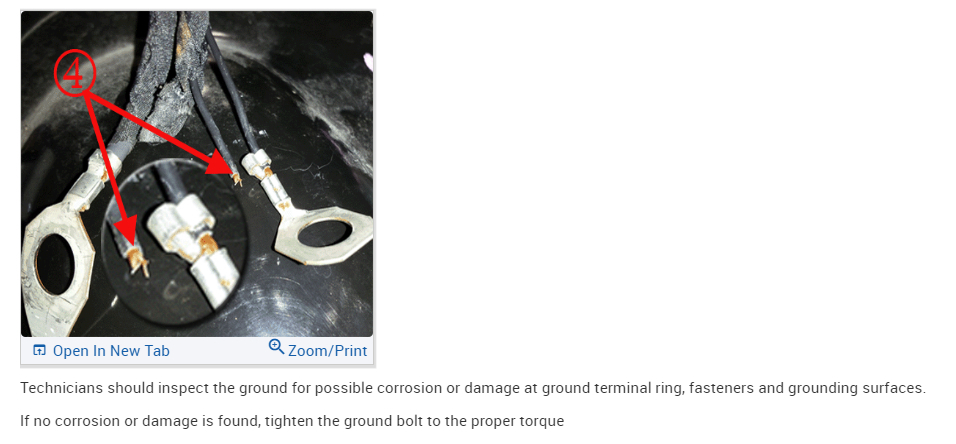
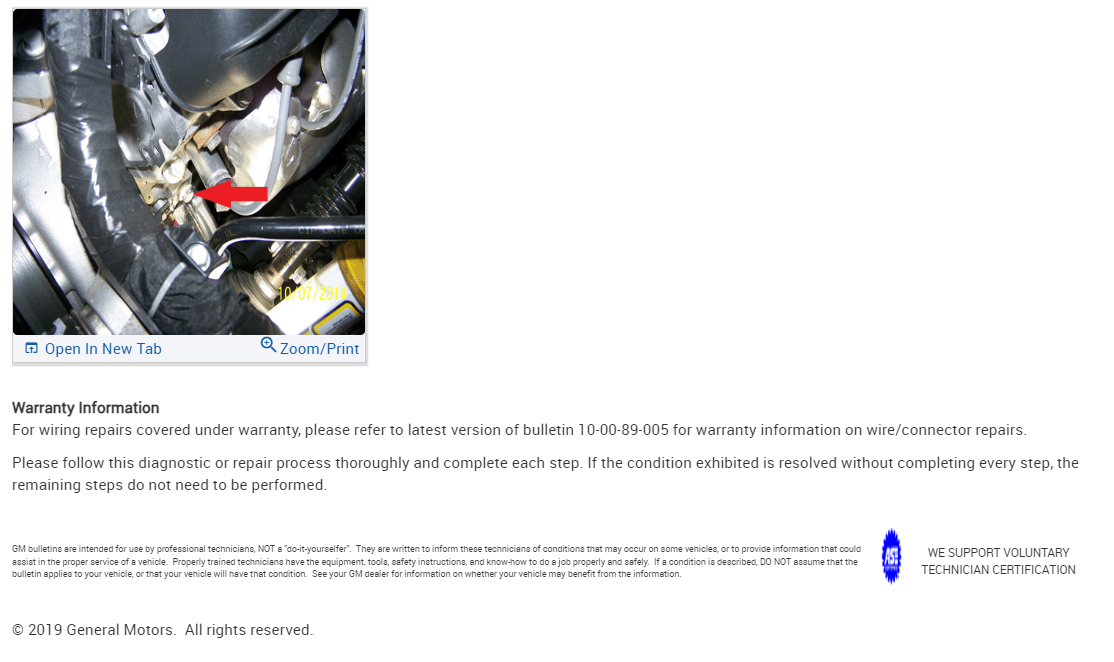
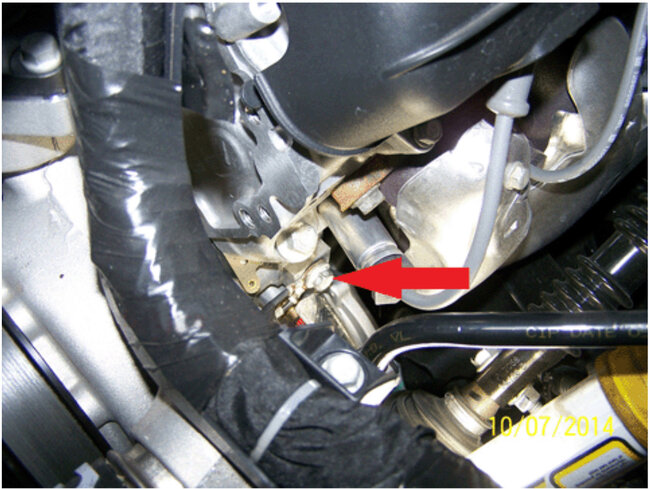
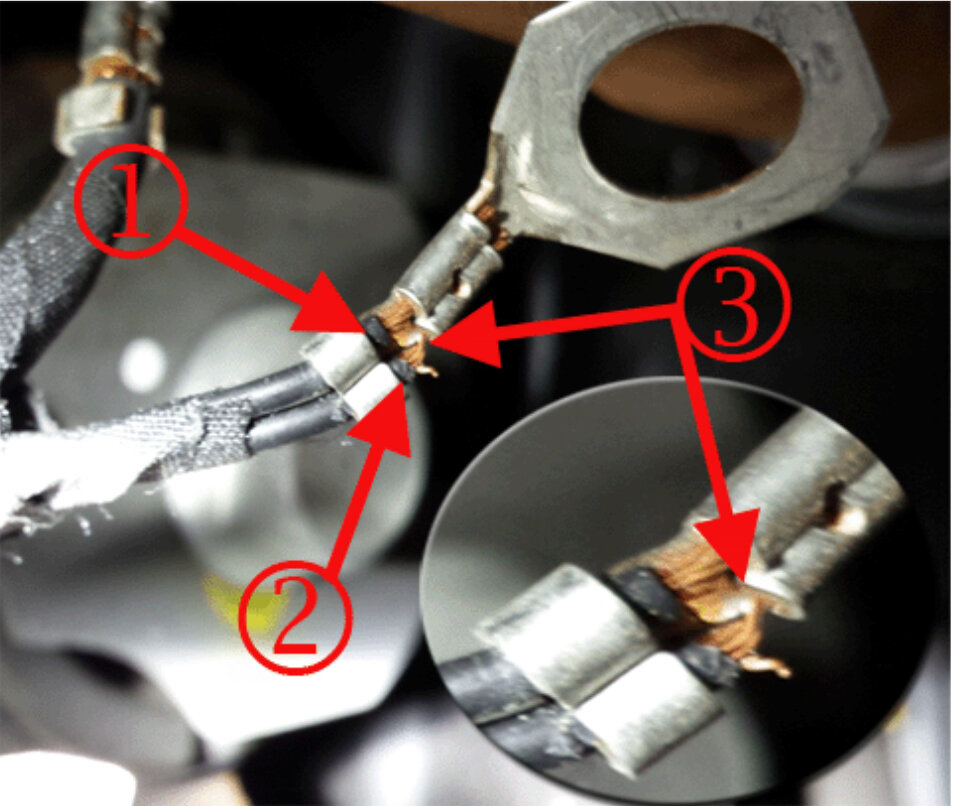
I did come across a TSB on premature Catalytic converter failure due to these coil engine block Grounds breaking, so inspect any grounds on the engine block for this type of wire strain breaking. This must cause a weak enough spark that the engine runs rich but doesn't set any codes for it.
Sep 30, 2023 at 7:42 AM
Avatar
JAMES20192023
  • MEMBER
  • 34 POSTS
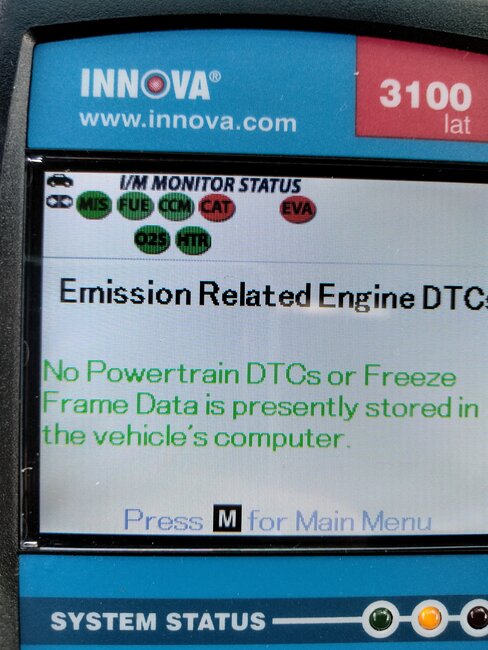
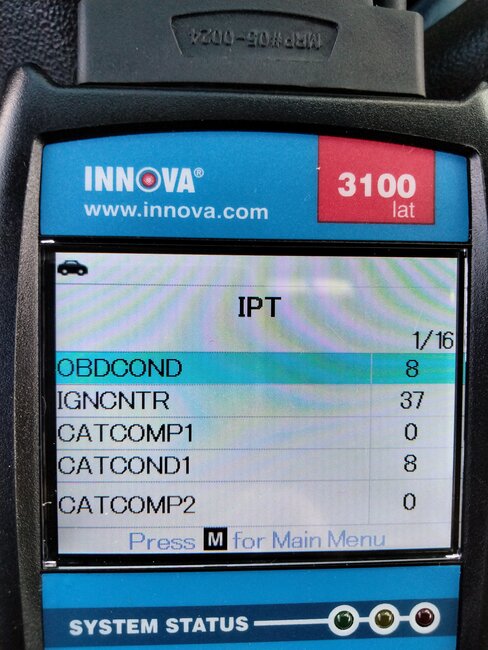
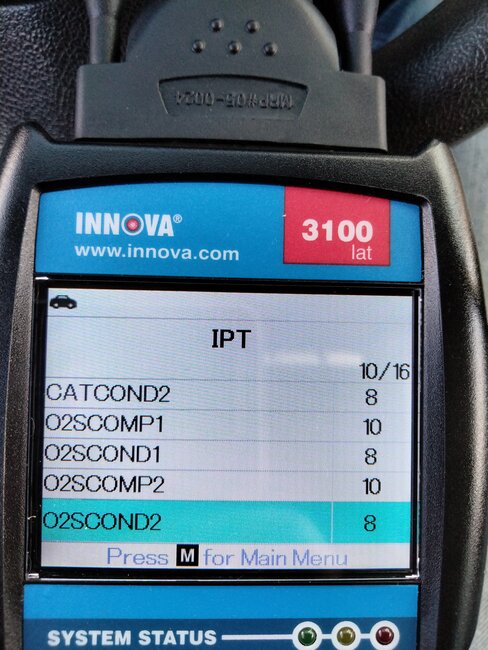
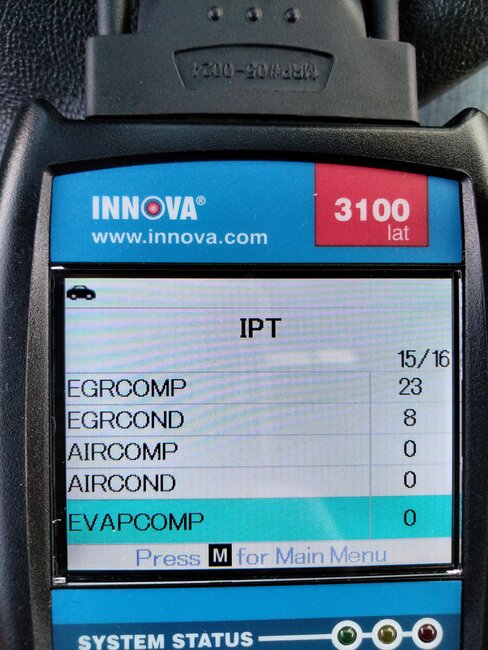
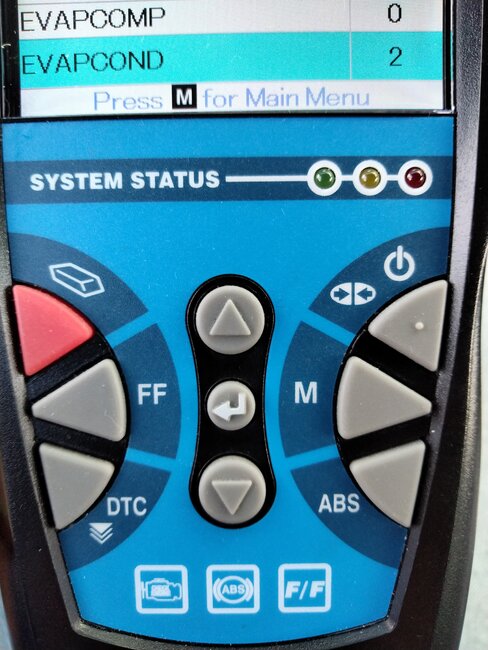
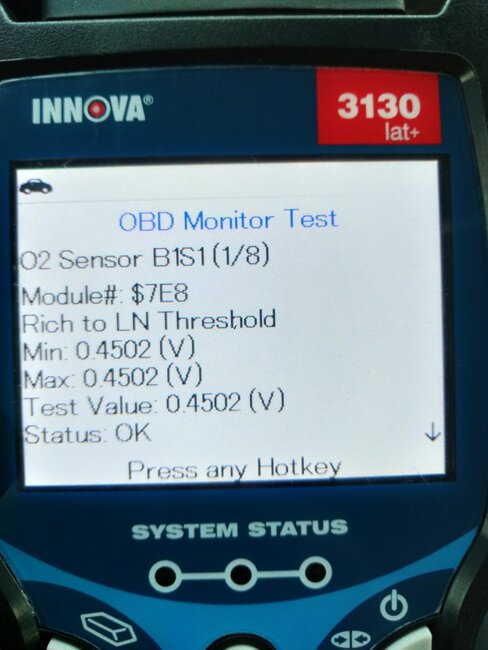
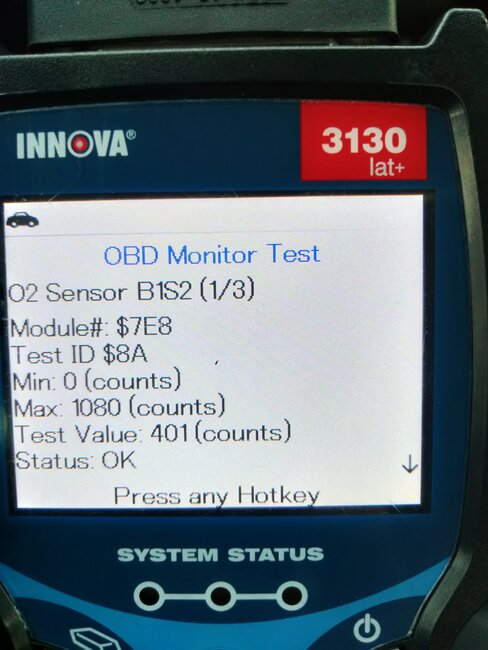
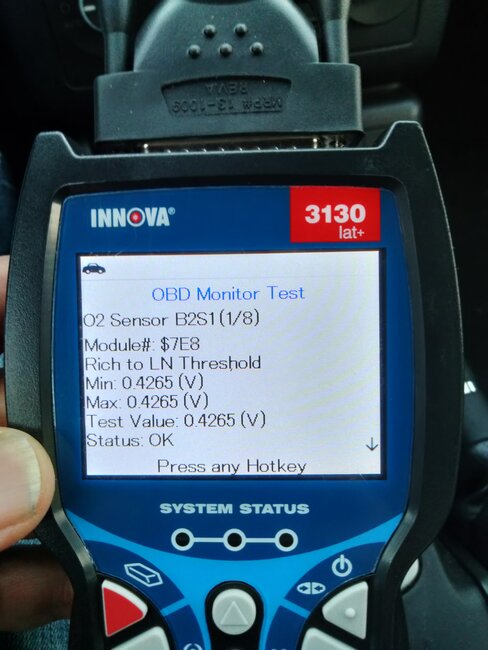
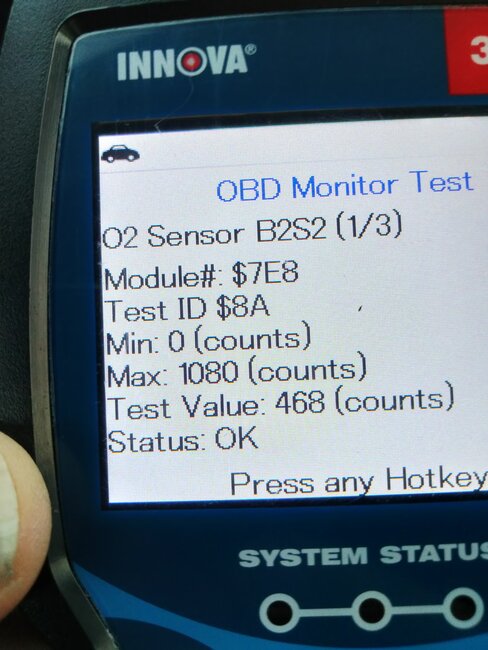
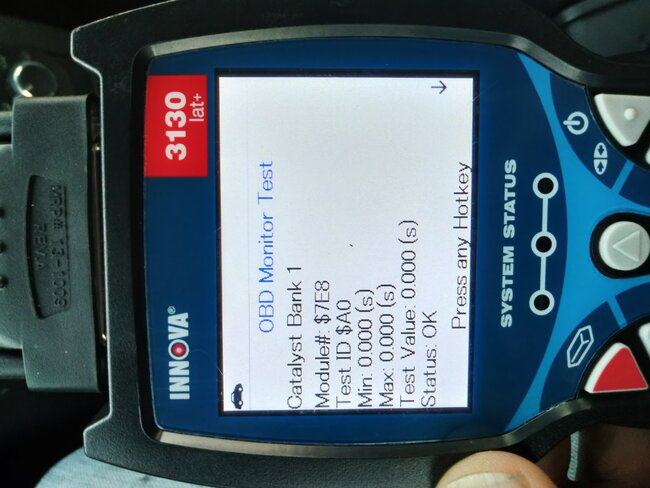
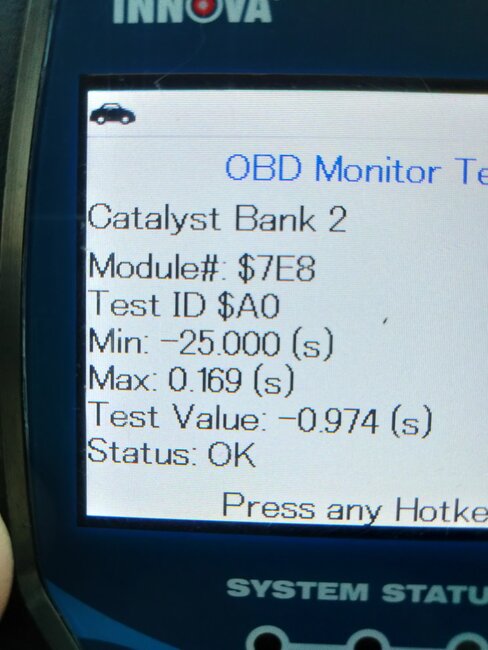
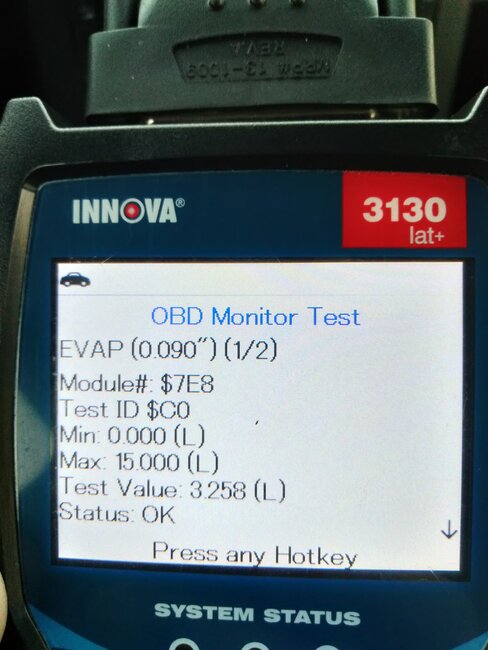
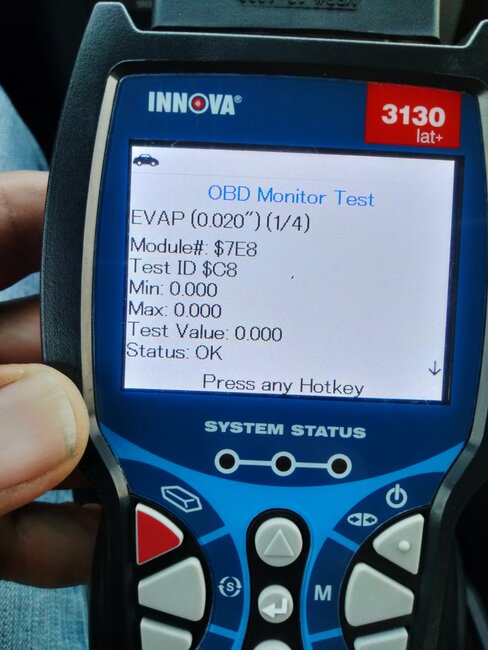
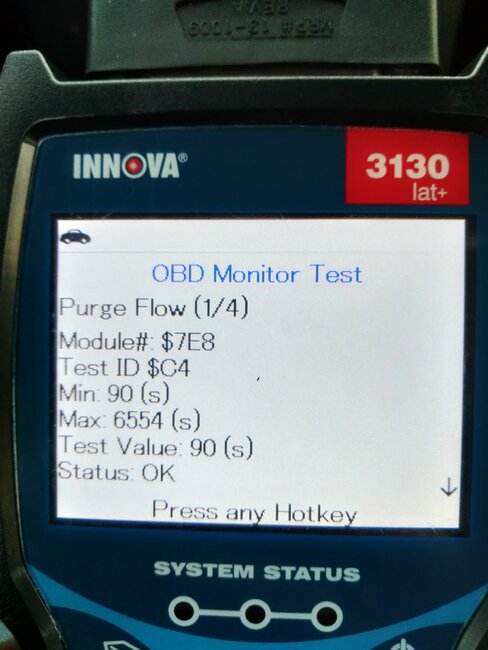
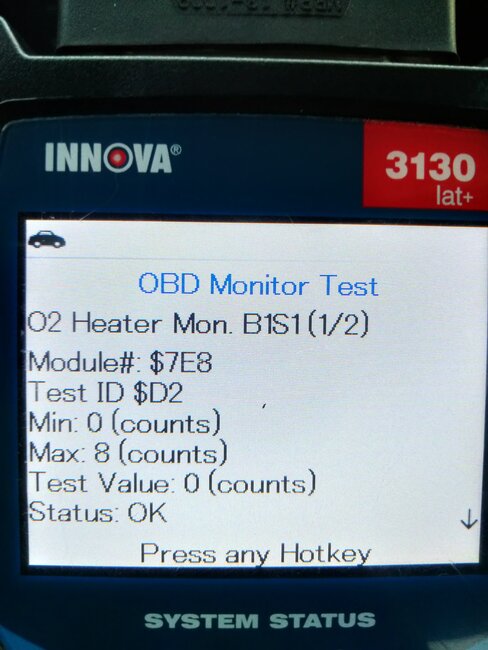
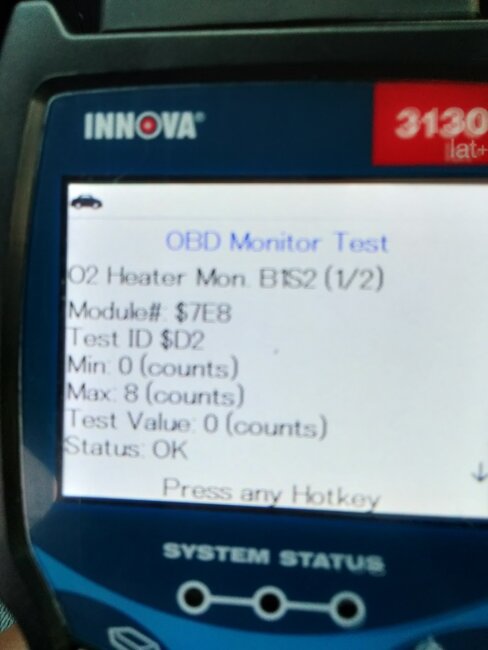
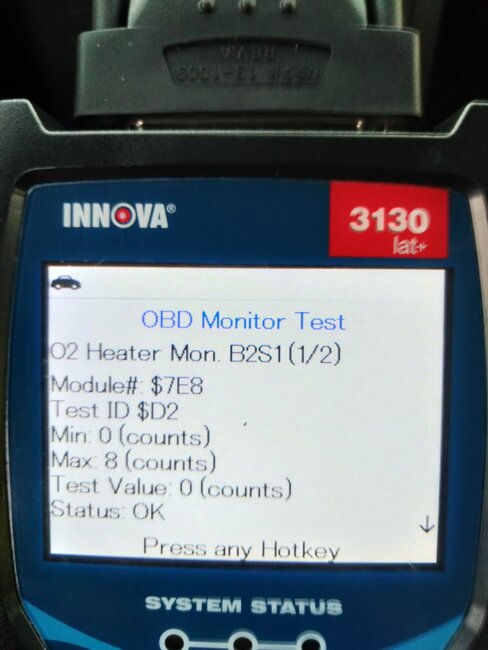
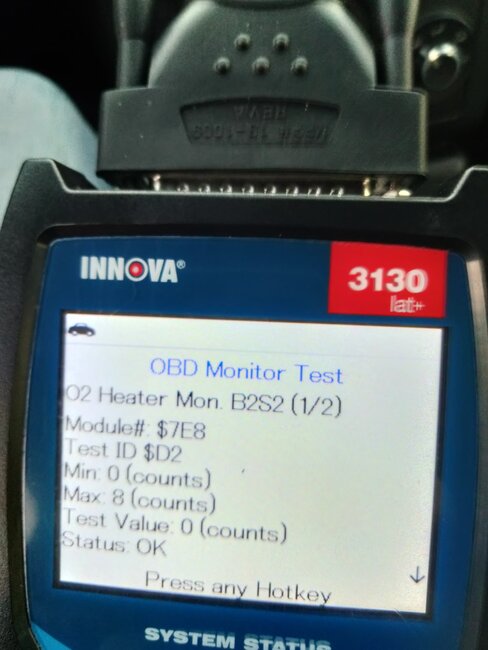
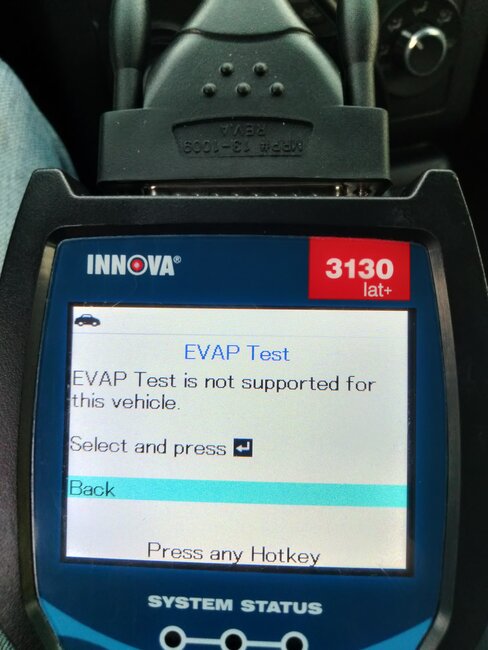
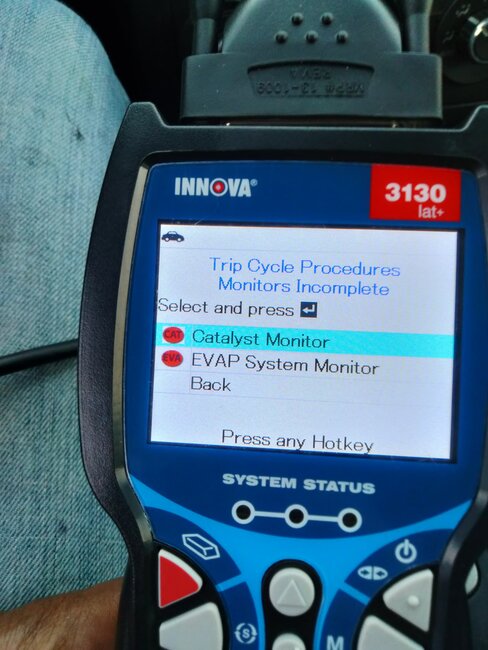
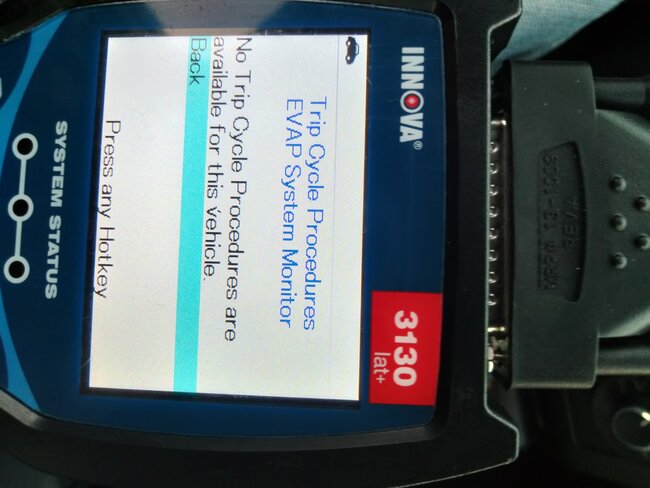
I could not obtain live data from the Innova 3100i; I need to get one that is capable of live data and get back to you. However, it did show that the CAT and EVAP are issues or not ready and no DTCs were detected. Images of what I got are attached below.
Oct 1, 2023 at 1:53 PM
Avatar
AL514
  • CERTIFIED EXPERT
  • 5,464 POSTS
Does this scan tool allow you to select the year make and model of the vehicle? I'm just going through the user manual for it, I'm not sure I understand what it's even displaying there. Under the main menu can you select Global OBD2? And do you happen to be around Rowan county in NC? On the Innova website it looks like there might be updated software for scan tools, you could attempt to update it.

https://www.innova.com/pages/download
Oct 1, 2023 at 3:03 PM
Avatar
JAMES20192023
  • MEMBER
  • 34 POSTS
It just says OBDII; other selections ABS and M as well as FF. I remember now, a year ago I had to get the more advanced Innoval to be able to read live data. The images I shared with you were obtained with the Key in ON-Position under "vehicle information." They are useless obviously. The main point was to show the two red oval icons blinking while the others were solid green (meaning "no problems). The two red blinking icons were showing me that the EVAP and CAT were not ready or problematic. Yes, the scanner does show the year and model and asks if this is "your car." I will get the other Innova from the shop to be able to get the trim and O2 live data.
Oct 1, 2023 at 3:46 PM
Avatar
JAMES20192023
  • MEMBER
  • 34 POSTS
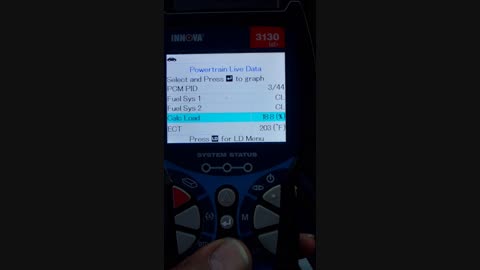
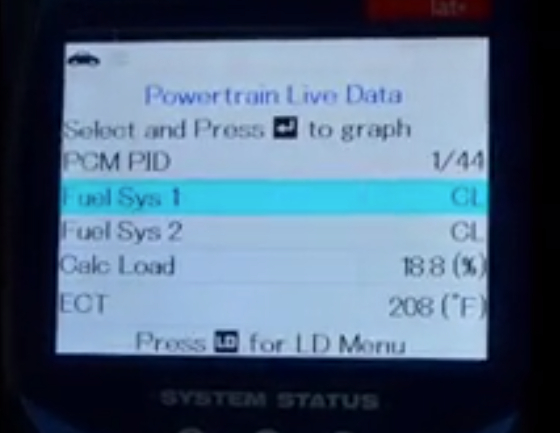
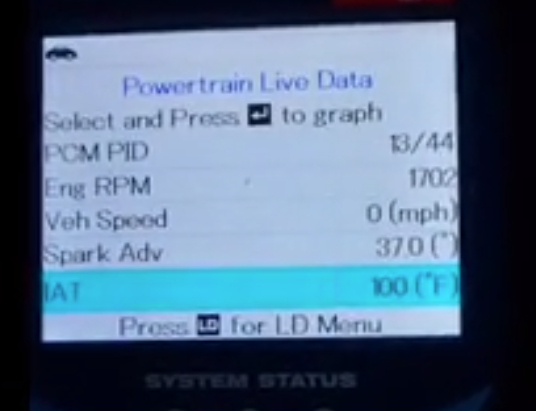
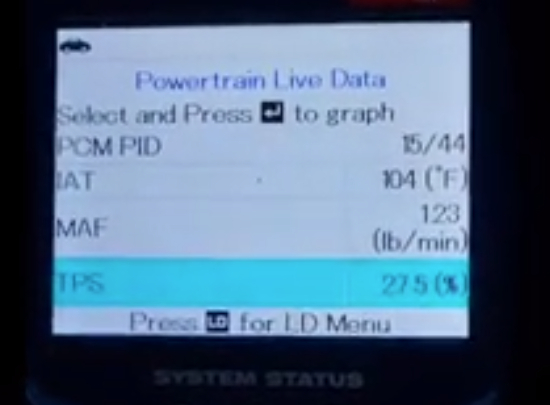
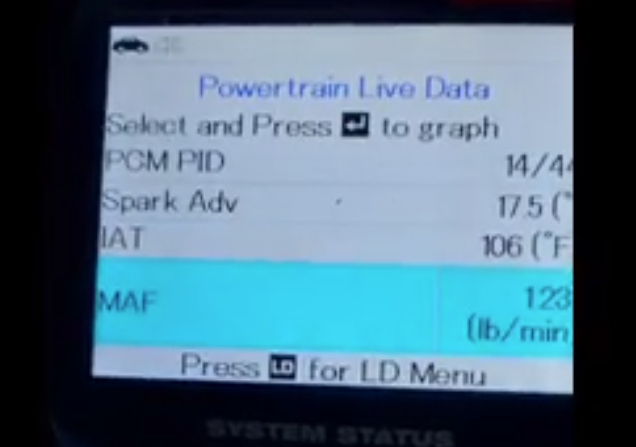
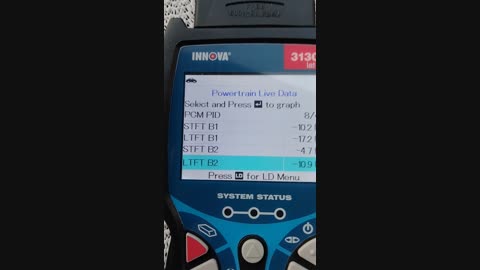
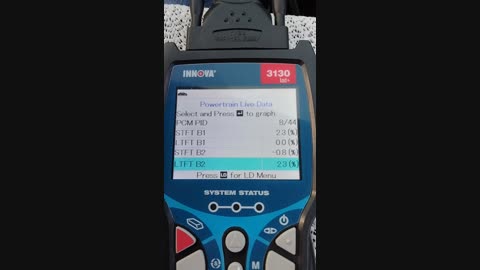
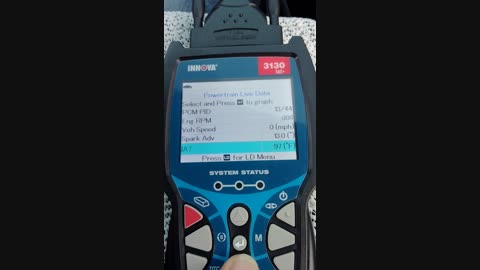
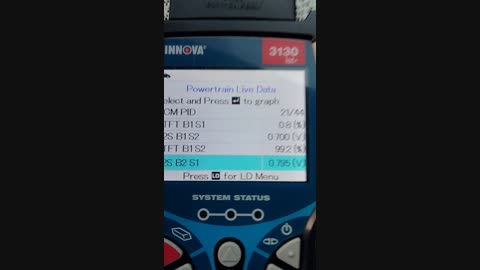
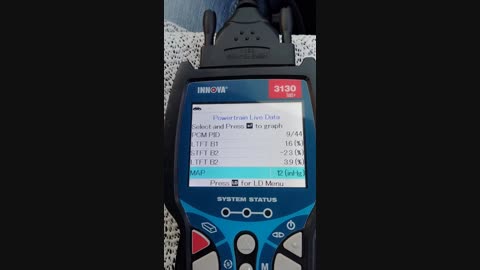
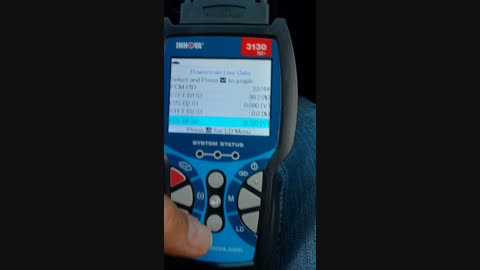
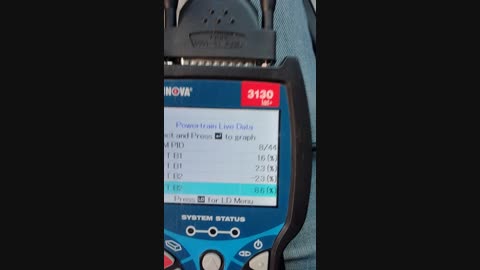
here are the live data while idling at 600 to 700 RPMs and at 1,500 plus RPMs (but not during of after driving so the LTFT won't show).
Oct 2, 2023 at 4:59 PM
Avatar
AL514
  • CERTIFIED EXPERT
  • 5,464 POSTS
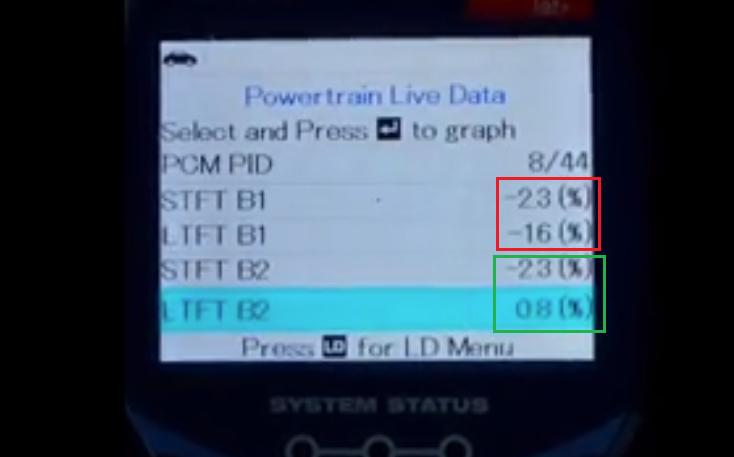
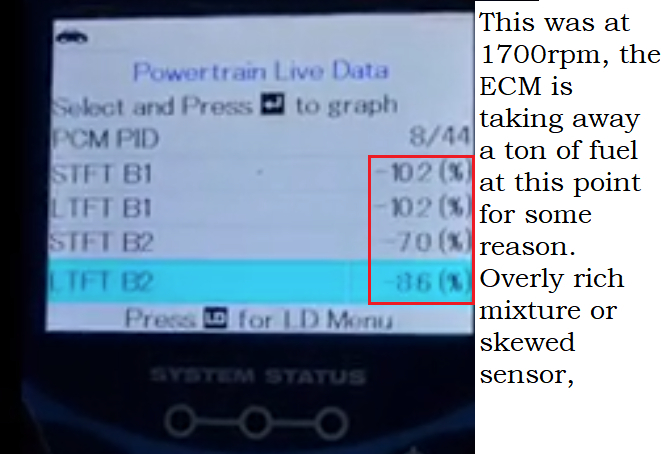
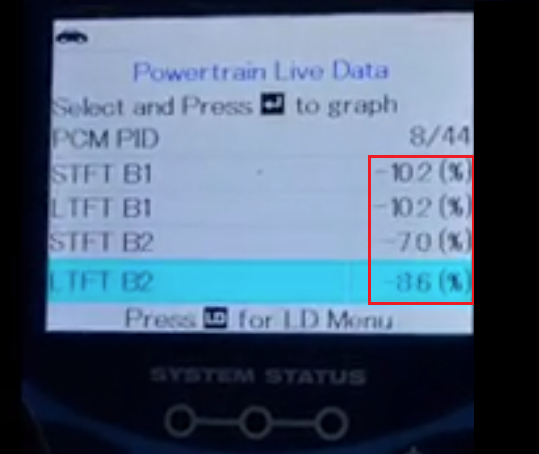
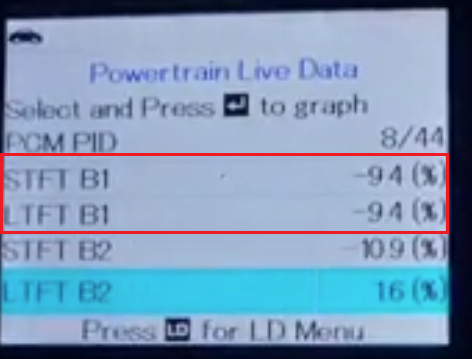
The Fuel Trims showed in the video, I could see them clearly, I grabbed some screen captures. I can see why the Catalyst monitor is not passing, at idle around 650-700rpm the Bank 1 Long Term was at -16% and the Short Term was -2.3% ( I think on that one, or it was -23%) hard to tell but even at -2.3%, that is -18.3% total fuel trim, Thats way too high. At another point it was -10% and -10% on Bank 1, so there's -20% total trim, that's almost maxed out. And it looks like that might be because the Bank 1 sensor 2 oxygen sensor was over 0.8v (800mv) the entire time, it never goes below that level.

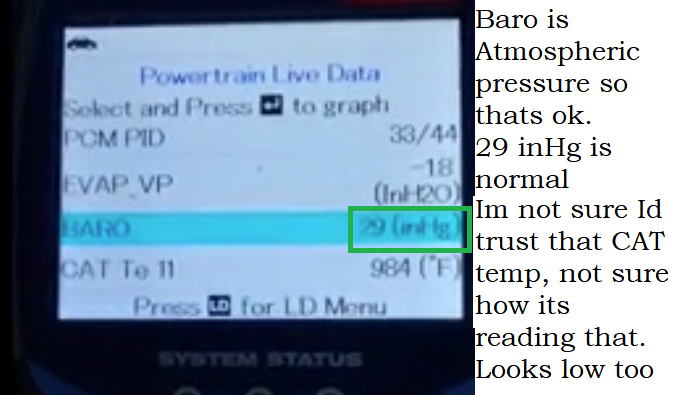
The Evap VP pressure of -18InH20 equals just about 0.6 psi, which is right at the max level for an Evap system. When testing and Evap system for leaks with a smoke machine, the max pressure is right around 0.5 PSI.

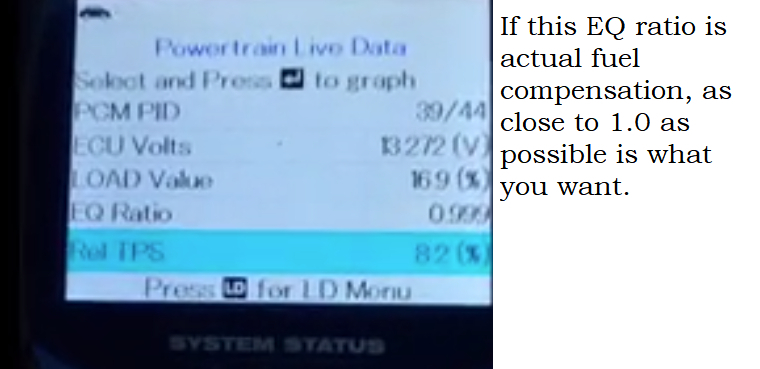
Now I don't know if this vehicle has Air Fuel Ratio sensors up front for each Bank or just conventional Oxygen sensors, but the EQ Ratio being at 0.999 looks to be very close to being Stoichiometric (14.7 to 1) the correct air/fuel mixture, so the ECM is able to keep it there but it looks like it's doing it with a lot of compensation with those fuel trims.
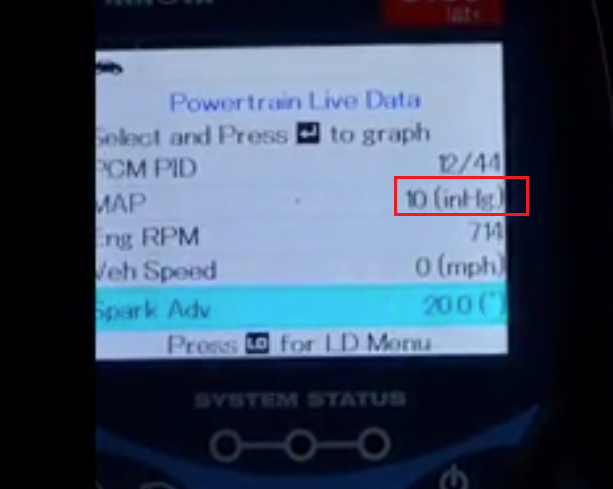
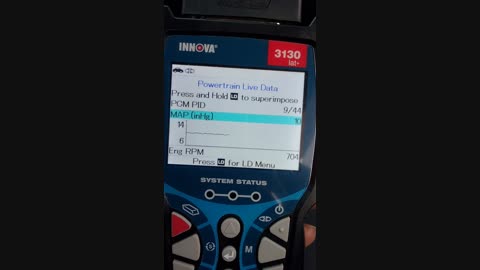
And the MAP sensor looks low, 10 inHg is too low for idle, it should be around 18 or so.
As you raised the rpm up to 1700, that's when the fuel trims on Bank 1 got worse, so did Bank 2 it went to -15.6% total trim, but Bank 2 was okay at idle.
The Converter temps seem to stay pretty equal, but I don't know if that data PID is really anything to go by.

What you should do now since we've seen some live data, is if you can select certain data PIDs and just monitors those without all the other data in there. If you can grab all 4 Oxygen sensors voltages, all 4 Fuel trims, MAF and MAP readings, and get readings at hot idle for 5 minutes or so and then raise the rpm to 2500 for a minute and see what we get there.
I'm worried about that MAP sensor reading, it didn't budge at all, and if it's reading only
10 inHg at idle, the ECM might compensate for the incorrectly, Low manifold vacuum happens when the throttle plates are opening, and you're cruising at light throttle. Manifold vacuum is at its highest when the throttle plates are closed,

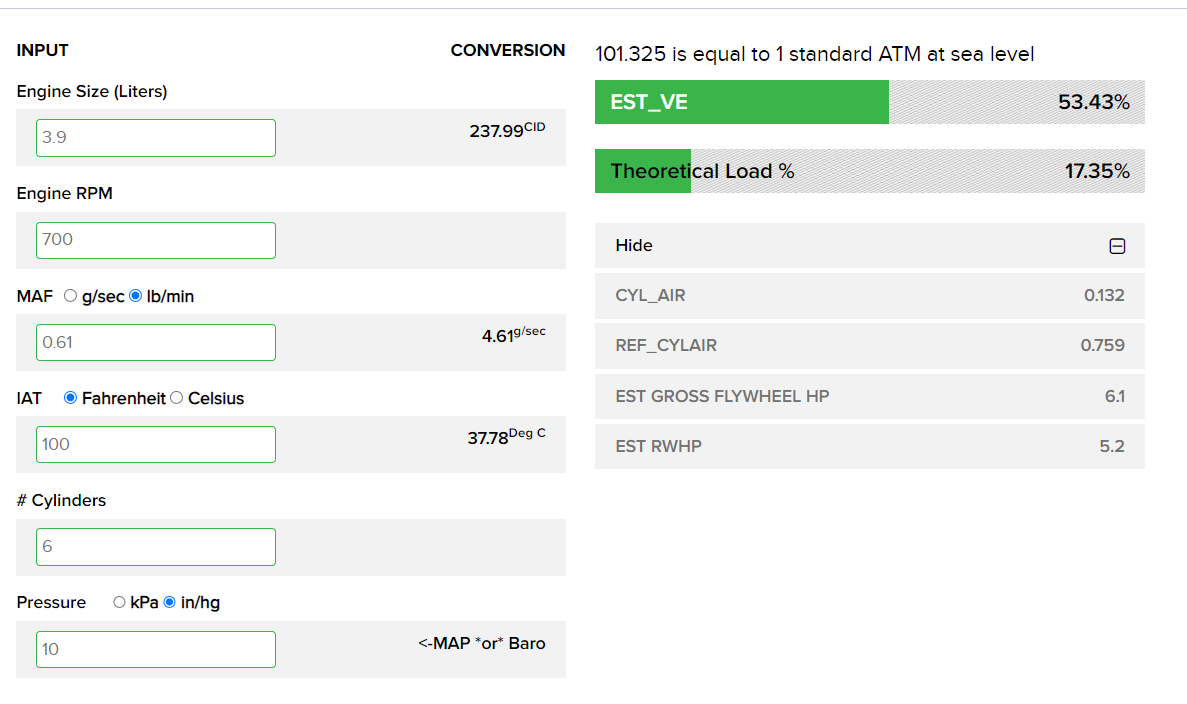
These are the readings I captured from your video, the MAF looked to be reporting correctly at idle, right where it should be, Then I put the numbers in at idle for a VE Test (Volumetric Efficiency Test) which shows how well the engine is breathing. Taking in air and allowing exhaust out, it only came out to around 53% but the Load calculation was spot on.

you can force the engine lean and see what the fuel trim numbers do by causing a vacuum leak. And see if the Bank 1 Sensor 2 oxygen sensor voltage comes down from 800mv. Maybe that sensor is stuck at 800mv causing the ECM to compensate and take fuel away due to a bad sensor. It would be good to get some numbers with the engine under a pretty heavy load, like a wide-open throttle run for a few seconds so we can calculate a more accurate VE test. It really should be done using numbers from the WOT run. Just do it on some back road so you stay safe, and don't get a ticket.
Oct 2, 2023 at 7:28 PM
Avatar
JAMES20192023
  • MEMBER
  • 34 POSTS
The readings fluctuated as follows (at no point the readings exceeded the numbers below. Maybe the video was not clear after uploading it) However, B1S2 did stay at 0.815V (?)
STFT B1 -2.3% -1.6% -0.8% 0.0% 0.8% 1.6%
LTFT B1 -1.6% -0.8% -1.6%
STFT B2 -2.3% -1.6% 0.8% 1.6% 2.3% 3.2%
LTFT B2 0.8% 1.6%
@ MAP 10 @ MAF 0. TO 0.62 EQ RATIO LOOKS OKAY
when I added the STFT AND LTFT, it came out even (overall close to 0). I am not sure if you agree but it looks like the B2 is doing better (more lean) than B1 (less lean). I would not want to cause an artificial vacuum leak though.

OXY SENSOR
B1S1 0.085 V TO 0.750 V @ STFT B1S1 Looks okay
B1S2 0.815 V @ STFT B1S2 ??? 99.2% ????
B2S1 0.1 V TO 0.790 V @ STFT B2S1 Looks okay
B2S2 0.605 V @ STFT B2S2 ??? 99.2% ????


As far as the sudden increase in fuel consumption was due to my foot pressing on the gas pedal so unstably at one point the throttle was almost wide open. I tried to keep it steady, but it did not happen all the time. I will redo the readings at steady RPM and live data reading during driving. I will focus on the individual parameters to get to the bottom of theses unstable fluctuations. I would not want to cause an artificial vacuum leak though unless there is a safe way to make the engine run lean.

I am not sure about the Air Filter Sensors you mentioned. I remember purchasing a B2S2 Heated Oxygen Sensor (please explain how to tell).

So, you think there is something wrong with MAP needing to be around 18 instead of 10 at idle? replace the map sensor?


Oct 2, 2023 at 10:56 PM
Avatar
JAMES20192023
  • MEMBER
  • 34 POSTS
However, there are no MAP sensor symptoms beside the fact that the Catalyst is not being passed. If the MAP is faulty, then it could be the reason why the Catalyst would suffer unburned fuel and excessive fuel consumption, but the fuel consumption on this car (while normally higher than the average car) it is not excessive to the point of being noticed. There is black soot in the rear pipes, but I see no black smoke or anything close.
Oct 2, 2023 at 11:32 PM
Avatar
JAMES20192023
  • MEMBER
  • 34 POSTS
I apologize for the multiple messages, but I forgot to bring up this issue I noticed the last time I drove the car to another state. I noticed after fueling the tank to 80% of its capacity that the fuel gauge remained at 55% and remained at that level until the actual level reached 55%.At that point the fuel gauge began to move down consistently with the actual consumption of the fuel. This is probably related to the high pressure release experienced when the fueling cap is opened (something is wrong in there). I still haven't gotten around to lowering the tank and examining the pressure sensor, hoses and canister as well as the solenoid valve.
Oct 2, 2023 at 11:48 PM
Avatar
AL514
  • CERTIFIED EXPERT
  • 5,464 POSTS
Oh okay, so that fuel trim is actually 1.6% and not 16%, it was difficult to see exactly what the reading was, I do think B1 is running a bit more rich, maybe not as much as I previously thought. It is safe to create a vacuum leak or add an alternate fuel source for testing purposes at idle, I wouldn't drive like that, but pulling off the brake booster hose to send the system lean and make sure it responds is ok.

This screen capture here though is actually -20.4% total on Bank 1 and -15.6% on Bank 2, so it looks like at higher rpm (1700) things go super rich. I would ignore the B2S2 voltage with a fuel trim added to it, look at them separate, the 99% is a substituted value from the scan tool. Thats why I only look at the actual Fuel Trim data PIDs themselves and the 02 voltages by themselves.

The black soot at the end of the tail pipes either means we are dealing with an actual rich condition, or the Catalytic converters are not doing their job enough. Of course, though a rich condition to begin with is what causes the Cats to fail. The Catalytic converters need to be able to store a certain amount of oxygen within the substrate, this aids in the converters ability to burn off the excess hydrocarbons and CO that comes from normal emissions.

So, when you took the gas cap off, was it vacuum that was pulling on the gas cap when you took it off or was it more of positive pressure that somewhat pushed the gas cap off then you turned it?

This fuel system has a return line for the fuel, so all the fuel that is not used is sent back to the gas tank and it is hot at that point from its travels through the fuel rail on the engine block and when you turn off the vehicle, the warm gasoline returning to the tank expands and causes positive pressure to build. You can see this on the fuel tank pressure sensor after a drive. That along with the filling issue points to the Vent Solenoid not open with the vehicle off. It might be just sticking closed, causing that problem. I think once you get that issue resolved, the Evap monitors should pass.

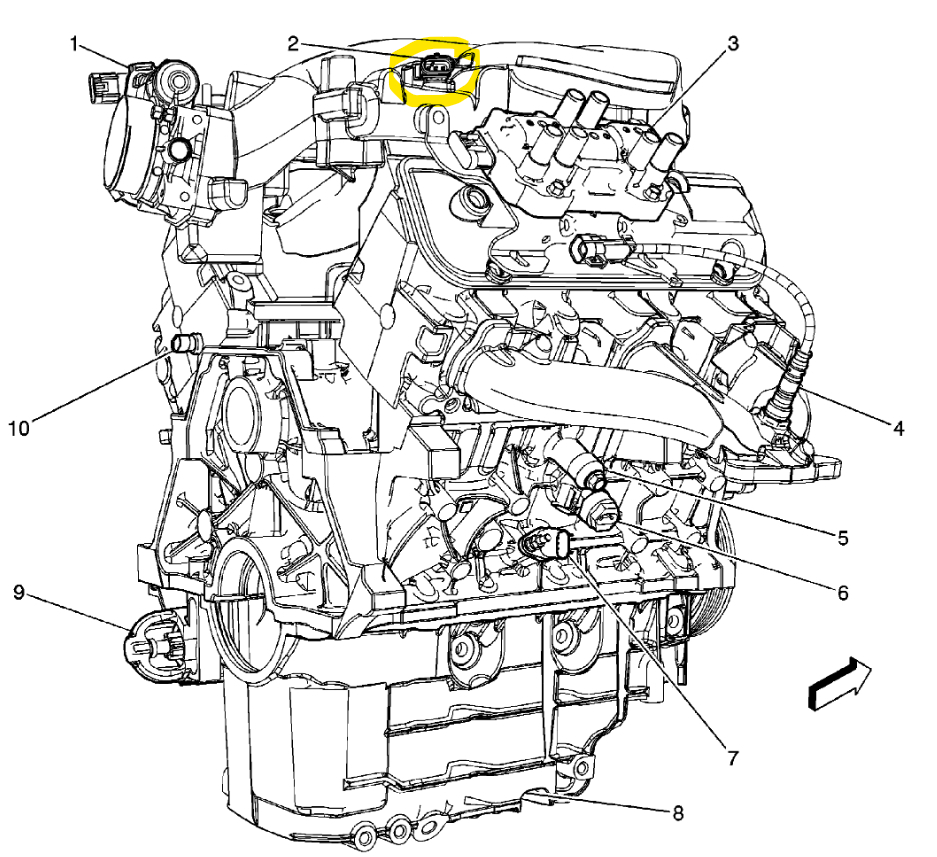
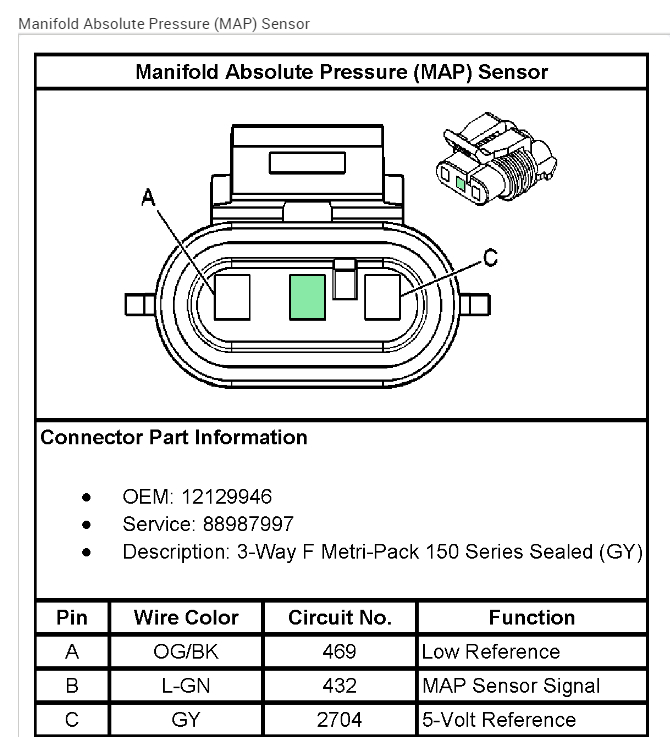
As for the MAP sensor, do you see the vacuum reading change as you open the throttle plates? Because at idle, if that MAP is really sending that low manifold vacuum reading to the ECM, technically it should enrich the mixture, although the other sensors are going to send data to the ECM that is the opposite. And we might get this back-and-forth compensating effect. You could put a manual vacuum gauge on the engine and see what it's actually reading. Another test is back probing the MAP sensor and taking a voltage reading, watching for a voltage change with throttle opening. It's on a 5v Reference feed, and at just key on it should read close to 4.5volts and then drop to around 2volts at idle. It gets tricky when the vehicle has both a MAF and MAP, most have one or the other. But if you put a manual vacuum gauge on it and its reading closer to 15-18 inHg and the MAP is still reading 10 inHg, something is off there. The ECM is determining the vacuum reading according to the MAP sensor voltage.

But there is something going on at higher rpms, 1700 and up, you could see if the fuel rail holds fuel pressure with the vehicle off, if there are leaking injectors the pressure will drop off after a couple minutes. I really like the Fuel injector balance test because it shows the flow rate of each one despite if they are sequential, or bank fired injectors. The tool for pulsing the injectors while the engine is off only costs about $30 and hooks up the battery. Then with a fuel pressure gauge on the rail, you just pulse each injector and measure the pressure drop. Any difference of only 2-3 psi is a problem injector.

And if I'm unsure about the Catalytic converter conditions Ill pull out the front oxygen sensors and first do a visual inspection with a bore scope camera, and do a back pressure test a idle with one from 02 out at a time, just idling for a minute or so. There shouldn't be more than 1-2psi of back pressure. Start with investigating the MAP first to see if it's off. Service info states that during Starting Mode the ECM will check speed density using the MAP sensor then switches over to the MAF.
The front Oxygen sensors I was referring to are called Air/Fuel Ratio sensors (A/F Ratio sensors), they are a newer technology compared to conventional oxygen sensors. They are also known as Wideband Oxygen sensors, because they work on a much wider range of air fuel mixtures than regular oxygen sensors. Below is a video explaining their operations. I looked up the part numbers and it looks like you have conventional front oxygen sensors, I would expect the rear 02s to have a somewhat lower steady voltage than what they are reading, Bank 1 was 800mv and Bank 2 was around 700mv almost all the time, that's indicating a richer exhaust making it passed the Cats. And that might be why the fuel trims hit -20% at higher rpm. But also, if the Vent valve is stuck closed, that could be part of the issue too, it should be open when the ECM is purging the tank. The Vent valve draws in fresh air while the Purge valve draws in vapor from the tank. I think much will be resolved once that is figured out.
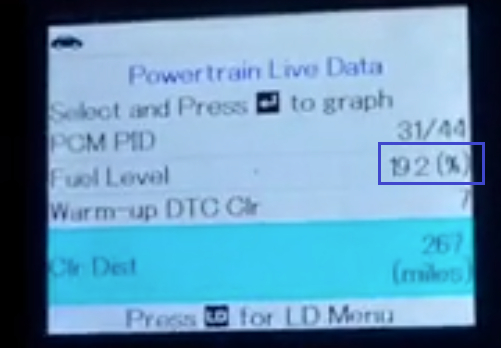
I did see the Fuel Level reading about 19% here, that's less than a 1/4 tank, is your fuel gauge reading that during these captures?

Sorry for my long posts, I just want to be thorough about what we're going over here.

https://www.youtube.com/watch?v=AyuLrbzXDBw
Oct 3, 2023 at 9:45 AM
Avatar
JAMES20192023
  • MEMBER
  • 34 POSTS
It was positive pressure; the cap being pushed out almost jumping out into the palm of my hand). After fueling more in the middle of my trip (the fuel level sensor shows 55% even though I added 30% more fuel to the tank). The fuel level did not rise, and it stayed at 55% until the 30% I added were consumed on the way.

To summarize what you were telling me:
we've got B1 is running rich.
MAP Sensor maybe faulty.
Vent Solenoid stuck closed.
possible issue with injectors.
replacing the O2 sensors with Wideband O2 Air Filter Sensors.
Possible issues with the Catalytic Converters themselves.

I will go through the testing and report.
Oct 3, 2023 at 10:21 AM
Avatar
JAMES20192023
  • MEMBER
  • 34 POSTS
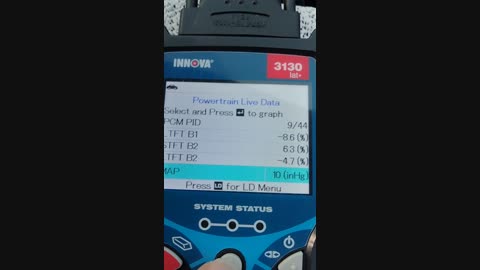
The following is Live MAF and Voltages of the sensors while driving in city stop and go and highway traffic. Sister is driving (she has a tendency to lift her foot off the gas pedal on a regular basis, but I got her to drive!).
Oct 3, 2023 at 5:10 PM
Avatar
JAMES20192023
  • MEMBER
  • 34 POSTS
This one is MAP live data.
Oct 3, 2023 at 6:06 PM
Avatar
JAMES20192023
  • MEMBER
  • 34 POSTS
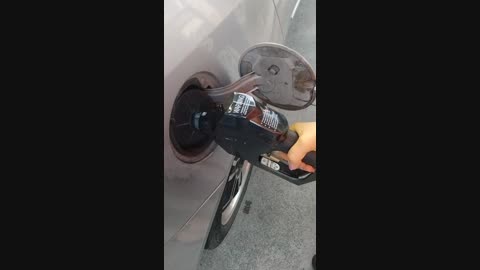
this time, the nozzle did not shut off except once after 3 gallons.
Oct 3, 2023 at 6:16 PM
Avatar
JAMES20192023
  • MEMBER
  • 34 POSTS
live trip.
Oct 3, 2023 at 7:02 PM
Avatar
JAMES20192023
  • MEMBER
  • 34 POSTS
live trip continued.
Oct 3, 2023 at 7:49 PM
Avatar
JAMES20192023
  • MEMBER
  • 34 POSTS
End of the live trip and coming to a stop.
Oct 3, 2023 at 9:15 PM
Avatar
AL514
  • CERTIFIED EXPERT
  • 5,464 POSTS
No, I was just explaining the difference between conventional 02 sensors and wideband sensors, your vehicle has conventional sensors, you can't switch them with wideband AF sensors, the vehicle has to come with them from the manufacture. They work off current flow instead of voltage like conventional narrow band 02 sensors, I just see those rear 02 sensors reading rich all the time in your live data and the large negative fuel trims happened at higher rpm. I see the MAP sensor becoming somewhat active in the first video there, so it looks okay, it's not stuck at one reading. So that rules out the MAP sensor. If you're able to fill the tank better at some points it might be that the vent solenoid is sticking intermittently, but your scan tool is not capable of commanding the Vent closed to see if there is any pressure rise, so you'll have to check it manually, but I'll go through this other data you posted here.

You can see how those rear 02 sensors are always on the high side, and the fuel trims are just all over the place, but the main concern to begin with was the issue with filling the tank, I could hear some strange pressure noises while you were filling it for sure. I wouldn't put the stations filler handle so far into the filler neck either. They are not designed to be in that far. The handle is designed to click off when the tank reaches a certain level. It sounded like the filler neck was becoming overwhelmed by vapor pressure. So just start with the Vent solenoid, get that filling issue taken care of. Try keeping the fill handle out further and see if that makes any difference. And we'll go from there. Those fuel trims might improve if the tank is able to draw in fresh air while purging the vapors.
Oct 4, 2023 at 2:58 PM
Avatar
JAMES20192023
  • MEMBER
  • 34 POSTS
Okay, thank you. It is good that I don't have to replace the MAP sensor. Yes, I agree; the nozzle should not be inserted all the way in. When I refueled with the nozzle half-way in, it did not shut off as much, but this time as she refueled, the nozzle clicked off only once after 3 gallons.

The Catalyst cleared and was ready. The vehicle passed inspection and emission today. EVAP, obviously, isn't ready yet. It looks like the ECM memory was affected by the battery being dead for so long, and after replacing the battery, I did not drive the car much. It cleared after 9 warm up cycles.

I drove the car myself today at 75 to 85 mph speeds for a long time. The catalysts reached 1675 degrees at those speeds. I monitored the fuel trims and voltages, MAP and MAF. At those speeds, the MAF was reading about 2 to 4 and the MAP was reading 8 to 40 with18 to 24 being the most when going uphill and going back to 7 to 12 when going downhill or decelerating.

Watching this 3:58 minutes video, I don't see any problem with the fuel trims except the B2 is consistently 6 to 8% (but overall, it is normal(?) what do you think? The voltages were 0.02 to 0.8 with Banks 2 (the one we noticed previously) often being at 0.7 to 0.85 (but I saw it drop to 0.2 here and there). Why is it consistently higher than the rest of them?

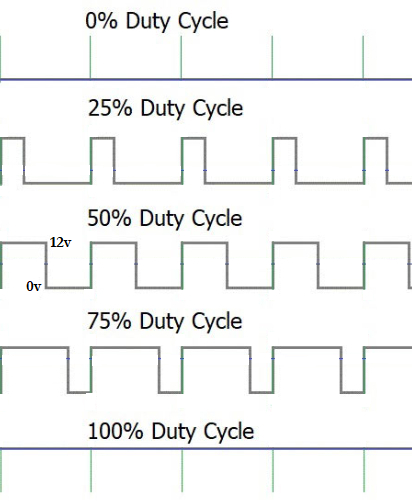
Does the EVAP Command tell us anything meaningful (and what tool will allow me to command an EVAP test and closing and opening the valve)? At 75 MPH, it was reading 100% and as the speed decreased, it would decrease as well (as I decelerate and go into "coasting" (foot off the pedal), the EVAP command goes to 0); I am not sure if this percentage is duty cycle?

Okay, now that the vehicle has passed inspection and emission, I will proceed with lowering the fuel tank, inspecting the canister, hoses, solenoid valve and upfront the purge solenoid.


Oct 4, 2023 at 10:48 PM
Avatar
AL514
  • CERTIFIED EXPERT
  • 5,464 POSTS
It did pass inspection then, even with the Evap monitor not complete? The duty cycle on the Purge valve is because the Purge is pulse width modulated, (pwm) meaning the ECM can control flow by increasing of decreasing the pulse width of the Purge solenoid. Excuse the crude drawing below, but its a 0v to 12v control and you can see that with a longer pulse (or on time) there will be more flow through the solenoid, and opposite for a shorter pulse. That Purge number is duty cycle..

The fuel trims look much better now, I don't see anything going over even 10%. As for the Oxygen sensors, the front two (B1S1 and B2S1) they should fluctuate between 0.2v(200mv) and 0.8v(800mv), that's normal for narrow band 02 sensors, the rear B1S2 and B2S2 should stay steady, usually around 0.6v to 0.7v roughly.

You are correct about the ECM relearning its fuel strategy, but it also might be that there was some carbon build up on either the spark plugs or fuel injectors tips from sitting for a while. That may have now burned off and cleared up since you're giving it a good run on the highway.
6 to 8% fuel trims are fine. I don't know how that specific scan tool is calculating the Cat temperatures, around 1200f is normal, if they get up to around 2000f that's not good, that's melt down temperature. And a rich mixture is what causes that. So, if you happen to notice the fuel trims going negative again and being over -10%, that means the ECM is taking away fuel from the mixture due to a rich condition.

The issue with having the fill handle at the gas station in too far, is that it can over fill the tank. This causes the canister to end up with liquid gas in it when it's only supposed to store vapor. Once the canister had liquid gasoline in it, the charcoal pellets start to break apart and they travel down the purge hose from the canister and end up getting stuck into the purge valve, this in turn, causes the purge valve to stick open. I don't think this has happened in your case, but that's just why it's not good to overfill a tank, you might just have a vent solenoid that's intermittently sticking, and that's all.

If you wanted to bidirectionally control the vent solenoid you would need a scan tool with that special function. A higher end scan tool. It's a good investment if you are planning on repairing your own vehicles in the future. I have 4 different scan tools I use. But there are some really great ones out now. Autel is good but expensive and requires a subscription every year. My Autel is about $120 a year, that's for all the software updates for newer vehicles and some functions. Launch has some good ones, Topdon is a newer company, but they are flying by the competition when it comes to capabilities. I'll look up a couple and post the info on them here for you shortly, it really depends on how much you want to spend. You just have to look at what special functions they can do, when going over the specs.
Oct 5, 2023 at 11:47 AM
Avatar
JAMES20192023
  • MEMBER
  • 34 POSTS
Indeed, I was told in North Carolina where inspection and emission are required only one failure is allowed (not sure why). Stoke County and Mount Airy (among other counties and cities have done away with the emission requirement altogether).

Thanks for clarifying the PWM of the Purge Valve by the ECM. Yes, the CATs are often less than 1200.
Before my sister bought her new SUV, she was constantly keeping it full. If it went below 90% fuel capacity, she would be running filling it up! She is a payroll officer for fuel company. I am the opposite; I wait until it is about 15%.

It would be nice to have a bidirectional scanner on hand. Okay thank you very much. We will talk later.
Oct 5, 2023 at 8:33 PM
Avatar
AL514
  • CERTIFIED EXPERT
  • 5,464 POSTS
I'm sure it depends on the failure they would allow, the OBD2 system is really designed for emissions purposes, but tell her not to try jamming as much as possible in it. I see a lot of people just keep trying to fill the tank to the top by pulling the handle out a little further, and that's what overwhelms the canister, and it ends up affecting the entire system. It starts setting rich and lean codes, and evap pressure sensor codes, etc.
Oct 6, 2023 at 12:44 PM
Avatar
JAMES20192023
  • MEMBER
  • 34 POSTS
Okay, got it. Thank you
Oct 6, 2023 at 3:34 PM