The engine on my 2009 Chevrolet Traverse suffered a catastrophic engine failure recently while on a family trip to Florida. The car was traveling at posted highway speeds on Florida’s Turnpike, when suddenly, without any warning, the car shuddered for about 5-10 seconds; then, the check engine light flashed; and about 2 seconds later, we heard a loud BOOM and felt the explosion as well. I could see some small debris flying behind my car, as well as a cloud of gray smoke.
We used our momentum to move to the right and then to the right-hand emergency pull-off lane on the Turnpike, on a portion that did not have a shoulder. Once I determined that I could safely exit the vehicle, I assessed that the issue was not related to a tire rupture, but saw a small pond of clear motor oil – about 1-2 cups, ultimately – form next to the car.
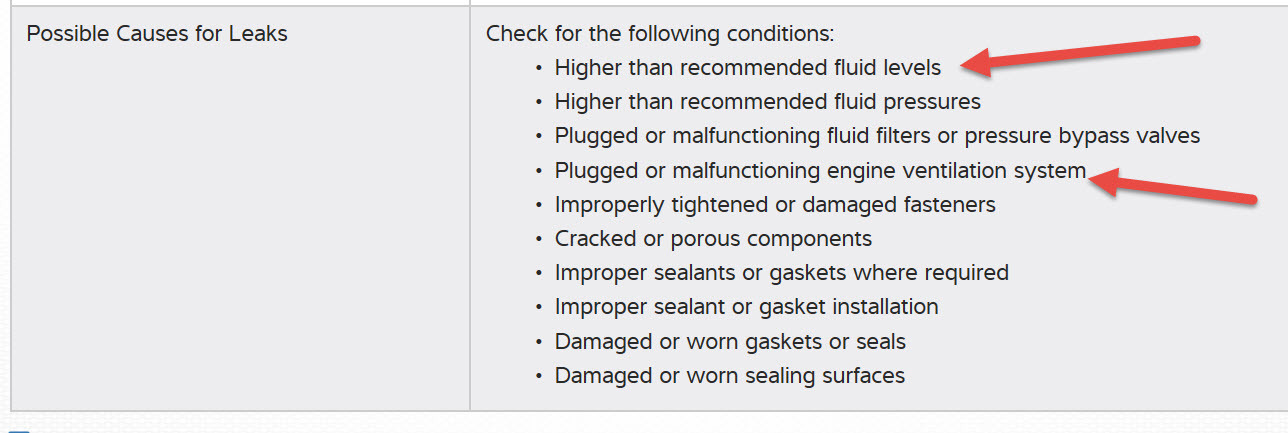
I had the car towed to a Chevrolet dealership with which I had a previous relationship. Upon inspection, they discovered that the crankcase had been filled with approximately 12 quarts of motor oil – which was far in excess of the 5.5 quarts that are recommended for the crankcase of my make, year, and model vehicle. They also observed a hole that was made when one of the engine components penetrated and exited the sidewall of the engine during the catastrophic failure.
My last oil change -- performed by a reputable, national brand -- occurred about 18 days prior to the issue. I had not accessed the hood or crankcase after the oil change, because I entrust that the professionals have properly done their job. I managed to drive 1,600 miles prior to the catastrophic failure -- almost entirely consisting of short-haul, around town hops -- prior to the lengthy, 800-mile sojourn from Greensboro, North Carolina to Southeast Florida. It is worth noting that the longer trip was split into chunks of no longer than 2.5 to 3 hours between stops -- though the last leg, driven in 98-degree temps, lasted about four hours prior to the engine failure.
As part of their analysis, Chevrolet noted that with a car of my age, it is surprising -- but not unexpected -- that the catastrophic failure would take time to build – the pressure situation, as it built, would take the path of least resistance to manifest itself. Upon inspection, the Chevrolet maintenance team noted several gasket leaks where oil had emerged as the pressure built -- notable, as no previous oil leaks have ever been observed from this car. Finally, with no other relief from the building pressure, the catastrophic eruption led to the ejection of a rod through the engine sidewall and an immediate and complete shutdown of the engine block.
The company performing the oil change sent an inspector to observe the vehicle, and to examine the evidence (both physical and testimonial). They ultimately decided to reject the claim -- not on the basis that they didn't believe that the oil was overfilled, but that there was NO WAY that the car could possibly have traveled 1,600 miles without experiencing the failure.
This is why I am posting this question on several forums -- consider this a "focus group" of sorts -- to try and either support the claim (backed in reality) that the car could have traveled as far as it did with its engorged condition; or agree that the inspector had the correct perspective.
I appreciate your feedback and look forward to a detailed response.
We used our momentum to move to the right and then to the right-hand emergency pull-off lane on the Turnpike, on a portion that did not have a shoulder. Once I determined that I could safely exit the vehicle, I assessed that the issue was not related to a tire rupture, but saw a small pond of clear motor oil – about 1-2 cups, ultimately – form next to the car.
I had the car towed to a Chevrolet dealership with which I had a previous relationship. Upon inspection, they discovered that the crankcase had been filled with approximately 12 quarts of motor oil – which was far in excess of the 5.5 quarts that are recommended for the crankcase of my make, year, and model vehicle. They also observed a hole that was made when one of the engine components penetrated and exited the sidewall of the engine during the catastrophic failure.
My last oil change -- performed by a reputable, national brand -- occurred about 18 days prior to the issue. I had not accessed the hood or crankcase after the oil change, because I entrust that the professionals have properly done their job. I managed to drive 1,600 miles prior to the catastrophic failure -- almost entirely consisting of short-haul, around town hops -- prior to the lengthy, 800-mile sojourn from Greensboro, North Carolina to Southeast Florida. It is worth noting that the longer trip was split into chunks of no longer than 2.5 to 3 hours between stops -- though the last leg, driven in 98-degree temps, lasted about four hours prior to the engine failure.
As part of their analysis, Chevrolet noted that with a car of my age, it is surprising -- but not unexpected -- that the catastrophic failure would take time to build – the pressure situation, as it built, would take the path of least resistance to manifest itself. Upon inspection, the Chevrolet maintenance team noted several gasket leaks where oil had emerged as the pressure built -- notable, as no previous oil leaks have ever been observed from this car. Finally, with no other relief from the building pressure, the catastrophic eruption led to the ejection of a rod through the engine sidewall and an immediate and complete shutdown of the engine block.
The company performing the oil change sent an inspector to observe the vehicle, and to examine the evidence (both physical and testimonial). They ultimately decided to reject the claim -- not on the basis that they didn't believe that the oil was overfilled, but that there was NO WAY that the car could possibly have traveled 1,600 miles without experiencing the failure.
This is why I am posting this question on several forums -- consider this a "focus group" of sorts -- to try and either support the claim (backed in reality) that the car could have traveled as far as it did with its engorged condition; or agree that the inspector had the correct perspective.
I appreciate your feedback and look forward to a detailed response.
Aug 11, 2015 at 7:32 AM