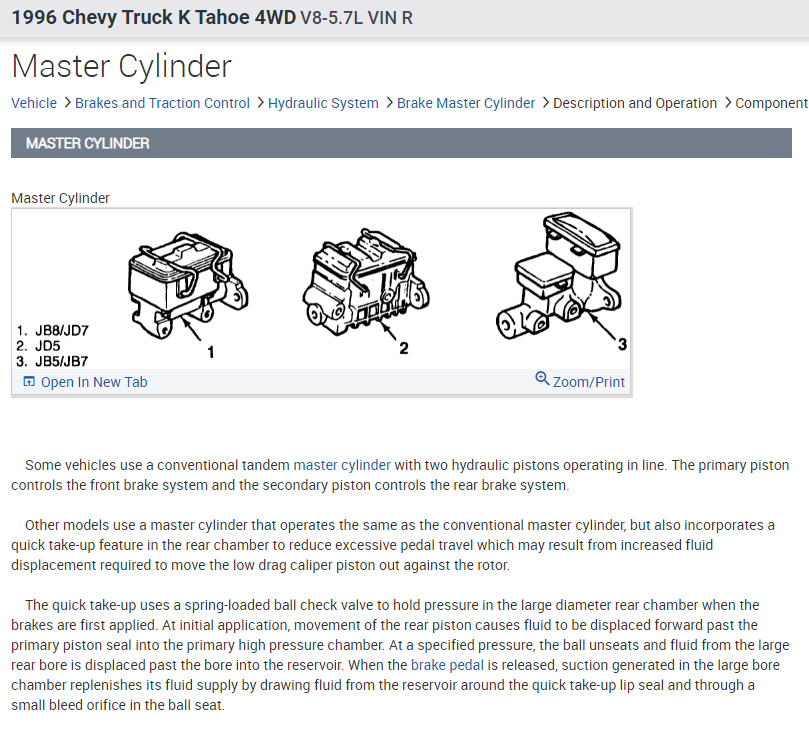
Absolutely correct. Master cylinders for drum brakes have a "residual check valve" in the port where the steel line is attached That valve maintains 10 pounds of fluid pressure on the wheel cylinders to prevent the rubber lip seals from falling down, (unlikely to happen as there's a spring in there for that), and to prevent the entry of air when barometric pressure goes up overnight. That would, in effect, put the hydraulic system into a vacuum and pull air in past the lip seals.
The shoe return springs are unaffected by that 10 psi of fluid pressure. They're very much stronger and will easily return the shoes to the anchor pins. That's not the case with disc brakes. There can't be any pressure held in their hydraulic systems as that will cause them to drag and overheat.
If it will help, there's a link to an article on replacing the master cylinder:
https://www.2carpros.com/articles/how-to-replace-a-brake-master-cylinder
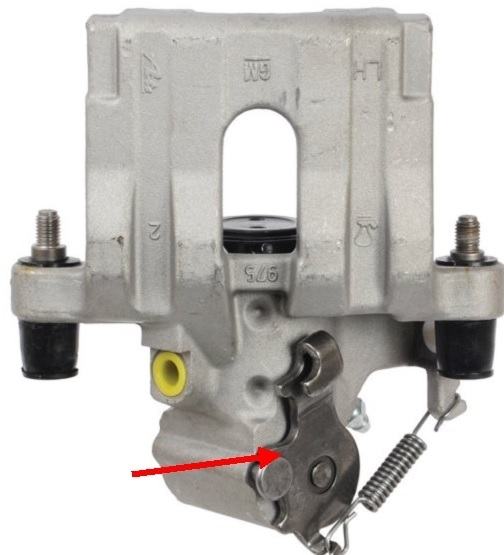
Your vehicle wasn't available with rear disc brakes from the factory, but there are aftermarket kits. If they used GM parts from another model, most of them had the parking brake built into the calipers. If that is the case, you'll see a lever on the back of each caliper. Unlike front calipers that are always self-adjusting, GM's rear design has to be adjusted by applying the parking brake. If that is not done, you'll have a low brake pedal. If the parking brake cables are rusted tight, you can do the same adjustment by using a large Channel Lock pliers to work each lever by hand a few times. That will run the pistons out until they adjust.
Also be aware with this design, the pistons have to be manually filled with brake fluid before they're installed. If that isn't done, air will be trapped in the pistons and you'll have a low, soft brake pedal. Once installed, there's no way to bleed that air out.
None of this applies if you have the rear caliper that uses a smaller internal drum brake inside the rotor for the parking brake. With that design, you won't have that lever on the back of the caliper, and you treat them the same as any standard front caliper.
I serviced a lot of vehicles with the parking brake calipers, but after searching for a photo to show you, it appears they weren't as widely-used as I remember. This photo is for a 2010 Cobalt, but it's of a similar design.
Sep 13, 2021 at 7:00 PM