Hi,
A small amount of water is normal at startup. It is caused by condensation in the exhaust. However, it should not be constant. I'm going to add a link that explains how to check for a head gasket issue. Take a look through this link:
https://www.2carpros.com/articles/head-gasket-blown-test
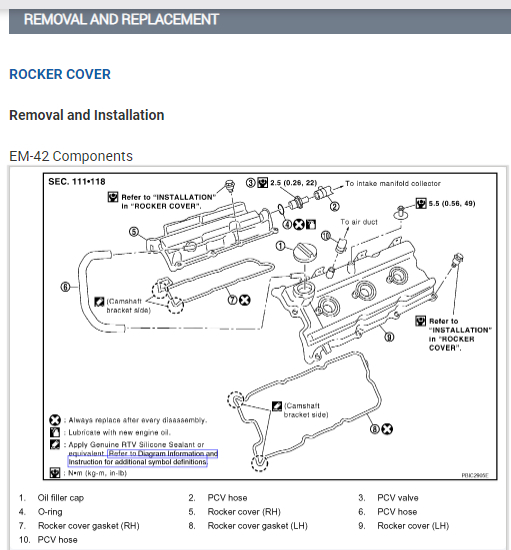
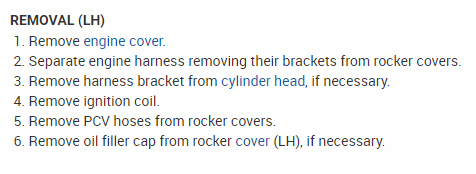
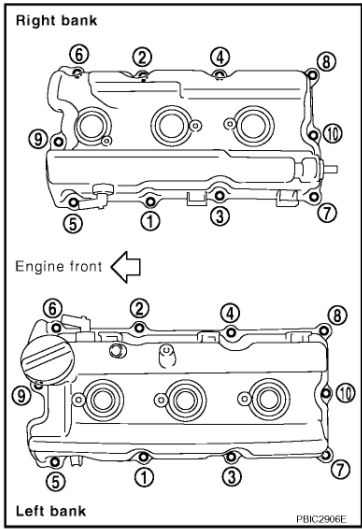
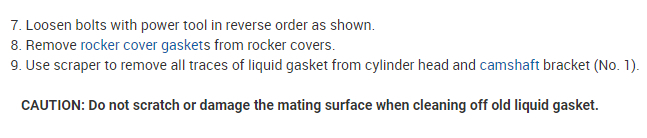
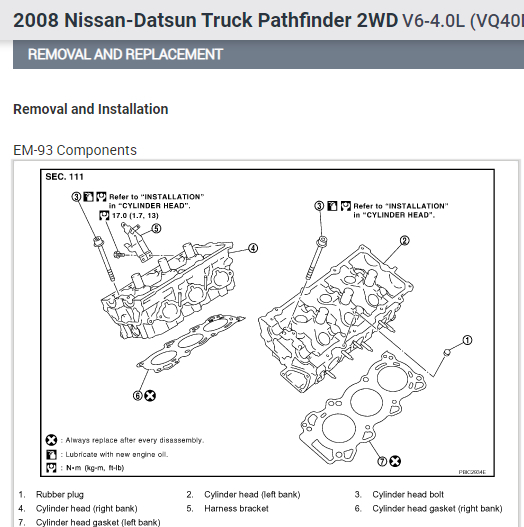
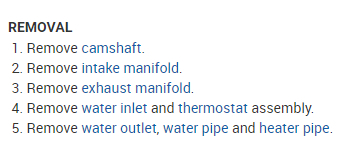
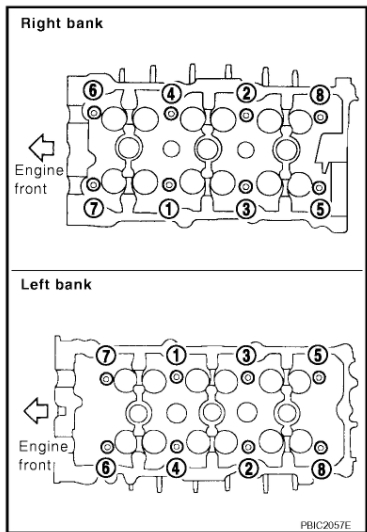
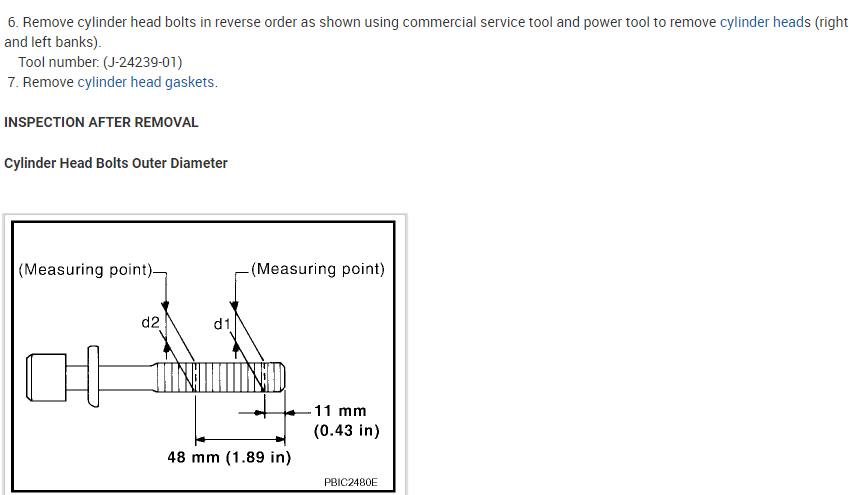
Here are the directions for the removal and replacement of the cylinder heads for gasket replacement. The attached pics correlate with these directions. Note that there is no listing for a 3.3L These directions are specific to a 3.0L V6.
______________________________________________________
1995 Nissan-Datsun Truck D21 Hardbody 2WD V6-2960cc 3.0L SOHC MFI (VG30E)
Removal
Vehicle Engine, Cooling and Exhaust Engine Cylinder Head Assembly Service and Repair Procedures Removal
REMOVAL
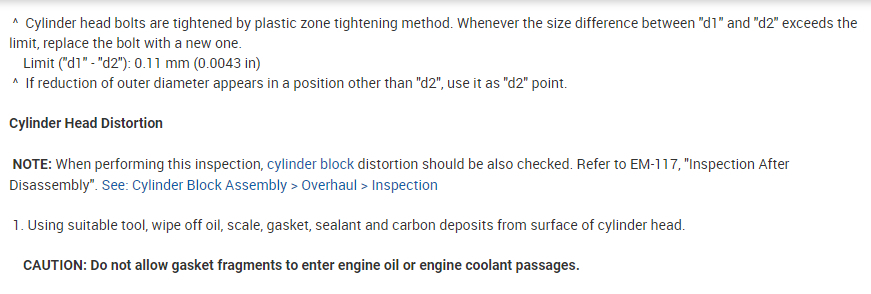
pic 1
1. Release fuel pressure. Disconnect negative battery cable.
2. Remove timing belt.
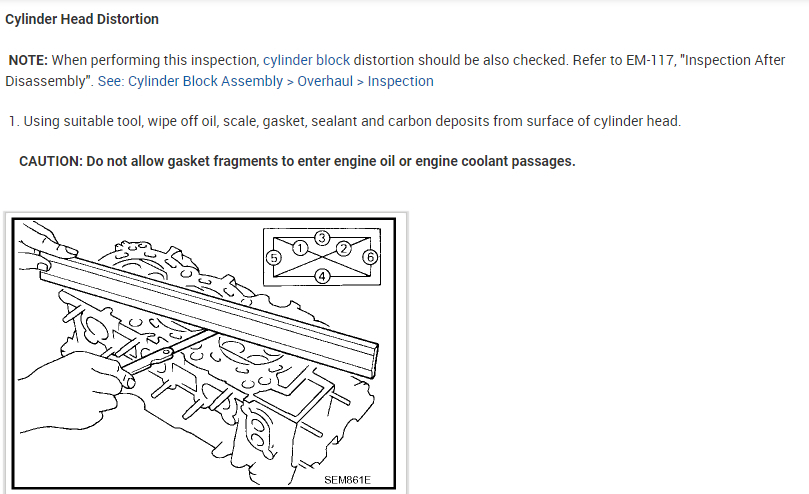
pic 2
pic 3
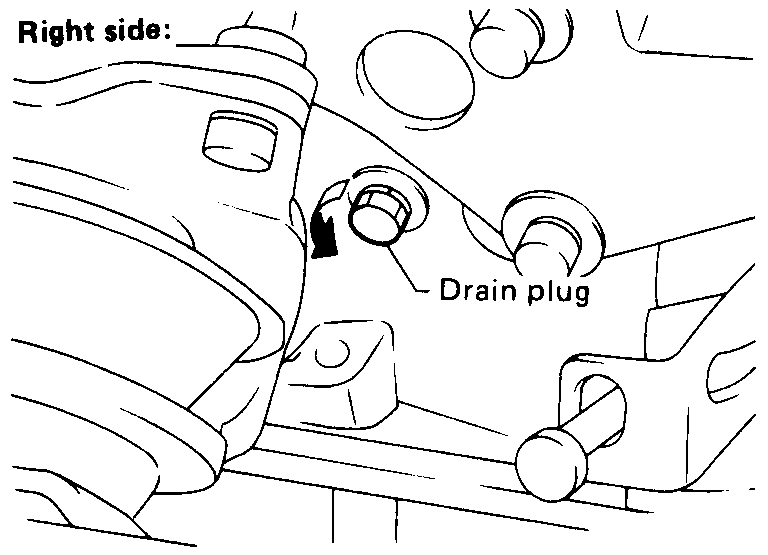
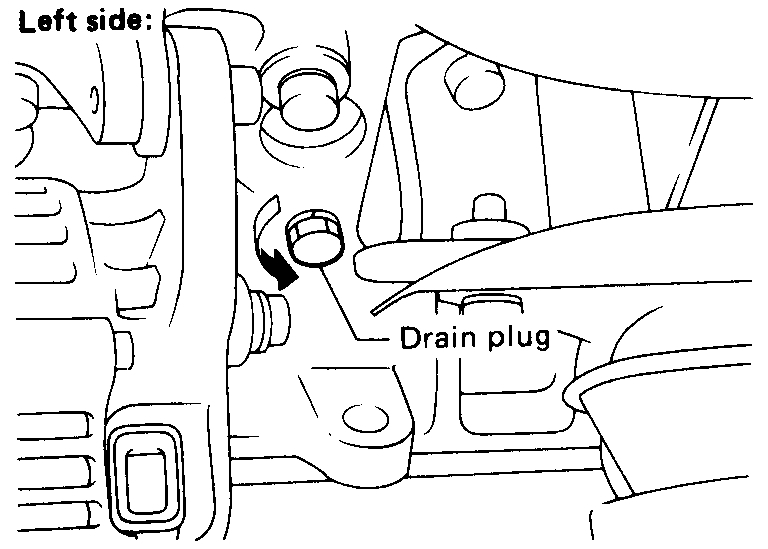
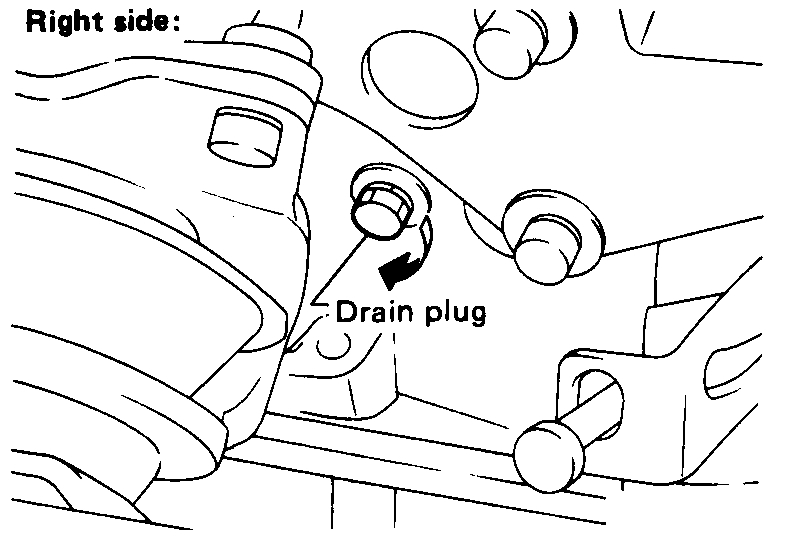
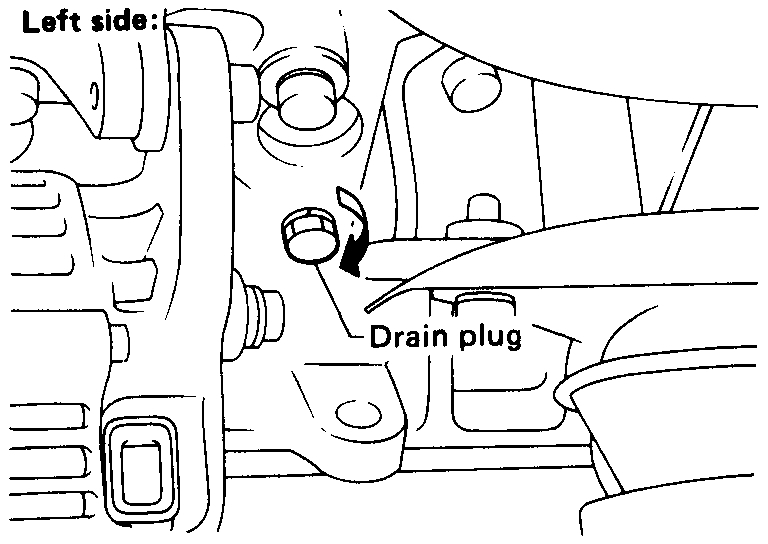
3. Drain coolant by removing drain plugs from both sides of cylinder block.
pic 4
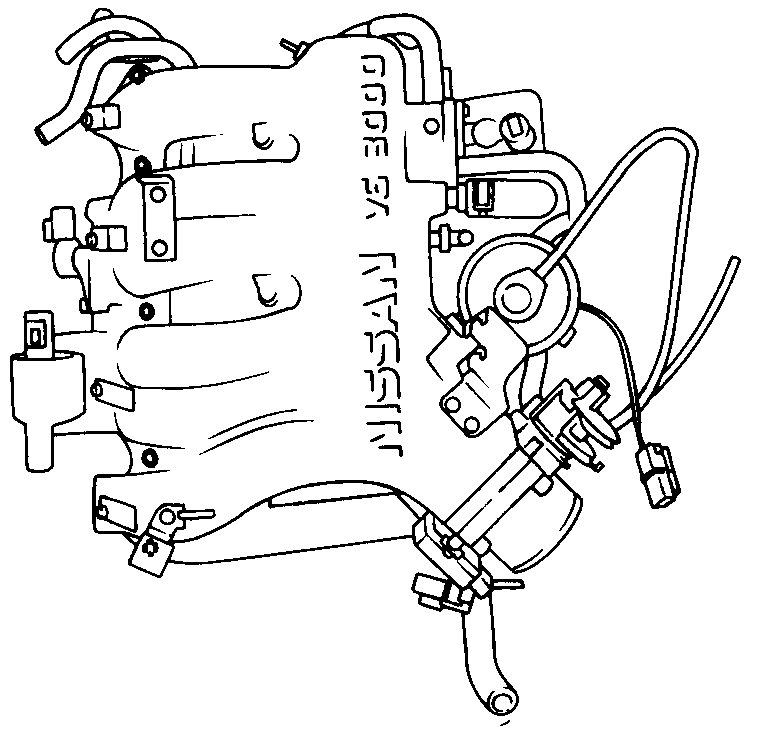
4. Separate the ASCD and accelerator cables from the intake manifold collector.
5. Disconnect the following connectors:
^ AAC valve
^ Throttle sensor and throttle valve switch
^ ignition coil
^ Power transistor
^ EGR control solenoid valve
^ Air regulator
^ EGR temperature sensor (California models only)
6. Disconnect the water hoses from the collector, the heater hoses, and the PCV hose from the RH valve cover.
7. Disconnect the vacuum hoses for the canister, master cylinder, and fuel pressure regulator.
8. Disconnect the purge hose from the canister.
9. Disconnect the EGR tube, ground harness, and air duct hose.
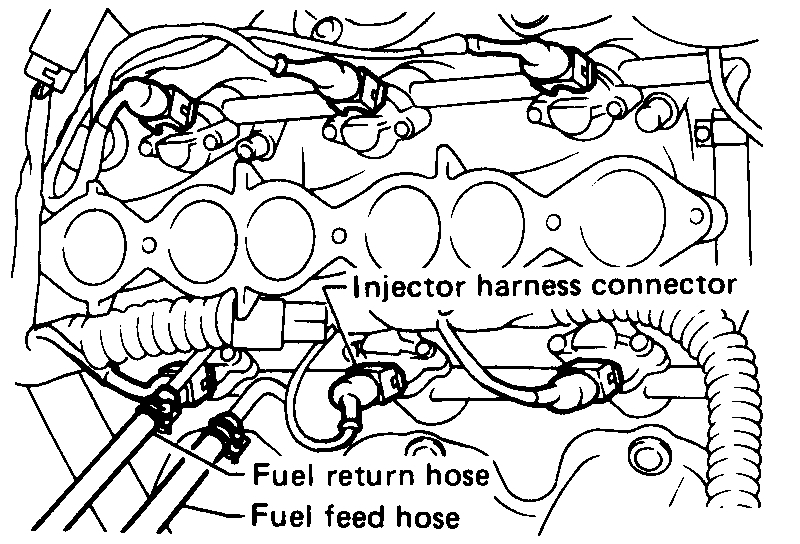
10. Remove the fuel feed and fuel return hoses from the injector fuel rail.
pic 5
11. Disconnect all the injector harness connectors.
12. Remove the fuel rail assembly.
13. Disconnect the Engine temperature switch connector, Thermal transmitter harness connector, and the water hose from the thermostat housing.
pic 6
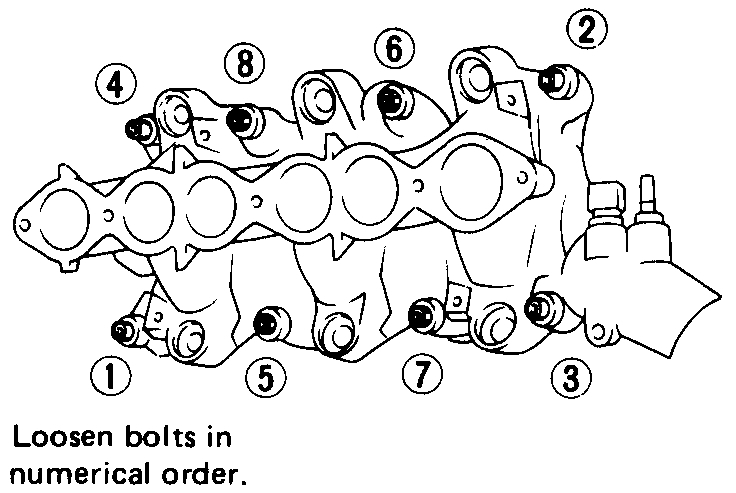
14. Loosen the intake manifold bolts in the order shown above and remove the intake manifold.
pic 7
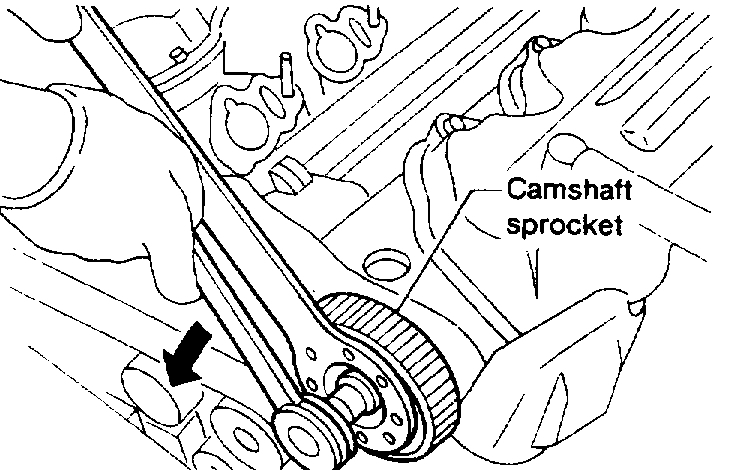
15. Remove both camshaft sprockets.
pic 8
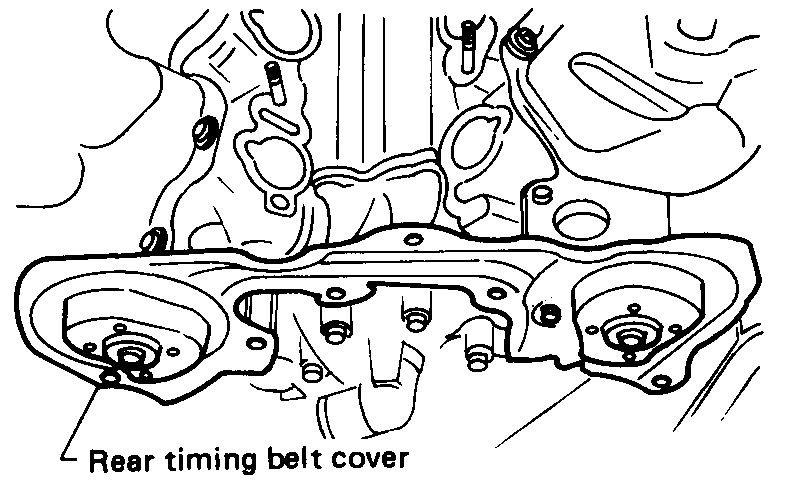
16. Remove rear timing belt cover, distributor, and ignition wires.
Note:Do not rotate distributor rotor after removing the distributor from the engine.
17. Remove the harness clamp from the RH valve cover.
18. Remove the front exhaust tube from the exhaust manifold.
pic 9
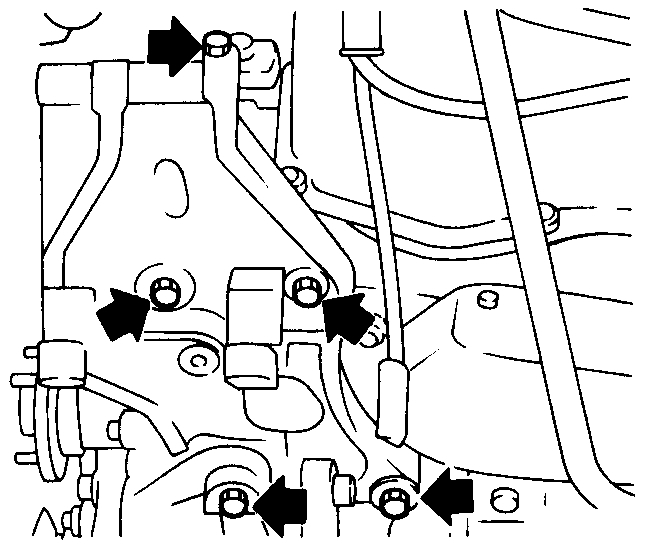
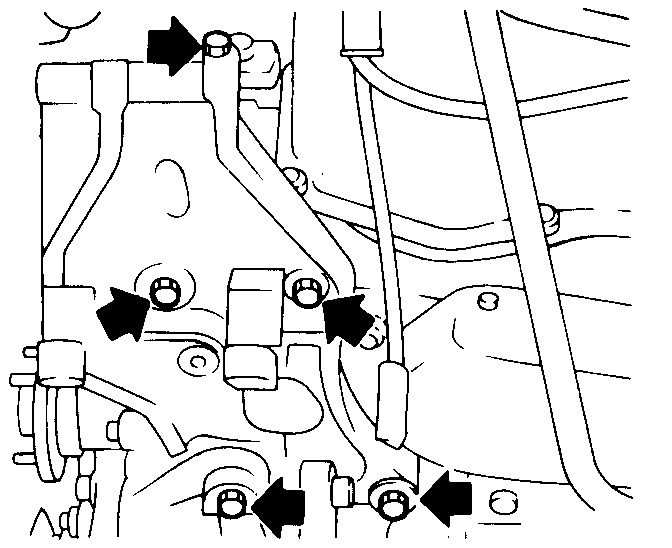
19. Remove the compressor and alternator. Remove the compressor and alternator brackets.
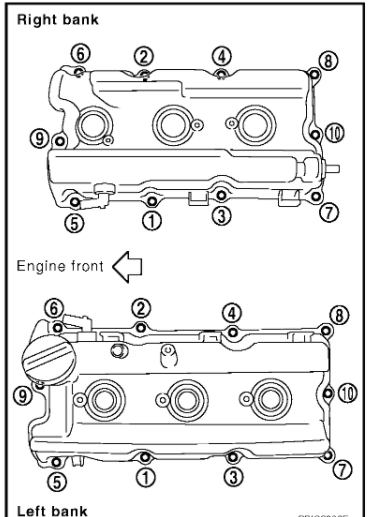
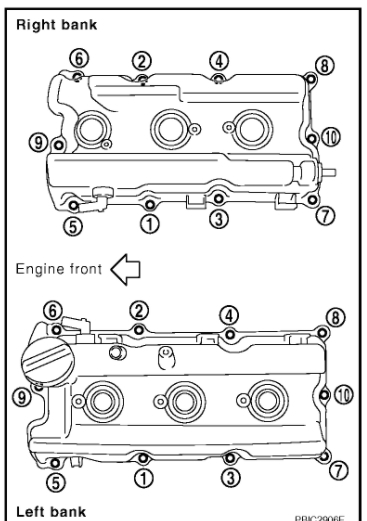
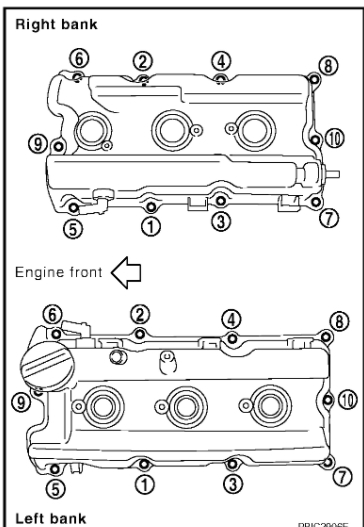
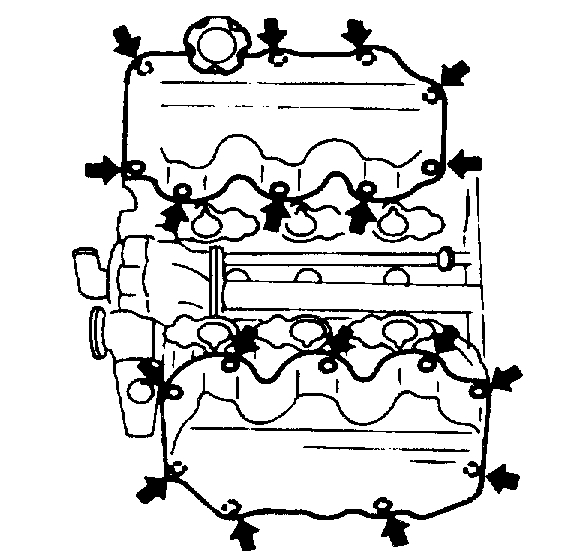
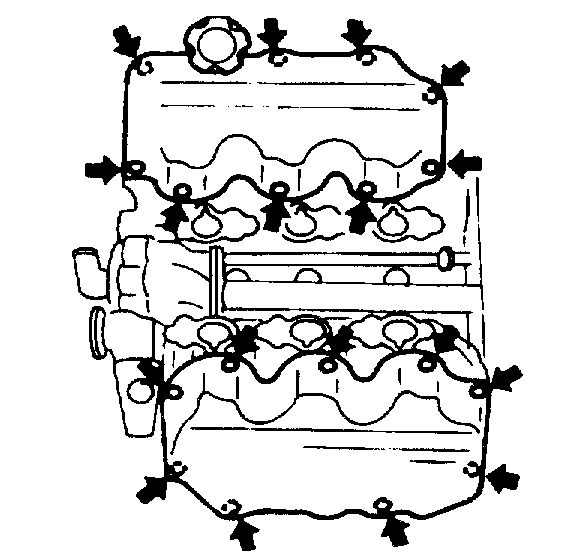
Rocker Arm Cover Assembly Sequence
pic 10
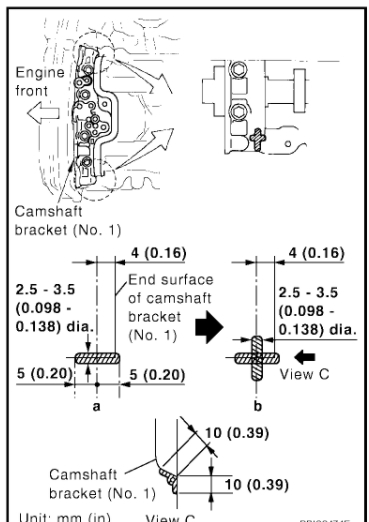
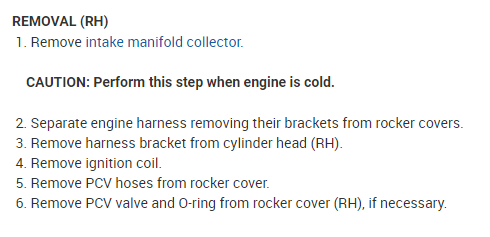
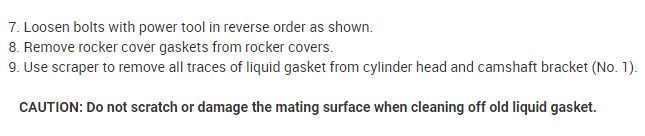
20. Remove both valve covers.
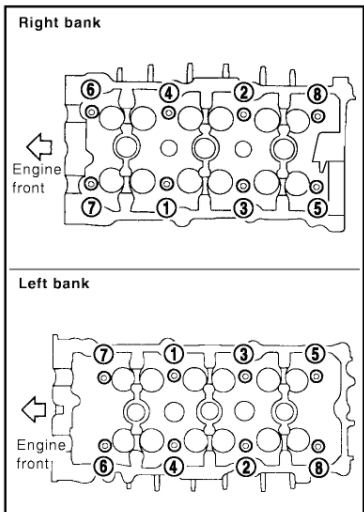
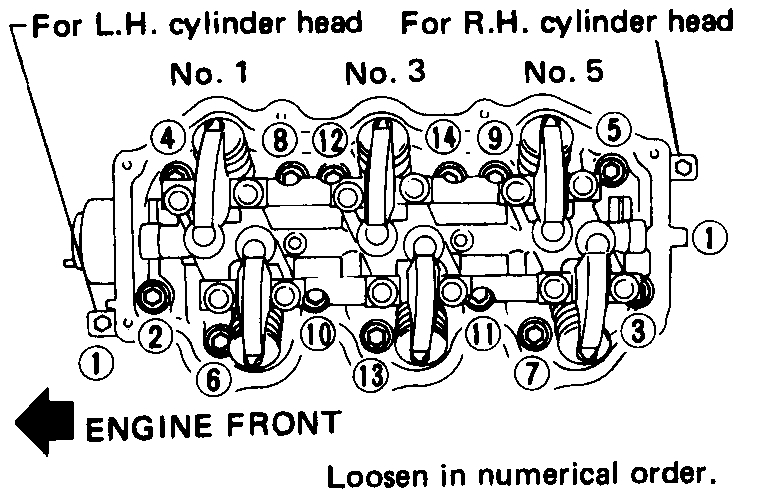
pic 11
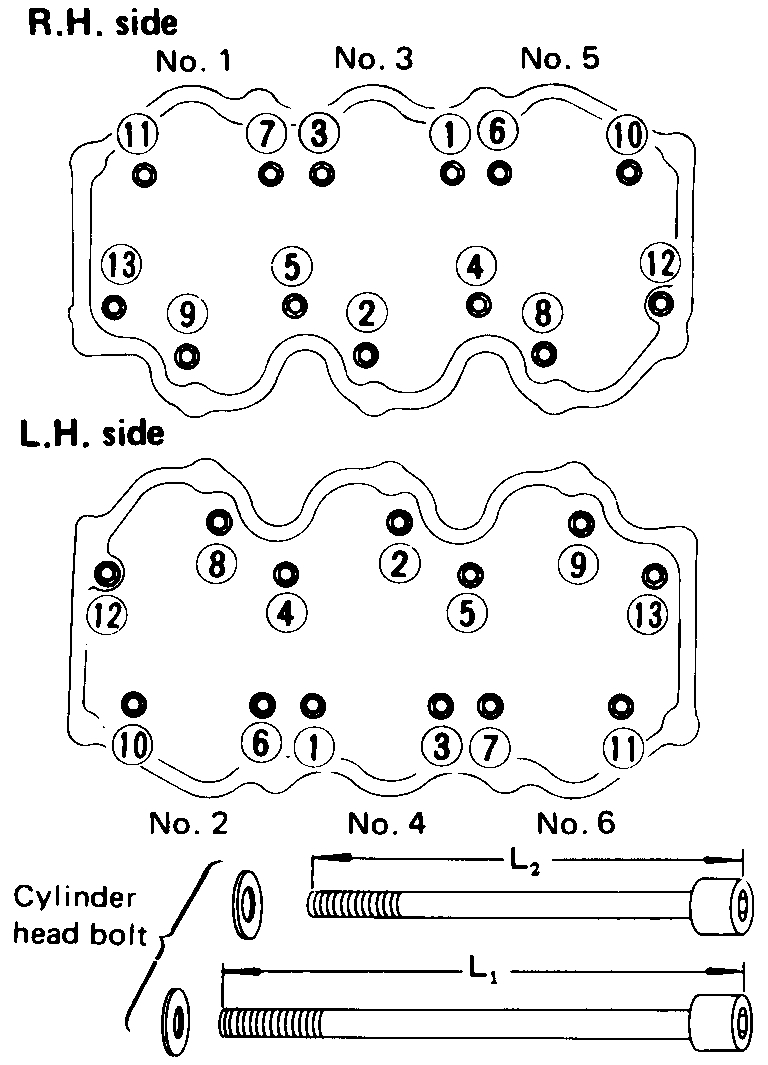
21. In the exact order as shown above, remove the head bolts in 2 to 3 steps. Remove the cylinder head together with the exhaust manifold.
__________________________
Install
1995 Nissan-Datsun Truck D21 Hardbody 2WD V6-2960cc 3.0L SOHC MFI (VG30E)
Installation
Vehicle Engine, Cooling and Exhaust Engine Cylinder Head Assembly Service and Repair Procedures Installation
INSTALLATION
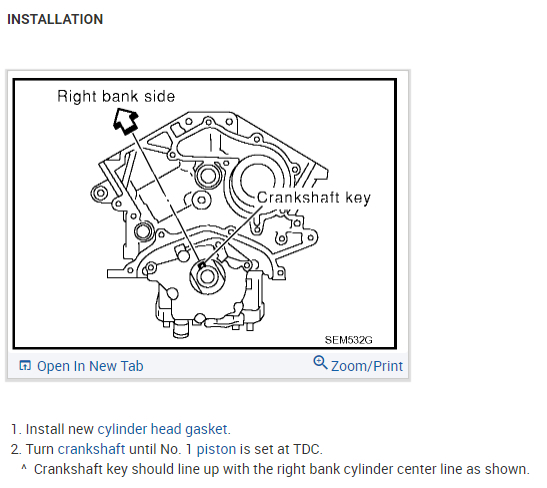
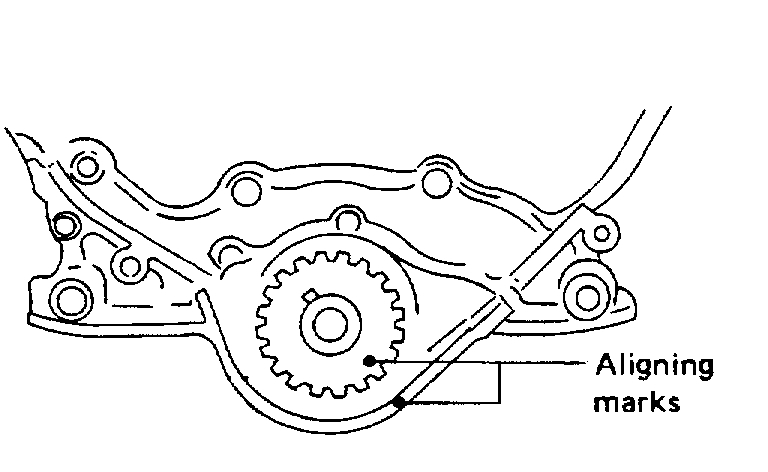
pic 12
1. Align crank sprocket alignment mark with mark on oil pump body as shown.
2. Confirm that knock pin on camshaft is set at the top.
pic 13
pic 14
3. Apply sealant to drain plug threads and install both drain plugs.
pic 15
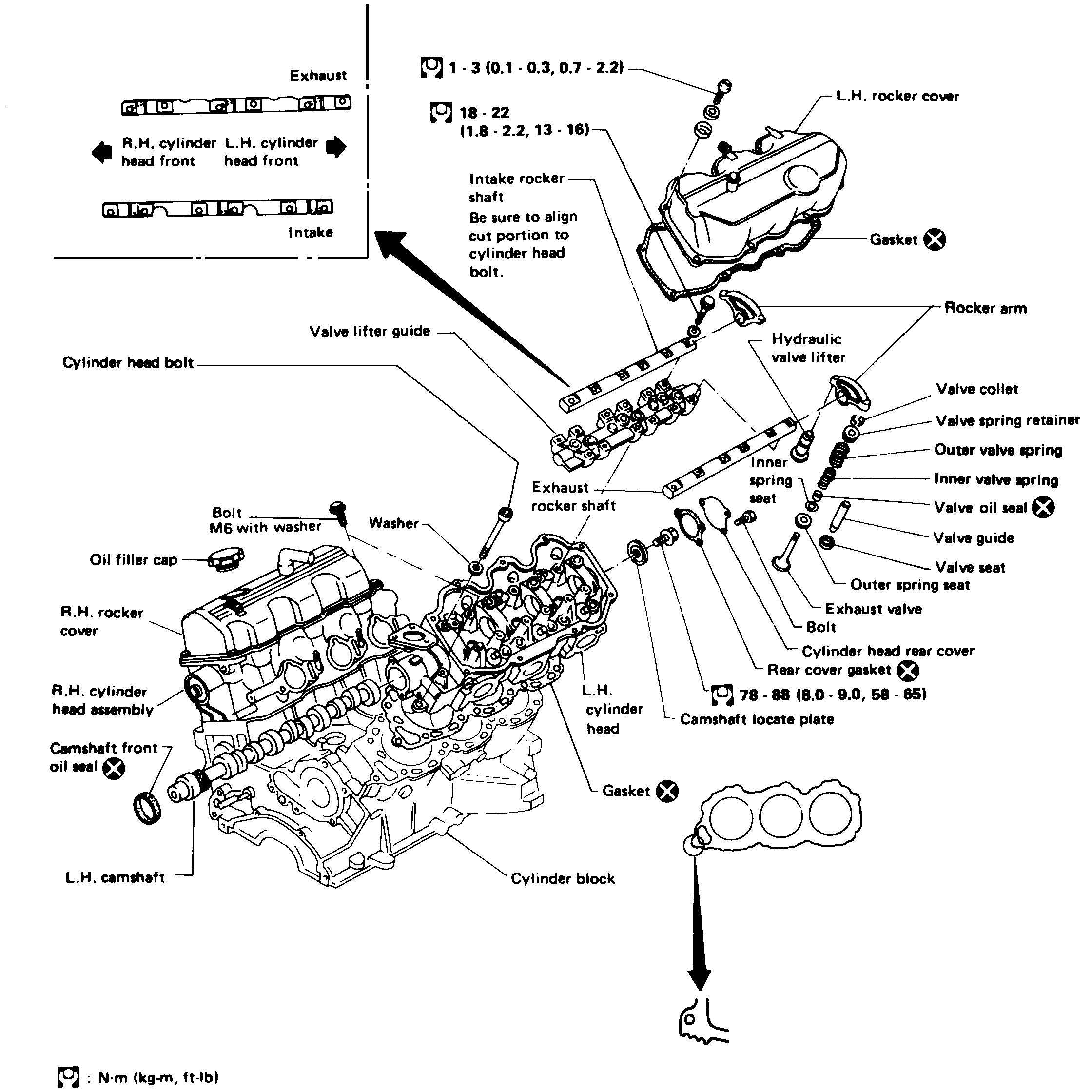
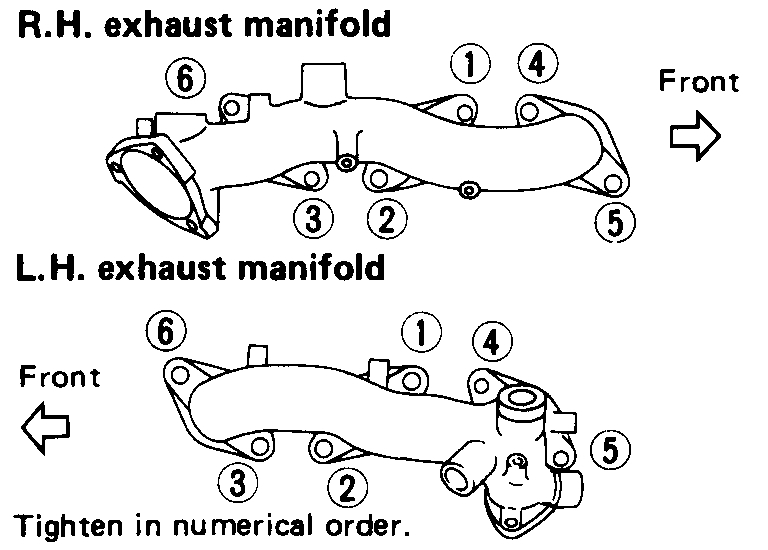
4. Install exhaust manifolds. In the order shown above, torque to 18 - 22 Nm (13 - 16 ft.lbs).
pic 16
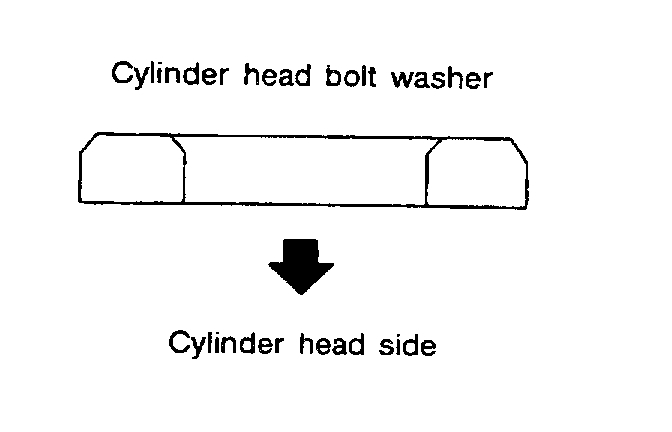
5. Using new gaskets, install cylinder heads. Install the washers as shown above between bolts and cylinder head.
pic 17
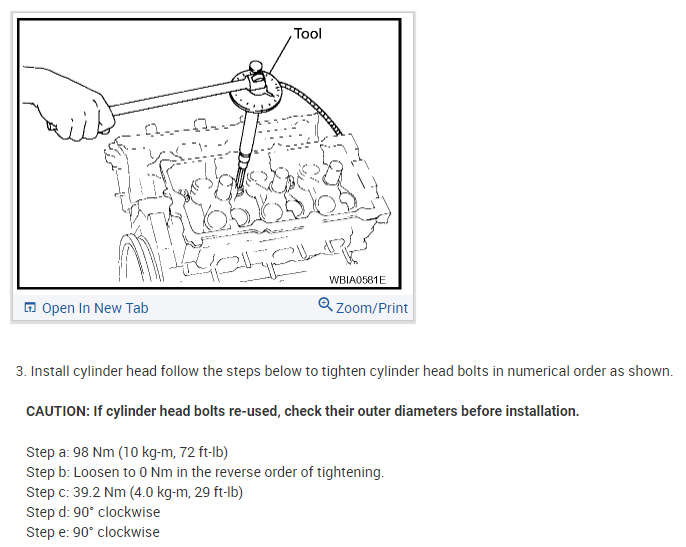
6. Torque head bolts in order shown above as follows:
^ Torque all bolts to 29 Nm (22 ft.lbs)
^ Torque all bolts to 59 Nm (43 ft.lbs)
^ Loosen all bolts completely
^ Torque all bolts to 29 Nm (22 ft.lbs)
^ Turn all bolts 60 - 65° clockwise. If an angle wrench is not available, torque all bolts to 54 to 64 Nm (40 - 47 ft.lbs).
Note:Bolts at positions 4, 5, 12 and 13 are longer than the others.
Rocker Arm Cover Assembly Sequence
pic 18
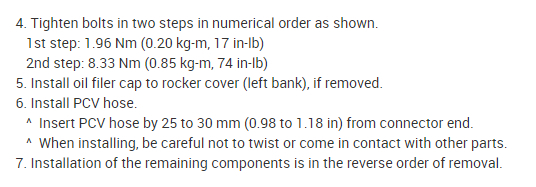
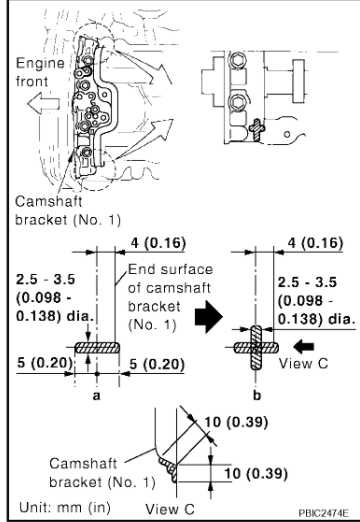
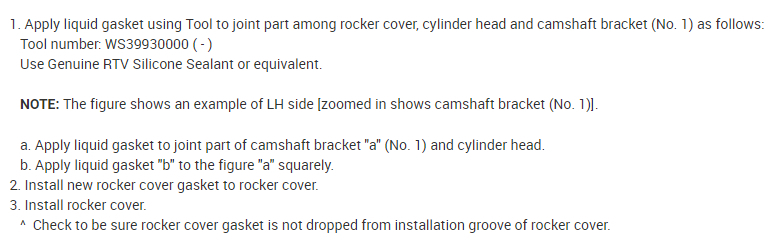
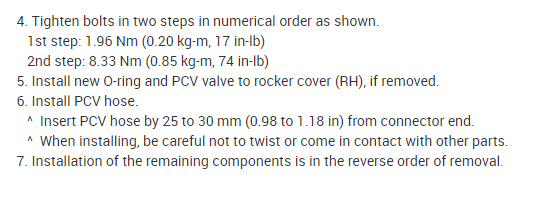
7. Install both valve covers.
pic 19
8. Install compressor and alternator brackets. Install compressor and alternator.
9. Install exhaust front tube to exhaust manifold.
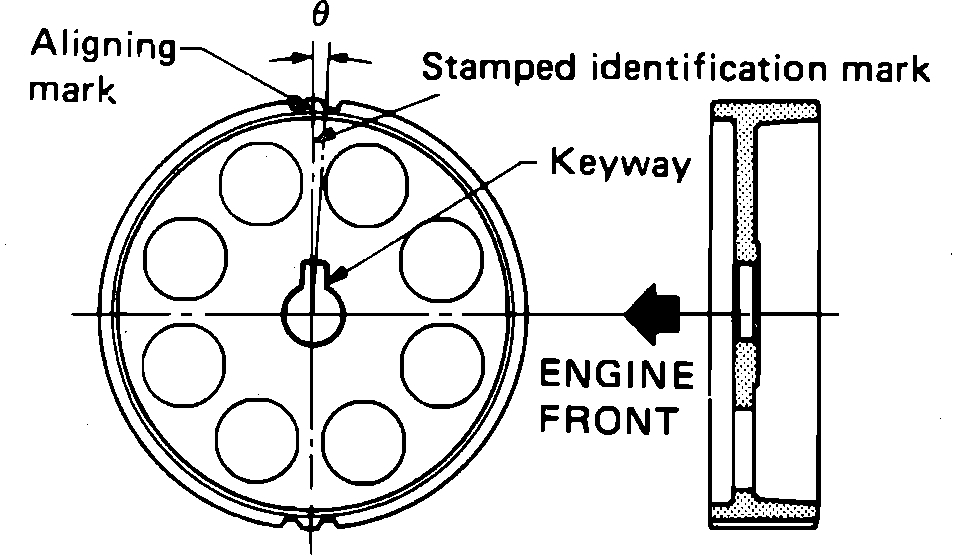
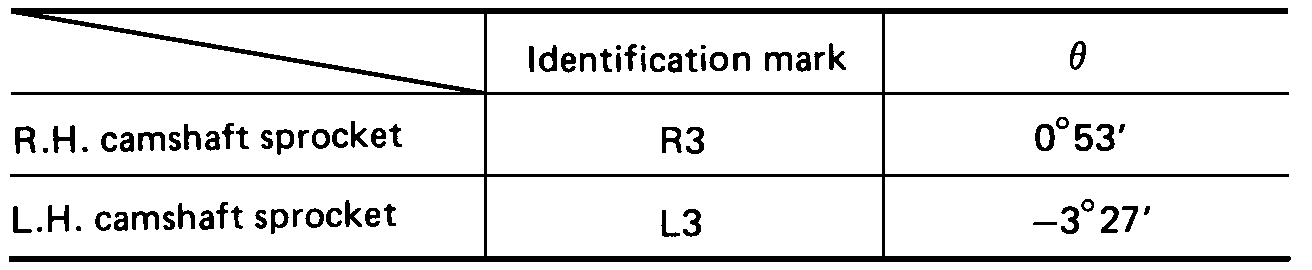
Fig. 9 Camshaft Pulley Identification
pic 20
pic 21
10. Install the rear belt cover and cam sprockets. The RH and LH cam sprockets are different parts, install them as shown.
11. Install timing belt and adjust tension as necessary.
pic 22
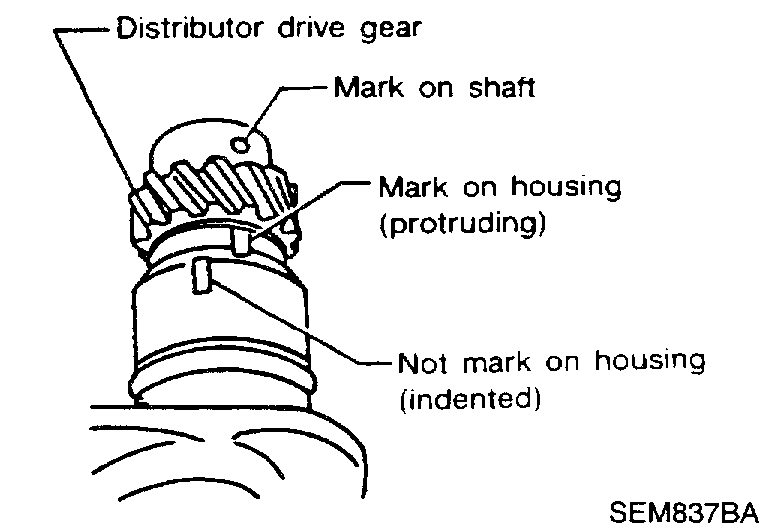
12. Align mark on shaft with protruding mark on housing as shown.
pic 23
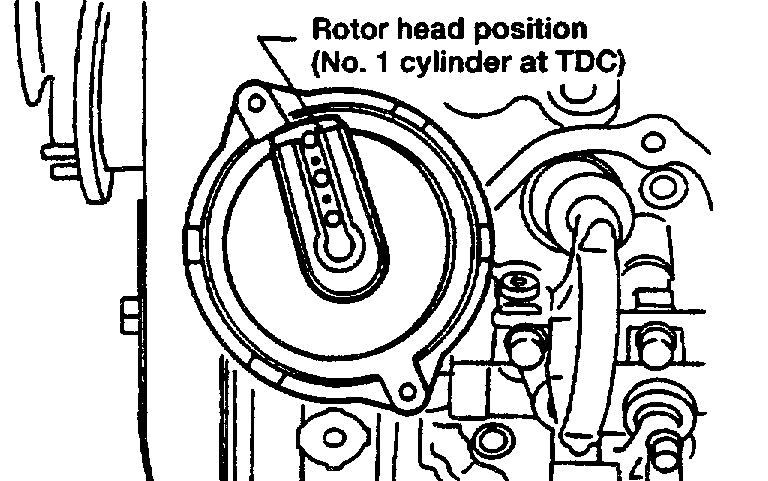
13. After installing, confirm that the distributor rotor head is set as shown above.
pic 24
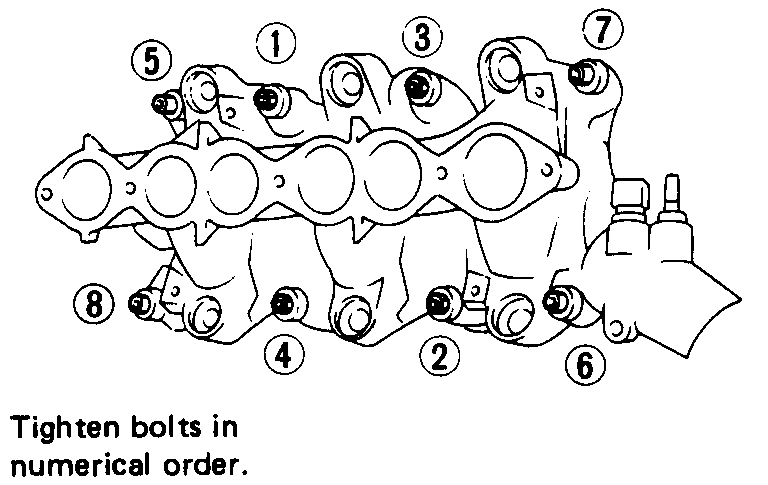
14. Using new gasket, install intake manifold. Torque bolts in sequence shown as follows:
^ Torque all bolts to 3 - 5 Nm (2.2 - 3.6 ft.lbs)
^ Torque all nuts to 3 - 5 Nm (2.2 - 3.6 ft.lbs)
^ Torque all bolts to 16 - 20 Nm (12 - 14 ft.lbs)
^ Torque all nuts to 24 - 27 Nm (17 - 20 ft.lbs)
^ Torque all bolts to 16 - 20 Nm (12 - 14 ft.lbs)
^ Torque all nuts to 24 - 27 Nm (127 - 20 ft.lbs)
15. Connect the water hose to the thermostat housing.
16. Connect the thermal transmitter harness connector and engine temperature switch harness connector.
17. Install the fuel rail assembly.
pic 25
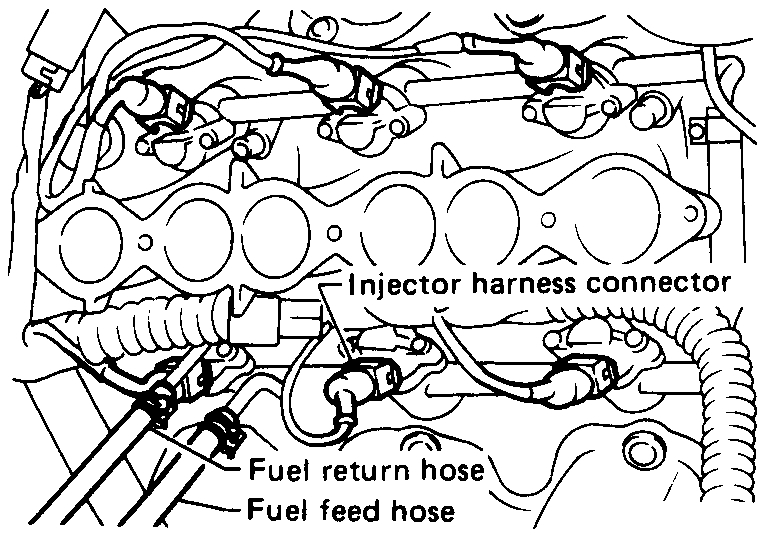
18. Connect all the injector connectors. Install the fuel feed and fuel return hoses to the fuel rail.
19. Install the intake manifold collector. Torque bolts to 4 - 5 Nm (2.9 - 3.6 ft.lbs).
20. Connect air duct hose, ground harness, EGR tube, and purge hose to canister.
21. Connect the vacuum hoses for the canister, master cylinder, and fuel pressure regulator.
22. Connect the PCV hose to the RH valve cover, heater hoses and water hoses to the collector.
23. Connect the following connectors:
^ EGR gas temperature sensor (California models only)
^ Air regulator
^ EGR control solenoid valve
^ Power transistor
^ Ignition coil
^ Throttle sensor and throttle valve switch
^ AAC valve
24. Install the ASCD and accelerator control cables.
25. Add coolant to system. Connect negative battery cable.
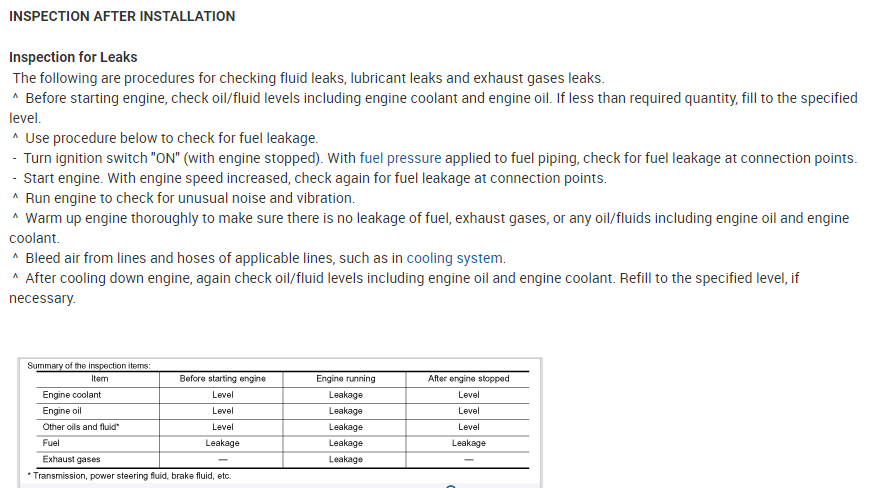
26. Start engine and check for leaks. Shut engine down and allow it to cool down.
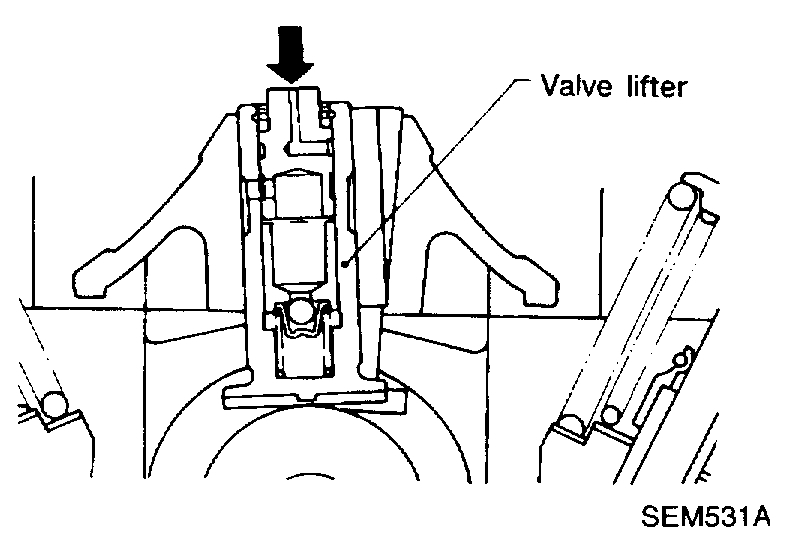
27. Remove valve covers and check lifters.
pic 26
28. Push the hydraulic lifter plunger forcefully with your finger with the rocker in the free position.
29. If the lifter moves more than 1mm (0.04 in.), it may have air inside.
30. Bleed off air by running engine at 1,000 rpm under no load for about 10 minutes.
31. If lifters are still noisy, replace them and repeat from step 25.
__________________________________
I hope this helps. Let me know if you have other questions.
Take care and God Bless,
Joe
Images (Click to enlarge)
Feb 24, 2021 at 11:47 AM
(Merged)