Oil leak from exhaust

2004 VOLVO S80
120,000 MILES • 2.5L • AUTOMATIC
Avatar
05ACURATL
  • MEMBER
  • 37 POSTS
The vehicle listed above has a Turbo. It's leaking enormous amount of oil from tailpipe. The car leaked all of the oil, so I poured about 5 quarts in it. It went through about one quart of oil in less than 2 minutes at idle. And went through the remaining 4 quarts in less than 30 seconds at about 1,500 RPMs. Is this a Turbo problem or can it also be something else? and if it's a Turbo problem, which part of the Turbo would need to be changed (i.e: the turbo itself, the return line, etc...)?
Mar 20, 2021 at 8:19 AM

Advertisement
Avatar
KASEKENNY
  • CERTIFIED EXPERT
  • 18,907 POSTS
Unfortunately this means the entire turbo needs to be replaced or rebuilt. There is a seal inside the turbo that keeps the oil, that is needed to lubricate the bearings and keep it cool, separate from the rest of the system. When this seal fails, it allows the oil into the exhaust like you are seeing.

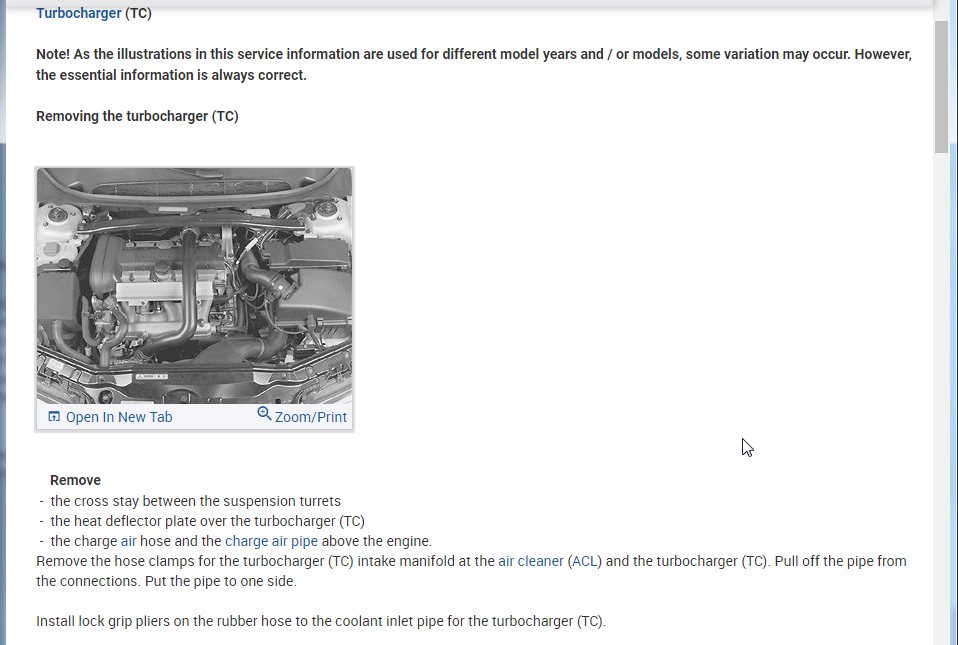
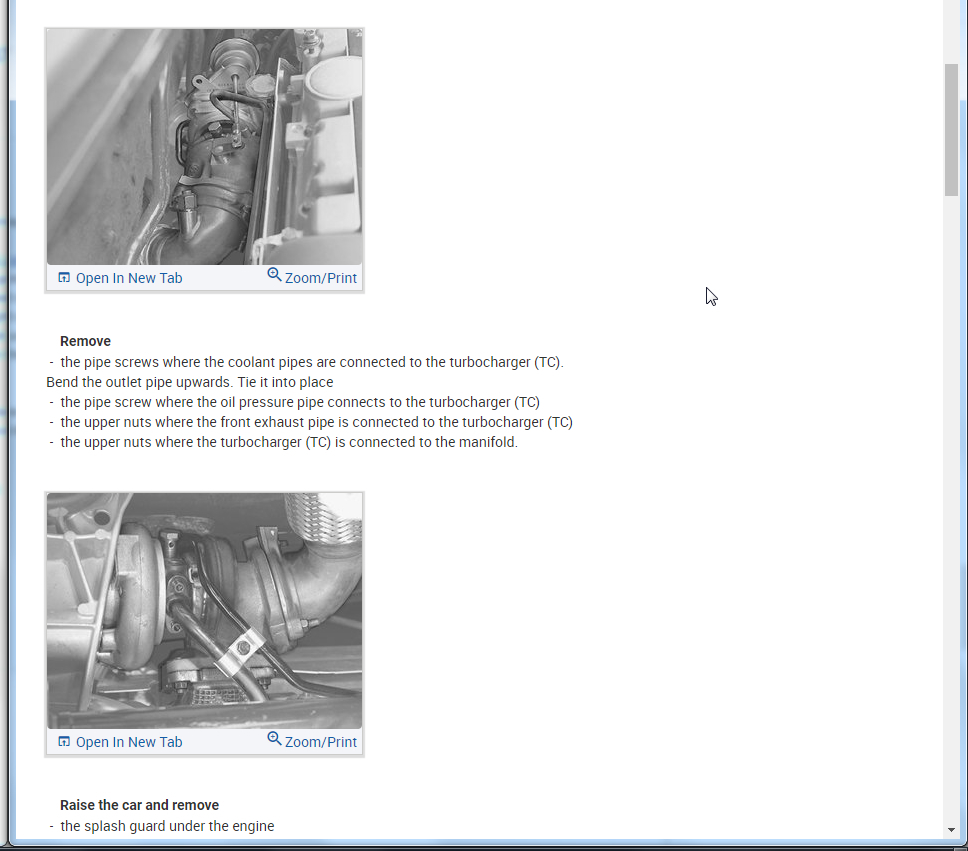
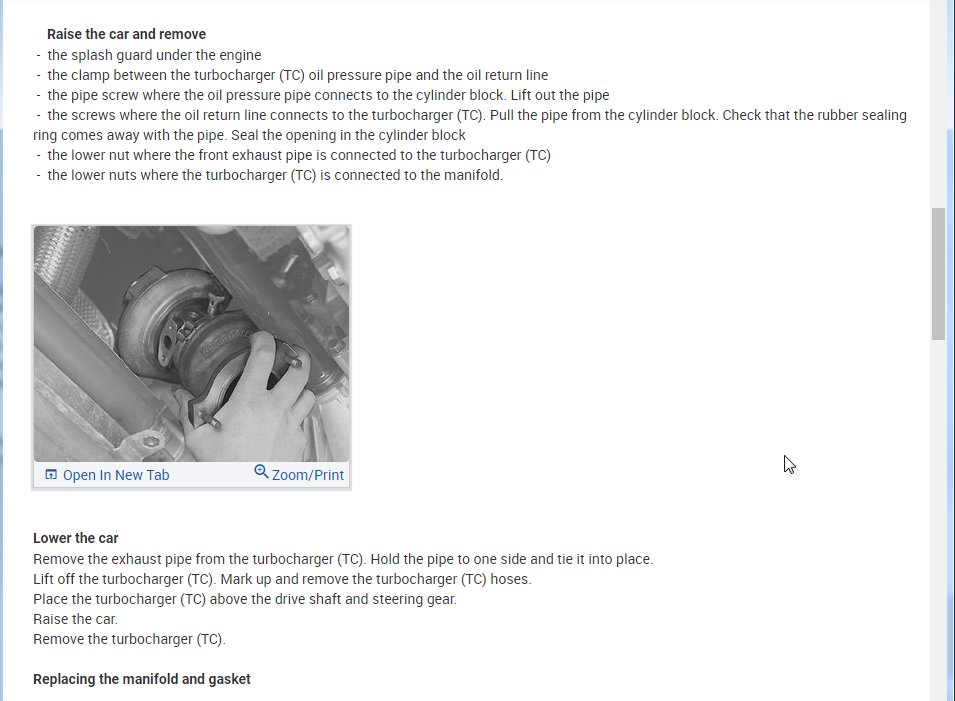
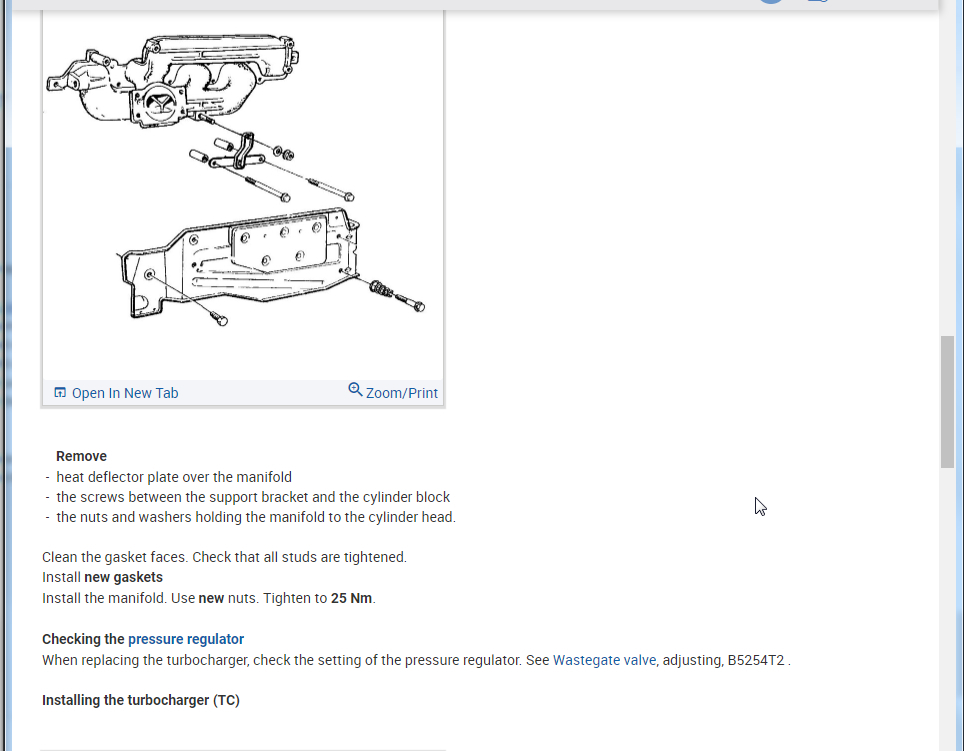
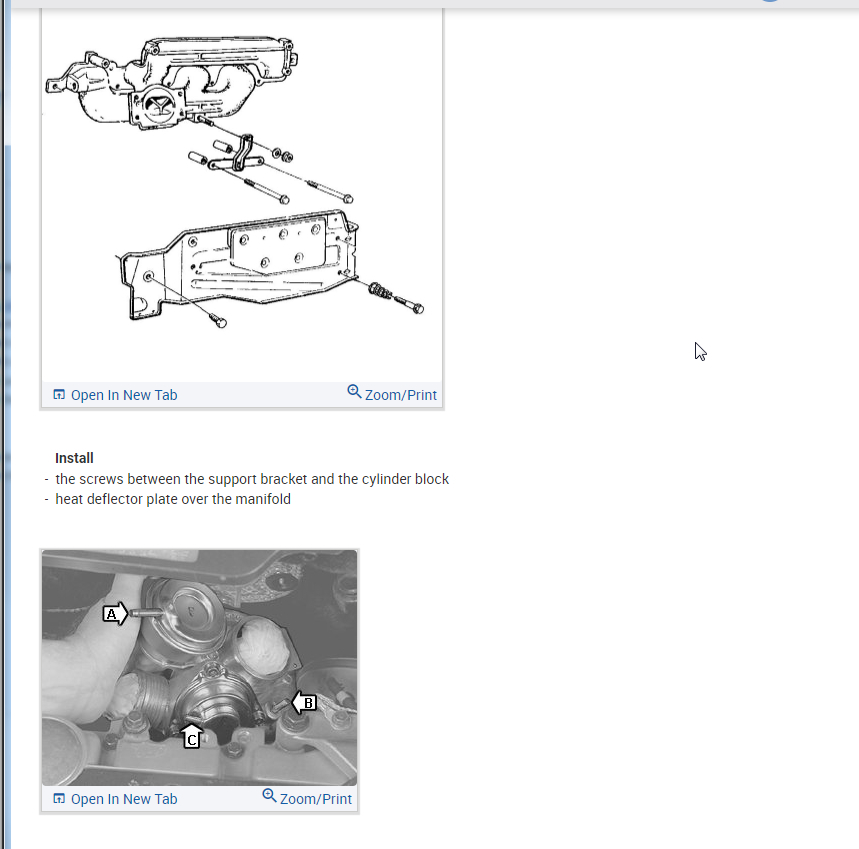
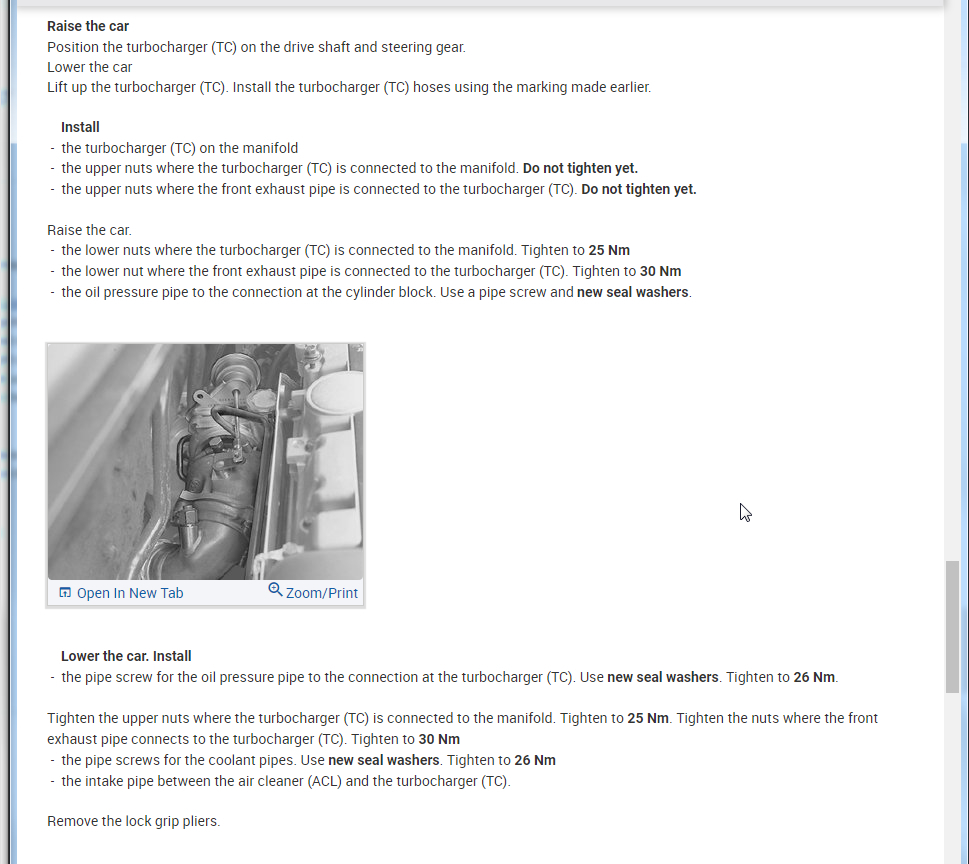
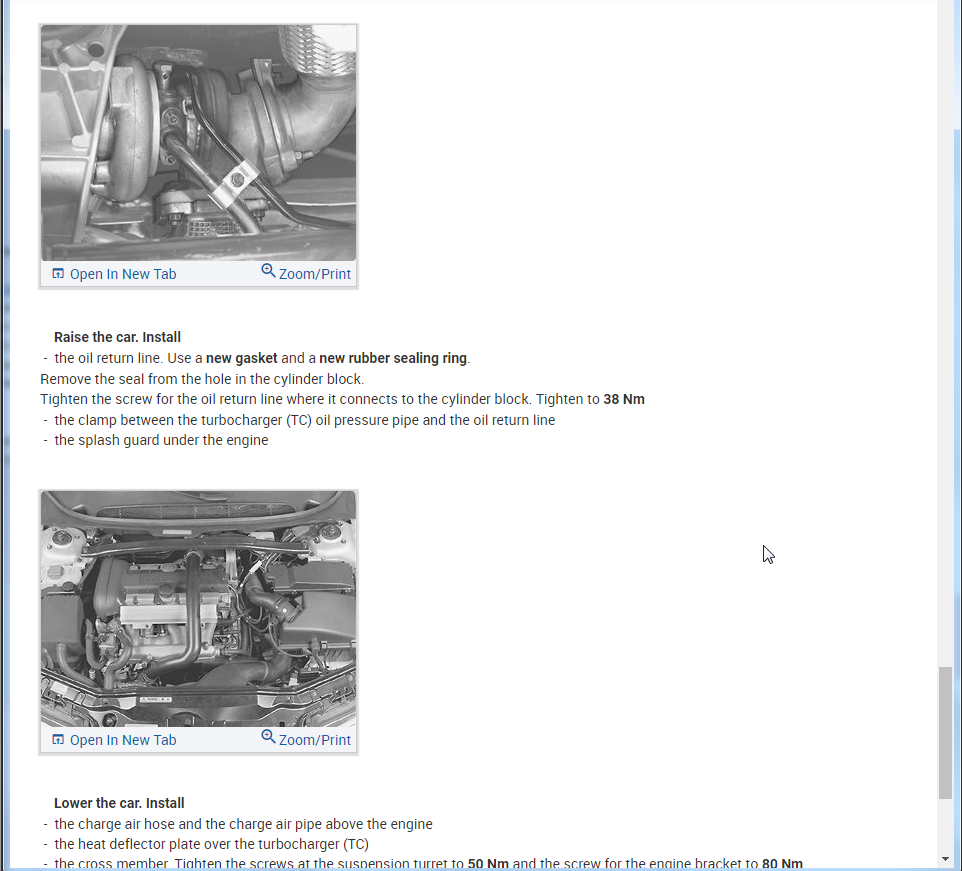
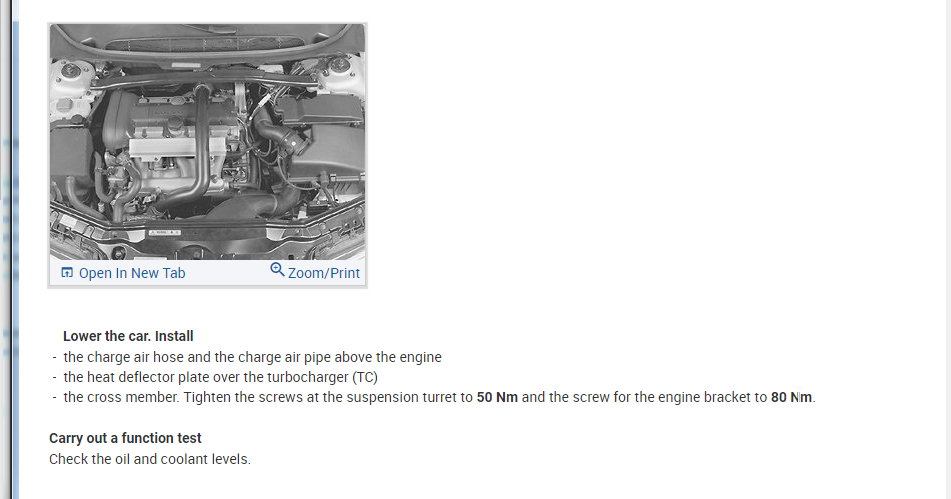
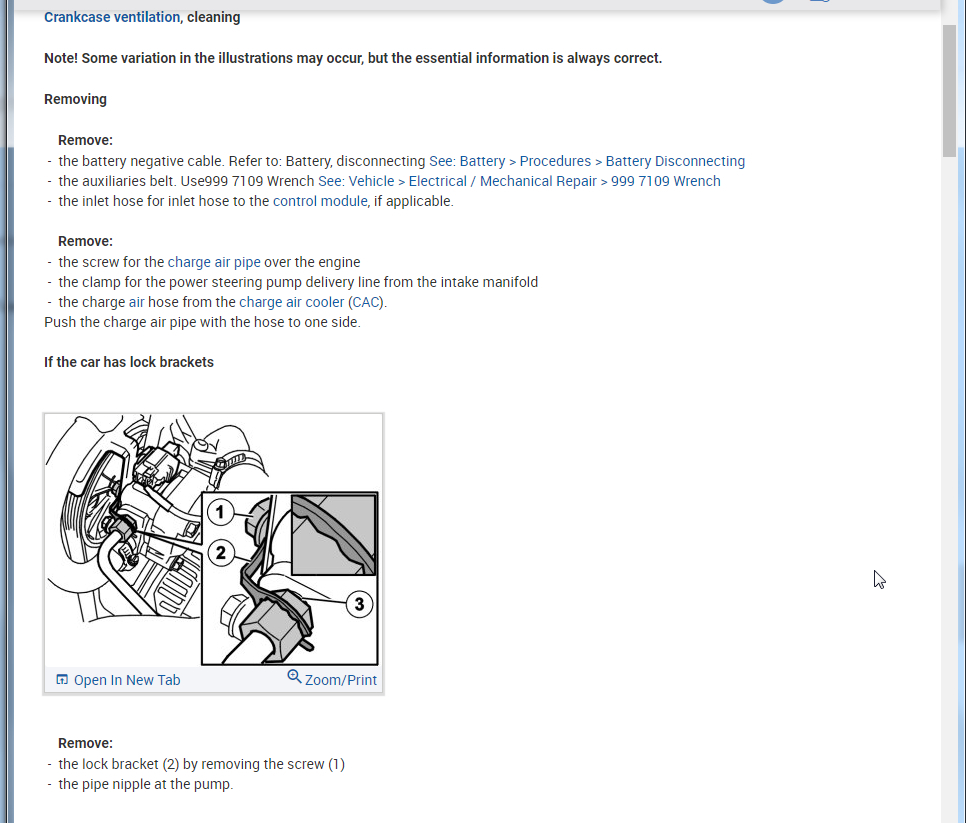
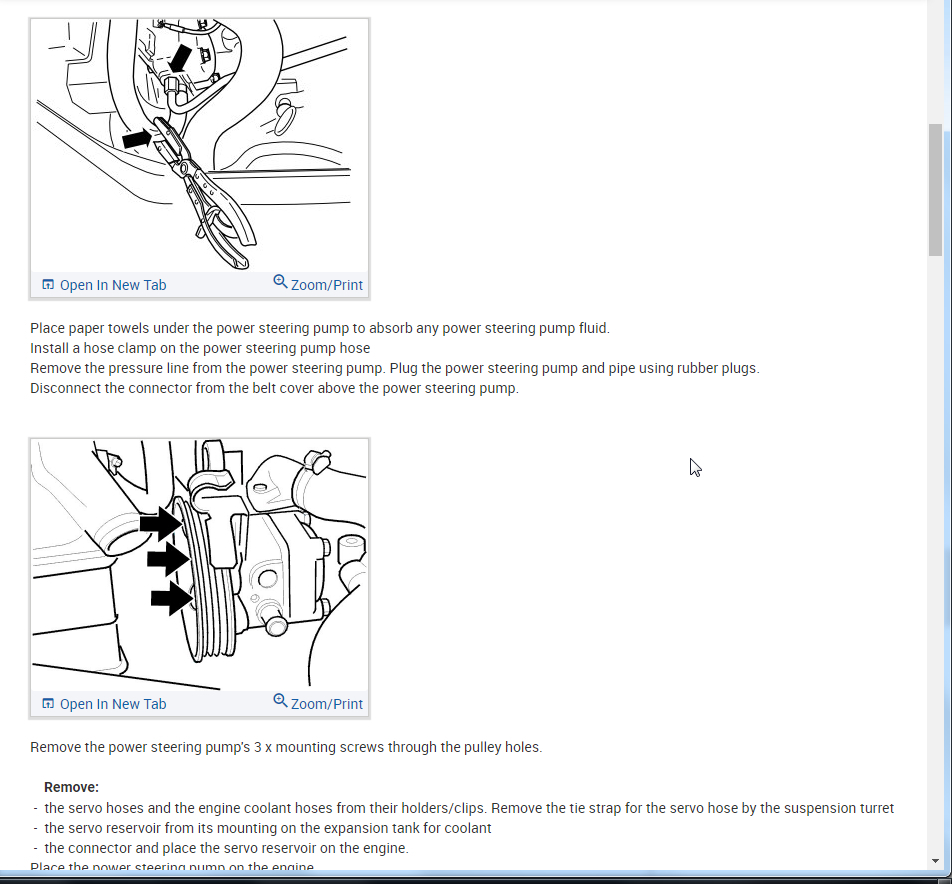
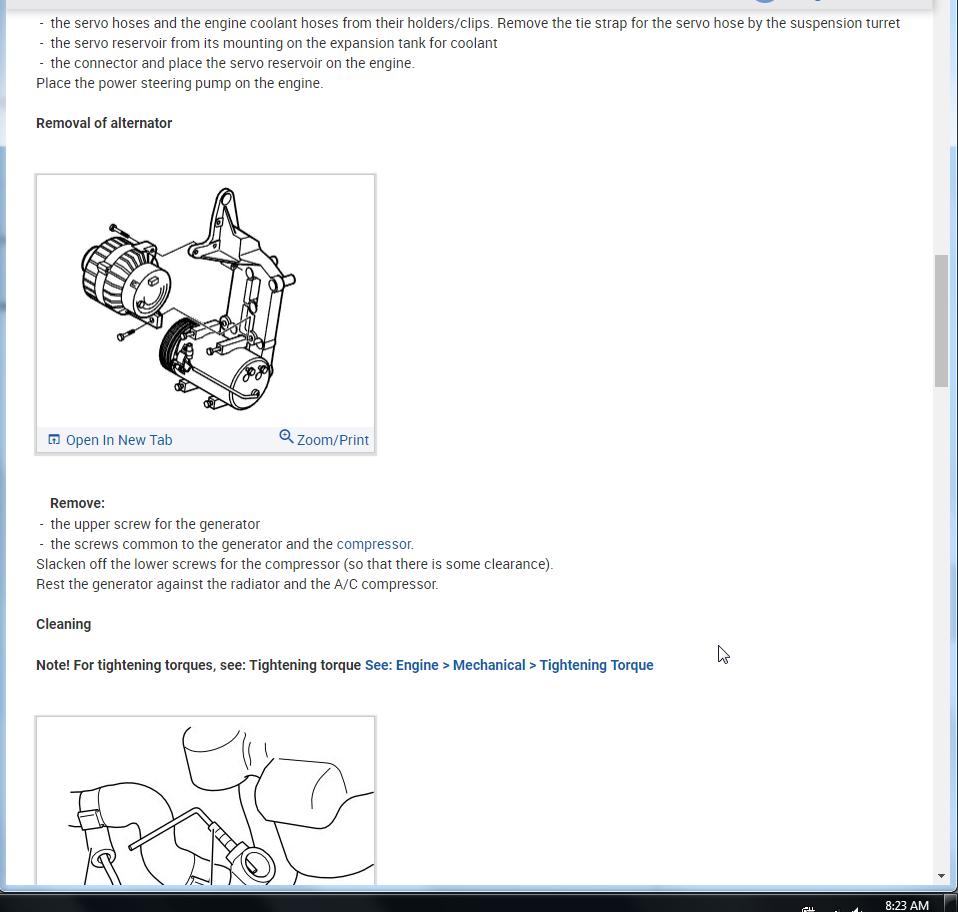
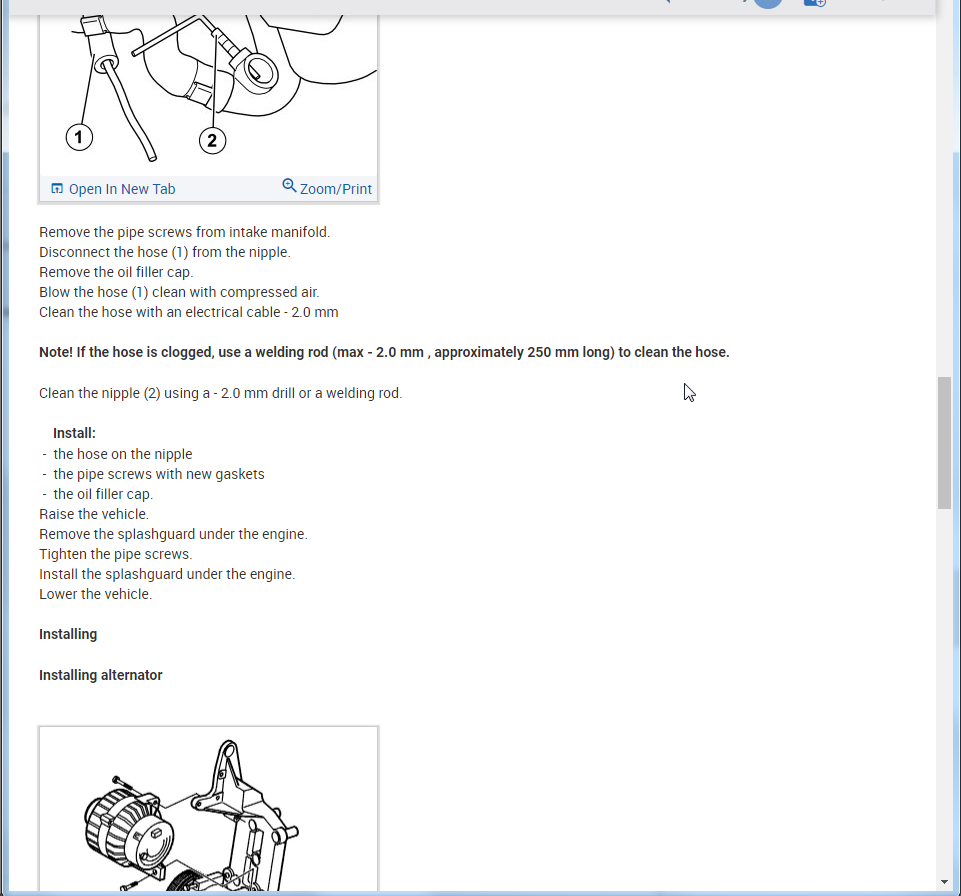
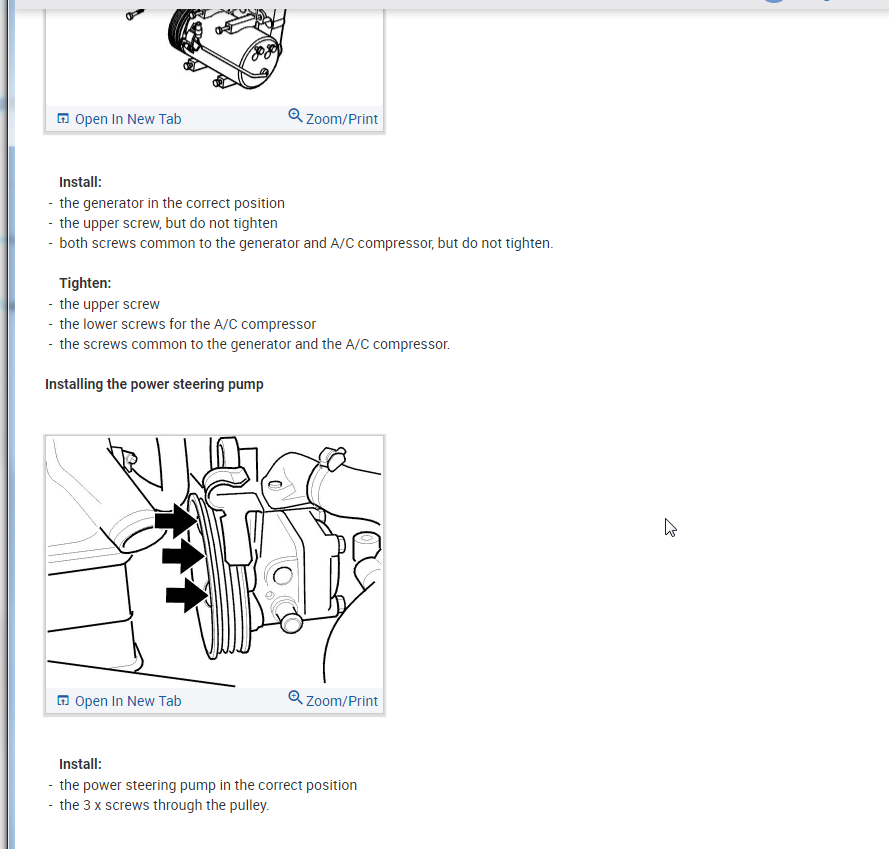
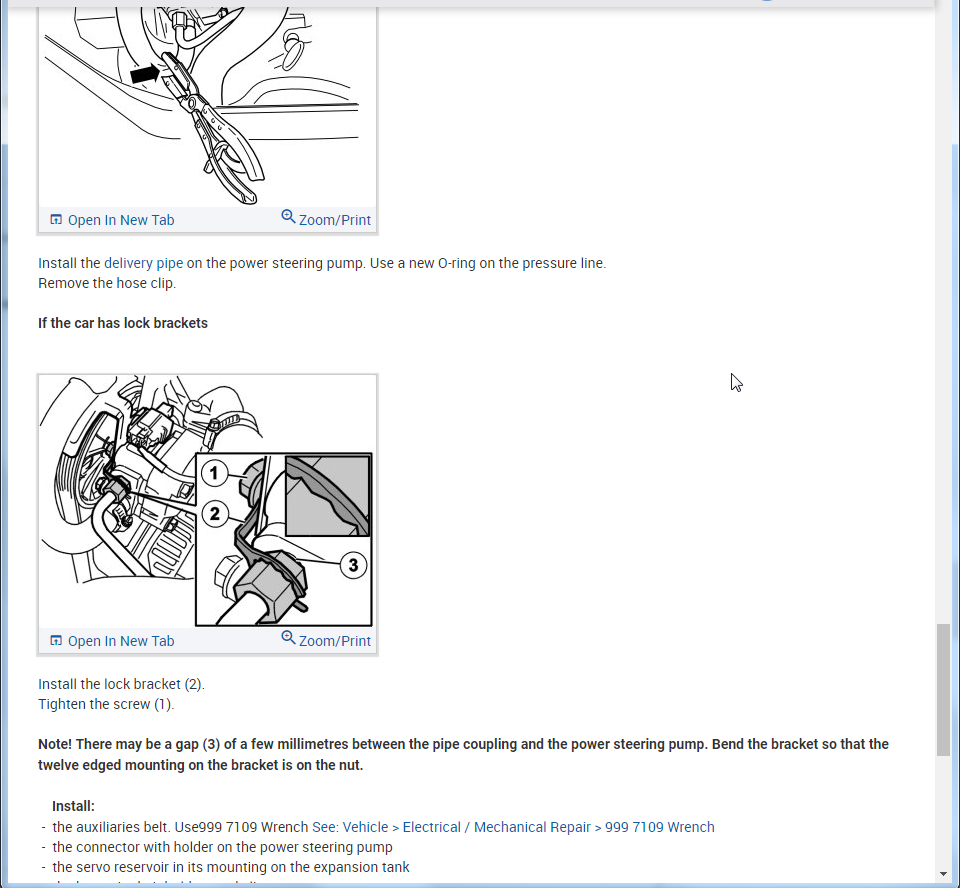
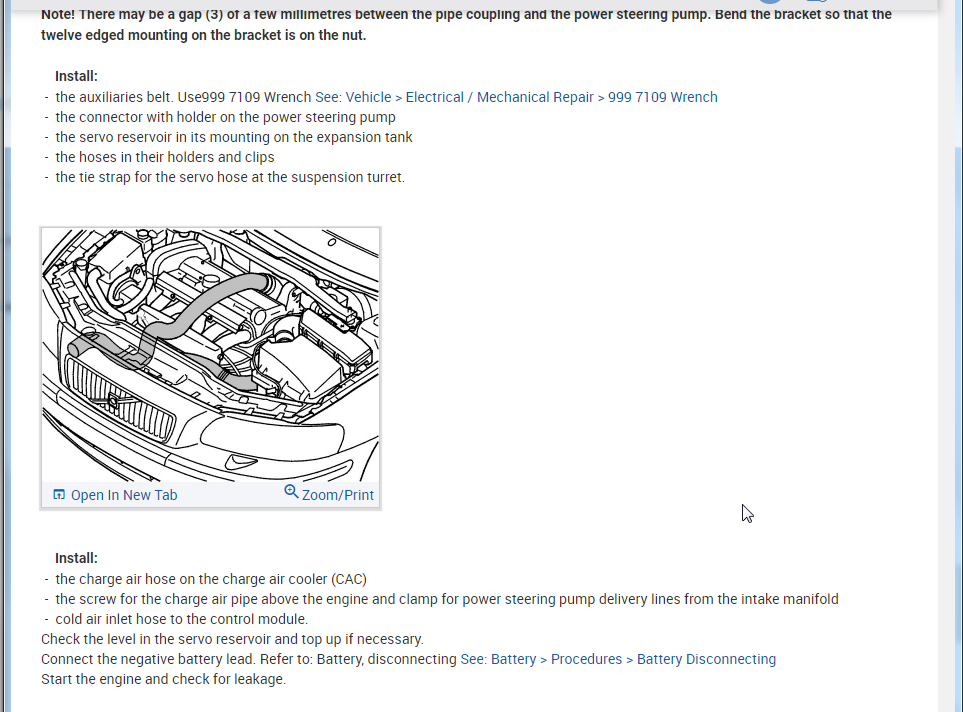
Below is the process from the manual that will help with replacing this if you are going to try and tackle it yourself.

Let me know if you have questions. Thanks
Mar 20, 2021 at 6:28 PM
Avatar
05ACURATL
  • MEMBER
  • 37 POSTS
Hello,

Thank you for answering my question. I'm still a bit confused with your answer. You said "the entire turbo needs to be replaced". Are you referring to replacing just the Turbo charger (part number 30650634) or do I need to also replace other external parts (such as the wastegate, oil drain line, oil supply line, etc.)?
Also, the images seem to have some steps missing between each image. Do you have a way of saving all the steps into a single pdf file? or in the alternative, can you please re-upload pics of the complete steps? thanks
Mar 21, 2021 at 8:12 AM
Advertisement
Avatar
KASEKENNY
  • CERTIFIED EXPERT
  • 18,907 POSTS
You need to replace the turbo. The wastegate normally comes on the new turbo but if not, you could swap it over. However, this actuator does fail so since you are there, I would just find a turbo that has it with it.

As for the lines, you do not need to replace any lines.

Lastly, we cannot save the process from the manual in a PDF because they site doesn't allow that format. I can see why you think there are steps missing because it has you lift the vehicle and then lower the vehicle and then lift it again but I went through each page and that is the entire process just as it is in the manual. Let me know if you have a specific portion that is confusing and we can try to walk through it.
Mar 22, 2021 at 6:20 PM
Avatar
05ACURATL
  • MEMBER
  • 37 POSTS
Thanks again. I came across some information that says clogged PCV system will build pressure and push it through the turbo. The car doesn't have a regular PCV valve, but instead the PCV system is composed of a breather box and other components. Is there a way to diagnose the PCV system without taking it apart?
Mar 22, 2021 at 9:13 PM
Avatar
KASEKENNY
  • CERTIFIED EXPERT
  • 18,907 POSTS
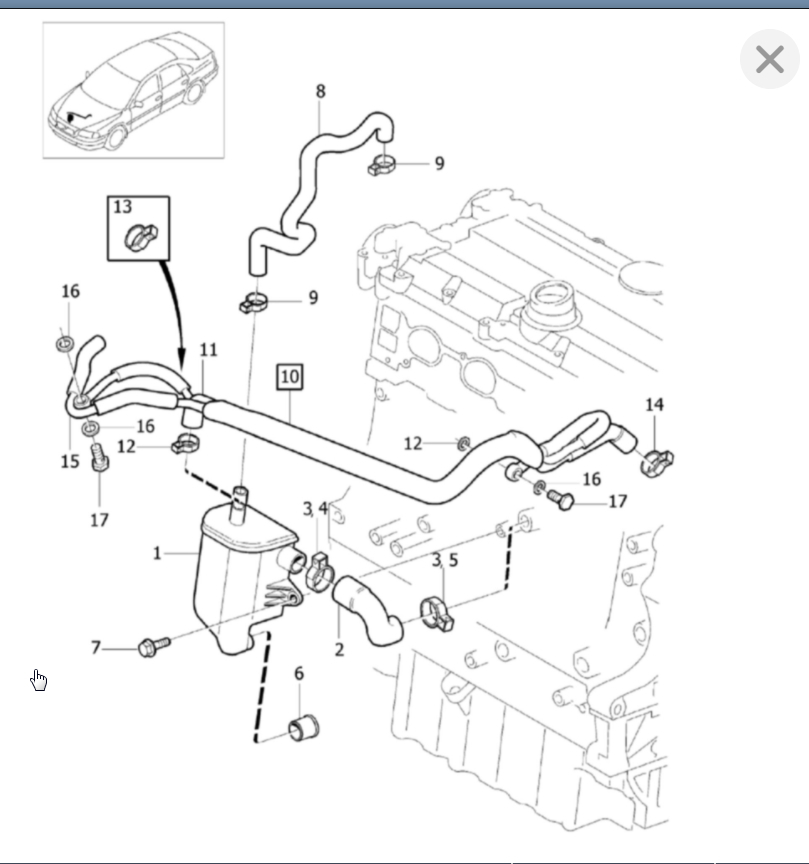
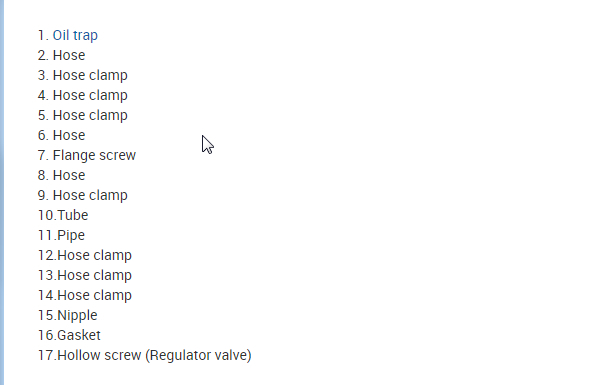
That is true, but not the amount of oil you are describing. The PCV or oil trap in your case, takes the blow by gases and separates out the oil so that the gases can be routed back to the intake and reused in the engine. This cuts down on emissions. As you will see from the picture below, this will hold about a quart of oil and is to be changed every 100,000 miles as regular maintenance.

Plus if this clogs it will cause the pressure to escape other places which could cause a leak and you would most likely find that in the intake.

It could press it through the turbo but again it is only going to be what oil is going through the engine and then through this system. In other words it is going to be a small amount of oil.

If you have oil pouring out then you have a seal that is breached and if it is coming out of the turbo then I am confident that this a turbo issue. Plus this is pretty common on diesel trucks so I have seen it before.
Mar 23, 2021 at 5:37 AM
Avatar
05ACURATL
  • MEMBER
  • 37 POSTS
Thank you so much. few follow up questions.

1) Does a breached seal necessarily mean that the turbo is bad or is it worth trying to replace the seal to fix the oil leak?

2) is the seal you mentioned a metal ring that looks like a C-clamp (except that it is almost a full circle)?

3) Is it the exhaust turbine seal that needs to be replaced?
Mar 23, 2021 at 1:09 PM
Avatar
KASEKENNY
  • CERTIFIED EXPERT
  • 18,907 POSTS
The turbo is not "bad" it just needs the turbine seal. Normally they are metal rings that are on the "exhaust side" of the turbine shaft. Basically it keeps the oil out of the exhaust.

I have not had one of these turbos apart and the manual does not have any info on rebuilding them. Volvo has you replace them if needed. I am sure it could be fixed but I have found it is far better to replace it and send this one back as a core and they can rebuild it and sell it again. This way it normally comes with a warranty as well.
Mar 23, 2021 at 5:44 PM